Why Sri Lankan Hospitals Are Failing Wastewater Compliance in 2026
A 2025 audit conducted by the Central Environmental Authority (CEA) revealed that 68% of state hospitals in the Colombo district consistently exceed statutory BOD and COD discharge limits. This compliance gap is largely attributed to aging infrastructure—some of which dates back to the early 20th century—and a surge in specialized medical effluent that traditional septic systems cannot process. Hospital wastewater in Sri Lanka is uniquely hazardous, containing high concentrations of antibiotics such as ciprofloxacin (5–50 μg/L), lipids from surgical theaters, and heavy metals like mercury from legacy dental amalgams. When these pollutants are discharged directly into the Kelani River or coastal outfalls, they create antibiotic resistance hotspots and degrade local aquatic ecosystems.
The technical failure of existing systems often stems from the inability to handle the complex organic load of modern healthcare. A typical 200-bed hospital in Sri Lanka generates between 150 and 250 m³/day of effluent, characterized by Total Suspended Solids (TSS) ranging from 200 to 500 mg/L. Without advanced primary filtration and secondary biological treatment, these solids clog municipal lines and lead to surface water contamination. A 2024 UNOPS case study highlighted that installing a dedicated treatment plant at a major regional hospital reduced E. coli levels by 99.9%, yet many facilities still rely on overburdened pumping stations that lack the necessary 4-log pathogen reduction capabilities.
The cost of non-compliance has escalated significantly under 2026 enforcement tiers. The CEA now imposes penalties of up to LKR 500,000 per violation, coupled with mandatory 30-to-90-day compliance orders. For private healthcare chains, these violations can result in operational shutdowns and the revocation of Environmental Protection Licenses (EPL). Transitioning to high-efficiency systems like MBR or integrated underground units is a regulatory necessity to avoid litigation and ensure continuity of healthcare services.
Sri Lanka’s Hospital Wastewater Standards: CEA, WHO, and Local Discharge Limits
The regulatory framework for hospital effluent in Sri Lanka is dictated by the CEA Gazette 2023/12.The discharge limits for healthcare facilities are more stringent than municipal sewage standards, reflecting the higher risk profile of medical waste. Hospitals must ensure that their treated water meets specific chemical and microbiological thresholds before it enters inland surface waters or public sewers.
While the World Health Organization (WHO) provides a broader guideline of ≤100 mg/L for BOD in certain regions, the CEA maintains a stricter limit of ≤50 mg/L to protect Sri Lanka’s limited freshwater resources. The 2026 standards mandate a fecal coliform count of ≤1,000 MPN/100mL, necessitating advanced disinfection protocols. Enforcement is tiered: state hospitals undergo quarterly audits, while private clinics are audited annually, with the CEA 2024 compliance manual emphasizing the removal of heavy metals like chromium and mercury, which must remain below 0.1 mg/L and 0.01 mg/L, respectively.
| Parameter | CEA 2026 Limit (Inland Surface Water) | WHO Guideline (General) | EU Directive (91/271/EEC) |
|---|---|---|---|
| BOD₅ (mg/L) | ≤ 50 | ≤ 100 | ≤ 25 |
| COD (mg/L) | ≤ 100 | ≤ 250 | ≤ 125 |
| TSS (mg/L) | ≤ 30 | ≤ 50 | ≤ 35 |
| Fecal Coliform (MPN/100mL) | ≤ 1,000 | ≤ 1,000 | N/A |
| pH | 6.0 – 8.5 | 6.5 – 9.0 | N/A |
| Oil & Grease (mg/L) | ≤ 10 | N/A | N/A |
Achieving these targets requires a nuanced understanding of how U.S. EPA standards influence global hospital wastewater practices, particularly regarding the log-kill of resilient pathogens. In Sri Lanka, the push toward ≥4-log reduction for bacteria and ≥3-log for viruses has shifted the market away from simple chlorination toward more robust technologies like chlorine dioxide and membrane filtration.
Engineering Specs for Hospital Wastewater Systems: Flow Rates, Pollutant Loads, and Removal Targets
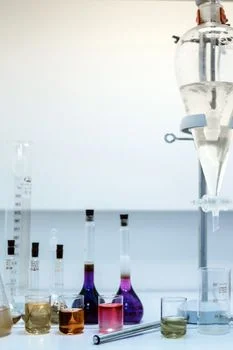
Engineering a hospital wastewater treatment plant (WWTP) in Sri Lanka requires precise data on influent characteristics, which differ vastly from domestic sewage. For a 200-bed facility, engineers must design for a flow rate of 0.5–1.2 m³/bed/day, totaling a peak capacity of approximately 240 m³/day. This design must account for "shock loads" during morning peak hours when patient hygiene and laundry activities coincide.
Pretreatment is the most critical phase for protecting downstream biological processes. Implementing mechanical bar screens for solids removal is essential to capture medical debris—such as bandages, plastics, and syringes—that can damage pumps and foul membranes. Following screening, equalization tanks are required to balance pH and flow, preventing hydraulic surges from washing out the microbial population in the secondary treatment phase. Removal targets for 2026 compliance are aggressive: systems must achieve ≥95% COD removal and ≥98% TSS removal to meet the CEA's 30 mg/L limit.
| Engineering Parameter | Raw Hospital Influent (Sri Lanka) | Required Removal Efficiency | Treated Effluent Target |
|---|---|---|---|
| Flow Rate (per bed) | 0.5 – 1.2 m³/day | N/A | N/A |
| COD (mg/L) | 300 – 800 | ≥ 95% | < 100 mg/L |
| BOD (mg/L) | 150 – 400 | ≥ 90% | < 50 mg/L |
| TSS (mg/L) | 200 – 500 | ≥ 98% | < 30 mg/L |
| Fecal Coliform | 10⁶ – 10⁸ MPN/100mL | ≥ 4-log reduction | < 1,000 MPN/100mL |
Disinfection performance is the final safeguard. While traditional chlorine gas is becoming less common due to safety concerns and its inability to neutralize certain viruses, chlorine dioxide generators for hospital effluent disinfection offer a superior alternative. ClO₂ remains effective over a wide pH range and provides a 4-log bacterial kill without producing the harmful trihalomethanes associated with standard bleach. For hospitals pursuing water reuse for irrigation, Membrane Bioreactor (MBR) systems provide an even higher standard, achieving 6-log reduction through 0.1 μm pore-size filtration.
MBR vs. DAF + Chlorine Dioxide vs. Underground Package Systems: Side-by-Side Comparison
The choice of technology for hospital wastewater treatment in Sri Lanka depends on several factors.Selecting the appropriate technology depends on a hospital’s specific constraints: land availability, budget, and the intended use of the treated water. In urban Colombo, where land prices are exorbitant, footprint efficiency is the primary driver. In rural provinces, ease of maintenance and low operational costs (OPEX) take precedence. We compare the three most prevalent technologies currently being deployed in Sri Lankan healthcare facilities.
Membrane Bioreactors (MBR) represent the pinnacle of treatment, combining biological degradation with membrane filtration. MBR systems for hospital wastewater treatment in Sri Lanka are increasingly used in private tertiary hospitals because they produce effluent of such high quality it can be reused for cooling towers or garden irrigation. Conversely, Dissolved Air Flotation (DAF) paired with Chlorine Dioxide is the preferred choice for facilities with high Fats, Oils, and Grease (FOG) loads, such as those with large-scale industrial kitchens. For smaller clinics or rural state hospitals, cost-effective underground systems for rural hospitals offer a "set-and-forget" solution that minimizes odor and visual impact.
| Metric | MBR (DF Series) | DAF + ClO₂ | Underground (WSZ Series) |
|---|---|---|---|
| CAPEX (200-bed) | $250,000 – $400,000 | $180,000 – $300,000 | $120,000 – $250,000 |
| OPEX ($/m³) | $0.40 – $0.60 | $0.30 – $0.50 | $0.25 – $0.40 |
| Footprint | 0.5 m²/bed (Compact) | 1.2 m²/bed (Large) | 0.8 m²/bed (Sub-surface) |
| Effluent BOD | < 10 mg/L | < 30 mg/L | < 50 mg/L |
| Log-Kill (Pathogens) | 6-log | 4-log | 3-log (needs post-disinfection) |
| Maintenance | High (Membrane cleaning) | Medium (Chemical dosing) | Low (Sludge removal) |
For high-FOG scenarios, DAF systems for high-FOG hospital wastewater are indispensable. They use micro-bubbles to float lipids and suspended solids to the surface for mechanical skimming, preventing the "grease-blinding" of downstream biological filters. While MBR offers the best compliance margin, the WSZ Series underground package remains the most viable for facilities with limited technical staff, as it relies on fixed-film media that is highly resilient to flow fluctuations.
How to Select the Right System for Your Hospital: A 5-Step Decision Framework
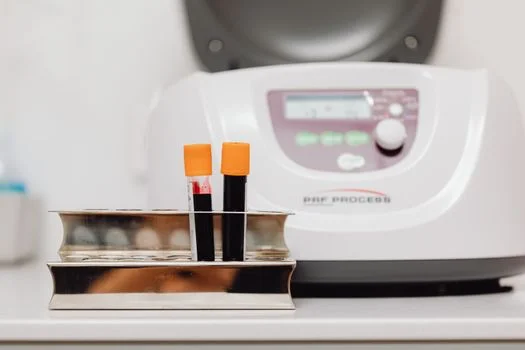
Choosing a wastewater system is a 10-to-15-year capital commitment. Mistakes in the design phase—such as underestimating organic loads or ignoring local power reliability—can lead to system failure within the first year. Hospital facility managers should follow this structured framework to ensure a zero-risk installation that meets CEA 2026 standards.
- Step 1: Comprehensive Effluent Audit – Conduct a 24-hour composite sampling of your current discharge. Test specifically for COD, BOD, TSS, fecal coliform, and heavy metals. This baseline data is essential for sizing the biological reactors correctly.
- Step 2: Calculate Design Flow and Peak Loads – Determine your average daily flow (