Why Liverpool Hospitals Need Specialized Wastewater Treatment
Effluent from Liverpool’s healthcare facilities contains antibiotic concentrations up to 100 times higher than domestic sewage, necessitating on-site treatment before discharge into the Mersey estuary catchment. Liverpool hospitals typically generate between 50 and 500 m³/day of high-risk wastewater. This volume fluctuates significantly during winter flu surges and public health crises, placing immense pressure on aging infrastructure. Unlike standard municipal waste, hospital effluent carries a complex cocktail of pharmaceuticals, contrast agents, and multi-drug-resistant pathogens like E. coli and C. difficile.
The regulatory landscape for Liverpool is governed by the Environment Agency (EA) and the Water Industry Act 1991. Current discharge limits for the Mersey estuary are increasingly stringent, often requiring Chemical Oxygen Demand (COD) levels below 25 mg/L and ammonia levels under 3 mg/L. NHS England’s 2025 Sustainable Development Strategy mandates that facilities exceeding 2,000 population equivalent (PE) implement robust on-site treatment. Non-compliance carries financial penalties of up to £20,000 per day and significant reputational damage to NHS Trusts.
A critical challenge for Liverpool facilities is the limitation of local municipal infrastructure. While the Sandon Dock Wastewater Treatment Works is one of the UK's largest, with a capacity of 950 ML/day, its secondary treatment processes are designed for biological organic matter, not the recalcitrant cytotoxic drugs and endocrine disruptors found in hospital streams. For instance, during the demolition of the Liverpool Royal’s Pathology Building to make way for new clinical space, engineers identified that existing sewer connections could no longer handle the concentrated phosphorus loads from modern diagnostic labs without localized pre-treatment.
| Contaminant Parameter | Typical Liverpool Hospital Raw Effluent | Environment Agency Mersey Limits (2025) | Removal Requirement (%) |
|---|---|---|---|
| BOD5 (mg/L) | 250–450 | <10 | 96.0% |
| COD (mg/L) | 500–900 | <125 (Targeting <25) | 87.5% |
| Total Phosphorus (mg/L) | 8–15 | <1.0 | 93.3% |
| Ammonia (NH3-N) (mg/L) | 25–45 | <3.0 | 93.3% |
| Pharmaceuticals (µg/L) | 10–100 | <0.1 (Specific compounds) | 99.9% |
Engineering Specs for Hospital Wastewater Treatment in Liverpool
Achieving the 2025 NHS England Net Zero target requires hospital wastewater systems to reach a Biochemical Oxygen Demand (BOD) of less than 10 mg/L while minimizing carbon-intensive aeration. The engineering design must prioritize high-log removal of pathogens and the degradation of persistent organic pollutants (POPs).
For Liverpool’s urban hospitals, space is the primary constraint. This necessitates the use of high-density processes that offer a small footprint without compromising on effluent quality.
The standard process flow for a Liverpool-based clinical facility involves a multi-stage approach. Pre-treatment begins with fine screening (0.5–1.0 mm) to remove clinical solids, followed by an equalization tank to buffer the high-flow variability of hospital shifts. Secondary treatment typically utilizes a high-efficiency MBR system for large Liverpool NHS trusts, which combines biological treatment with membrane filtration. This eliminates the need for secondary clarifiers, reducing the footprint by up to 50% compared to traditional activated sludge plants. Tertiary treatment via ozone or UV disinfection is then applied to ensure the total destruction of antibiotic-resistant bacteria.
Energy efficiency is another critical spec. Implementing Thermal Hydrolysis Processes (THP) for sludge handling can reduce annual operating costs by approximately 50% compared to conventional anaerobic digestion. In Liverpool’s high-organic-load environments, THP facilitates higher gas yields and a sterilized, Class A biosolid suitable for sustainable reuse. For smaller clinics or radiology suites, a compact underground system for Liverpool hospitals with space constraints allows for compliance without occupying valuable surface-level clinical space.
| Treatment Technology | BOD Removal Efficiency | Energy Use (kWh/m³) | Footprint Requirement | Primary Application |
|---|---|---|---|---|
| MBR (Membrane Bioreactor) | >98% | 0.8–1.2 | Very Low | General Hospital Effluent |
| DAF (Dissolved Air Flotation) | 40–60% | 0.3–0.5 | Medium | Kitchen/FOG Pre-treatment |
| Activated Sludge (SBR) | 85–95% | 0.5–0.7 | High | Large-scale Municipal/Industrial |
| WSZ Series (Underground) | 90–95% | 0.4–0.6 | Minimal (Buried) | Small Clinics / Specialized Units |
Compliance Checklist: Meeting UK Standards for Hospital Wastewater in Liverpool
The Environment Agency requires Liverpool-based hospitals to secure a bespoke discharge permit if daily effluent exceeds 5 cubic meters. Facility managers must conduct a thorough audit of their current discharge points to ensure they align with the 2025 Sustainable Development Strategy.
To remain compliant, a systematic monitoring program is essential. This involves weekly sampling of pH, Total Suspended Solids (TSS), and heavy metals. For facilities handling oncology patients, specific testing for cytotoxic drug residues is required. Liverpool facilities have access to specialized local laboratories such as ALS Environmental or Eurofins for rapid turnaround analysis. Hospitals must have a documented spill response plan specifically for hazardous medical waste, which can be mitigated by installing a plug-and-play ozone disinfection system for small Liverpool clinics that can operate independently during main system maintenance.
- Permit Verification: Ensure a Bespoke Environmental Permit is held for any discharge to surface water or groundwater.
- Flow Monitoring: Install MCERTS-certified flow meters to record daily volumes as required by the Water Industry Act.
- Sampling Protocol: Implement proportional composite sampling (24-hour) to accurately reflect hospital activity cycles.
- Pathogen Control: Validate tertiary disinfection units to ensure a minimum 4-log reduction in enteric viruses and bacteria.
- Emergency Storage: Maintain at least 24 hours of emergency storage capacity to prevent untreated discharge during pump failures.
For more detailed guidance on how smaller facilities can navigate these complex rules, facility managers should review how small Liverpool clinics can meet UK wastewater standards.
Cost Breakdown: Hospital Wastewater Treatment Systems for Liverpool Facilities
Capital expenditure for hospital-scale Membrane Bioreactor (MBR) systems in the Liverpool City Region ranges from £300 to £600 per m³/day of capacity. The long-term operational savings and avoidance of EA fines provide a superior Return on Investment (ROI).
Operating expenses (OPEX) are primarily driven by energy consumption for aeration and chemical costs for disinfection. Utilizing a chlorine dioxide generator for targeted disinfection can be more cost-effective than bulk liquid chlorine. The Liverpool City Region’s Green Investment Fund offers grants for water efficiency projects, which can offset up to 20% of the initial CAPEX for systems that incorporate energy-recovery technologies like THP.
| System Type | Estimated CAPEX (£/m³) | Annual OPEX (£/m³) | 10-Year TCO (£) | ROI Period |
|---|---|---|---|---|
| Underground WSZ Series | £150–£400 | £0.15–£0.25 | £250,000–£450,000 | 4–6 Years |
| Advanced MBR System | £300–£600 | £0.40–£0.65 | £600,000–£950,000 | 5–7 Years |
| DAF + Biological | £200–£350 | £0.30–£0.50 | £400,000–£650,000 | 6–8 Years |
When evaluating these costs, it is useful to understand how Liverpool’s regulations compare to global standards.
Equipment Selection Guide: Matching Treatment Systems to Liverpool Hospitals
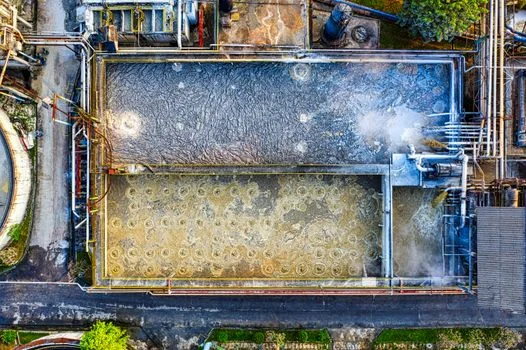
Selecting a wastewater treatment system for Liverpool hospitals depends primarily on the population equivalent (PE) and the specific proximity to the Sandon Dock catchment area.
A decision framework for Liverpool procurement officers should follow an if-then logic: If the facility produces high levels of fats, oils, and grease (FOG) from large-scale catering services, a Dissolved Air Flotation (DAF) pre-treatment stage is mandatory to prevent membrane fouling in the secondary stage.
| Hospital Profile | Key Constraint | Recommended Equipment | Primary Benefit |
|---|---|---|---|
| Large NHS Trust (>500 beds) | High Volume / Compliance | MBR + Ozone Tertiary | Highest Effluent Quality |
| Urban Clinic / Specialist Unit | Space / Noise | WSZ Underground Series | Zero Surface Footprint |
| Mental Health / Long-stay | Variable Load | SBR (Sequential Batch) | Operational Flexibility |
| Diagnostic / Pathology Lab | Chemical / Heavy Metals | Chemical Precipitation + UF | Targeted Contaminant Removal |
Vendor selection should weigh local support against technical specialization. The choice must be balanced against the 2025 Net Zero mandate, prioritizing equipment with documented low-carbon manufacturing and high energy-efficiency ratings.
Frequently Asked Questions
Do Liverpool hospitals require a bespoke permit for sewer discharge?Yes, if the hospital discharges "trade effluent" (which includes medical wastewater), they must obtain a Trade Effluent Consent from United Utilities. If the discharge is directly to a watercourse or the Mersey estuary, an Environment Agency Bespoke Permit is required.
What is the most space-efficient treatment for city-center facilities?The