
Wastewater Treatment Plant Cost in Marrakech 2025: CAPEX, OPEX & Tech-Specific Breakdown for Industrial Buyers
A 15,000 m³/day wastewater treatment plant in Marrakech costs €15M–€70M in total investment, with equipment purchase alone ranging from €2M–€13M depending on technology. Operational costs average €0.20–€0.50/m³, driven by energy, labor, and sludge disposal. Water reuse for irrigation can reduce OPEX by 30–40% and generate ROI in 5–7 years, aligning with RADEEMA’s 2025 sustainability targets.
Why Marrakech’s Wastewater Treatment Costs Are Rising in 2025
Marrakech’s Tensift basin is projected to face a 30% water deficit by 2025, according to RADEEMA 2023 data, shifting the cost-benefit analysis of wastewater treatment from discharge to high-value reuse. The city grapples with prolonged drought cycles, and the "polluter pays" principle is being enforced more strictly through rising discharge fees and environmental audits. For industrial facility planners, the cost of inaction includes fines and the risk of operational shutdowns during peak water scarcity months.
Regulatory pressure drives CAPEX increases for 2025 projects. RADEEMA’s updated discharge limits require Biological Oxygen Demand (BOD) below 30 mg/L and Total Suspended Solids (TSS) below 35 mg/L, effectively mandating tertiary treatment or advanced membrane processes. This regulatory shift increases initial capital expenditure by 15–25% compared to legacy secondary treatment systems. Industrial growth in Marrakech’s free zones has strained existing municipal infrastructure. Approximately 60% of factories in these zones lack comprehensive on-site treatment, leading to a surge in demand for decentralized, high-efficiency plants.
Energy tariffs in Morocco rose by approximately 12% in 2024, now fluctuating between €0.10 and €0.15/kWh. This increase makes energy-intensive legacy systems less financially viable over a 10-year lifecycle. Consequently, 2025 budget justifications focus on energy-efficient technologies, such as Membrane Bioreactors (MBR) and solar-assisted sludge drying, to mitigate long-term OPEX volatility. For a detailed comparison of how these costs manifest in other arid regions, planners can reference industrial WWTP compliance strategies for arid climates.
Marrakech WWTP Cost Framework: CAPEX and OPEX Drivers
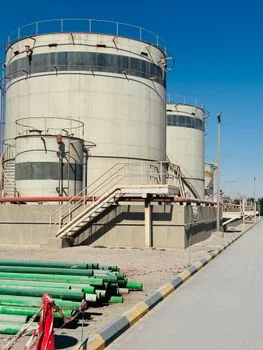
Total investment for a 15,000 m³/day plant in Marrakech is distributed across equipment, civil engineering, land acquisition, and permitting, with equipment accounting for 40–50% of the total CAPEX. Civil works represent another 20–30%. Engineering design and project management fees generally hold at 10%, while legal permits and environmental impact assessments account for the remaining 5%.
Land costs in Marrakech are significant, especially for industrial zones like Sidi Ghanem or the Agropolis area. Industrial land prices range from €50 to €150/m². For a standard activated sludge plant, land costs can add €1M–€3M to the initial CAPEX. This high cost of real estate is a reason many Marrakech-based firms opt for MBR technology, which requires up to 60% less land than traditional biological systems. Labor costs contribute to the OPEX framework, with skilled operators commanding €8–€12/hour. For a facility requiring 24/7 staffing, this adds an annual operational burden of €200,000 to €300,000.
Sludge management is a significant cost driver in the Marrakech market. RADEEMA’s 2024 disposal rates for dewatered sludge range from €50 to €100 per ton for landfilling. To combat this, many new facilities integrate sludge dewatering to reduce disposal costs in Marrakech, aiming for a dry solids content of 25-30% to minimize transport and tipping fees. Aeration remains the largest energy consumer, often accounting for 40–60% of total plant power consumption.
| Cost Component | Estimated Cost (15k m³/day) | % of Total Budget | Marrakech-Specific Driver |
|---|---|---|---|
| Mechanical Equipment | €6M – €12M | 45% | Import duties & shipping to Casablanca/Tangier |
| Civil Works | €4M – €8M | 25% | Local concrete and labor rates |
| Land Acquisition | €1.5M – €3M | 15% | High demand in Sidi Ghanem/Industrial Zones |
| Annual Energy (OPEX) | €450K – €700K | N/A | €0.12/kWh average industrial tariff |
| Sludge Disposal (OPEX) | €150K – €300K | N/A | RADEEMA 2024 landfill tipping fees |
Technology Comparison: MBR vs. Activated Sludge vs. DAF + MBR for Marrakech
Choosing between Membrane Bioreactor (MBR) and conventional Activated Sludge (AS) in Marrakech involves a trade-off between higher initial CAPEX and lower long-term land and water-scarcity costs. MBR systems for a 15,000 m³/day plant require a CAPEX of €3.5M–€5M for the equipment alone, producing an effluent with Chemical Oxygen Demand (COD) consistently below 50 mg/L. This meets the RADEEMA reuse standard for unrestricted irrigation, a critical factor for facilities looking to monetize their treated water.
Conventional activated sludge systems are cheaper upfront, with equipment costs between €2.5M and €3.5M. However, they have a significantly larger footprint (1.2–1.5 m²/m³ of treated water compared to 0.5–0.8 m²/m³ for MBR). AS effluent (COD 80–120 mg/L) usually requires additional tertiary filtration and disinfection steps to reach reuse quality, which can negate the initial cost savings. For industrial sectors with high oil and grease loads, such as Marrakech’s olive oil or food processing plants, adding DAF pre-treatment for industrial wastewater in Marrakech is essential to protect downstream biological processes. This combination (DAF + MBR) represents the highest CAPEX (€4M–€6M) but offers the most robust compliance profile for 2025 standards.
Energy consumption remains the primary differentiator in OPEX. MBR systems consume 0.8–1.2 kWh/m³ due to the energy required for membrane scouring, whereas activated sludge systems operate at 0.4–0.6 kWh/m³. Despite higher energy use, MBR systems for Marrakech’s water reuse standards often provide a better net-present value (NPV) because they eliminate the need for large clarifiers and reduce land costs by up to €1M in urban-adjacent industrial sites.
| Parameter | Activated Sludge (AS) | MBR System | DAF + MBR |
|---|---|---|---|
| CAPEX (Equipment) | €2.5M – €3.5M | €3.5M – €5.0M | €4.0M – €6.0M |
| OPEX (€/m³) | €0.25 – €0.40 | €0.35 – €0.50 | €0.40 – €0.60 |
| Footprint (m²/m³/d) | 1.2 – 1.5 | 0.5 – 0.8 | 0.7 – 1.0 |
| Effluent Quality (COD) | 80 – 120 mg/L | < 50 mg/L | < 30 mg/L |
| Reuse Potential | Low (Needs Tertiary) | High (Direct Reuse) | Maximum (Process Water) |
Water Reuse ROI: How Marrakech Factories Can Offset WWTP Costs
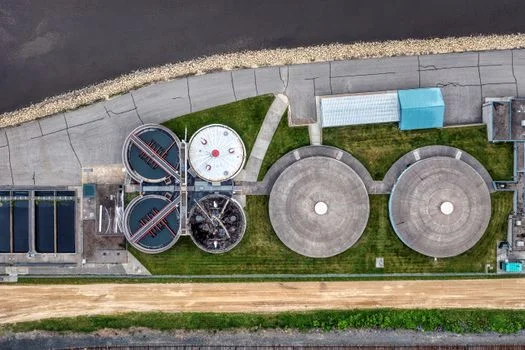
Water reuse is a core financial strategy for Marrakech industries, where potable water tariffs for industrial users have increased. By treating wastewater to a standard suitable for irrigation or industrial processes, companies can save between €0.10 and €0.50 per cubic meter compared to purchasing municipal water. For a 15,000 m³/day plant, if 50% of the effluent is reused for on-site cooling or landscape irrigation, the annual savings can range from €270,000 to €500,000.
The return on investment (ROI) for advanced systems like MBR is typically achieved within 5 to 7 years in the Marrakech climate. A case study of a RADEEMA-managed municipal project shows that the sale of treated wastewater to local golf courses and parks generates approximately €1.2M per year, offsetting nearly 40% of the plant's total OPEX. For private industrial players, the ROI is further accelerated by the National Sanitation Plan 2025, which offers up to 20% subsidies for infrastructure dedicated to water reuse. Integrating reverse osmosis for high-purity industrial reuse can allow factories to cycle water back into boilers or cooling towers, drastically reducing the "raw water" intake requirement.
A typical ROI calculation for a Marrakech factory treating 2,000 m³/day would look as follows:
- Annual Water Purchase Savings: €220,000 (at €0.30/m³ average industrial rate).
- Discharge Fee Avoidance: €45,000.
- Total Annual Benefit: €265,000.
- Incremental CAPEX for Reuse Tech: €1,200,000.
- Payback Period: ~4.5 Years.
Chinese vs. European Equipment: Cost and Compliance Trade-offs for Marrakech
The Marrakech market is split between high-CAPEX European systems and cost-effective Chinese alternatives, with the latter gaining traction in the industrial sector. Chinese MBR systems for a 15,000 m³/day plant are priced between €1.2M and €2M, which is 25–40% lower than European counterparts. Lead times for Chinese equipment are also shorter, often ranging from 6 to 8 months compared to the 10 to 14 months common with European manufacturers.
While European suppliers provide comprehensive RADEEMA compliance documentation and have established local engineering subsidiaries, Chinese suppliers have improved their support models. Many now offer 5-year warranties and include on-site training for local operators to ensure RADEEMA inspections are passed successfully. A recent 2024 case study of a textile factory in the Marrakech outskirts noted a savings of €800,000 by selecting a Chinese MBR system integrated by a local Moroccan engineering firm. The key to success with Chinese equipment is ensuring the supplier provides third-party validation and specific effluent quality guarantees that match Moroccan law.
| Feature | Chinese Equipment (e.g., Zh
Get a Free Quote — Tell Us About Your Project
Contact Us
|
|---|


