Why Port Harcourt’s Wastewater Crisis Demands Immediate Action
In 2025, Port Harcourt industrial facilities must treat wastewater to NESREA’s strict standards (BOD <30 mg/L, TSS <50 mg/L) or face fines up to ₦5 million per violation—187 facilities were penalized in 2024 alone. High-BOD effluents (e.g., petrochemicals, food processing) require advanced systems like MBR or DAF, but Port Harcourt’s high water table and frequent power outages demand flood-resistant designs and backup aeration. This guide provides engineering specs, compliance checklists, and cost benchmarks for zero-risk system selection.
The National Environmental Standards and Regulations Enforcement Agency (NESREA) Rivers Zonal Office reported fining 187 industrial facilities in Port Harcourt and Onne in 2024 for non-compliance with effluent discharge standards. This enforcement action highlights a critical and escalating environmental and economic challenge for businesses operating in Rivers State. The penalized facilities included 40% from the food and beverage sector, 30% from petrochemicals, 20% from textiles, and 10% from other industrial categories, indicating a widespread issue across diverse industries (Hydropurewater, 2025).
Untreated industrial effluents discharged into Rivers State rivers contain heavy metals, with lead concentrations ranging from 0.8–1.2 mg/L and cadmium from 0.1–0.3 mg/L, as well as high levels of nutrients like ammonia between 25–40 mg/L. These levels exceed World Health Organization (WHO) drinking water limits by 4–8 times, posing severe risks to public health and aquatic ecosystems (Hydropurewater, 2025). The economic impact is substantial, with average fines reaching ₦15 million per facility, alongside significant reputational damage and potential loss of contracts with multinational oil and gas firms. an estimated 260,000 metric tons of industrial pollution degrade the Bonny River estuary annually, a vital source for fishing and drinking water in the region (Hydropurewater, 2025).
NESREA Wastewater Standards for Port Harcourt: What You Must Achieve
Meeting National Environmental Standards and Regulations Enforcement Agency (NESREA) wastewater discharge limits is non-negotiable for industrial operations in Port Harcourt. These standards are designed to protect public health and the environment by regulating the quality of effluent released into receiving waters. Failure to comply can result in severe financial penalties and operational disruptions.
The primary NESREA discharge limits for industrial wastewater include:
| Parameter | Limit |
|---|---|
| Biochemical Oxygen Demand (BOD) | <30 mg/L |
| Total Suspended Solids (TSS) | <50 mg/L |
| pH | 6–9 |
| Oil and Grease | <10 mg/L |
| Ammonia | <5 mg/L |
Industry-specific variations are also enforced. For instance, petrochemical facilities must limit benzene to <0.5 mg/L, while food processing plants have a slightly higher allowance for oil and grease at <15 mg/L. Textile industries face limits on color, typically below 50 Pt-Co units. Continuous monitoring of pH and flow is often mandated, alongside quarterly third-party laboratory tests, which can cost approximately ₦120,000 per test. Real-time reporting of compliance data is increasingly required via NESREA’s e-Portal. Penalties for non-compliance are stringent, starting with a ₦5 million fine per violation, escalating to facility shutdown for repeat offenses, and blacklisting from government contracts (Hydropurewater, 2025).
Port Harcourt’s Unique Wastewater Challenges: Floods, Power Outages, and High-BOD Effluents
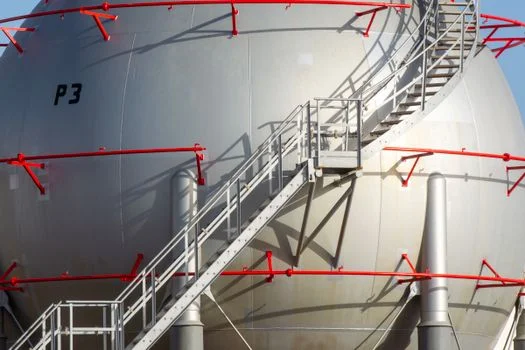
Designing an effective industrial wastewater treatment system in Port Harcourt requires a deep understanding of the region's specific environmental and infrastructural challenges. These factors significantly impact system selection, design, and operational reliability, demanding solutions that go beyond standard treatment protocols.
The high water table is a pervasive issue, with approximately 80% of industrial zones, including Trans Amadi and Onne, experiencing seasonal flooding. This necessitates the use of submersible pumps and elevated control panels, with a minimum elevation of 1.5 meters above grade and components rated to IP68 standards to prevent water ingress and operational failure during flood events. Power instability is another critical concern; with 12–18 hours of outages per day reported by PHED in 2024, reliable backup power is essential. This typically translates to the installation of 30 kVA diesel generators, costing between ₦8 million and ₦15 million, or the adoption of solar-powered aeration systems. Many industrial effluents in Port Harcourt are characterized by high Biochemical Oxygen Demand (BOD). Food processing plants can generate effluents with BOD levels ranging from 1,200–2,500 mg/L, petrochemical facilities between 800–1,500 mg/L, and textile industries between 500–1,000 mg/L. Conventional treatment systems often fail to cope with such high organic loads without robust pre-treatment. For coastal facilities like those in Onne Port, saltwater intrusion poses a significant threat, requiring the use of corrosion-resistant materials such as 316L stainless steel and Fiberglass Reinforced Plastic (FRP) to mitigate chloride-induced pitting, which can cause corrosion rates of 0.1–0.3 mm/year (HydropureWater internal data, 2025). For high-FOG effluents common in food processing, DAF systems for Port Harcourt’s high-FOG effluents offer a proven solution.
Treatment Technology Comparison: DAF vs. MBR vs. Package Plants for Port Harcourt’s Effluents
Selecting the appropriate wastewater treatment technology is paramount for achieving NESREA compliance while managing Port Harcourt’s unique operational challenges. Dissolved Air Flotation (DAF), Membrane Bioreactor (MBR), and underground package plants each offer distinct advantages and disadvantages suited to different industrial needs and effluent characteristics.
A comparative analysis reveals key differences:
| Parameter | DAF (Dissolved Air Flotation) | MBR (Membrane Bioreactor) | Package Plants (WSZ Series) |
|---|---|---|---|
| Influent BOD Range | Moderate to High (up to 2,500 mg/L with pre-treatment) | High to Very High (up to 5,000 mg/L) | Low to Moderate (ideal for BOD <800 mg/L) |
| TSS Removal | 90-95% | 99%+ | 85-90% |
| Footprint | Medium | Small (60% smaller than conventional) | Compact (underground installation) |
| Energy Use (kWh/m³) | 1.0 | 1.2 (higher due to aeration/pumping) | 0.8 - 1.0 |
| OPEX | Medium (chemical costs) | High (energy, membrane maintenance) | Low to Medium |
| CAPEX | Medium ($120K–$500K) | High ($1.8M–$3M) | Low to Medium ($120K–$2.4M for 50 m³/day) |
| Flood Resistance | Requires elevation/protection | Requires elevation/protection | Excellent (underground) |
| Compliance Ease | Good for FOG/TSS | Excellent for BOD/TSS/Pathogens | Good for standard effluents |
DAF systems excel in removing fats, oils, and grease (FOG), achieving up to 95% removal, making them ideal for food processing industries. They offer approximately 30% lower capital expenditure (CAPEX) compared to MBR but require chemical coagulants, with monthly costs potentially reaching ₦120,000. MBR systems provide superior effluent quality, with 99% TSS removal and a 60% smaller footprint, but come with 20% higher energy consumption and higher operational expenditure (OPEX) due to membrane maintenance and increased aeration. Package plants, such as the WSZ series, offer the fastest installation, typically within 4–6 weeks, and are cost-effective for smaller facilities (e.g., a 20 m³/day system at ₦45 million CAPEX). However, their effectiveness is limited to BOD levels below 800 mg/L. For facilities dealing with high FOG, DAF systems for Port Harcourt’s high-FOG effluents are a strong consideration. For advanced treatment, MBR systems for NESREA-compliant effluent in Port Harcourt offer unparalleled removal efficiencies. Where space and rapid deployment are critical, flood-resistant package plants for Port Harcourt’s high water table provide an excellent solution.
Flood-Resistant Wastewater System Design: Engineering Specs for Port Harcourt’s High Water Table
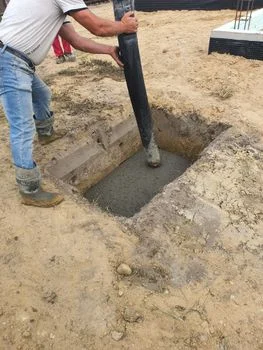
Port Harcourt’s persistent flooding challenges demand a proactive approach to wastewater system design, focusing on resilience and operational continuity. Standard above-ground installations are highly vulnerable, necessitating specific engineering specifications to ensure treatment systems can withstand inundation and continue functioning during adverse weather events.
Key design considerations for flood-resistant systems include:
- Elevation Requirements: Control panels and electrical components must be installed at a minimum of 1.5 meters above grade. Pumps should be set at least 0.5 meters above the projected 100-year flood level, referencing data from the Federal Ministry of Environment (FMEnv) Port Harcourt flood maps. This ensures critical operational elements remain above water during peak flood conditions.
- Material Specifications: In coastal areas like Onne and Okrika, where saltwater intrusion is prevalent, 316L stainless steel is recommended for tanks, piping, and structural components to combat corrosion rates that can reach 0.5 mm/year with standard carbon steel. Inland zones, such as Trans Amadi, can utilize Fiberglass Reinforced Plastic (FRP) for its excellent corrosion resistance and lighter weight.
- Power Backup Systems: To counter the frequent power outages (12–18 hours/day), robust backup power is essential. This includes installing 30 kVA diesel generators with automatic start capabilities, costing approximately ₦8 million, or investing in 50 kW solar arrays with battery storage (e.g., 48V, 200Ah batteries), which can cost around ₦15 million. These systems ensure continuous aeration and operation of critical pumps and controls.
- Flood Detection and Early Warning: Implementing ultrasonic level sensors, such as the Siemens SITRANS Probe LU, with SMS alert functionalities (approximately ₦350,000 per sensor), can provide early warnings of rising water levels in tanks or surrounding areas. This allows operators to take preventative measures, such as shutting down systems or initiating emergency pumping protocols, to prevent overflows and equipment damage. For critical chemical control, PLC-controlled chemical dosing for NESREA compliance ensures precise and reliable operation.
Step-by-Step NESREA Compliance Checklist for Port Harcourt Facilities
Achieving and maintaining NESREA compliance requires a systematic approach. This checklist provides a clear roadmap for Port Harcourt industrial facilities to navigate the audit process and ensure continuous adherence to environmental regulations, thereby avoiding the 68% audit failure rate reported for facilities in the region (Hydropurewater, 2023).
- Pre-Audit Preparation:
- Conduct a comprehensive third-party effluent test to establish a baseline. Budget approximately ₦120,000 for this service.
- Install continuous pH and flow meters. These systems can range from ₦2.5 million and are crucial for real-time monitoring.
- Ensure staff are trained on NESREA’s e-Portal for reporting requirements. Training is typically provided free of charge by regulatory bodies or consultants.
- Documentation Management:
- Maintain meticulous records of all effluent tests, chemical dosing logs, and maintenance reports for at least 24 months. This documentation is vital for demonstrating ongoing compliance.
- Develop standardized templates for these records to ensure consistency and ease of retrieval during audits.
- On-Site Audit Readiness:
- Ensure all monitoring equipment (pH/flow meters) is tamper-proof and calibrated.
- Verify that sampling ports are clearly labeled and accessible for inspectors.
- Review and ensure that emergency shutdown procedures are clearly documented and understood by operational staff. Common audit failures, with 40% attributed to missing logs, highlight the importance of thorough record-keeping.
- Post-Audit and Continuous Compliance:
- Submit quarterly compliance reports through the NESREA e-Portal as mandated.
- If violations are identified, schedule and complete follow-up tests within 30 days to demonstrate corrective actions. Failure to do so can lead to escalating penalties, from the initial ₦5 million fine to facility shutdown.
Cost Breakdown: CAPEX, OPEX, and ROI for Port Harcourt Wastewater Systems

Budgeting for industrial wastewater treatment in Port Harcourt requires a clear understanding of both initial capital expenditure (CAPEX) and ongoing operational expenditure (OPEX), alongside a robust return on investment (ROI) calculation that accounts for avoided penalties and operational efficiencies.
CAPEX Benchmarks (approximate):
| System Type | Capacity (m³/day) | Estimated CAPEX (₦) |
|---|---|---|
| Package Plants | 20–50 | 45,000,000 – 90,000,000 |
| DAF Systems | 50–100 | 60,000,000 – 120,000,000 |
| MBR Systems | 50–100 | 80,000,000 – 150,000,000 |
OPEX Breakdown (annual estimates per 50 m³/day system):
- Energy: ₦1.2 million – ₦3 million (depending on technology and power backup usage)
- Chemicals: ₦1.5 million – ₦4 million (coagulants, disinfectants, etc.)
- Labor: ₦2.4 million (for 2 operators)
- Maintenance: ₦3 million (spare parts, servicing)
Return on Investment (ROI) Calculation: The ROI is primarily driven by avoiding significant fines. With potential fines of ₦15 million per violation, a well-designed system can pay for itself within 1-3 years simply by preventing non-compliance. advanced systems like MBR can reduce sludge disposal costs by up to 40%, contributing to further operational savings. For instance, investing in DAF systems for Port Harcourt’s high-FOG effluents can significantly reduce costs associated with FOG removal and disposal compared to less efficient methods.
Financing Options: The Bank of Industry (BOI) offers low-interest loans up to ₦50 million for environmental projects. These loans typically feature flexible repayment terms, making substantial investments more accessible for industrial facilities seeking to upgrade their wastewater treatment capabilities.
Frequently Asked Questions
Q: What’s the cheapest way to meet NESREA standards in Port Harcourt?
A: A 20 m³/day package plant (₦45M CAPEX) meets BOD <30 mg/L for food processing effluents. Adding a chemical dosing system (₦5M) can reduce ammonia from 40 mg/L to <5 mg/L, avoiding ₦5M fines. This offers a cost-effective initial solution for standard compliance.
Q: How do I choose between DAF and MBR for my petrochemical plant?
A: For petrochemicals with high BOD and potential oil/grease, an MBR system offers superior overall effluent quality and pathogen removal (99%+ TSS). While CAPEX is higher, its advanced treatment capabilities ensure consistent NESREA compliance. DAF is better suited for high FOG, less so for complex petrochemical compounds.
Q: Can my existing treatment system be upgraded to withstand Port Harcourt’s floods?
A: Upgrades can include elevating control panels to 1.5m, installing submersible pumps, and ensuring all electrical components are IP68 rated. Integrating flood sensors with SMS alerts is also crucial. For complete flood resilience, consider replacing vulnerable components with flood-resistant package plants for Port Harcourt’s high water table.
Q: What are the typical operational costs for an MBR system in Port Harcourt?
A: For a 50 m³/day MBR system, annual OPEX can range from ₦6.9 million to ₦10.4 million, covering energy (₦1.2M–₦3M), chemicals (₦1.5M–₦4M), labor (₦2.4M), and maintenance (₦3M). This is higher than DAF or package plants but justified by superior effluent quality and smaller footprint.