Why Noida Hospitals Face Urgent Wastewater Treatment Challenges in 2025
Hospitals in Noida must treat wastewater to meet UPPCB’s 2025 discharge limits (COD ≤ 250 mg/L, BOD ≤ 30 mg/L, TSS ≤ 100 mg/L, fecal coliform ≤ 100 MPN/100 mL). A 300-bed hospital generates ~200–300 KLD of wastewater containing pathogens (99.9% removal required), pharmaceutical residues (≤ 1 mg/L), and heavy metals (≤ 0.1 mg/L for Cr⁶⁺). MBR systems achieve 95%+ COD removal in a 60% smaller footprint than conventional STPs, while CETP plants (like the 30 KLD unit at Motherland Hospital) offer cost-sharing for smaller facilities. Failure to meet these standards results in severe legal and financial repercussions, as evidenced by a ₹8.5 lakh penalty imposed on a Noida hospital in 2023 for exceeding COD limits during a surprise UPPCB inspection. Beyond local fines, hospitals must align with global benchmarks for hospital wastewater treatment compliance to ensure sustainable operations.
The urgency is driven by the environmental impact on the Yamuna River basin. Untreated hospital effluent spreads antibiotic-resistant bacteria (ARBs) and persistent pharmaceutical residues, such as diclofenac and carbamazepine, into local water bodies. A 2024 study by TERI confirmed that hospital discharge is a primary vector for multi-drug resistant pathogens in Noida’s urban runoff. For facility managers, the risk is not merely environmental; UPPCB’s 2023 annual report indicates that repeated non-compliance leads to the immediate suspension of hospital operating licenses. This regulatory environment necessitates a shift from basic filtration to advanced, integrated treatment systems that guarantee effluent quality regardless of influent fluctuations.
Hospital Wastewater Contaminants: Engineering Specs and Removal Targets
Hospital wastewater contains a complex mixture of biological pathogens and chemical compounds that require 99.99% removal to meet WHO 2024 safety guidelines. Unlike municipal sewage, hospital effluent is characterized by high concentrations of fecal coliform (10⁵–10⁷ MPN/100 mL) and specific medical contaminants that bypass standard biological treatment. Engineering a system requires understanding how medical wastewater treatment systems work to neutralize these specific threats. For instance, pharmaceutical residues like ciprofloxacin and carbamazepine require extended sludge age (MCRT) or advanced oxidation to degrade effectively.
Heavy metals from pathology labs and X-ray departments, including Hexavalent Chromium (Cr⁶⁺) and Mercury (Hg), pose significant toxicity risks. UPPCB standards mandate Cr⁶⁺ levels below 0.1 mg/L, necessitating chemical precipitation or ion exchange stages within the treatment train. To achieve these targets, process parameters must be strictly controlled: Hydraulic Retention Time (HRT) should typically range between 8 to 12 hours for biological stability, while disinfection contact time (CT) must be sufficient to ensure a 4-log reduction in viral and bacterial loads.
| Contaminant Parameter | Inlet Range (Noida Avg) | UPPCB 2025 Limit | Required Removal % |
|---|---|---|---|
| Biological Oxygen Demand (BOD) | 200–500 mg/L | ≤ 30 mg/L | 90–94% |
| Chemical Oxygen Demand (COD) | 500–1,200 mg/L | ≤ 250 mg/L | 75–80% |
| Total Suspended Solids (TSS) | 150–400 mg/L | ≤ 100 mg/L | 75% |
| Fecal Coliform | 10⁵–10⁷ MPN/100 mL | ≤ 100 MPN/100 mL | 99.99% |
| Chromium (Hexavalent) | 0.5–2.0 mg/L | ≤ 0.1 mg/L | 95% |
| Pharmaceutical Residues | 5–20 mg/L | ≤ 1.0 mg/L | 90% |
Treatment Technologies Compared: STP vs. ETP vs. MBR vs. CETP for Noida Hospitals
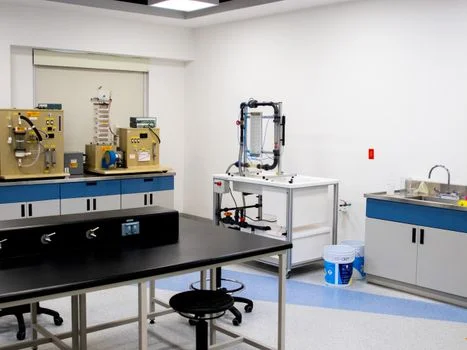
MBR systems achieve 95–98% COD removal and 99.9% pathogen removal, making them the superior choice for meeting stringent 2025 Noida standards. Conventional Sewage Treatment Plants (STP) using the Anoxic/Oxic (A/O) process are cost-effective for general waste but often fail to remove pharmaceutical residues, achieving only about 50% removal for complex organic molecules. For high-performance requirements, MBR systems for hospital wastewater treatment in Noida provide a compact solution that combines biological degradation with membrane filtration (0.1 μm pore size), effectively replacing secondary clarifiers and sand filters.
Effluent Treatment Plants (ETP) are necessary for hospitals with large laboratory and oncology departments where heavy metal concentrations are high. ETPs utilize chemical coagulation and flocculation to remove inorganic toxins, though they require 20% more physical space than MBRs and involve higher operational costs due to chemical consumption. For smaller clinics with limited budgets, compact medical wastewater treatment systems for Noida clinics offer a modular approach to compliance. Alternatively, Common Effluent Treatment Plants (CETP) allow multiple small facilities to share a centralized treatment unit, reducing individual CAPEX by up to 40%.
| Technology | Footprint | COD Removal % | CAPEX (per KLD) | Best For |
|---|---|---|---|---|
| Conventional STP | Large | 85–90% | ₹8–10 Lakh | General sewage, low-budget |
| ETP (Chemical + Bio) | Medium | 90–95% | ₹10–12 Lakh | Lab waste, heavy metals |
| MBR (Membrane Bio) | Ultra-Compact | 95–98% | ₹12–15 Lakh | Space-constrained, reuse |
| CETP (Shared) | N/A (Off-site) | 90% | ₹5–7 Lakh | Small hospitals (<100 beds) |
Disinfection is the final critical stage. While traditional chlorination is common, it can produce harmful trihalomethanes (THMs). Modern Noida hospitals are shifting toward Chlorine Dioxide, which offers a 99.9% kill rate without toxic byproducts, or UV disinfection, which provides immediate pathogen inactivation but lacks residual protection. Ozone treatment remains the most effective for degrading recalcitrant pharmaceuticals but carries the highest energy cost.
Step-by-Step System Selection: Matching Your Hospital’s Needs to the Right Technology
Hospital size and specific contaminant profile dictate the selection of treatment architecture under UPPCB guidelines. For facilities with fewer than 100 beds, a CETP connection or a compact, skid-mounted MBR is typically the most efficient route to compliance. Larger institutions with over 300 beds often require a hybrid approach, combining ETP processes for laboratory waste with MBR for general ward sewage to optimize both footprint and water quality for reuse. In urban Noida, where land prices are high, underground STP plants for space-constrained Noida hospitals allow the surface area to be used for parking or green zones while maintaining full compliance.
The selection process should also prioritize disinfection efficacy. High-traffic hospitals must implement robust sterilization to prevent the release of infectious agents. Utilizing chlorine dioxide generators for hospital effluent disinfection ensures that the discharge is safe for municipal sewers or landscaping reuse. Decision-makers should evaluate if the facility requires Zero Liquid Discharge (ZLD) status, which would mandate additional stages like Reverse Osmosis (RO) and Evaporators, or if treated water reuse for cooling towers and flushing is sufficient to achieve ROI goals.
- Step 1: Audit Waste Streams. Separate high-load lab waste from domestic sewage to reduce the size of specialized ETP components.
- Step 2: Assess Space. If land is limited, MBR is the only viable option to meet 2025 limits within a small footprint.
- Step 3: Define Reuse Goals. If water reuse is intended for HVAC cooling, MBR treatment is mandatory to prevent bio-fouling.
- Step 4: Evaluate Budget. Balance initial CAPEX against a 5-year OPEX projection. MBR has higher CAPEX but lower water procurement costs.
2025 Cost Breakdown: CAPEX, OPEX, and ROI for Hospital Wastewater Treatment in Noida
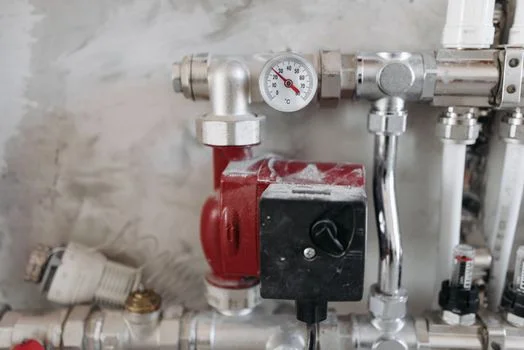
The average CAPEX for a 200 KLD MBR system in Noida ranges between ₹24–30 lakh, with an ROI achieved within 3–5 years through water reuse. While the initial investment for MBR is approximately 20–30% higher than a conventional STP, the operational savings are significant. By reusing treated effluent for landscaping, toilet flushing, and cooling towers, a 200 KLD facility can save between ₹5–8 lakh annually in water procurement costs. UP’s ‘Clean Ganga Mission’ provides a 30% subsidy for advanced MBR or ETP installations in healthcare facilities, significantly lowering the entry barrier for procurement teams.
Operating expenses (OPEX) are primarily driven by energy consumption, chemical dosing, and maintenance. MBR systems typically have higher energy requirements due to membrane scouring air, but they eliminate the need for secondary clarifier maintenance. When evaluating pretreatment options, facility managers should consider the DAF vs. IAF systems for hospital wastewater pretreatment to manage fats, oils, and greases (FOG) from hospital kitchens, which can otherwise foul expensive membranes and increase OPEX.
| System Capacity | Technology | Estimated CAPEX | OPEX (per m³) |
|---|---|---|---|
| 50 KLD | Compact MBR | ₹10–12 Lakh | ₹1.2–1.5 |
| 100 KLD | MBR / ETP Hybrid | ₹15–18 Lakh | ₹1.0–1.3 |
| 200 KLD | MBR | ₹24–30 Lakh | ₹0.9–1.2 |
| 500 KLD | A/O STP + UF | ₹45–55 Lakh | ₹0.7–0.9 |
Hidden costs must be factored into the 10-year lifecycle plan. For MBR systems, membrane replacement (typically every 5–7 years) costs roughly ₹2–3 lakh for a 200 KLD plant. Annual Maintenance Contracts (AMC) generally range from 10% to 15% of the initial CAPEX, covering regular sensor calibration, pump servicing, and compliance reporting. Ignoring these costs can lead to system failure and subsequent UPPCB penalties that far exceed the maintenance budget.
UPPCB Compliance Checklist: Zero-Risk Approval for Your Hospital’s Treatment Plant
UPPCB requires a Detailed Project Report (DPR) and a Consent to Establish (CTE) before any wastewater treatment equipment can be installed in a Noida healthcare facility. The DPR must include comprehensive process flow diagrams, mass balance calculations, and specific equipment certifications (ISO/CE). During the construction phase, civil works must adhere to IS 456:2000 standards to ensure structural integrity and leak prevention, which are key focus areas during UPPCB inspections.
Post-installation, a Consent to Operate (CTO) is mandatory. This requires performance testing by a UPPCB-authorized laboratory to verify that the effluent meets the BOD, COD, and fecal coliform limits. Hospitals must also implement a Monthly Self-Monitoring Report (SMR) system. Failure to submit these reports or exceeding discharge limits can lead to fines ranging from ₹1 lakh to ₹10 lakh per offense. A zero-risk approach involves installing online continuous emission monitoring systems (OCEMS) that provide real-time data to both the hospital management and the UPPCB servers, ensuring transparency and immediate corrective action in case of process deviations.
Frequently Asked Questions
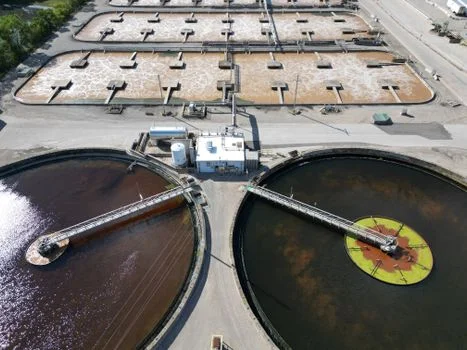
What is the best wastewater treatment system for a 150-bed hospital in Noida?
For a 150-bed facility (~150 KLD), an MBR (Membrane Bioreactor) system is the most effective. It ensures compliance with the strict UPPCB fecal coliform and BOD limits within a compact footprint. The CAPEX for such a system typically ranges from ₹18–22 lakh, with an OPEX of ₹1.0–1.3 per cubic meter treated.
How much does a 30 KLD CETP plant cost in Noida?
A shared 30 KLD CETP plant, such as the one at Motherland Hospital, costs approximately ₹5–7 lakh per KLD for the participating members. For a private, standalone 30 KLD plant, the cost increases to ₹8–10 lakh per KLD due to the lack of shared civil infrastructure and mobilization costs.
Can hospital wastewater be reused for landscaping in Noida?
Yes, under UPPCB’s 2024 reuse guidelines, treated effluent can be used for landscaping and cooling towers if the COD is ≤ 50 mg/L and BOD is ≤ 10 mg/L. MBR systems naturally achieve these levels. However, high-level disinfection, preferably using chlorine dioxide or UV, is required to ensure no pathogens are aerosolized during irrigation.
What are the UPPCB penalties for non-compliant hospital wastewater discharge?
Penalties start at ₹1 lakh for a first-time minor violation. Serious or repeat offenses can lead to fines of up to ₹10 lakh and the revocation of the hospital’s license to operate. In 2023 alone, 47 hospitals in the Noida-Greater Noida region were penalized for failing to meet discharge standards.
How often should MBR membranes be replaced?
High-quality PVDF membranes with a 0.1 μm pore size typically last 5 to 7 years. Replacement is necessary if the Transmembrane Pressure (TMP) consistently exceeds 0.5 bar despite regular backwashing and chemical cleaning (CIP), or if the permeate flux drops below 15 LMH (liters per square meter per hour).