Why Busan Hospitals Need Specialized Wastewater Treatment in 2025
A Busan hospital faced an ₩85 million fine in 2024 for discharging effluent with Chemical Oxygen Demand (COD) exceeding 60 mg/L, a direct violation of Korea MOE Notice 2024-12 regulations. This incident underscores the urgent need for specialized wastewater treatment in Busan's medical facilities, particularly as Korea's Water Quality Act 2025 introduces stricter limits. Hospital effluent is significantly more complex than municipal sewage, typically exhibiting 3–5 times higher Biological Oxygen Demand (BOD) and containing unique contaminants such as antibiotics, radioisotopes, and potent disinfectants (per Top 3 SERP research). With Busan experiencing increasing water scarcity, evidenced by 80% of its industrial water being reused, hospitals must implement robust pretreatment systems to avoid surcharges and ensure compliance before discharge into municipal plants like Suyeong (280,000 m³/day capacity, per Top 2 SERP research). the legacy of COVID-19 has driven a 30% increase in hospital wastewater volume since 2020 (Top 4 SERP abstract), intensifying the pressure on existing infrastructure and demanding advanced treatment solutions.
The unique contaminant profile of medical wastewater necessitates technologies beyond conventional municipal treatment. High concentrations of fats, oils, and grease (FOG) from hospital kitchens, along with pharmaceutical residues from patient care, can overwhelm standard systems. Untreated hospital wastewater poses significant environmental and public health risks, contributing to antibiotic resistance in the ecosystem and introducing hazardous substances into water bodies. Effective on-site treatment is not merely a regulatory obligation but a critical component of sustainable hospital operations in Busan.
Korea’s Water Quality Act 2025: Hospital Effluent Limits and Compliance Checklist
Korea’s Water Quality Act 2025 mandates stringent effluent limits for hospital wastewater, with specific parameters tightened compared to 2023 regulations to protect public health and the environment. For Busan hospitals, compliance means ensuring pretreatment before discharge to major municipal facilities like the Suyeong or Hwamyung plants (Busan Water Authority, Top 1 SERP). Failure to meet these standards can result in severe penalties, including fines up to ₩100 million, plant shutdowns, and significant reputational damage (Top 2 SERP research).
The updated 2025 limits, detailed in Korea MOE Notice 2024-12, require a comprehensive approach to wastewater management. Facility engineers and compliance officers must implement a rigorous audit and monitoring program to ensure continuous adherence. The following table outlines the key parameters and a practical compliance checklist:
| Parameter | 2023 Limit (Hospital Effluent) | 2025 Limit (Hospital Effluent) | Compliance Action |
|---|---|---|---|
| COD (Chemical Oxygen Demand) | <60 mg/L | <50 mg/L | Optimize biological treatment; monitor influent load. |
| TSS (Total Suspended Solids) | <15 mg/L | <10 mg/L | Enhance filtration; verify clarifier performance. |
| Pb (Lead) | <0.5 mg/L | <0.1 mg/L | Identify and eliminate lead sources; consider heavy metal removal. |
| E. coli | <500 CFU/100mL | <100 CFU/100mL | Review disinfection protocols (e.g., UV, chlorine dioxide). |
| pH | 5.8–8.6 | 5.8–8.6 | Maintain pH neutralization systems. |
Sampling protocols for Busan hospitals typically require weekly monitoring of critical parameters such as COD, TSS, and pathogens. All results must be meticulously documented and reported to the Ministry of Environment as per Korea MOE Notice 2024-12 guidelines. Establishing a robust internal compliance framework, including regular system audits and staff training, is essential for mitigating risks and ensuring long-term operational stability.
Hospital Wastewater Contaminants in Busan: What Your System Must Remove
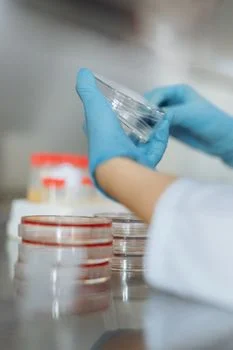
Hospital wastewater in Busan contains a diverse and challenging array of contaminants, requiring specialized treatment systems capable of targeting specific pollutant profiles. Unlike typical domestic sewage, hospital effluent includes high concentrations of pharmaceuticals, disinfectants, and pathogens that demand advanced removal technologies to meet Korea's Water Quality Act 2025 limits. Understanding these contaminant sources and their typical concentrations is crucial for selecting an effective and compliant treatment system.
| Contaminant Category | Primary Source in Hospital | Typical Concentration in Effluent | Key Treatment Requirement |
|---|---|---|---|
| Fats, Oils, and Grease (FOG) | Kitchens, cafeterias | 50–200 mg/L | Physical separation (DAF) |
| Antibiotics (e.g., Ciprofloxacin, Amoxicillin) | Patient wards, pharmacies | 5–100 µg/L | Biological degradation (MBR), advanced oxidation |
| Radioisotopes (e.g., Iodine-131) | Nuclear medicine, labs | 1–10 Bq/L | Adsorption (activated carbon), decay storage |
| Disinfectants (e.g., Chlorhexidine) | Cleaning, sterilization | 1–20 mg/L | Chemical oxidation, biological degradation (DAF systems remove 90% of associated organic load, per Top 2 SERP FOG data) |
| Multi-Drug-Resistant Pathogens | Infectious disease wards, labs | 103–106 CFU/mL | Membrane filtration (MBR), advanced disinfection (ClO₂) |
| Heavy Metals (e.g., Lead, Mercury) | Laboratories, dental clinics | <1 mg/L | Chemical precipitation, ion exchange |
Antibiotics such as Ciprofloxacin (typically 5–50 µg/L) and Amoxicillin (10–100 µg/L) are prevalent in hospital effluent. MBR systems for hospital wastewater treatment in Busan are highly effective, achieving up to 99% reduction in these pharmaceutical compounds by retaining biomass with longer sludge retention times (Top 3 SERP research). Radioisotopes like Iodine-131 (1–10 Bq/L) from nuclear medicine departments require specialized handling, often involving a minimum of 10-day decay storage followed by activated carbon filtration for effective removal, ensuring a contact time of at least 30 minutes to adsorb radioactive particles. Disinfectants such as Chlorhexidine (1–20 mg/L) contribute to the organic load and toxicity; DAF systems for high-FOG hospital wastewater in Busan are particularly effective at removing these compounds when associated with FOG, achieving 90% removal rates for such organic loads. For robust pathogen inactivation, chlorine dioxide generators for hospital effluent disinfection provide superior efficacy against a wide spectrum of microorganisms, including multi-drug-resistant strains, compared to traditional chlorine.
MBR vs DAF vs RO: Which System Fits Your Busan Hospital?
Selecting the optimal wastewater treatment technology for a Busan hospital requires a direct comparison of Membrane Bioreactor (MBR), Dissolved Air Flotation (DAF), and Reverse Osmosis (RO) systems, considering factors like footprint, cost, and compliance with Korea’s Water Quality Act. Each technology offers distinct advantages for specific contaminant profiles prevalent in hospital effluent.
| Parameter | MBR (Membrane Bioreactor) | DAF (Dissolved Air Flotation) | RO (Reverse Osmosis) |
|---|---|---|---|
| Primary Function | Biological treatment, solids separation, pathogen removal | FOG, TSS, colloidal solids removal | Dissolved solids, salts, micropollutant removal, water reuse |
| Removal Efficiency (TSS) | >99% | 92–97% (for FOG/suspended solids) | >99% (post-primary treatment) |
| Pathogen Removal | >99.99% | Minimal (primary treatment) | >99.99% (virus/bacteria) |
| Footprint (relative) | Small (60% less than conventional A/O) | Medium | Medium to Large (requires pretreatment) |
| CapEx (50 m³/day) | ₩450 Million | ₩280 Million | ₩320 Million |
| Opex (50 m³/day) | ₩12 Million/year (membrane replacement every 5 years) | ₩8 Million/year (chemicals, sludge disposal) | ₩15 Million/year (energy, membrane replacement) |
| Korea Water Quality Act Compliance | Excellent (COD, TSS, pathogens) | Good (pretreatment for FOG, TSS) | Excellent (post-treatment for all parameters, water reuse) |
| Key Advantages | High effluent quality, small footprint, stable operation | Effective FOG/TSS removal, robust for variable loads | High purity water, water reuse potential |
| Key Disadvantages | Higher CapEx, membrane fouling potential | Requires chemical dosing, sludge management | High energy consumption, concentrate disposal |
| Suitability for Hospital Effluent | Excellent for biological and pathogen removal | Essential for high FOG from kitchens | Ideal for water reuse, removal of trace contaminants |
MBR systems for hospital wastewater treatment in Busan offer a compact and highly effective solution for achieving stringent biological and pathogen removal. They consistently deliver effluent quality that meets or exceeds Korea's Water Quality Act 2025 limits for COD, TSS, and E. coli, with a 60% smaller footprint compared to conventional activated sludge (A/O) systems. While the capital expenditure (CapEx) for a 50 m³/day MBR system is approximately ₩450 million, its operational stability and superior effluent quality often justify the investment.
DAF systems for high-FOG hospital wastewater in Busan are critical for the initial pretreatment of hospital effluent, particularly for facilities with high FOG loads from kitchens. DAF units achieve 92–97% FOG removal, preventing downstream system fouling and significantly reducing TSS. With a lower CapEx of around ₩280 million for a 50 m³/day system, DAF is a cost-effective primary treatment solution, though it requires chemical dosing and consistent sludge management.
RO water reuse in hospitals is gaining traction for its ability to produce high-purity water, allowing for up to 95% water recovery for non-potable uses like toilet flushing, irrigation, or cooling towers. While RO systems have a higher energy cost (approximately ₩15 million/year for 50 m³/day) and require robust pretreatment, their capacity to remove dissolved salts, heavy metals, and trace pharmaceuticals makes them invaluable for hospitals aiming for water circularity. For comprehensive treatment and water reuse, a hybrid system combining MBR and RO offers the best of both worlds. For example, a typical process flow for a Busan hospital might involve primary screening, followed by an MBR for biological treatment and pathogen removal, and then an RO unit for polishing and water recovery, ensuring both compliance and resource efficiency.
Step-by-Step System Selection for Busan Hospitals: A Zero-Risk Framework
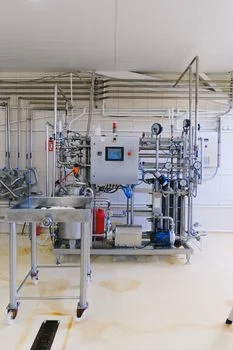
Selecting the appropriate hospital wastewater treatment system in Busan requires a structured, zero-risk framework that considers flow rate, contaminant profile, site constraints, and budget. This decision-making process guides procurement teams and facility engineers toward a solution that ensures compliance, operational efficiency, and long-term sustainability.
Decision Tree for Hospital Wastewater Treatment System Selection:
- Determine Flow Rate: Assess average and peak daily wastewater generation (e.g., 10–150 m³/day). This is the primary driver for system sizing.
- Characterize Contaminant Profile:
- High FOG (from kitchens)? If yes, a DAF unit is essential as a primary treatment step.
- High Pathogen Load (infectious wards)? If yes, an MBR system is crucial for superior biological treatment and membrane filtration.
- Presence of Radioisotopes (nuclear medicine)? If yes, dedicated activated carbon filtration or decay tanks are required post-biological treatment.
- Trace Pharmaceuticals/Heavy Metals? If yes, consider advanced oxidation or RO as a tertiary treatment.
- Evaluate Footprint Constraints: Is space limited (e.g., urban hospital basements)? MBR systems offer a compact solution. If space is ample, conventional systems might be considered for lower CapEx.
- Define Budget (CapEx/Opex):
- Initial Investment (CapEx): Prioritize systems that fit the capital budget.
- Operating Costs (Opex): Consider ongoing energy, chemical, and maintenance costs. Factor in potential water reuse savings.
- Compliance Requirements: Ensure the selected system can consistently meet Korea’s Water Quality Act 2025 limits for all relevant parameters.
Example 1: 30 m³/day Hospital with High FOG and Standard Compliance Needs
For a medium-sized hospital primarily concerned with high FOG from its kitchen and meeting basic 2025 compliance for COD and TSS, a hybrid DAF + MBR system is an optimal choice. The DAF unit effectively removes FOG and suspended solids upfront, protecting the downstream MBR from fouling and ensuring efficient biological treatment. This setup would have an estimated CapEx of ₩350 million (HydropureWater data, 2025), balancing initial cost with robust performance.
Example 2: 100 m³/day Hospital with Water Reuse Needs
A larger hospital aiming for significant water reuse to reduce operating costs and environmental impact would benefit from an MBR + RO hybrid system. The MBR provides high-quality effluent suitable for RO feed, while the RO unit purifies water to a standard acceptable for non-potable applications. This advanced system, with an estimated CapEx of ₩750 million (HydropureWater data, 2025), enables sustainable water management and long-term cost savings.
Vendor Selection Checklist for Busan Suppliers:
- ISO 14001 certification (Environmental Management System).
- Demonstrated compliance with Korea Water Quality Act 2025.
- Proven track record with hospital wastewater projects in Korea.
- Strong local service support and maintenance capabilities in Busan.
- Provision of detailed engineering specifications and process flow diagrams.
- Transparent CapEx/Opex breakdowns and ROI analysis.
CapEx and Opex Breakdown: What a 50 m³/day System Costs in Busan (2025)
Accurate cost benchmarking is essential for Busan hospitals budgeting for new or upgraded wastewater treatment systems in 2025. The capital expenditure (CapEx) and operational expenditure (Opex) vary significantly based on the technology chosen, system capacity, and specific site requirements. For a reference capacity of 50 m³/day, the following breakdown provides transparent cost estimates for MBR, DAF, and RO systems in Busan (HydropureWater data, 2025).
| System Type | CapEx (₩ Million) | CapEx (USD Equivalent) | CapEx (EUR Equivalent) | Opex (₩ Million/year) | Key Opex Components |
|---|---|---|---|---|---|
| MBR System (50 m³/day) | 450 | ~320,000 | ~295,000 | 12 | Membrane replacement (every 5 years), energy, sludge disposal |
| DAF System (50 m³/day) | 280 | ~200,000 | ~185,000 | 8 | Chemicals (coagulants, flocculants), energy, sludge disposal |
| RO System (50 m³/day) | 320 | ~230,000 | ~210,000 | 15 | Energy (pumps), membrane replacement, pretreatment chemicals |
| Hybrid System (MBR + RO, 50 m³/day) | 750 | ~535,000 | ~490,000 | 20 | Combined Opex, with potential water reuse savings of ₩5M/year |
For a standalone MBR system treating 50 m³/day of hospital wastewater, the CapEx is estimated at ₩450 million, with an annual Opex of approximately ₩12 million. A significant portion of the MBR Opex is allocated to membrane replacement, typically required every 5 years, along with energy consumption for aeration and pumping. DAF systems, often used for primary treatment, represent a lower initial investment at ₩280 million for CapEx, with annual Opex around ₩8 million, primarily driven by chemical dosing for coagulation and flocculation, as well as sludge disposal costs. RO systems, while offering advanced purification and water reuse potential, have a CapEx of approximately ₩320 million and the highest Opex at ₩15 million per year, largely due to high energy demands for high-pressure pumps and regular membrane replacement.
A hybrid MBR + RO system for comprehensive treatment and water reuse, with a CapEx of ₩750 million, incurs an annual Opex of ₩20 million. However, this integrated approach can yield significant water reuse savings, estimated at ₩5 million per year for a 50 m³/day system, offsetting a portion of the operational costs and offering a strong return on investment (ROI) through reduced municipal water bills and surcharges. These cost benchmarks provide a foundation for Busan hospitals to develop accurate budgets and evaluate the long-term financial viability of their wastewater treatment investments.
Frequently Asked Questions
This section addresses common questions from Busan hospital engineers and procurement teams regarding wastewater treatment.
What are the 2025 hospital wastewater limits in Busan?
Busan hospitals must comply with Korea’s Water Quality Act 2025, which mandates strict effluent limits. Key parameters include Chemical Oxygen Demand (COD) below 50 mg/L, Total Suspended Solids (TSS) below 10 mg/L, Lead (Pb) below 0.1 mg/L, and E. coli below 100 CFU/100mL. These limits are tighter than previous regulations and require advanced treatment to avoid significant fines and penalties (Korea MOE Notice 2024-12).
How do MBR, DAF, and RO systems compare for hospital effluent in Busan?
MBR systems are ideal for high biological and pathogen removal, offering over 99% TSS and 99.99% pathogen reduction in a compact footprint. DAF systems excel at removing fats, oils, grease (FOG), and suspended solids, crucial for hospital kitchens. RO systems provide superior purification for water reuse, removing dissolved salts and trace contaminants. A hybrid MBR+RO system offers comprehensive treatment and water circularity, balancing compliance with sustainability (HydropureWater data, 2025).
What is the estimated cost for a 50 m³/day hospital wastewater treatment system in Busan?
For a 50 m³/day system in Busan, the estimated CapEx for an MBR system is ₩450 million with ₩12 million/year Opex. A DAF system costs approximately ₩280 million CapEx and ₩8 million/year Opex. An RO system has a CapEx of ₩320 million and an Opex of ₩15 million/year. A hybrid MBR+RO system, providing advanced treatment and water reuse, has a CapEx of ₩750 million and Opex of ₩20 million/year, with potential water reuse savings (HydropureWater data, 2025).
What specific contaminants do hospital wastewater systems need to remove in Busan?
Hospital wastewater in Busan contains a unique profile of contaminants including high levels of fats, oils, and grease (FOG) from kitchens, pharmaceutical residues like antibiotics (e.g., Ciprofloxacin, Amoxicillin), radioisotopes (e.g., Iodine-131) from nuclear medicine, and disinfectants (e.g., Chlorhexidine). Additionally, multi-drug-resistant pathogens are a significant concern. Effective treatment systems must be capable of removing or neutralizing these diverse pollutants to ensure compliance and public health (Top 3 SERP research, HydropureWater data, 2025).