Nagoya’s Sewerage Infrastructure: How It Dictates Your Equipment Choice
Nagoya’s 15 wastewater treatment plants process 1 million m³/day, but 60% of the city’s sewerage remains combined—posing unique challenges for industrial buyers. This infrastructure split means that equipment selection cannot follow a one-size-fits-all approach. In the 60% of Nagoya served by combined sewerage systems (mainly the central urban districts), wastewater and rainwater flow through the same pipes. For an industrial facility manager, this necessitates equipment with significant stormwater surge capacity, such as oversized equalization tanks, to prevent biomass washout during Nagoya’s heavy rainy seasons. Conversely, the 40% of the city using separate sewerage systems—predominantly in the northern Shonai River region and the eastern hill developments—allows for more compact, high-efficiency filtration systems because hydraulic loads remain relatively stable regardless of precipitation.
Topography further complicates equipment specs in Nagoya. The eastern hill region’s elevation changes require specific lift station configurations and pressure-rated influent manifolds. Facilities in these areas often prioritize high-efficiency filtration to meet the strict effluent limits of the Japan Water Pollution Control Act, where COD must remain ≤120 mg/L. In combined areas, the primary technical hurdle is Total Suspended Solids (TSS) management. During storm events, TSS in combined sewers can spike above 500 mg/L, requiring robust primary clarification or DAF systems for Nagoya’s combined sewerage challenges to protect downstream biological processes. Selecting equipment without accounting for these localized hydraulic realities often leads to permit violations within the first 12 months of operation.
| Sewerage Zone (Nagoya) | Infrastructure Type | Primary Technical Challenge | Recommended Equipment Spec |
|---|---|---|---|
| Central Urban Districts | Combined (60%) | Stormwater surges, TSS >500 mg/L | Equalization tanks (3x peak flow), DAF |
| Northern / Eastern Hills | Separate (40%) | High COD removal, space constraints | MBR systems, high-rate aerobic reactors |
| Shonai River Basin | Separate | Strict nutrient (N/P) limits | Anoxic/Oxic (A/O) modular units |
Top Sewage Treatment Equipment Suppliers in Nagoya: Local vs Global Comparison
Local manufacturers in Nagoya produce approximately 40,000 to 50,000 onsite treatment systems annually, largely dominating the domestic and small-scale commercial markets. Companies such as Fuji Clean, Sinto, and Hitachi Plant Services have established deep roots in the Chubu region, offering systems that are pre-certified for Japan’s Water Pollution Control Act. These local suppliers are the gold standard for onsite domestic wastewater (jokaso), but industrial buyers often face lead times of 16 to 24 weeks for custom-engineered solutions. For facility managers facing urgent compliance deadlines or requiring modular scalability, global suppliers have become a critical alternative.
Global manufacturers offer modular industrial systems with significantly faster lead times, often ranging from 8 to 12 weeks. These systems, such as MBR systems for Nagoya’s high-efficiency needs, provide superior filtration rates, often achieving sub-1 μm particle separation. While local suppliers excel at navigating the nuances of Japanese bureaucratic permit filings, global suppliers provide higher removal efficiencies for specialized industrial effluents (e.g., high-FOG food processing waste). The choice often comes down to a trade-off between the "turnkey" regulatory ease of a local vendor and the technical performance/speed of a global alternative. To bridge this gap, many Nagoya-based EPC contractors now specify global equipment but utilize local engineering firms for the final JIS (Japanese Industrial Standards) certification and installation.
| Supplier Type | Lead Time | Compliance Approach | Key Technology Advantage | Target Market |
|---|---|---|---|---|
| Local (e.g., Fuji Clean) | 16–24 Weeks | Native JIS/Act compliance | Onsite domestic (Jokaso) expertise | Residential & Small Commercial |
| Global (e.g., HydropureWater) | 8–12 Weeks | ISO 14001 / Third-party JIS | High-flux MBR, Modular DAF | Industrial & Large Municipal |
| Heavy Industrial (e.g., Sinto) | 20–30 Weeks | Custom Engineering | Heavy metal & sludge handling | Automotive & Manufacturing |
Engineering Specs for Nagoya’s Top 5 Sewage Treatment Technologies
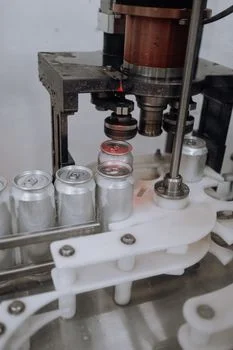
Membrane Bioreactor (MBR) systems achieve COD removal rates of 95–98% and TSS levels below 5 mg/L, making them the preferred choice for Nagoya facilities with limited footprint. Because land prices in Nagoya’s industrial zones can reach ¥3M/m², the 60% smaller footprint of an MBR compared to conventional activated sludge systems provides immediate CAPEX relief. For those evaluating these systems, understanding how MBR systems work for Nagoya’s industrial buyers is essential for calculating long-term membrane replacement cycles and energy intensity (typically 0.6–1.2 kWh/m³).
In sectors like food processing or pulp and paper, Dissolved Air Flotation (DAF) remains the industry standard. DAF systems designed for the Nagoya market focus on Fats, Oils, and Grease (FOG) removal, frequently reaching 95% efficiency. When paired with chemical dosing for Nagoya’s compliance requirements, these units can handle the high-strength organic loads common in combined sewerage areas. for sludge management, Nagoya facilities are increasingly moving away from drying beds toward automated plate and frame filter presses. These units achieve cake dryness of 30–40%, which is critical given Nagoya’s rising landfill and incineration fees. Using a high-efficiency filter press can reduce sludge volume by up to 75%, significantly impacting the OPEX of a facility processing over 100 m³/day.
| Technology | COD Removal (%) | TSS Effluent (mg/L) | Energy Use (kWh/m³) | Ideal Nagoya Use Case |
|---|---|---|---|---|
| MBR (Integrated) | 95–98% | <5 | 0.8–1.5 | High-tech mfg, small footprint sites |
| DAF | 80–90% (w/ coagulant) | <20 | 0.4–0.7 | Food processing, combined sewer zones |
| Onsite (Fuji Clean) | 85–90% | <30 | 0.2–0.5 | Small offices, domestic wastewater |
| Filter Press | N/A (Solids Capture 98%) | N/A | 1.2–2.0 | Sludge dewatering for all industrial sites |
CAPEX and OPEX Breakdown for Industrial Sewage Treatment in Nagoya (2025)
CAPEX for industrial wastewater systems in Nagoya typically ranges from ¥50M to ¥300M, depending largely on the required automation level and the complexity of the influent. For a standard 200 m³/day facility, an MBR system sits at the higher end of the CAPEX spectrum due to membrane costs but offers a 20–30% reduction in OPEX through lower sludge disposal volumes and reduced chemical consumption. Industrial buyers must also factor in Nagoya’s specific land costs; compact systems like DAF or MBR can save a facility tens of millions of Yen in real estate requirements compared to sprawling lagoon or conventional clarifier setups.
OPEX in the Nagoya market is dominated by energy costs, accounting for 40–60% of the total annual expenditure. With Japan’s energy prices fluctuating, high-efficiency blowers and automated dosing systems have become non-negotiable for ROI-focused engineers. Chemical costs (coagulants and flocculants) typically represent 20–30% of OPEX, though this can be optimized using DAF vs IAF for Nagoya’s wastewater challenges comparisons to find the most efficient air-to-solids ratio. Maintenance and labor constitute the remaining 10–20%, with modern modular systems requiring 50% fewer man-hours for routine inspections compared to legacy 1990s-era infrastructure.
| Technology | CAPEX (Est. ¥) | OPEX (¥/m³) | Payback Period | ROI Driver |
|---|---|---|---|---|
| MBR System | ¥150M–¥250M | ¥80–¥120 | 3–5 Years | Land savings, low sludge volume |
| DAF System | ¥60M–¥120M | ¥50–¥90 | 2–3 Years | FOG recovery, low energy use |
| Conventional AS | ¥100M–¥180M | ¥100–¥150 | 5–7 Years | Low membrane replacement cost |
Compliance Checklist: How to Select Equipment That Meets Nagoya’s Standards
Selecting sewage treatment equipment in Nagoya requires a rigorous adherence to the Japan’s industrial wastewater compliance standards, which mandate strict limits on nitrogen, phosphorus, and organic loads. The first step for any facility manager is to consult the Nagoya City Waterworks & Sewerage Bureau GIS map to confirm whether the site is in a combined or separate zone. This single data point determines whether your equipment needs to prioritize peak-flow hydraulic management or steady-state filtration efficiency. Failure to account for combined sewer overflows (CSOs) is the leading cause of permit fines in the Nagoya central district.
The second priority is verifying supplier certifications. While local suppliers often have JIS marks, global equipment must be vetted for ISO 14001 compliance and third-party performance verification. Given that Nagoya’s landfill fees range from ¥15,000 to ¥25,000 per ton, the equipment’s ability to minimize sludge moisture is a direct compliance-cost factor. Any equipment selection framework must include a "surge capacity" audit, ensuring the system can handle at least 2.5x the average daily flow to accommodate Nagoya’s seasonal rainfall without discharging untreated effluent into the local river systems.
| Requirement | Standard / Limit | Equipment Solution | Compliance Verification |
|---|---|---|---|
| Organic Load (COD) | ≤120 mg/L | MBR or DAF + Biological | Weekly effluent sampling |
| Suspended Solids (TSS) | ≤70 mg/L | Filter Press / MBR | Turbidity sensors (online) |
| Stormwater Surge | 2.5x Avg Flow | Equalization Tanks | Hydraulic modeling |
| Sludge Disposal | <60% Moisture | Plate & Frame Press | Weight-bridge receipts |
Case Study: Upgrading a Nagoya Food Processing Plant’s Sewage Treatment System
A mid-sized food processing plant located in Nagoya’s Minato Ward faced a critical operational crisis in late 2023. The facility, which processes 200 m³/day of high-protein wastewater, was consistently exceeding the city’s COD limit, recording 180 mg/L against the 120 mg/L allowance. their aging clarification system was producing 10 tons of wet sludge weekly, leading to annual disposal costs exceeding ¥5M. The facility was situated in a combined sewerage zone, meaning that during heavy rain, the system became hydraulically overwhelmed, leading to bypass events and regulatory warnings.
The solution involved a total system retrofit, replacing the legacy clarifier with a HydropureWater DAF-50 system. This unit was integrated with an automated chemical dosing station to precisely manage pH and coagulant levels. By switching to a DAF-based primary treatment, the plant achieved a 95% COD removal rate and reduced sludge volume by 30% through improved solids concentration. Within six months, the plant’s effluent COD dropped to a consistent 95 mg/L, well below the legal threshold. The reduction in sludge disposal costs alone saved the company ¥1.5M annually, resulting in a calculated payback period of 2.5 years. This case demonstrates that for Nagoya’s food sector, DAF technology provides the most resilient defense against the hydraulic volatility of combined sewerage systems.
Frequently Asked Questions
What is the main difference between Fuji Clean and global industrial systems for Nagoya factories? Fuji Clean specializes in onsite domestic wastewater (jokaso) for residential or small commercial use, with systems pre-engineered for standard domestic loads. Global industrial suppliers like HydropureWater provide modular, high-capacity systems (MBR/DAF) designed specifically for complex industrial effluents like food processing or chemical manufacturing, offering faster lead times and higher removal rates for non-standard pollutants.
How does Nagoya’s 60% combined sewerage system affect my equipment budget? In combined sewerage areas, you must budget for larger equalization tanks and robust primary solids removal (like DAF). This can increase your initial CAPEX by 15–20% compared to separate sewerage areas, where you can invest more heavily in compact, high-efficiency secondary treatment like MBR without the need for massive surge protection.
Are global wastewater systems legal under Japan’s Water Pollution Control Act? Yes, provided the effluent meets the national and Nagoya-specific standards (e.g., COD ≤120 mg/L). While global systems may not always carry the local JIS mark out of the box, they are typically built to ISO 14001 standards and can be certified by local EPC contractors during the commissioning phase to ensure full legal compliance.
What is the typical ROI for upgrading to an MBR system in Nagoya? The ROI for an MBR system in Nagoya is usually achieved within 3 to 5 years. The primary drivers are the massive reduction in sludge disposal fees (due to lower sludge yield) and the savings on land costs, as MBRs require roughly 60% less space than conventional systems, which is a significant factor given Nagoya’s high industrial land prices.