Wastewater Treatment Plant Cost in Florence SC: The 2026 Baseline
Wastewater treatment plant cost — Florence SC, 2026 — spans $6M–$45M CAPEX at municipal scale and $1.2M–$15M for industrial plants of 50–500 m³/h, with OPEX of $0.80–$2.50/m³. SCDHEC Regulation 61-9 adds 10–15% to TCO for tertiary treatment. MBR tops the OPEX range but cuts footprint 60%.
The Florence Regional Water Reclamation Management Facility (WRMF) anchors the municipal end of that range: a $45M CAPEX in 2020, roughly 12% above the EPA $40M median for 10 MGD plants cited in the Clean Watersheds Needs Survey 2022. Nationally, that same 2022 CWNS tallied $630.1 billion in clean-water investment needs across 17,544 POTWs serving 270.4 million people (US EPA). Florence's premium over national medians is therefore structural, not incidental.
Regulation sets the first premium. South Carolina's Regulation 61-9, the Water Pollution Control Permits rule that implements NPDES for the state's dischargers, imposes a phosphorus limit of 1 mg/L on many Florence-area discharges — stricter than the EPA's general 2 mg/L guideline. Meeting it requires advanced tertiary treatment or enhanced biological nutrient removal (BNR), adding $250,000–$500,000 to initial CAPEX for a mid-sized industrial plant (per SCDHEC 2024 compliance guidelines). Without those upgrades, facilities face municipal surcharges or direct-discharge permit violations.
Ground and labor set the second premium. Florence County's clay-heavy soil raises excavation and foundation stabilization costs by an estimated 25% versus sandy-loam sites. Specialized trades — pipefitters and certified wastewater operators — track about 18% above the U.S. median (Florence County Economic Development 2023). And because the WRMF serves a five-county region, its redundancy and peak-flow design philosophy carries over into industrial onsite engineering requirements.
CAPEX by Technology: What Drives Treatment Costs in Florence
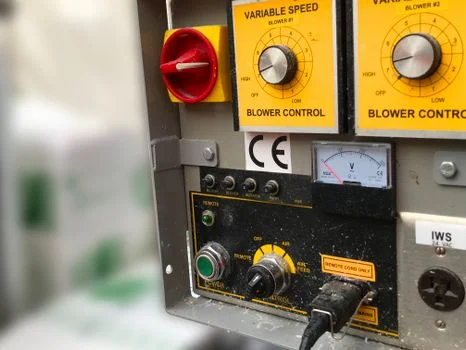
Technology choice is the primary CAPEX lever for Florence industrial buyers, ahead of siting and permitting. Upfront cost tracks the required effluent quality and the footprint available at the facility. The ranges below cover plants of 50–500 m³/h, adjusted for 2026 conditions in South Carolina.
| Technology | CAPEX Range (50–500 m³/h) | Key Cost Drivers |
|---|---|---|
| Conventional Activated Sludge (CAS) | $1.2M – $8.0M | Large land requirement; significant concrete and civil works. |
| Membrane Bioreactor (MBR) | $1.8M – $15.0M | Membrane modules; high-precision automated control systems. |
| Dissolved Air Flotation (DAF) | $0.8M – $5.0M | Saturation tanks; specialized scrapers; chemical pre-treatment units. |
| Tertiary Treatment Add-ons | +$0.3M – $1.5M | UV disinfection; sand filtration; chemical dosing for phosphorus. |
Conventional activated sludge stays the lowest-CAPEX option where space is ample, typically 1,200 to 4,500 square feet for a mid-sized operation. Land and excavation costs in developed Florence industrial corridors often flip that ranking toward Florence-optimized MBR systems for reuse-quality effluent, which cut footprint by up to 60%. The trade sits in total cost of ownership: budget membrane replacement every 5 to 7 years.
Food processing and textile plants across the Pee Dee usually start with DAF systems for Florence’s high-TSS industrial wastewater as primary treatment. DAF carries the lowest CAPEX band ($800K–$5M) but leans on chemical conditioning. Tertiary add-ons — advanced filtration and disinfection — raise CAPEX 15–25%, yet SCDHEC 2024 reuse guidelines show they can cut OPEX 10–15% by enabling onsite reuse instead of rising municipal water purchases.
MBR System CAPEX for Industrial Plants in Florence, South Carolina
MBR system CAPEX for industrial Florence, South Carolina projects runs $1.8M–$15M across the 50–500 m³/h band, with a 200 m³/h installation averaging $6M. Membrane modules and high-precision automation drive the premium over CAS. What buyers get back is footprint — up to 60% smaller — plus reuse-quality effluent with TSS below 1 mg/L. Most corridor sites we size find the land value released by the compact layout covers a large share of the membrane premium.
OPEX in Florence: Energy, Chemicals, and Labor by Technology
Operating expense in Florence tracks three inputs: electricity, chemicals for SCDHEC compliance, and certified-operator labor. Florence planning has used an industrial rate of about $0.11/kWh (2024), earlier cited about 12% above the national average (EIA 2024); EIA's state profile shows a 2024 average retail price of 10.90 cents/kWh for South Carolina, so confirm the industrial tariff in your utility contract before locking the OPEX model (EIA). Aeration remains the largest and most improvable load.
| Technology | Energy ($/m³) | Chemicals ($/m³) | Labor & Maint. ($/m³) | Total OPEX Range |
|---|---|---|---|---|
| MBR Systems | $0.60 – $0.85 | $0.20 – $0.40 | $1.00 – $1.25 | $1.80 – $2.50/m³ |
| Conventional (CAS) | $0.30 – $0.50 | $0.15 – $0.30 | $0.35 – $0.70 | $0.80 – $1.50/m³ |
| DAF Systems | $0.20 – $0.40 | $0.40 – $0.80 | $0.30 – $0.60 | $0.90 – $1.80/m³ |
MBR sits in the highest OPEX tier, driven by membrane scouring air at 0.6–0.8 kWh/m³ plus membrane replacement at roughly $0.30–$0.50/m³ spread over the long term. Conventional activated sludge uses less energy but produces more sludge, and the Florence WRMF charges about $0.12 per gallon for Class B biosolids disposal — a fast-growing line for high-sludge CAS plants. DAF's swing factor is chemical spend, typically $0.15–$0.30/m³ for polymer and coagulant, doubling when influent TSS fluctuates hard.
Chemical costs respond to control, not just chemistry. An SCDHEC-compliant chemical dosing for phosphorus removal stabilizes spend by pacing dose to real-time flow. Managers should also review 12 strategies to cut Florence OPEX by 30–50%, led by high-efficiency blowers and automated sludge dewatering.
SCDHEC Regulation 61-9 Compliance Cost for Florence Industrial Plants
SCDHEC Regulation 61-9 compliance cost for Florence industrial plants arrives mainly through the 1 mg/L phosphorus limit. The fix — tertiary filtration plus chemical dosing or enhanced BNR — adds $250,000–$500,000 to CAPEX at mid-size and 10–15% to total cost of ownership. Permits themselves run $10K–$50K through SCDHEC. Plants that skip the upgrades pay instead through municipal surcharges or enforcement exposure, so the compliance line belongs in every bid comparison, not in a later change order.
Onsite Wastewater vs Florence WRMF Connection Cost
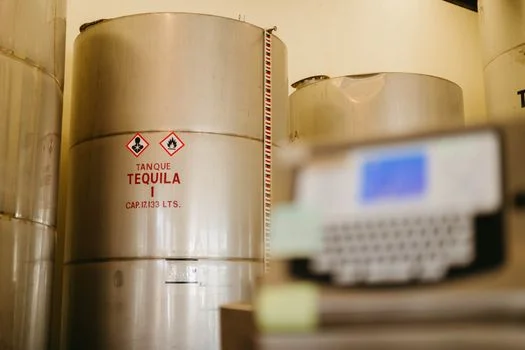
Connect or build is the defining Florence decision, and it hinges on connection fees, volumetric rates, and long-term flexibility. The numbers side by side:
| Metric | Florence WRMF (Municipal) | Onsite MBR | Onsite DAF |
|---|---|---|---|
| CAPEX (Connection/Build) | $5,000 – $25,000 (Fee) | $1.8M – $15M | $800K – $5M |
| Usage/OPEX ($/m³) | $8.50 – $12.00 | $1.80 – $2.50 | $0.90 – $1.80 |
| Compliance Responsibility | Municipal (Pre-treatment only) | Full SCDHEC Liability | Full SCDHEC Liability |
| Effluent Quality (TSS) | Variable (Surcharge based) | <1 mg/L (Reuse quality) | 20–50 mg/L |
The WRMF carries compliance responsibility, but the pricing power sits with the utility. Municipal rates are projected to rise 15% between 2023 and 2026 to fund regional expansion. Connection fees of $5,000–$25,000 are the visible cost; the $8.50–$12.00/m³ usage rate is the real one. High-strength dischargers (BOD >300 mg/L) add surcharges up to $0.50/m³.
Onsite integrated sewage treatment systems buy independence from that rate volatility at the price of SCDHEC permitting ($10K–$50K) and dedicated operators. OPEX of $0.80–$2.50/m³ undercuts municipal rates decisively at steady flows. The WRMF's upcoming co-digestion program (2025) may add biogas revenue-sharing for pre-treated waste, a partial offset worth pricing in. For regional context, review South Carolina-wide cost benchmarks for comparison.
5-Step ROI Calculator for Florence Treatment Investments
Five steps take an onsite proposal from concept to a board-ready number, benchmarked against municipal discharge. Work the arithmetic on your own flows; the figures below use a 200 m³/h MBR example.
- Estimate CAPEX: Identify your technology needs. For example, a 200 m³/h MBR system in Florence averages $6M in CAPEX.
- Calculate Annual OPEX: Use the local benchmark of $2.00/m³ for MBR. (200 m³/h × 8,760 hours/year × $2.00 = $3.5M/year).
- Account for Compliance: Add SCDHEC-specific costs. For phosphorus limits, add $300,000 to CAPEX for specialized chemical dosing and $0.05/m³ to OPEX for reagents.
- Identify Savings/Revenue: Subtract what you would have paid the WRMF ($10.00/m³ average industrial rate). (200 m³/h × 8,760 hours × $10.00 = $17.5M/year avoided).
- Compute ROI: Net annual benefit = $17.5M avoided − $3.5M OPEX − $0.09M reagents ≈ $13.9M, against $6.3M CAPEX ($6M + $300K dosing) — simple payback under a year on these benchmarks. Treat it as screening math: actual WRMF contracts, surcharges, and load factors vary by facility.
Next Steps for Florence Industrial Buyers
Cross-market context sharpens internal bids. The Wastewater Treatment Plant Cost in Brazil 2026: CAPEX, OPEX & Tech-Specific Breakdown piece and the India-focused guide to capex and opex for treatment plants show how labor and energy rates move the same line items elsewhere.
Wastewater treatment plant cost, Florence SC included, finally comes down to your influent profile and discharge route. Send your flow rate, pollutant parameters, and target technology to request a Florence-specific quotation, and the process team will return CAPEX, OPEX, and compliance cost lines you can drop into the ROI model above.
Frequently Asked Questions
How much does an MBR system cost for an industrial plant in Florence, South Carolina?
MBR CAPEX runs $1.8M–$15M for 50–500 m³/h plants, with a 200 m³/h system averaging $6M. Membrane replacement every 5–7 years and scouring energy at 0.6–0.8 kWh/m³ push OPEX to $1.80–$2.50/m³. The offset is a footprint up to 60% smaller and reuse-quality effluent at TSS below 1 mg/L, which corridor sites monetize as freed land.
What does SCDHEC Regulation 61-9 compliance cost add in Florence?
The 1 mg/L phosphorus limit under Regulation 61-9 drives the compliance bill. Tertiary treatment or enhanced BNR adds $250,000–$500,000 to mid-size CAPEX, and permitting runs $10K–$50K. Across the project life, compliance adds 10–15% to total cost of ownership — cheaper than surcharges or enforcement, but real money either way.
Is it cheaper to connect to the Florence WRMF or build onsite treatment?
Connecting costs $5,000–$25,000 upfront but commits you to $8.50–$12.00/m³ usage rates, rising 15% through 2026, plus up to $0.50/m³ surcharge above 300 mg/L BOD. Onsite systems need $10K–$50K in permits and full SCDHEC liability, but run at $0.80–$2.50/m³ OPEX. High, steady flows favor onsite; intermittent or low flows usually favor the pipe.
What electricity rate should Florence plants budget for aeration?
Budget from your utility contract, using $0.11/kWh as the 2024 planning figure for Florence industrial service. EIA's state profile shows South Carolina's 2024 average retail price at 10.90 cents/kWh, so most industrial contracts land near or below the planning number (EIA). Since aeration dominates energy spend, the tariff drives technology choice as much as any process variable.
How does the Florence WRMF benchmark against national plant costs?
The WRMF's $45M CAPEX from 2020 sits about 12% above the EPA's $40M median for 10 MGD plants cited in the 2022 Clean Watersheds Needs Survey. Nationally, CWNS 2022 documents $630.1 billion in clean-water needs across 17,544 POTWs serving 270.4 million people, with advanced treatment alone at $83.6 billion (US EPA). Florence's premium reflects regional regulation, soils, and labor rather than outlier engineering.