Uzbekistan’s Hospital Wastewater Crisis: Compliance Gaps and Public Health Risks
Uzbekistan’s hospital wastewater treatment sector faces critical gaps: only 32% of wastewater is treated nationally, and tertiary hospitals in Tashkent and Samarkand score 59–67% on WHO waste management benchmarks. To meet Uzbekistan’s 2025 environmental targets and avoid penalties, facilities must achieve effluent COD ≤125 mg/L, BOD ≤25 mg/L, and 99.99% pathogen kill rates. This guide provides engineering specs, compliance standards, and equipment selection tailored to Uzbekistan’s infrastructure and regulatory environment.
Recent cross-sectional analytical studies conducted in multidisciplinary tertiary hospitals across Tashkent and Samarkand reveal that healthcare waste management performance remains unsatisfactory, with scores failing to reach the 70% threshold required for basic environmental safety. These facilities often lack standardized healthcare waste segregation and transportation protocols, leading to the co-mingling of infectious medical liquid waste with municipal sewage. Microbiological analysis of untreated effluent from these sites has confirmed the persistence of high concentrations of E. coli and Salmonella, highlighting a failure in existing disinfection protocols. This biological load poses a severe risk to downstream irrigation systems and public health, particularly in regions where water scarcity necessitates the reuse of treated water.
The Government of Uzbekistan has set ambitious 2025 environmental targets, aiming to increase wastewater treatment coverage to 70% nationwide. For hospital administrators, this shift translates into heightened regulatory scrutiny and the implementation of significant penalties. Non-compliance can lead to administrative fines exceeding $50,000 for repeated violations, and in severe cases, operational shutdowns. The absence of national guidelines has historically led to poor monitoring, but the recent $1 billion investment deal between Uzsuvtaminot and international strategic partners signals a transition toward rigorous enforcement of international discharge standards.
Uzbekistan’s Regulatory Landscape: WHO, EU, and Local Standards for Hospital Effluent
Uzbekistan’s regulatory framework for hospital wastewater is currently transitioning toward alignment with the EU Urban Waste Water Directive 91/271/EEC and the 2020 WHO Healthcare Waste Management guidelines. Local Uzsuvtaminot regulations provide the baseline for municipal sewer connections, while tertiary care facilities are increasingly required to meet stringent pre-treatment standards before discharge to prevent the introduction of pharmaceuticals, heavy metals, and multi-drug resistant organisms (MDROs) into the public network. Engineering teams must design systems that satisfy these overlapping criteria to ensure long-term compliance.
The following table outlines the required effluent quality standards for hospitals in Uzbekistan, drawing from the EU hospital wastewater compliance standards and local environmental directives:
| Parameter | Uzsuvtaminot Discharge Limit | EU/WHO Target (Tertiary) | Typical Hospital Raw Influent |
|---|---|---|---|
| Chemical Oxygen Demand (COD) | ≤ 250 mg/L | ≤ 125 mg/L | 500 – 1,500 mg/L |
| Biochemical Oxygen Demand (BOD5) | ≤ 50 mg/L | ≤ 25 mg/L | 200 – 600 mg/L |
| Total Suspended Solids (TSS) | ≤ 100 mg/L | ≤ 35 mg/L | 300 – 3,000 mg/L |
| Fecal Coliforms | ≤ 5,000 CFU/100mL | ≤ 1,000 CFU/100mL | 10^6 – 10^8 CFU/100mL |
| Ammonia Nitrogen (NH3-N) | ≤ 15 mg/L | ≤ 10 mg/L | 30 – 80 mg/L |
Compared to neighboring CIS countries like Kazakhstan, where enforcement has historically been more centralized, Uzbekistan’s audit process is becoming decentralized, with annual inspections conducted by regional environmental committees. Common failure points identified in recent audits include inadequate pathogen removal due to improper chemical dosing and the failure of biological systems to handle the high concentrations of disinfectants and detergents found in medical effluent. Procurement officers must prioritize equipment that offers automated monitoring to avoid these high-risk failure points.
As Uzbekistan continues to develop its hospital wastewater treatment infrastructure, understanding the regulatory landscape is crucial for ensuring compliance and public health safety.
Hospital Wastewater Treatment Process Flow: Step-by-Step Engineering Specs

An effective hospital wastewater treatment system in Uzbekistan must follow a four-stage process to handle the unique chemical and biological load of medical facilities. The process begins with Pretreatment, utilizing mechanical bar screens to remove large solids and equalization tanks to buffer the high-pH fluctuations caused by laboratory and cleaning activities. This is followed by Primary Treatment, where sedimentation or dissolved air flotation (DAF) reduces the initial TSS and organic load, protecting downstream biological components from fouling.
The Secondary Treatment stage is the core of the system, where biological oxidation occurs. For hospitals with limited footprint, an MBR system for hospital wastewater with 99.99% pathogen removal is the preferred engineering choice, as it combines aeration and membrane filtration in a single unit. Finally, Tertiary Disinfection ensures the complete eradication of pathogens. Given the prevalence of waterborne diseases in the region, a compact hospital wastewater treatment system with ozone disinfection or advanced oxidation is recommended for infectious disease wards.
| Treatment Stage | Key Equipment | Hydraulic Retention Time (HRT) | Target Removal Efficiency |
|---|---|---|---|
| Pretreatment | Fine Bar Screen / Equalization Tank | 4 – 6 Hours | 10% BOD, 20% TSS |
| Primary | Sedimentation / DAF | 2 – 4 Hours | 30% BOD, 50% TSS |
| Secondary | MBR / A/O Process | 6 – 10 Hours | 90% BOD, 99% TSS |
| Disinfection | ClO2 Generator / Ozone / UV | 30 – 60 Minutes | 99.99% Pathogens |
The hydraulic retention times (HRT) are critical; insufficient HRT in the biological stage often leads to "sludge bulking" when medical detergents inhibit bacterial growth. Engineers must also account for the high concentration of pharmaceuticals (antibiotics and contrast agents), which require extended aeration or advanced oxidation to degrade. For facilities focusing on chemical safety, understanding how chlorine dioxide generators work for hospital effluent can provide a reliable alternative to traditional chlorination, which often fails to neutralize complex medical pathogens.
Technology Comparison: MBR vs. Chlorine Dioxide vs. Ozone for Hospital Wastewater
Selecting the appropriate technology for an Uzbek hospital requires balancing superior disinfection efficacy with local operational constraints, such as power reliability and chemical supply chains. Membrane Bioreactor (MBR) technology offers the highest effluent quality, essentially providing a physical barrier to bacteria and viruses. However, its energy demand (1.5–2.5 kWh/m³) requires a stable power grid or backup generation, which may be a consideration for facilities in the Fergana Valley or rural provinces.
Chlorine Dioxide (ClO2) is a highly effective oxidant that does not produce the harmful trihalomethanes (THMs) associated with standard liquid bleach. An on-site chlorine dioxide generator for hospital wastewater disinfection is often the most cost-effective solution for smaller clinics (10–50 beds) because it requires lower CAPEX and has a simpler maintenance profile. Ozone treatment, while offering the highest pathogen kill rates (99.999%), involves higher operational costs and requires highly skilled technicians for maintenance, making it most suitable for high-risk infectious disease centers in Tashkent.
| Technology | Pathogen Kill Rate | CAPEX (Est. per m3/day) | OPEX (Est. per m3) | Uzbekistan Suitability |
|---|---|---|---|---|
| MBR | 99.99% | $3,500 – $5,000 | $1.20 – $1.80 | High (Urban/Limited Space) |
| Chlorine Dioxide | 99.9% | $1,500 – $2,500 | $0.80 – $1.20 | Very High (Rural/Clinics) |
| Ozone | 99.999% | $4,000 – $6,000 | $1.50 – $2.20 | Moderate (Specialized Labs) |
For procurement teams, the choice often hinges on the "total cost of ownership." While ClO2 has a lower entry cost, the logistical challenge of sourcing precursor chemicals (sodium chlorite and hydrochloric acid) in remote regions must be factored into the decision. Conversely, MBR systems reduce the need for downstream chemical disinfection, potentially lowering the long-term chemical procurement burden.
Zero-Risk Equipment Selection: A Step-by-Step Framework for Uzbek Hospitals
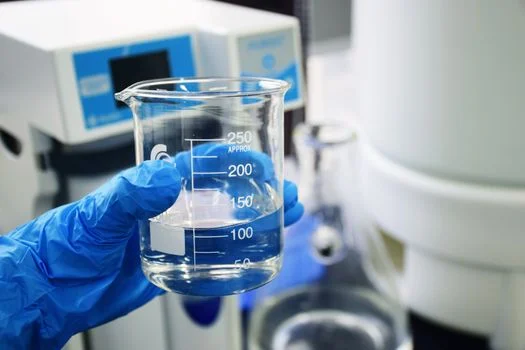
To avoid the common pitfall of over-investing in complex systems that fail due to operational neglect, procurement officers should follow a structured selection framework. The first step is a comprehensive influent analysis. Hospital wastewater is not "standard" sewage; it contains high levels of volatile organic compounds (VOCs) and disinfectants. Lab testing must be conducted over a 72-hour composite sampling period to capture the peaks of hospital activity.
The second step involves matching the technology to the facility's scale and staffing. A 200-bed hospital in a metropolitan area will typically generate 100–150 m³/day of wastewater, necessitating an automated MBR or SBR system. In contrast, a 50-bed rural clinic may be better served by a robust chemical disinfection system with manual oversight. Facility managers should consult CAPEX/OPEX benchmarks for hospital wastewater systems to ensure their budget aligns with regional infrastructure costs.
- Assess Influent Quality: Determine COD, BOD, and the presence of specific pathogens (e.g., Pseudomonas) via certified lab testing.
- Define Design Capacity: Use the formula: Number of Beds × 250 Liters/Bed/Day × 1.2 (Safety Factor).
- Evaluate Infrastructure Constraints: Check voltage stability (220V vs 380V) and chemical availability for ClO2 or UV lamp replacement logistics.
- Calculate Life-Cycle Cost: Use the formula CAPEX + (OPEX × 10 years). Expect CAPEX between $2,500 and $4,000 per m³/day for integrated systems.
- Validate