Thailand’s Hospital Wastewater Regulations: 2025 Compliance Checklist for Nakhon Ratchasima
Hospitals in Nakhon Ratchasima must treat wastewater to Thailand’s PCD Notification 42 B.E. 2560 standards, which mandate effluent limits of ≤20 mg/L BOD, ≤50 mg/L COD, and ≤1,000 MPN/100mL fecal coliform. Maharat Hospital’s 2024 upgrade used a 50 m³/h MBR system to achieve 98% COD removal and 99.99% pathogen kill, reducing sludge disposal costs by 40% compared to conventional activated sludge. Rural clinics in neighboring provinces report 92–97% BOD removal using A/O systems, but struggle with pharmaceutical residuals—requiring tertiary treatment like chlorine dioxide or UV disinfection.
The regulatory landscape for healthcare facilities in Nakhon Ratchasima is transitioning toward stricter enforcement of the Pollution Control Department (PCD) Notification 42 B.E. 2560. According to the 2024 Asian Development Bank (ADB) report on Maharat Nakhon Ratchasima Hospital, compliance requires not just meeting basic organic removal targets but ensuring consistent disinfection and total suspended solids (TSS) control. Maharat’s recent system overhaul specifically targeted an increase in Mixed Liquor Suspended Solids (MLSS) and a recalibration of Hydraulic Retention Time (HRT) to ensure that even during peak surgical or laundry discharge periods, the effluent remains well within the ≤50 mg/L COD limit.
Data from rural hospitals in Sakon Nakhon highlights a critical vulnerability in existing infrastructure: a survey of 16 hospitals found that while organic removal was generally acceptable, 100% of the facilities failed to meet the ≤1,000 MPN/100mL fecal coliform limit consistently. This failure is often attributed to aging chlorine contact tanks or insufficient dosage control. For Nakhon Ratchasima facilities with specialized laboratories or oncology departments, additional parameters such as heavy metals (specifically Chromium ≤0.1 mg/L) and Fats, Oils, and Grease (FOG ≤10 mg/L) from hospital canteens must be monitored to avoid heavy fines and operational shutdowns.
| Parameter | PCD Limit (Notification 42) | Maharat Hospital Effluent (2024) | Rural Hospital Average (Survey) |
|---|---|---|---|
| BOD (mg/L) | ≤ 20 | < 5 | 18.5 |
| COD (mg/L) | ≤ 50 | 12.0 | 45.0 |
| TSS (mg/L) | ≤ 10 | < 2 | 25.0 |
| Fecal Coliform (MPN/100mL) | ≤ 1,000 | < 10 | > 5,000 |
| FOG (mg/L) | ≤ 10 | < 1 | 8.5 |
Engineering Specs: How Nakhon Ratchasima Hospitals Treat Wastewater Today
The central wastewater treatment plant at Maharat Nakhon Ratchasima Hospital functions as the regional benchmark, processing 50 m³/h through an advanced Anoxic/Oxic (A/O) process integrated with membrane separation. Influent characteristics at the facility typically range from 300–800 mg/L COD and 150–400 mg/L BOD, reflecting the high-strength nature of medical wastewater compared to municipal sewage. By maintaining an MLSS concentration of 8,000 to 12,000 mg/L, the system achieves a 98% COD removal rate, ensuring that pharmaceutical residues and complex organics are biologically degraded before discharge.
In contrast, many rural hospitals in the Northeast region rely on older activated sludge (AS) systems. While these systems achieve an average of 92% BOD removal, they are prone to "bulking" and struggle with the high variability of hospital loads. A survey of 10 such AS systems in neighboring provinces indicated that while organic reduction is stable, the systems lack the capacity to filter out pharmaceutical residuals, which remain a "common issue requiring tertiary treatment" to prevent environmental toxicity. For smaller facilities, a compact ozone disinfection system for clinics is often the most viable path to upgrading these aging assets without a full plant rebuild.
Municipal data from UNESCAP regarding Nakhon Ratchasima’s wider infrastructure reveals that the city’s municipal plant primarily treats diluted septic tank overflow, yet incurs electricity costs exceeding THB 600,000 per month. This highlights a massive opportunity for hospitals to adopt decentralized, energy-efficient equipment. For example, case studies from Bangkok hospitals using ULTRAAQUA UV systems demonstrate that 99.99% pathogen kill is achievable with significantly lower OPEX than chemical dosing, provided that pre-treatment specifications maintain TSS levels below 30 mg/L to prevent quartz sleeve fouling.
| System Component | Maharat Hospital Spec | Rural AS System Spec | Municipal Benchmark |
|---|---|---|---|
| Design Capacity | 50 m³/h | 10–20 m³/h | Variable (Diluted) |
| COD Removal Rate | 98% | 85–90% | 70% |
| Disinfection Method | UV + Membrane | Manual Chlorination | Chlorine Gas |
| Electricity Cost | 1.1 kWh/m³ | 1.5 kWh/m³ | THB 300k/mo (Treatment) |
| Sludge Production | Low (0.2 kg/kg BOD) | High (0.5 kg/kg BOD) | N/A |
MBR vs. DAF vs. A/O: Which System Fits Your Nakhon Ratchasima Hospital?
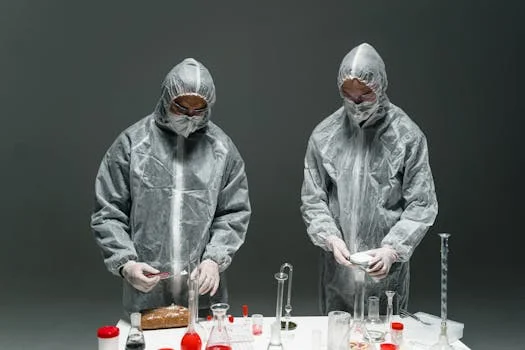
Membrane Bioreactor (MBR) technology has become the preferred solution for urban hospitals in Nakhon Ratchasima due to its ability to provide 99.99% pathogen removal within a footprint 60% smaller than traditional A/O plants. The MBR process utilizes a 0.1 μm pore size membrane that acts as a physical barrier to bacteria and most viruses, effectively replacing the secondary clarifier and tertiary filtration steps. For facility managers, this means an MBR system for urban hospitals with space constraints can be installed in basement levels or parking structures while still meeting the strictest 2025 discharge standards. You can find a detailed MBR process flow for hospital wastewater to understand how these systems manage high MLSS concentrations.
For hospitals with large canteen facilities or those experiencing high levels of fats and oils, Dissolved Air Flotation (DAF) is an essential pre-treatment or primary treatment stage. DAF systems utilize microbubbles (20–50 μm) to float TSS and FOG to the surface for mechanical skimming, achieving up to 95% TSS removal and 90% FOG removal. Implementing a DAF system for hospitals with high FOG loads prevents the clogging of downstream biological membranes and reduces the overall organic load on the secondary treatment phase, operating at a lower energy intensity of 0.3–0.5 kWh/m³.
Rural hospitals with more land availability often find the Anoxic/Oxic (A/O) process to be the most cost-effective CAPEX investment. While it requires a longer Hydraulic Retention Time (12–24 hours) and produces more sludge (0.5 kg per kg of BOD removed), the simplicity of the equipment reduces the need for highly specialized operators. However, because A/O systems do not provide the same level of disinfection as MBR, they must be paired with a robust chemical-free disinfection for hospital effluent solution. Chlorine dioxide is particularly effective in hospital settings as it provides a 99.9% pathogen kill rate without the harmful disinfection by-products associated with traditional chlorine bleach.
| Feature | MBR System | DAF System | A/O System |
|---|---|---|---|
| Primary Benefit | Highest Water Quality | FOG/TSS Removal | Lowest CAPEX |
| Footprint | Very Small | Medium | Large |
| Energy Use | 0.8–1.2 kWh/m³ | 0.3–0.5 kWh/m³ | 0.6–0.8 kWh/m³ |
| Pathogen Kill | 99.99% (Physical) | Low | Requires Tertiary |
| Maintenance | Membrane Cleaning | Scraper/Pump Check | Sludge Management |
Cost Breakdown: CAPEX, OPEX, and ROI for Hospital Wastewater Treatment in Nakhon Ratchasima
Procurement officers evaluating a 50 m³/h treatment capacity must weigh the initial capital expenditure (CAPEX) against long-term operational costs (OPEX). An MBR system typically requires a CAPEX of approximately THB 4.5 million, excluding civil works which can add another THB 1–2 million. However, the ROI is realized through a 40% reduction in sludge disposal volume and the elimination of tertiary filtration costs. Maharat Hospital’s transition to MBR demonstrated a payback period of roughly 3 years, primarily driven by the reduction in chemical usage and sludge hauling fees, which are increasingly expensive in the Nakhon Ratchasima province.
Operating expenses for DAF systems are dominated by chemical coagulant costs, averaging THB 200,000 per year for a mid-sized facility. In contrast, A/O systems have the lowest energy and chemical requirements but the highest sludge management costs (THB 150,000+ per year). An emerging compliance risk for Nakhon Ratchasima hospitals is the potential regulation of pharmaceutical residuals; addressing these may eventually require Advanced Oxidation Processes (AOP), which could add an additional THB 2 million to CAPEX. Understanding how Guadalajara hospitals meet Latin America’s strictest effluent standards provides a useful global benchmark for how these costs scale with stricter regulations.
| System Type (50 m³/h) | Estimated CAPEX (THB) | Annual OPEX (THB) | Payback Period |
|---|---|---|---|
| MBR Integrated | 4,500,000 | 350,000 | 3 Years |
| DAF Unit | 2,800,000 | 200,000 | 5 Years |
| A/O Biological | 1,200,000 | 150,000 | 7 Years |
| UV Disinfection | 1,500,000 | 30,000 | 4 Years |
Vendor Selection Framework: 7 Questions to Ask Before Buying Equipment
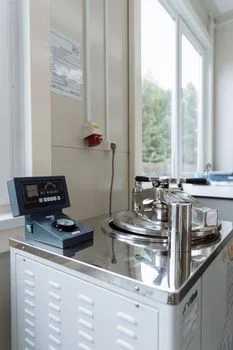
Selecting the right equipment vendor in Nakhon Ratchasima requires a technical evaluation that goes beyond the price tag. Hospital managers should first ask, "Does your system meet PCD Notification 42 B.E. 2560 for hospital effluent?" and insist on third-party test reports from existing Thai installations. Given the critical nature of hospital operations, local support is non-negotiable; ensure the vendor has a service center within Nakhon Ratchasima or a 24-hour response guarantee, as seen with the Maharat Hospital upgrade. Hospitals in northern climates face different issues, but the how Saskatchewan hospitals handle cold-weather treatment challenges guide emphasizes that technical support is the number one factor in long-term compliance.
Energy efficiency and sludge management are the next priorities. Ask for the specific kWh/m³ rating and compare it to the Maharat benchmark of 1.1 kWh/m³. Inquire about the sludge yield: an MBR system should produce no more than 0.2 kg of sludge per kg of BOD removed, whereas an A/O system will be closer to 0.5 kg. Finally, verify the pathogen kill rates for disinfection units—hospitals require a minimum of 99.9%—and secure written warranties for major components (5 years for MBR membranes and 10 years for DAF structural plates). Training is the final hurdle; many rural hospitals fail because staff are not trained on the specific biology of the system, so ensure the vendor provides a comprehensive operator training program.
Frequently Asked Questions
What are the effluent limits for hospitals in Thailand?
Thailand’s PCD Notification 42 B.E. 2560 sets limits of ≤20 mg/L BOD, ≤50 mg/L COD, and ≤1,000 MPN/100mL fecal coliform for hospital wastewater. Maharat Hospital achieved these with a 50 m³/h MBR system (ADB 2024), which also reduced TSS to <2 mg/L, significantly below the regulatory ceiling.
Why is MBR preferred over Activated Sludge for urban hospitals?
MBR systems offer a 60% smaller footprint and superior effluent quality, including 99.99% pathogen removal. While Activated Sludge (A/O) has lower CAPEX, MBR eliminates the need for secondary clarifiers and provides a physical barrier against pharmaceutical residuals, which is critical for meeting 2025 standards in dense urban areas like Nakhon Ratchasima.
How much does it cost to operate a hospital wastewater plant in Nakhon Ratchasima?
For a 50 m³/h system, annual OPEX ranges from THB 150,000 for simple A/O systems to THB 350,000 for MBR (including membrane replacement). While MBR has higher energy costs, it reduces sludge disposal fees by 40%, often leading to a faster ROI compared to traditional systems that require frequent chemical dosing.
Which disinfection method is best for hospital wastewater?
UV disinfection and Chlorine Dioxide are the leading choices. UV provides a 99.99% pathogen kill without chemicals but requires pre-filtration (TSS <30 mg/L). Chlorine Dioxide is highly effective at 99.9% kill rates and remains active in the distribution line without leaving the harmful residuals found in standard chlorine treatment.