Why PCB Etching Wastewater Treatment is a 2025 Priority for Electronics Manufacturers
PCB etching wastewater treatment in 2025 demands systems capable of achieving 99.9% copper recovery and Zero Liquid Discharge (ZLD) to meet stringent environmental regulations like China’s GB 39731-2020 standards, which mandate copper levels ≤ 0.5 mg/L and COD ≤ 80 mg/L. Non-compliance can lead to substantial fines, with data from China’s Ministry of Ecology and Environment (MEE) in 2024 indicating penalties up to $100,000 per year for violations. The water scarcity prevalent in major PCB manufacturing hubs such as Guangdong and Jiangsu further amplifies the urgency for ZLD adoption, as etching wastewater alone can constitute 60–70% of a plant’s total water consumption. Beyond regulatory compliance and water conservation, effective copper recovery presents a significant economic opportunity. Recovering 99% of copper from wastewater with an influent concentration of 500 mg/L can yield approximately 4.5 kg of copper per cubic meter of wastewater, valued at $30–$40/kg based on LME 2025 prices. For instance, a 10,000 m³/year PCB plant in Dongguan, by implementing an electrodialysis coupled with RO system, successfully reduced copper discharge from 120 mg/L to below 0.5 mg/L, resulting in annual savings of $180,000 through avoided fines and copper resale.
PCB Etching Wastewater Contaminant Profile: What’s in Your Effluent?
Understanding the specific contaminant profile of PCB etching wastewater is paramount for selecting the most effective treatment technologies. Unlike general PCB wastewater, etching bath effluents are characterized by high concentrations of copper, ammonia, and problematic surfactants. Copper levels typically range from 50–500 mg/L in alkaline etching processes and 10–100 mg/L in acidic etching. These copper ions often form stable complexes with ammonia and chelating agents like EDTA, significantly complicating their removal through conventional methods. Ammonia (NH₃-N), commonly present at 50–200 mg/L from ammonium persulfate etchants, poses toxicity issues for biological treatment systems, with EPA guidelines in 2024 recommending limits below 50 mg/L. Surfactants, such as nonylphenol ethoxylates, found at 10–50 mg/L, are notorious for causing severe membrane fouling in Reverse Osmosis (RO) and Nanofiltration (NF) systems, often resulting in a fouling index exceeding 4.0 without adequate pre-treatment. Chemical Oxygen Demand (COD) can span from 500–5,000 mg/L due to organic additives like corrosion inhibitors and brighteners. While conventional activated sludge systems achieve 70–80% COD removal, Membrane Bioreactor (MBR) systems are capable of 90–95% removal. The wastewater pH can swing dramatically from 2 to 12, necessitating staged neutralization to prevent the precipitation of copper hydroxide within treatment pipelines.
| Contaminant | Typical Concentration Range (PCB Etching Wastewater) | Impact on Treatment | Relevant HydropureWater Product |
|---|---|---|---|
| Copper (Cu²⁺) | 10–500 mg/L | Heavy metal toxicity, requires recovery for economic and environmental reasons. Forms complexes with ammonia and EDTA. | Automatic Chemical Dosing System (for precise pH and coagulant addition) |
| Ammonia (NH₃-N) | 50–200 mg/L | Toxic to biological treatment, contributes to eutrophication, can cause scaling in RO. | MBR Systems (for enhanced nitrification/denitrification) |
| Surfactants | 10–50 mg/L | Cause severe membrane fouling (RO/NF), emulsify oils and greases, increase COD. | DAF Machines (for efficient surfactant removal) |
| COD | 500–5,000 mg/L | Indicator of organic pollution, requires biological or advanced oxidation treatment. | MBR Systems (for high COD reduction) |
| pH | 2–12 | Corrosive, affects chemical reaction efficiency, requires neutralization for downstream processes and to prevent precipitation. | Automatic Chemical Dosing System (for controlled pH adjustment) |
Copper Recovery Technologies: Ion Exchange vs. Electrodialysis vs. Chemical Precipitation
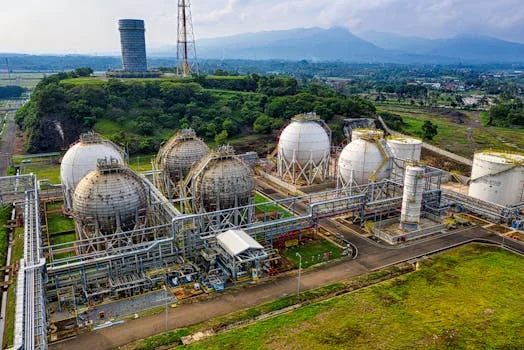
Selecting the optimal copper recovery technology for PCB etching wastewater involves a careful evaluation of influent characteristics, desired recovery rates, and operational costs. Ion Exchange (IX) systems are highly effective, achieving 95–99% copper recovery, particularly in low-salinity wastewater (<2,000 μS/cm). The resin typically has a lifespan of 2–5 years and is regenerated using a 3–5% sulfuric acid solution. A notable case in Suzhou demonstrated IX recovering 4.2 kg of copper per cubic meter of wastewater, offsetting 28% of treatment costs. Electrodialysis (ED) offers a robust solution for high-salinity wastewater (>5,000 μS/cm), with copper recovery rates of 90–95%. Its energy consumption ranges from 0.5–1.5 kWh/m³, and it handles complex water matrices effectively. A Shenzhen plant successfully implemented ED followed by RO to achieve ZLD, reducing copper from 300 mg/L to <1 mg/L. Chemical precipitation, using agents like sodium sulfide or hydroxide, typically achieves 80–90% copper recovery but generates significant sludge (5–10 kg/m³ wastewater). A plant in Jiangxi faced substantial sludge disposal costs, averaging $80/ton, despite meeting GB 39731 limits. Each technology presents distinct advantages, influencing both capital expenditure (CapEx) and operational expenditure (OPEX).
| Technology | Typical Copper Recovery Rate (%) | Salinity Tolerance (μS/cm) | Chemical Consumption (per m³) | Approx. CapEx (relative) | Approx. OPEX (relative) | Case Study Performance |
|---|---|---|---|---|---|---|
| Ion Exchange (IX) | 95–99 | <2,000 | Low (regeneration acid) | Medium | Medium | Suzhou plant: 4.2 kg Cu/m³, 28% cost offset. |
| Electrodialysis (ED) | 90–95 | >5,000 | Very Low (electricity) | High | Medium (energy dependent) | Shenzhen plant: 300 mg/L to <1 mg/L Cu, ZLD achieved. |
| Chemical Precipitation | 80–90 | High | Medium (precipitants) | Low | High (sludge disposal) | Jiangxi plant: $80/ton sludge disposal cost. |
For robust pre-treatment and efficient suspended solids removal, DAF systems are invaluable. To address organic pollutants and ammonia, integrated MBR systems offer a compact and efficient solution.
Zero Liquid Discharge (ZLD) for PCB Etching: Engineering Specs and Cost Breakdown
Implementing a Zero Liquid Discharge (ZLD) system for PCB etching wastewater involves a multi-stage process designed to recover nearly all water and concentrate the remaining contaminants into a manageable solid or highly concentrated brine. Stage 1, pre-treatment, typically employs Dissolved Air Flotation (DAF) with chemical coagulation (e.g., Polyaluminum Chloride (PAC) dosage of 50–150 mg/L) to achieve over 95% removal of suspended solids (TSS) and reduce membrane fouling potential. Stage 2 focuses on copper recovery, utilizing either ion exchange or electrodialysis to recover 90–99% of copper before biological treatment. Stage 3 involves biological treatment, often using an MBR system with a hydraulic retention time (HRT) of 12–24 hours and mixed liquor suspended solids (MLSS) of 8,000–12,000 mg/L, to effectively remove COD and ammonia. A plant in Dongguan demonstrated an MBR’s capability by reducing COD from 3,000 mg/L to 50 mg/L. Stage 4 consists of Reverse Osmosis (RO) or Nanofiltration (NF) for 85–95% water recovery, with fouling mitigation strategies including antiscalant dosing (2–5 mg/L) and pH adjustment to 6.5–7.5. For true ZLD, Stage 5 employs evaporation and crystallization technologies, such as brine concentrators (CapEx: approximately $1.2 million for a 100 m³/h capacity) or spray dryers (CapEx: around $800,000 for a 50 m³/h capacity), with OPEX ranging from $2–$5 per cubic meter of treated water. The operational expenditure for ZLD systems is significantly influenced by energy consumption and the cost of brine management.
| Treatment Stage | Key Technologies | Purpose | Typical Performance | Approx. CapEx (50 m³/h ZLD System) | Approx. OPEX (per m³ treated) |
|---|---|---|---|---|---|
| Stage 1: Pre-treatment | DAF, Chemical Coagulation | TSS, surfactant, oil/grease removal | >95% TSS removal | $200,000 - $300,000 | $0.20 - $0.40 |
| Stage 2: Copper Recovery | Ion Exchange or Electrodialysis | Copper metal recovery | 90–99% Cu recovery | $400,000 - $700,000 | $0.50 - $1.00 |
| Stage 3: Biological Treatment | MBR | COD & NH₃-N removal | 90–95% COD, >90% NH₃-N | $300,000 - $500,000 | $0.40 - $0.70 |
| Stage 4: Water Polishing/Reuse | RO/NF | High-purity water for reuse | 85–95% water recovery | $300,000 - $500,000 | $0.60 - $1.00 |
| Stage 5: Brine Management (ZLD) | Evaporator/Crystallizer | Concentrate brine to solid waste | Achieve solid residue | $600,000 - $1,000,000 | $1.00 - $2.00 |
| Total ZLD System | Integrated Process | Zero Liquid Discharge | >99% Water Recovery | $1.8M - $3.0M | $2.70 - $5.10 |
To ensure efficient water reuse, industrial RO systems are critical. For sludge dewatering, filter presses offer a reliable solution.
Membrane Fouling in PCB Etching Wastewater: Causes, Mitigation, and Cleaning Protocols
Membrane fouling is a significant operational challenge in PCB etching wastewater treatment, particularly impacting RO and NF systems. The primary culprits are surfactants, such as nonylphenol ethoxylates, which form tenacious gel layers on membrane surfaces, drastically reducing flux. Ammonia, at concentrations exceeding 50 mg/L, can increase scaling potential, leading to a high Langelier Saturation Index (LSI) greater than 0.5, promoting calcium carbonate and other mineral scale formation. Effective prevention strategies include rigorous pre-treatment, such as using DAF systems to remove surfactants with over 95% efficiency, and the continuous dosing of antiscalants, like polyacrylic acid, at 2–5 mg/L. Maintaining the wastewater pH within the 6.5–7.5 range is also crucial for minimizing scaling. A plant in Jiangsu reported reducing RO cleaning frequency from weekly to monthly by implementing these preventative measures. When fouling does occur, specific cleaning protocols are essential: organic fouling is addressed with an alkaline clean (NaOH + EDTA, pH 11–12) for 30–60 minutes, while inorganic scaling is treated with an acid clean (citric acid, pH 2–3) for 60–90 minutes. Biofouling can be managed with chlorine dioxide (5–10 mg/L) for 30 minutes, ensuring compatibility with membrane materials. Indicators of fouling include a transmembrane pressure (TMP) exceeding 2 bar for MBR membranes or a permeate flux dropping below 70% of its baseline value.
For managing biofouling, chlorine dioxide generators provide an effective solution.
How to Select a PCB Etching Wastewater Treatment System: A 2025 Decision Framework
Selecting the optimal PCB etching wastewater treatment system hinges on a systematic evaluation of wastewater characteristics, operational goals, and budget constraints. The process begins with Step 1: Characterizing your wastewater by measuring key parameters like copper, ammonia, COD, and salinity, using established ranges for PCB etching effluents as benchmarks. Next, in Step 2, define your treatment goals: are you aiming for compliance-only with stringent discharge limits (e.g., GB 39731), maximizing water reuse (80%+ recovery), or achieving full Zero Liquid Discharge (ZLD)? Step 3 involves matching appropriate technologies to your defined goals. For compliance-only, a system comprising DAF, chemical precipitation, and activated sludge might suffice, with an estimated CapEx of $300,000 for a 50 m³/h plant. For water reuse, a DAF + MBR + RO configuration offers higher recovery, with CapEx around $800,000 for 50 m³/h and 85% water recovery. Achieving ZLD, however, necessitates a more comprehensive setup, potentially including DAF + electrodialysis + MBR + RO + evaporator, with CapEx reaching $2 million for a 50 m³/h plant and achieving 95% recovery. Finally, Step 4 requires calculating the Return on Investment (ROI) by factoring in the value of recovered copper and water savings against the system’s CapEx and OPEX. For instance, a 100 m³/h plant implementing ZLD can achieve annual savings of $250,000 through water cost reduction alone.
| System Type | Primary Goal | Key Technologies | Approx. CapEx (50 m³/h) | Approx. OPEX (per m³) | Typical Water Recovery (%) | Compliance Level |
|---|---|---|---|---|---|---|
| Compliance-Focused | Meet Discharge Standards | DAF, Chemical Precipitation, Activated Sludge | $300,000 | $1.50 - $2.50 | 30-50% (pre-treated water) | GB 39731 (partial) |
| Water Reuse | Maximize Water Recycling | DAF, MBR, RO | $800,000 | $2.00 - $3.50 | 80-90% | GB 39731 (full) + Reuse Quality |
| Zero Liquid Discharge (ZLD) | Eliminate Liquid Discharge | DAF, ED/IX, MBR, RO, Evaporation/Crystallization | $1.8M - $2.2M | $3.00 - $5.00 | >99% | GB 39731 (full) + Solid Waste Management |
For a comprehensive understanding of heavy metal removal and ZLD strategies, refer to our comprehensive guide to heavy metal removal in PCB wastewater. Detailed engineering blueprints for copper recovery systems can be found in our PCB copper wastewater treatment 2025 engineering blueprint.
Frequently Asked Questions
What is the most cost-effective copper recovery method for PCB etching wastewater? Electrodialysis (ED) is the most cost-effective for high-salinity (>5,000 μS/cm) wastewater, recovering 90–95% copper with 40% lower chemical costs than ion exchange. For low-salinity wastewater (<2,000 μS/cm), ion exchange achieves 95–99% recovery with lower energy use (0.2–0.5 kWh/m³ vs. 0.5–1.5 kWh/m³ for ED).
How do I prevent RO membrane fouling in PCB etching wastewater? Pre-treat with dissolved air flotation (DAF) to remove surfactants (95%+ TSS removal) and dose antiscalants (2–5 mg/L polyacrylic acid) to prevent scaling. Maintain pH 6.5–7.5 to minimize ammonia scaling (LSI <0.5). A Jiangsu plant reduced cleaning frequency from weekly to monthly with these steps.
What are the CapEx and OPEX for a ZLD system treating 50 m³⁄h of PCB etching wastewater? CapEx: $1.8–$2.2M (including DAF, electrodialysis, MBR, RO, and evaporator). OPEX: $3–$5/m³ treated, with copper recovery offsetting 20–30% of costs. Example: A 50 m³⁄h ZLD system in Dongguan paid back in 4 years through copper resale and water savings.
Can MBR systems handle high ammonia levels in PCB etching wastewater? Yes, but ammonia >50 mg/L requires longer HRT (18–24 hours) and higher MLSS (10,000–12,000 mg/L) to avoid toxicity. A Dongguan plant reduced NH₃-N from 180 mg/L to <15 mg/L using MBR with anoxic pre-treatment (HRT: 20 hours).
What are the GB 39731-2020 limits for PCB etching wastewater discharge? Copper: ≤0.5 mg/L, COD: ≤80 mg/L, NH₃-N: ≤15 mg/L, and pH: 6–9. Non-compliance fines range from $10K to $100K/year in China (per 2024 MEE data). For detailed regulatory insights, consult our article on Electronics Industry Water Pollutant Standards 2025.