Alabama's Municipal Wastewater Infrastructure: 2025 Data Snapshot
Alabama operates 310 publicly owned wastewater treatment plants (POTWs) serving 3.07 million residents, with the Jefferson County-Valley Creek WWTP handling the largest population (214,985). These facilities must comply with Alabama Department of Environmental Management (ADEM) NPDES permits and EPA Region 4 discharge limits, including BOD ≤ 30 mg/L, TSS ≤ 30 mg/L, and ammonia ≤ 2.0 mg/L (summer). Upgrades often target nutrient removal (TN ≤ 3.0 mg/L, TP ≤ 1.0 mg/L) to meet Chesapeake Bay watershed requirements. This guide provides 2025 engineering specs, cost benchmarks, and equipment selection criteria for zero-risk plant expansions.
The geographic distribution of Alabama’s POTWs reveals significant variation in influent characteristics. In North Alabama, particularly around the Huntsville metropolitan area, influent BOD averages 250 mg/L due to heavy industrial contributions from aerospace and manufacturing sectors. Conversely, the Mobile Bay area handles an average BOD of 120 mg/L, but faces extreme challenges with Fats, Oils, and Grease (FOG), which can reach 180 mg/L due to the high density of seafood processing facilities. Engineers must account for these regional variances when designing primary and secondary treatment stages.
Regulatory pressure is mounting via ADEM NPDES permits, which are increasingly aligned with EPA Region 4's focus on nutrient management. Plants located in the Black Warrior and Coosa River basins are now facing stringent limits of TN ≤ 3.0 mg/L and TP ≤ 1.0 mg/L. A primary example of this regulatory shift is the 2024 ADEM Consent Order for the Montgomery Catoma Creek WWTP, which mandated a total overhaul of its nutrient removal systems following repeated violations. This necessitates a move toward advanced MBR systems for nutrient removal in Alabama's Chesapeake Bay tributaries to ensure long-term permit adherence.
| Region | Primary Challenge | Avg. Influent BOD | Avg. Influent FOG | Regulatory Focus |
|---|---|---|---|---|
| North (Huntsville) | Industrial Loading | 250 mg/L | 40 mg/L | Ammonia & Heavy Metals |
| Central (Birmingham) | Hydraulic Overload | 180 mg/L | 60 mg/L | TSS & Wet Weather Flow |
| Coastal (Mobile) | FOG & Salinity | 120 mg/L | 180 mg/L | Nutrient Removal (TN/TP) |
| River Basins (Coosa) | Nutrient Sensitivity | 150 mg/L | 50 mg/L | TN ≤ 3.0, TP ≤ 1.0 |
Engineering Specs for Alabama's 10 Largest Wastewater Treatment Plants
Alabama’s largest municipal wastewater facilities utilize a mix of conventional activated sludge and advanced nutrient removal technologies to meet ADEM’s secondary treatment standards. Benchmarking against these facilities allows municipal engineers to evaluate the efficiency of their own hydraulic retention times (HRT) and removal rates. For instance, the MAWSS CC Williams WWTP in Mobile recently integrated a 5-stage Bardenpho process to achieve TN levels below 3.0 mg/L, a benchmark for coastal protection.
| Plant Name | Pop. Served | Process Type | Avg. HRT (Hours) | TN Effluent (mg/L) | TP Effluent (mg/L) |
|---|---|---|---|---|---|
| Jefferson Co. Valley Creek | 214,985 | CAS + Tertiary Filters | 12-18 | < 8.0 | < 1.5 |
| MAWSS CC Williams | 140,000 | 5-Stage Bardenpho | 18-24 | < 2.8 | < 0.8 |
| Montgomery Catoma Creek | 123,000 | MBR Upgrade | 8-12 | < 3.0 | < 0.5 |
| Tuscaloosa WWTP | 105,000 | CAS + DAF Primary | 14-20 | < 10.0 | < 2.0 |
| Huntsville West | 95,000 | Oxidation Ditch | 24-30 | < 6.0 | < 1.0 |
| Birmingham Village Creek | 90,000 | CAS + UV Disinfection | 12-16 | < 12.0 | < 2.0 |
| Gadsden WWTP | 55,000 | Trickling Filter/AS | 10-14 | < 15.0 | < 2.5 |
| Decatur WWTP | 52,000 | CAS + Chlorine | 12-18 | < 12.0 | < 2.0 |
| Dothan WWTP | 48,000 | SBR | 20-26 | < 5.0 | < 1.0 |
| Auburn H.C. Morgan | 45,000 | MBR | 6-10 | < 2.5 | < 0.4 |
Energy consumption remains a critical O&M factor for Alabama municipalities. According to 2023 EPA data, conventional activated sludge plants in Alabama average 850 kWh per million gallons treated (MGD). In contrast, high-performance systems like the MBR at Montgomery Catoma Creek consume approximately 1,200 kWh/MGD. To understand the mechanics behind these energy-intensive removal rates, engineers can review how MBR systems achieve 99% TSS removal with 2025 engineering specs.
Sludge management practices in Alabama are currently shifting from belt press dewatering to high-efficiency centrifuges to reduce hauling volumes. With land application costs averaging $45 per dry ton in Alabama, reducing water content is a primary driver for equipment upgrades. Facilities like Tuscaloosa have successfully utilized DAF systems for high-FOG influent in Alabama's coastal and industrial zones to pre-treat solids, reducing the downstream biological load and subsequent sludge production by up to 40%.
How to Select Wastewater Treatment Equipment for Alabama's Regulatory Environment
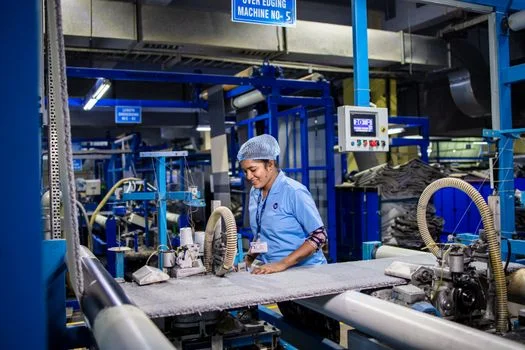
Matching wastewater treatment equipment to Alabama's specific influent characteristics—such as high FOG in coastal regions or high BOD in industrial hubs—is critical for maintaining 2025 compliance. ADEM has signaled a clear preference for "low-maintenance" technologies that reduce the burden on municipal staff. This preference often dictates the selection of headworks equipment, where low-maintenance bar screens for Alabama's headworks (GX Series) are favored over complex step screens due to their lower O&M cost ($0.02 vs $0.05 per 1,000 gallons).
For nutrient removal, the decision framework typically hinges on the specific discharge limits of the receiving water body. If the plant is located in a Chesapeake Bay tributary requiring TN ≤ 3.0 mg/L, MBR is the most reliable choice. However, if the permit allows TN ≤ 8.0 mg/L, tertiary filters may offer a lower CapEx alternative. The following table provides a decision framework for technology selection based on Alabama's regulatory requirements.
| Influent Characteristic | Required Compliance | Recommended Technology | Removal Efficiency |
|---|---|---|---|
| FOG > 100 mg/L | ADEM FOG Mandate | Dissolved Air Flotation (DAF) | 90% FOG Removal |
| TN ≤ 3.0 mg/L | Nutrient Sensitivity | MBR / 5-Stage Bardenpho | 95% TN Removal |
| Hydraulic Surge | Peak Flow Management | Flow Equalization Tanks | Stabilized HRT |
| High Labor Costs | OPEX Reduction | Automated chemical dosing to reduce Alabama's high labor costs | 15% Chemical Savings |
A notable case study is the Mobile MAWSS CC Williams WWTP upgrade. In 2022, the facility transitioned from conventional activated sludge to a 5-stage Bardenpho process with a $22 million CapEx. The results were immediate: effluent TN dropped from 12 mg/L to 2.8 mg/L, comfortably meeting the new NPDES permit. This project highlights the necessity of selecting equipment that can handle the high-salinity and high-FOG influent typical of Alabama’s Gulf Coast while maintaining strict nutrient limits.
2025 Cost Breakdown for Municipal Wastewater Plant Upgrades in Alabama
The 2025 capital expenditure (CapEx) for a new 1 MGD municipal wastewater plant in Alabama averages $15 million for MBR technology, reflecting regional labor and material premiums. While national averages for MBR hover around $12 million, Alabama's specific market conditions—including a 15% labor premium for certified wastewater welders and a 10% increase in specialized material costs—necessitate higher budget allocations. Municipalities should also compare these figures against comparative cost data for wastewater treatment plants in the U.S. to justify state-level funding requests.
| Capacity (MGD) | Conventional CAS (CapEx) | MBR System (CapEx) | DAF + Tertiary (CapEx) |
|---|---|---|---|
| 1 MGD | $8M - $10M | $14M - $16M | $11M - $13M |
| 5 MGD | $35M - $42M | $55M - $62M | $45M - $50M |
| 10 MGD | $65M - $75M | $90M - $110M | $80M - $85M |
Operating expenditures (OPEX) in Alabama are heavily influenced by rising labor costs. Operator wages in the state average $32/hr, which is approximately 15% higher than the national average. Consequently, labor accounts for 40% of the total OPEX. To mitigate these costs, many Alabama POTWs are implementing automated systems. An automated chemical dosing system, for example, typically yields an ROI within 18 months by reducing chemical waste and manual oversight. understanding how Oklahoma's municipal plants handle hydraulic overload and nutrient removal can provide Alabama engineers with alternative cost-effective strategies for wet-weather management.
Funding for these upgrades is primarily sourced through ADEM’s Clean Water State Revolving Fund (SRF), which currently offers 2.5% interest rates over 20-year terms. For larger projects exceeding $20 million, EPA WIFIA loans provide an even lower rate of approximately 1.5%. Leveraging these funds is essential for Alabama cities to meet the estimated $2.5 billion in total infrastructure needs over the next decade.
Compliance Checklist for Alabama Municipal Wastewater Plants
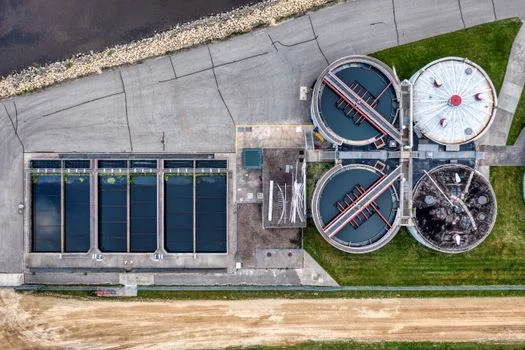
ADEM NPDES permits require consistent compliance with BOD and TSS limits of ≤ 30 mg/L, but recent mandates for Chesapeake Bay tributaries have introduced stricter nutrient thresholds. To ensure zero-risk compliance, engineers must follow a rigorous verification process during the design and upgrade phases. Failure to meet these standards can result in ADEM fines starting at $500 per day per violation.
- Core ADEM NPDES Limits:
- BOD5: ≤ 30 mg/L (Monthly Average)
- TSS: ≤ 30 mg/L (Monthly Average)
- Ammonia (NH3-N): ≤ 2.0 mg/L (Summer) / ≤ 5.0 mg/L (Winter)
- pH: 6.0 – 9.0 Standard Units
- Dissolved Oxygen (DO): ≥ 5.0 mg/L
- EPA Region 4 Requirements:
- Total Residual Chlorine: ≤ 0.01 mg/L (requires dechlorination)
- Whole Effluent Toxicity (WET): Quarterly Chronic/Acute Testing
- Nutrient Limits (Tributaries): TN ≤ 3.0 mg/L, TP ≤ 1.0 mg/L
- Pre-Construction Milestones:
- Secure 401 Water Quality Certification from ADEM.
- Conduct EPA EJScreen review for disadvantaged community impact.
- Complete 30-day public notice and comment period.
- Reporting Obligations:
- Submit monthly Discharge Monitoring Reports (DMRs) via ADEM eFile.
- Annual Sludge/Biosolids Report (due February 19th).
Frequently Asked Questions
Q: What are the most common NPDES violations for Alabama POTWs, and how can they be prevented?
A: Approximately 70% of violations in Alabama are related to hydraulic overload during extreme weather events. Prevention strategies include the installation of flow equalization tanks (averaging $2M for 5 MGD) and real-time influent monitoring. For example, the Tuscaloosa WWTP reduced violations by 80% after installing a 2 MGD equalization tank in 2021.
Q: How do Alabama's labor costs impact OPEX for wastewater plants?
A: Alabama’s operator wages are $32/hr, significantly higher than the national average. This increases OPEX by roughly $0.12 per 1,000 gallons. Mitigation involves deploying automated chemical dosing to reduce Alabama's high labor costs and remote monitoring systems to minimize on-site staffing requirements.
Q: What are the best treatment technologies for Alabama's high-FOG influent?
A: DAF systems for high-FOG influent in Alabama's coastal and industrial zones are the gold standard, achieving 90% removal. This is critical for plants in Mobile and Montgomery where influent FOG can exceed 150 mg/L, protecting downstream biological processes from fouling.
Q: How does ADEM's preference for 'low-maintenance' technologies affect equipment selection?
A: ADEM favors equipment with minimal moving parts. For headworks, low-maintenance bar screens for Alabama's headworks are preferred over step screens. The GX Series, for instance, requires only 1 hour of maintenance per month, compared to 4 hours for traditional screens, reducing OPEX by $0.03/1,000 gallons.
Q: What funding options are available for upgrading Alabama POTWs to meet nutrient limits?
A: The primary options are the ADEM Clean Water SRF (2.5% interest) and EPA WIFIA loans (1.5% interest for projects >$20M). Small municipalities (<10,000 residents) may also qualify for USDA Rural Development grants. Montgomery Catoma Creek successfully secured $18M in SRF funding for its recent MBR nutrient upgrade.