PCB grinding wastewater contains high concentrations of copper (500–2,000 mg/L), abrasive particles (1,000–5,000 mg/L TSS), and grinding fluids, requiring specialized treatment to meet China GB 39731-2020 limits (Cu ≤ 0.5 mg/L) and enable zero liquid discharge (ZLD). Advanced systems combine dissolved air flotation (DAF) for TSS removal (95–98%), ion exchange for copper recovery (99.9%), and reverse osmosis (RO) for ZLD, with typical CapEx of $500,000–$2M for 50–200 m³/h plants. Copper recovery can offset 30–50% of OpEx, making ZLD economically viable for high-volume manufacturers.
Why PCB Grinding Wastewater Requires Specialized Treatment
PCB grinding wastewater differs fundamentally from etching or cleaning streams due to its high concentration of abrasive suspended solids (1,000–5,000 mg/L) and multi-phase metal particles. While etching wastewater contains high concentrations of dissolved copper ions, grinding wastewater—generated during board thinning, edge trimming, and surface leveling—contains copper in both dissolved and solid particulate forms. These particulates are often mixed with ceramic, glass fiber, and resin fragments from the board substrate, creating a complex slurry that exceeds the capacity of standard sedimentation tanks.
Conventional sedimentation often fails in this application because the particle size distribution is dominated by fine matter (1–50 μm). Ceramic and glass particles have low settling velocities and are prone to remaining in suspension. the presence of grinding fluids (surfactants and lubricants) can stabilize these particles through steric hindrance, preventing natural flocculation. Failure to remove these solids before downstream processes leads to rapid fouling of ion exchange resins and RO membranes.
Compliance is the primary driver for specialized treatment. Under the global regulatory standards for PCB wastewater discharge, limits have tightened significantly. China’s GB 39731-2020 mandates copper levels below 0.5 mg/L, matching the stringent EU Urban Waste Water Directive (91/271/EEC), while the US EPA typically enforces a limit of 1.3 mg/L for direct discharge. Because grinding processes often use water-based fluids with varying pH (2–12), a robust, automated treatment train is required to maintain stability.
| Parameter | Grinding Wastewater | Etching Wastewater | Cleaning/Rinse Water |
|---|---|---|---|
| Copper (Cu) | 500–2,000 mg/L (Mixed) | 15,000–50,000 mg/L (Dissolved) | 10–50 mg/L (Dissolved) |
| TSS | 1,000–5,000 mg/L | <100 mg/L | <50 mg/L |
| Particle Composition | Cu, Ceramic, Glass, Resin | Minimal solids | Trace dust |
| Treatment Focus | Solid/Liquid Separation + Recovery | Direct Metal Recovery | RO Reclamation |
For a deeper dive into the chemical differences, engineers should consult how etching wastewater treatment differs from grinding wastewater to ensure stream segregation is optimized at the plant level.
Contaminant Profile of PCB Grinding Wastewater: Engineering Specs
Engineering design for PCB grinding wastewater treatment must account for a particle size distribution where 60% to 70% of solids fall between 1 and 50 μm. These fine particles are primarily composed of abrasive media (silicon carbide or aluminum oxide) and substrate glass fibers. Larger copper fragments, typically in the 50–200 μm range, account for the bulk of the metal weight, while colloidal matter (0.1–1 μm) consists of emulsified grinding oils and surfactants (HydropureWater field data, 2025).
The chemical oxygen demand (COD) in grinding wastewater is usually moderate (500–1,500 mg/L), driven largely by the organic surfactants used to reduce friction and heat during the grinding process. However, if oil-based grinding fluids are used, COD can spike, requiring an additional oil-water separation step. The following table outlines the typical influent specs used for system sizing:
| Contaminant | Typical Range | Average Value | Regulatory Limit (GB 39731) |
|---|---|---|---|
| Total Copper (Cu) | 500 – 2,000 mg/L | 1,200 mg/L | ≤ 0.5 mg/L |
| Total Suspended Solids (TSS) | 1,000 – 5,000 mg/L | 2,500 mg/L | ≤ 30 mg/L |
| CODcr | 300 – 1,500 mg/L | 800 mg/L | ≤ 80 mg/L |
| pH | 2.0 – 12.0 | 7.5 (Fluctuating) | 6.0 – 9.0 |
| Fluoride (F-) | 5 – 20 mg/L | 12 mg/L | ≤ 10 mg/L |
| Oil & Grease | 50 – 200 mg/L | 110 mg/L | ≤ 3.0 mg/L |
Engineers must also consider the specific gravity of the solids. Copper has a specific gravity of approximately 8.9, while the abrasive ceramics range from 2.5 to 4.0. This density differential means that while copper may settle, the lighter abrasive particles will remain buoyant, especially in the presence of microbubbles or air entrainment from the grinding tools. This makes Dissolved Air Flotation (DAF) a more reliable choice than gravity clarifiers for comprehensive TSS removal.
Treatment Train for PCB Grinding Wastewater: Step-by-Step Process Flow
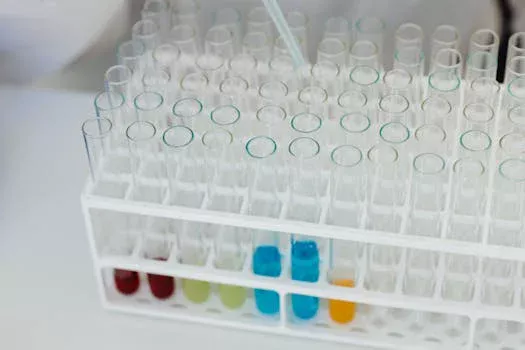
The optimal treatment train for PCB grinding wastewater follows a sequence of mechanical screening, high-rate dissolved air flotation, and selective ion exchange for metal recovery. This multi-stage approach ensures that the high solid load does not compromise the high-precision recovery and ZLD components.
Step 1: Pretreatment and Coarse Solids Removal
Wastewater first enters a collection sump where a GX Series bar screen for coarse solids removal in PCB grinding wastewater captures large board fragments and debris (>500 μm). The water then flows into an equalization tank with a hydraulic retention time (HRT) of 2–4 hours. Air agitation is necessary here to prevent the heavy copper particles from settling and compacting at the bottom of the tank.
Step 2: High-Efficiency TSS Removal (DAF)
The core of the solids removal process is the DAF system for PCB grinding wastewater TSS removal. By injecting microbubbles (30–100 μm), the system attaches to the abrasive particles and resin fragments, lifting them to the surface for skimming. With proper coagulant (PAC) and flocculant (PAM) dosing, DAF achieves 95–98% TSS removal, reducing the influent to the recovery stage to <50 mg/L TSS.
Step 3: Copper Recovery (IX or Electrolytic)
Once the solids are removed, the dissolved copper is recovered. For concentrations between 1–5 g/L, selective Ion Exchange (IX) is the standard. Chelating resins specifically target copper ions even in the presence of calcium or magnesium. For higher concentrations (>5 g/L), electrolytic recovery (electrowinning) is used to produce high-purity copper cathodes directly from the wastewater.
Step 4: Zero Liquid Discharge (ZLD) Compliance
The effluent from the recovery stage contains residual salts and trace organics. Industrial RO systems for ZLD in PCB grinding wastewater treatment concentrate these salts, recovering 90–95% of the water for reuse in the grinding process. The remaining brine is sent to an evaporator (MVR or multi-effect) to achieve true ZLD, leaving only dry salt cake for disposal.
Copper Recovery from Grinding Wastewater: Technologies and Economics
Copper recovery via ion exchange or electrowinning from grinding wastewater can offset 30% to 50% of total plant operating expenses. For PCB manufacturers, the "waste" from grinding is essentially a diluted ore. Recovering this metal is not just a compliance strategy but a significant revenue stream that shortens the payback period of the capital equipment.
Ion Exchange (IX) is the most flexible technology for grinding applications. It is capable of reducing copper concentrations from 1,000 mg/L down to <0.1 mg/L, ensuring the water is safe for RO membranes. Electrolytic recovery, while having a higher CapEx, produces a solid metal product that can be sold at 90–95% of the LME (London Metal Exchange) spot price. In contrast, chemical precipitation produces a hazardous sludge that incurs high disposal costs, often exceeding $200–$500 per ton.
| Technology | Cu Removal % | CapEx (per m³) | OpEx (per m³) | Economic Output |
|---|---|---|---|---|
| Ion Exchange (IX) | 99.9% | $50 – $150 | $5 – $15 | Copper sulfate solution |
| Electrolytic | 95 – 99% | $200 – $500 | $10 – $30 | High-purity Cu plate |
| Chemical Prep. | 90 – 95% | $20 – $50 | $2 – $8 | Hazardous sludge (Cost) |
ROI Case Study: A mid-sized PCB plant processing 100 m³/h of grinding wastewater with an average copper concentration of 1,200 mg/L can recover approximately 110–120 kg of copper per day (accounting for recovery efficiency). At a conservative copper price of $8/kg, this generates $880–$960 in daily revenue. Over a 300-day production year, this equates to ~$270,000, typically covering the OpEx of the entire wastewater facility and providing a full CapEx payback within 3–4 years.
Zero Liquid Discharge (ZLD) for PCB Grinding Wastewater: Costs and Compliance
Implementing a Zero Liquid Discharge (ZLD) system for PCB grinding wastewater requires a capital investment ranging from $500,000 to $2,000,000 for plants processing 50 to 200 m³/h. These costs are driven by the integration of high-pressure RO membranes and thermal evaporation units. However, the regulatory landscape—particularly China's GB 39731-2020 and the EU Industrial Emissions Directive (2010/75/EU)—is increasingly making ZLD the only viable long-term strategy for electronics manufacturers in water-stressed regions.
The primary components of a ZLD system for this application include a DAF system for primary solids removal, an IX unit for polishing, and industrial RO systems for water reclamation. The final stage is usually a Mechanical Vapor Recompression (MVR) evaporator. While MVR has a high initial cost, its energy efficiency is significantly higher than traditional steam-driven evaporation, lowering the long-term OpEx.
| Flowrate (m³/h) | Typical CapEx | Typical OpEx ($/m³) | Key Compliance Driver |
|---|---|---|---|
| 50 m³/h | $500,000 – $750,000 | $12 – $15 | Local POTW limits |
| 100 m³/h | $900,000 – $1.3M | $9 – $12 | GB 39731-2020 / ZLD |
| 200 m³/h | $1.8M – $2.2M | $6 – $9 | Water Scarcity Policies |
The risk of non-compliance extends beyond fines; many jurisdictions now have the authority to halt production if copper limits are exceeded or if hazardous brine is disposed of illegally. By converting wastewater into reusable water and sellable copper, ZLD transforms a compliance liability into a predictable utility cost. For more details on the financial modeling of these systems, see our detailed engineering specs for copper recovery from PCB wastewater.
How to Select the Right PCB Grinding Wastewater Treatment System
Selection of a treatment system for PCB grinding wastewater is governed by the daily hydraulic load, the specific gravity of the abrasive particles, and the required final copper concentration. For small facilities (<50 m³/h), the priority is often minimizing CapEx. In these cases, a combination of DAF and chemical precipitation is common, though the manufacturer must be prepared for higher hazardous waste disposal fees.
Medium and large-scale facilities (>50 m³/h) should prioritize OpEx and metal recovery. The decision framework below assists procurement teams in aligning technology with production goals:
| Plant Size | Primary Goal | Recommended Train |
|---|---|---|
| Small (<50 m³/h) | Low CapEx | GX Screen + DAF + Chemical Precipitation |
| Medium (50-200 m³/h) | Cu Recovery + Reuse | DAF + IX + RO + Brine Concentrator |
| Large (>200 m³/h) | ZLD + Max ROI | DAF + Electrolytic Recovery + RO + MVR |
Selection Checklist for Engineers:
- Solids Loading: Does the DAF system have sufficient surface area for 5,000 mg/L TSS?
- Copper Speciation: Is the copper primarily particulate (requires DAF) or dissolved (requires IX)?
- Fluid Compatibility: Are the RO membranes resistant to the specific surfactants used in your grinding fluids?
- Regulatory Buffer: Does the system achieve <0.3 mg/L Cu to ensure a safety margin against the 0.5 mg/L limit?
Frequently Asked Questions
What is the typical copper concentration in PCB grinding wastewater? Typical concentrations range from 500 to 2,000 mg/L. This includes both dissolved ions and fine copper particulates generated during the mechanical abrasion of the circuit boards.
Can DAF systems handle the high TSS in grinding wastewater? Yes, DAF systems are specifically designed for high TSS loads. They achieve 95–98% removal of particles sized 1–200 μm. However, pH adjustment to 6.0–8.0 is required to ensure optimal floc formation before the flotation stage.
What is the payback period for copper recovery systems? For plants treating 50–200 m³/h, the payback period is typically 2 to 5 years. The recovery of high-purity copper can offset 30% to 50% of the total system operating costs, depending on current market metal prices.
Are there alternatives to ZLD for PCB grinding wastewater? Alternatives include discharging to a Publicly Owned Treatment Works (POTW) or partial reuse for low-grade applications like cooling towers. However, as regulations like China's GB 39731-2020 become standard, ZLD is increasingly the only way to guarantee long-term operational permits.
What are the key regulatory limits for PCB grinding wastewater? The primary limits are: China (GB 39731-2020): Cu ≤ 0.5 mg/L, F ≤ 10 mg/L; EU (91/271/EEC): Cu ≤ 0.5 mg/L; USA (EPA): Cu ≤ 1.3 mg/L. Most ZLD systems are designed to exceed these standards, often reaching <0.1 mg/L Cu.