Compact sewage treatment units outperform conventional septic systems and many alternatives in space efficiency and effluent quality—achieving <1 NTU turbidity and 95%+ BOD removal in 60% less footprint than traditional plants. For industrial and commercial sites with limited land, automated MBR or A/O-based packaged units offer faster permitting and lower long-term OPEX versus septic mounds or sand filters.
Consider a boutique hotel developer in a coastal region. Facing high water tables and a strict local ordinance requiring nitrogen reduction to under 10 mg/L, a traditional septic tank and leach field is non-viable due to the 500-square-meter footprint required. In such scenarios, the decision-maker must weigh the high capital cost of advanced membrane systems against the land-intensive but cheaper-to-install passive alternatives. This guide provides the data-driven technical and economic comparison necessary to navigate these trade-offs in 2025.
What Is a Compact Sewage Treatment Unit?
Compact sewage treatment units are prefabricated, skid-mounted or buried systems designed for decentralized wastewater treatment with flows ranging from 1 to 200 m³/day. Unlike municipal-scale infrastructure, these units are engineered for onsite deployment, providing a "plug-and-play" solution for remote communities, healthcare facilities, and industrial parks where connection to a central sewer is impossible or cost-prohibitive.
These systems typically integrate three to four stages of treatment into a single vessel. This includes primary settling (clarification), biological treatment—often utilizing Anoxic/Oxic (A/O) processes or Membrane Bioreactors (MBR)—and a final disinfection stage. Modern units are often fully automated with PLC (Programmable Logic Controller) systems, allowing for remote monitoring and minimal manual intervention. For example, a fully automated underground compact sewage treatment unit can handle flows from 1 to 80 m³/h using contact oxidation, while specialized medical units can achieve a 99% pathogen kill rate using ozone or chlorine dioxide in a footprint as small as 0.5 m².
Compliance is a primary driver for adopting these units. They are frequently used to meet stringent international standards, such as the EU Urban Wastewater Directive 91/271/EEC or WHO guidelines for effluent discharge in sensitive environments. By consolidating complex biological processes into a modular format, these units eliminate the need for extensive onsite civil engineering and reduce the risk of environmental contamination associated with older, passive technologies.
Key Alternatives to Compact Treatment Units
Conventional septic systems and their biological alternatives represent a spectrum of decentralized treatment, ranging from passive 40% BOD removal to active 95% nutrient reduction. To select the right system, procurement officers must understand the technical limitations and site requirements of each major alternative.
The following alternatives are available.- Septic Tank + Drainfield: This is the most common conventional system. It relies on a primary tank for solids settling and a subsurface leach field for biological filtration. While low-cost, it only achieves 20–40% BOD removal and requires a large, permeable land area (EPA 2018). It is unsuitable for sites with high water tables, rocky soil, or limited acreage.
- Aerobic Treatment Unit (ATU): ATUs act like a "miniature municipal plant," using forced aeration to stimulate aerobic bacteria. This boosts BOD removal to 85–90%. However, they require constant power, generate noise from blowers, and necessitate more frequent maintenance than passive systems.
- Mound Systems: These are essentially elevated sand filters used in areas with poor soil drainage or high groundwater. While effective, they have a 30–50% higher installation cost than conventional septic systems and a 15–20% larger footprint due to the required side slopes.
- Recirculating Sand Filter (RSF): An RSF pumps effluent through a sand bed multiple times. It achieves high-quality effluent (90–95% TSS and BOD removal) but demands significant maintenance, including periodic media replacement every 5–7 years and frequent backwashing to prevent clogging.
- Constructed Wetlands: These systems use natural processes involving wetland vegetation and soil microbes. While they are low-energy and aesthetically pleasing, they are incredibly land-intensive, requiring 5–10 m² per person equivalent (PE). For an industrial site with 100 employees, this could mean sacrificing 1,000 m² of high-value land.
For more context on how these components integrate into larger systems, facility managers often review technical specs and selection criteria for MBR systems to see how biological stages differ from passive filtration.
Performance Comparison: Effluent Quality and Treatment Efficiency
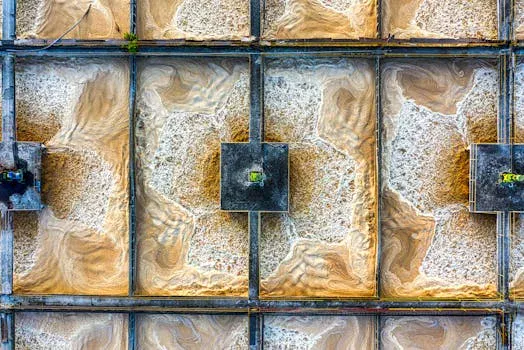
Compact Membrane Bioreactor (MBR) units deliver effluent with turbidity levels below 5 NTU and COD removal rates exceeding 95%, making them suitable for non-potable reuse. This level of performance is critical for sites aiming for "zero liquid discharge" or those discharging into protected inland water bodies.
In contrast, standard Aerobic Treatment Units (ATUs) struggle with nitrogen and phosphorus removal unless a dedicated denitrification stage is added. Dissolved Air Flotation (DAF) systems, while excellent at removing Total Suspended Solids (TSS) and Fats, Oils, and Grease (FOG) at rates of 90–98%, are generally considered pre-treatment technologies. They require a downstream biological stage to address soluble BOD. Conventional septic systems typically fail to meet modern environmental standards for surface discharge, as their effluent remains high in pathogens and ammonia (HydropureWater field data, 2025).
| Parameter | Compact MBR Unit | Aerobic Unit (ATU) | Septic + Drainfield | Sand Filter |
|---|---|---|---|---|
| BOD5 Removal | 95–99% | 85–90% | 40–60% | 90–95% |
| TSS Removal | >99% | 85–92% | 50–70% | 90–95% |
| Effluent Turbidity | <1 NTU | 10–20 NTU | >50 NTU | 5–10 NTU |
| Nitrogen Removal | High (w/ Anoxic) | Moderate | Low | Moderate |
| Reuse Potential | High (Irrigation/Flush) | Limited | None | Moderate |
When evaluating these metrics, engineers must consider the "compliance buffer." A system that barely meets a 20 mg/L BOD limit today may fail tomorrow if influent strength spikes. A high-efficiency MBR wastewater treatment system with 60% smaller footprint provides a significant safety margin due to its ultra-filtration capabilities.
Footprint, Installation, and Space Requirements
Packaged wastewater treatment units require up to 60% less surface area than conventional gravity-fed septic systems of equivalent capacity. For a facility processing 10 m³/day, a compact WSZ-10 unit can be housed in a footprint of approximately 4m x 2m. This is a critical advantage for hospitals, shopping centers, or industrial plants located in urban or "brownfield" sites where every square meter of land is valued at a premium.
Alternative systems often demand expansive buffer zones. Mound systems, for instance, must be elevated above the natural grade, which not only increases the physical footprint but also limits the future use of adjacent land. Constructed wetlands, while ecologically sound, are often impractical for dense developments because they cannot be buried or stacked. Compact units, however, are modular; they can be installed underground with only access manholes visible at the surface, or even containerized for temporary use at remote mining camps or disaster relief sites. This modularity also allows for "phased" expansion—adding a second unit as site occupancy increases—rather than over-building a massive septic field from day one.
Cost Analysis: Capital, OPEX, and ROI
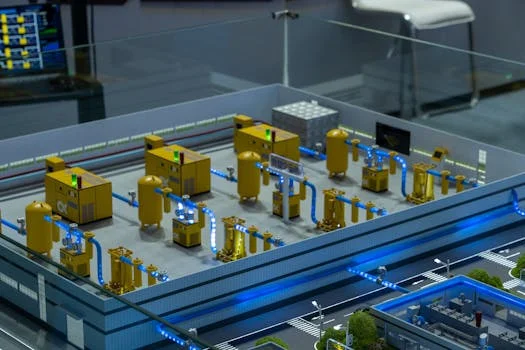
While compact packaged units often carry a 15–25% higher initial capital expenditure (CAPEX) than conventional septic systems, they typically reduce long-term operational costs (OPEX) by 30–40% through automation. Procurement officers must look beyond the sticker price to the 10-year lifecycle cost. Conventional systems may appear cheaper initially, but the cost of frequent pumping, manual filter cleaning, and the risk of leach field failure (which can cost $20,000+ to replace) often erodes those savings.
For MBR-based compact units, the primary OPEX drivers are electricity for aeration and membrane replacement every 5 to 7 years. However, these costs are offset by the reduction in labor. An automated WSZ series unit requires less than one hour of maintenance per month, whereas complex sand filters or manual chemical dosing systems may require weekly oversight. In many jurisdictions, the ability to reuse treated effluent for landscape irrigation provides a direct ROI by reducing municipal water bills.
| Cost Factor | Compact Unit (MBR/AO) | Septic Mound System | Sand Filter System |
|---|---|---|---|
| Estimated CAPEX | $20,000 – $45,000 | $15,000 – $25,000 | $12,000 – $20,000 |
| Annual OPEX | $500 – $1,200 | $200 – $400 | $600 – $1,000 |
| Maintenance Frequency | Quarterly Inspection | Annual Pumping | Monthly Cleaning |
| Land Value Loss | Minimal (Underground) | High (Surface Area) | Moderate |
| ROI (Water Reuse) | 2–4 Years | N/A | 5–7 Years |
For those operating in specific international markets, it is helpful to consult real-world cost and supplier data for packaged plants in emerging markets to understand how regional labor and material costs influence these totals.
Decision Framework: Which System Fits Your Site?
The right system depends on several factors.Selecting the optimal wastewater treatment technology requires a weighted evaluation of site-specific constraints, including land availability, discharge permit stringency, and available maintenance labor. A "one-size-fits-all" approach often leads to either regulatory non-compliance or unnecessary capital waste.
Choose a Compact Sewage Treatment Unit if:
- The available land is less than 50 m² for a commercial application.
- Local regulations require BOD <10 mg/L or Total Nitrogen <15 mg/L.
- You intend to reuse effluent for toilet flushing or cooling towers.
- The site has a high water table or impermeable "tight" soils.
Choose an ATU or Septic Alternative if:
- You are upgrading an existing residential-scale septic system with ample land.
- Budget constraints are the primary driver and discharge requirements are moderate.
- The soil percolation rate is high, and there are no nearby sensitive water bodies.
For industrial facility managers dealing with variable loads—such as food processing or pharmaceutical manufacturing—an MBR unit or a DAF-to-Biological combination is often the only way to ensure consistent compliance