Why Industrial Buyers Choose Prefabricated Wastewater Plants in 2025
Facing the stringent EPA 2025 discharge limits, industrial facilities are increasingly turning to prefabricated wastewater solutions. For a food processing plant in Shandong, a sudden mandate to reduce COD to below 50 mg/L within six months presented a significant challenge. Traditional site-built plants, with their lengthy design and construction phases, were not a viable option. Prefabricated systems, however, offer a critical advantage: a 3-6 month timeline from order to commissioning, compared to the 12-24 months typical for conventional construction. This speed is crucial for meeting compliance deadlines and avoiding substantial fines. Beyond regulatory pressures, space constraints in urban factories or remote mining operations often make the 50% smaller footprint of modular plants a decisive factor. the unpredictable cost overruns common in site-built projects, which can reach 20-30% above initial estimates, are mitigated by the fixed CapEx of prefabricated units, typically ranging from $500–$2,000/m³/day. These factors collectively drive the adoption of prefabricated plants for their predictability, speed, and efficiency in today's demanding industrial landscape.
Prefabricated Wastewater Plant Working Principle: Step-by-Step Process Flow
Prefabricated wastewater plants operate through a series of integrated, factory-tested modular units, ensuring consistent effluent quality and rapid deployment. The standard process flow typically begins with preliminary treatment, progressing through biological and tertiary stages, and culminating in disinfection and sludge management. This modular approach allows for precise control over each treatment step, leading to high removal efficiencies that meet global standards like those set by the WHO for water reuse in water-scarce regions.
Step 1: Screening and Equalization
Influent wastewater first passes through rotary drum screens, such as the GX Series, which effectively remove large debris (e.g., >1 mm). This is followed by equalization tanks designed to buffer flow variations and dampen concentration spikes, accommodating influent flows ranging from 20-300 m³/h and incoming COD levels up to 2,000 mg/L. This step ensures a stable feed to downstream processes.
Step 2: Primary Treatment
Dissolved Air Flotation (DAF) systems, like HydropureWater's, are employed for primary treatment. Utilizing micro-bubble flotation at saturation pressures of 0.5-1.5 bar, these units achieve 92-97% removal of Suspended Solids (TSS) and 60-80% reduction of Fats, Oils, and Grease (FOG).
Step 3: Biological Treatment
The core of the organic pollutant removal occurs here. Options include extended aeration processes (e.g., A/O configurations) or advanced Membrane Bioreactor (MBR) systems, such as the DF Series. These stages typically reduce Chemical Oxygen Demand (COD) by 85-95% and Biochemical Oxygen Demand (BOD) by 90-98%. MBR systems, in particular, deliver exceptionally clear effluent with turbidity consistently below 1 NTU, a significant improvement over the 5-10 NTU typical of conventional activated sludge systems.
Step 4: Tertiary Polishing
For applications requiring higher effluent quality, such as water reuse for cooling tower makeup, tertiary treatment is implemented. This often involves multi-media filters capable of 95%+ TSS removal or Reverse Osmosis (RO) systems for near-complete salt rejection.
Step 5: Disinfection
Pathogen inactivation is achieved through disinfection methods. Chlorine dioxide generators or ozone systems, like the HydropureWater ozone generator, can achieve a 99.9% kill rate of microorganisms, meeting standards like EPA 40 CFR Part 503 Class A for biosolids management.
Step 6: Sludge Handling
The generated sludge is dewatered using equipment such as plate-and-frame filter presses. These units can dewater sludge to 25-35% solids content, significantly reducing disposal volumes and associated costs by 40-60%.
| Process Step | Key Components | Typical Influent Conditions (Example) | Typical Effluent Quality (Example) | Removal Efficiency (Example) | Flow Rate Range |
|---|---|---|---|---|---|
| Screening & Equalization | Rotary Drum Screen (GX Series) | COD: 500-2000 mg/L | N/A (Pre-treatment) | Debris >1 mm removed | 20-300 m³/h |
| Primary Treatment | Dissolved Air Flotation | TSS: 200-500 mg/L, FOG: 100-300 mg/L | TSS: < 20 mg/L, FOG: < 20 mg/L | TSS: 92-97%, FOG: 60-80% | 4-300 m³/h |
| Biological Treatment | MBR System (DF Series) | COD: 300-1000 mg/L, BOD: 150-500 mg/L | COD: < 50 mg/L, BOD: < 10 mg/L, Turbidity: < 1 NTU | COD: 85-95%, BOD: 90-98% | 10-2000 m³/day |
| Tertiary Polishing | Multi-Media Filter / RO | Turbidity: < 5 NTU | Turbidity: < 1 NTU / Salt Rejection: 99% | TSS: 95%+ | Varies by module |
| Disinfection | Ozone Generator | N/A (Microbial load) | Pathogen kill: 99.9% | N/A | Varies by module |
| Sludge Handling | Plate-and-Frame Filter Press | Sludge Volume: Varies | Solids Content: 25-35% | Cost reduction: 40-60% | 1-500 m² (press area) |
Modular Components Explained: DAF, MBR, and Chemical Dosing Skids
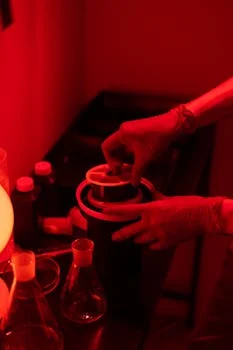
Prefabricated wastewater treatment plants leverage specialized, high-performance modules that are engineered for specific treatment objectives. The integration of these modules on skids or within containers ensures rapid deployment and consistent operational performance. Key components like Dissolved Air Flotation (DAF) systems, Membrane Bioreactors (MBR), and automated chemical dosing skids form the backbone of these advanced systems.
Our DAF systems are engineered for efficient removal of suspended solids, FOG, and other buoyant materials. Utilizing micro-bubble technology with bubble diameters typically ranging from 30-50 μm, these units are highly effective in treating wastewater from industries such as food processing, where FOG levels can exceed 1,000 mg/L, and pulp and paper mills with TSS concentrations above 500 mg/L. The DAF systems offer a capacity range of 4-300 m³/h and consume approximately 0.3-0.5 kWh/m³ of treated water.
MBR Systems (DF Series)
The DF Series MBR systems integrate advanced biological treatment with membrane filtration, achieving effluent quality suitable for reuse. These systems employ flat-sheet PVDF membranes with a precise 0.1 μm pore size, coupled with integrated aeration for membrane scouring. MBR plants are ideal for treating challenging industrial effluents, such as semiconductor rinse water with COD below 300 mg/L, to meet strict reuse standards (e.g., <10 mg/L BOD, <5 mg/L Total Nitrogen (TN)). They operate with an energy consumption of 0.6-1.2 kWh/m³ and can handle flow rates from 10 to 2,000 m³/day.
Chemical Dosing Skids
Automated chemical dosing skids are essential for precise chemical addition in various treatment stages. These systems, featuring PLC control, accurately inject coagulants (e.g., FeCl₃, PAC) and flocculants (e.g., anionic polyacrylamide) with a dosing accuracy of ±1%. They are critical for treating high-strength industrial wastewater, such as PCB manufacturing effluent where chromium levels can exceed 100 mg/L, ensuring optimal performance of upstream and downstream processes. Such systems are also crucial for prefab solutions for PCB chromium wastewater treatment.
Containerized vs. Skid-Mounted Configurations
Prefabricated plants are offered in two primary configurations: containerized units, typically housed within standard 20-ft ISO shipping containers, are ideal for temporary sites like mining camps or construction projects requiring rapid deployment and easy relocation. Skid-mounted units are designed for permanent installations, such as factories, and are built on robust steel frames, offering flow rates from 1 to 80 m³/h, with flexibility in layout and integration.
| Module Type | Series | Key Technology | Typical Application | Capacity Range | Energy Use (kWh/m³) | Pore Size (MBR) | Typical Removal Efficiency |
|---|---|---|---|---|---|---|---|
| Dissolved Air Flotation (DAF) | DAF line | Micro-bubble Flotation (30-50 μm) | Food Processing, Pulp & Paper | 4-300 m³/h | 0.3-0.5 | N/A | TSS: 92-97%, FOG: 60-80% |
| Membrane Bioreactor (MBR) | DF Series | Flat-sheet PVDF Membranes | Semiconductor, Industrial Reuse | 10-2,000 m³/day | 0.6-1.2 | 0.1 μm | COD: 85-95%, BOD: 90-98%, Turbidity: <1 NTU |
| Chemical Dosing Skid | Automated PLC Control | Precise Injection | High-Strength Industrial Wastewater | Varies | Negligible (pump power) | N/A | Dosing Accuracy: ±1% |
Prefabricated vs. Site-Built Plants: 2025 Cost, Performance, and Risk Comparison
The decision between a prefabricated and a site-built wastewater treatment plant is a critical one, impacting long-term operational costs, project timelines, and compliance certainty. In 2025, data indicates significant advantages for prefabricated modular systems across several key metrics. A comparative analysis reveals that prefabricated plants offer substantial savings in both capital and operational expenditures, alongside reduced risks.
Capital Expenditure (CapEx): Prefabricated plants typically range from $500–$2,000/m³/day, representing a 20-30% cost saving compared to site-built plants, which often fall between $800–$3,000/m³/day. This cost certainty is a major advantage for budget planning.
Operational Expenditure (OPEX): Prefabricated systems demonstrate 30-40% lower energy consumption, with operational energy use between 0.3-1.2 kWh/m³ compared to 1.5-2.5 kWh/m³ for many site-built equivalents. Automated chemical dosing further contributes to an estimated 20% reduction in chemical costs.
Footprint: The modular design of prefabricated plants results in a significantly smaller footprint, often 50-70% less than conventional plants. For instance, a 500 m³/day prefabricated plant might occupy 200 m², while a site-built equivalent could require 600 m².
Compliance Risk: Factory testing and standardization give prefabricated plants a higher probability of first-time compliance, estimated at 95%. Site-built plants, subject to on-site variability and construction challenges, often have a compliance rate closer to 70%.
Decision Framework: The choice hinges on project specifics. Prefabricated plants are generally preferred for projects with timelines under 12 months, remote site deployments, or when treating high-strength wastewater (COD >1,000 mg/L). Site-built plants may be more suitable for very large capacities (>5,000 m³/day) or when highly customized, complex tertiary treatment stages are mandated.
| Metric | Prefabricated Plant | Site-Built Plant | Advantage |
|---|---|---|---|
| CapEx ($/m³/day) | $500 – $2,000 | $800 – $3,000 | 20-30% Lower |
| OPEX (Energy, kWh/m³) | 0.3 – 1.2 | 1.5 – 2.5 | 30-40% Lower |
| Footprint | 50-70% Smaller | Larger | Space Efficiency |
| Compliance Risk (First-time) | 95% | 70% | Higher Certainty |
| Installation Time | 3-6 Months | 12-24 Months | Faster Deployment |
How to Select the Right Prefabricated Plant for Your Application
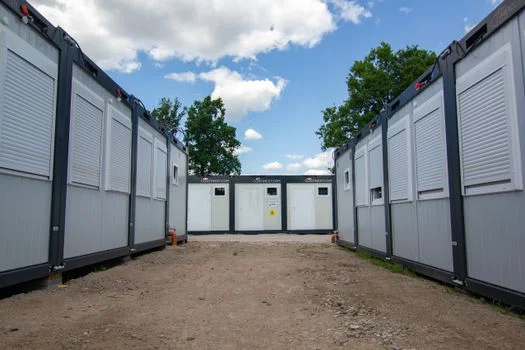
Selecting the optimal prefabricated wastewater treatment system requires a systematic approach, aligning the plant's capabilities with specific industrial needs and site constraints. This five-step framework ensures that the chosen solution delivers compliance, efficiency, and long-term value. For instance, a food processing plant in Shandong, dealing with high COD wastewater, successfully implemented a WSZ Series underground prefabricated plant with DAF pre-treatment, achieving 95% COD removal and realizing 40% lower CapEx than a comparable site-built option.
Step 1: Define Influent Quality
Accurately characterize your wastewater. Measure key parameters such as COD, BOD, TSS, FOG, pH, and specific contaminants (e.g., heavy metals, nitrogen compounds). Dairy wastewater, for example, might have COD levels between 3,000–5,000 mg/L, while semiconductor wastewater typically has lower COD (100–300 mg/L) but may contain specific ions or solvents.
Step 2: Determine Flow Rate and Future Needs
Establish the current average and peak daily flow rates. Prefabricated plants are scalable, with models like the WSZ Series handling flows from 1 m³/h, while MBR systems can manage up to 2,000 m³/day. It is advisable to oversize the system by 20% to accommodate future industrial growth or process changes.
Step 3: Identify Discharge Standards or Reuse Requirements
Determine the applicable discharge limits for your region (e.g., EPA standards requiring <50 mg/L COD, or China's GB 18918-2002 with <60 mg/L COD). If water reuse is a goal (e.g., for irrigation or industrial processes), effluent quality targets will be much stricter, potentially requiring <10 mg/L BOD and minimal turbidity.
Step 4: Assess Site Constraints and Installation Preferences
Evaluate available space, accessibility for large equipment, and site conditions. Containerized units are ideal for temporary or remote sites. Skid-mounted units are suitable for permanent factory installations. For urban areas with limited space, underground prefabricated systems (like the WSZ Series) offer an excellent solution by utilizing subsurface space.
Step 5: Establish Budget and Prioritize OPEX
Consider both CapEx ($500–$2,000/m³/day for prefab) and OPEX. While some high-end systems like MBRs may have higher initial costs, their lower sludge disposal costs and energy efficiency can lead to significant long-term savings. A 2025 cost comparison of containerized vs. permanent prefab plants can help in this evaluation.
Frequently Asked Questions
What is the typical COD removal efficiency of a prefabricated wastewater plant?
Prefabricated plants achieve 85-95% COD reduction, for instance, transforming an influent of 500 mg/L to an effluent of 50 mg/L. This is accomplished using advanced biological treatment like MBR or extended aeration, effectively meeting stringent EPA <50 mg/L limits for industrial discharge.
How long does it take to install a prefabricated plant?
Installation typically takes 3-6 months from order to commissioning, a significant reduction compared to the 12-24 months required for site-built plants. Containerized units can be operational in as little as 4 weeks for emergency deployments, such as at remote mining camps.
What are the energy requirements for a modular DAF system?
Modular DAF systems consume 0.3-0.5 kWh/m³. The micro-bubble generation process accounts for approximately 60% of this energy usage. MBR systems, due to membrane aeration and pumping, require more energy, typically 0.6-1.2 kWh/m³.
Can prefabricated plants handle high-strength industrial wastewater?
Yes, prefabricated plants are engineered to handle diverse industrial wastewaters. Systems like the WSZ Series with A/O biological treatment can manage COD levels up to 5,000 mg/L (e.g., from food processing). MBR systems are adept at treating wastewater with COD below 300 mg/L, such as that from semiconductor manufacturing, to reuse standards.
What are the maintenance requirements for a prefabricated plant?
Weekly maintenance involves checking chemical dosing systems (pH, coagulant levels), inspecting MBR membrane integrity, and monitoring the sludge blanket depth in DAF units. Quarterly tasks include replacing filter media in multi-media filters and calibrating sensors. Annual maintenance typically includes inspecting aeration diffusers and MBR membrane modules.
Further Reading
Explore these in-depth articles on related wastewater treatment topics: