A drinking water treatment plant (WTP) purifies raw water through a five-stage process—coagulation, flocculation, sedimentation, filtration, and disinfection—to meet EPA/WHO potable standards. Modern plants achieve 99.9% pathogen kill (4-log virus reduction) and turbidity <0.3 NTU, with chemical dosing rates of 5–50 mg/L (aluminum sulfate) and hydraulic retention times of 2–4 hours for sedimentation. Advanced systems integrate UV or ozone disinfection to eliminate chlorine-resistant pathogens like Cryptosporidium, while maintaining a residual disinfectant (0.2–4 mg/L) for distribution system protection.
Consider a rapidly growing city in a humid subtropical zone, drawing its water from a major river. Seasonal heavy rainfall frequently causes extreme turbidity spikes, sometimes exceeding 500 NTU, and brings elevated levels of organic matter and microbial contaminants into the raw water supply. The existing conventional WTP, designed decades ago for lower influent turbidity, struggles to consistently meet the 0.3 NTU filtered water standard, leading to frequent boil-water advisories and public health concerns. Plant operators face the dual challenge of rapidly adjusting chemical doses to manage fluctuating raw water quality while ensuring adequate pathogen inactivation without excessive disinfection byproduct formation. This scenario underscores the critical need for robust, adaptable drinking water treatment solutions backed by precise engineering parameters and a clear decision framework.
How a Drinking Water Treatment Plant Works: The 5-Stage Process Explained with Engineering Parameters
Drinking water treatment plants systematically remove suspended solids, dissolved contaminants, and pathogens through a series of physical and chemical processes. Each stage is engineered with specific parameters to achieve targeted removal efficiencies, ensuring the final water quality meets stringent potable standards.
Coagulation
Coagulation destabilizes suspended particles and colloids in the raw water, allowing them to clump together. This process typically involves the rapid addition and mixing of a coagulant chemical, such as aluminum sulfate (alum) or ferric chloride, at dosing rates ranging from 5 to 50 mg/L, depending on raw water turbidity and alkalinity. Rapid mixing is critical, characterized by a G-value (velocity gradient) of 700–1,000 s⁻¹, ensuring immediate dispersion of the coagulant throughout the water volume (EPA 2024 design manual). This rapid mixing phase usually lasts less than 30 seconds.
Flocculation
Flocculation facilitates the gentle aggregation of destabilized particles into larger, settleable flocs. This stage involves slow mixing, typically with a G-value between 20–70 s⁻¹, over a hydraulic retention time (HRT) of 20–40 minutes. The controlled, gentle agitation encourages collisions between micro-flocs, causing them to grow into visible macro-flocs, typically 1–5 mm in diameter, which are then more easily removed in the subsequent sedimentation stage.
Sedimentation
Sedimentation removes the formed flocs by gravity, allowing them to settle out of the water column. Rectangular or circular clarifiers are common, designed with surface loading rates (overflow rates) generally between 20–40 m³/m²/day. A typical sedimentation basin achieves 90–95% removal of total suspended solids (TSS), significantly reducing the load on downstream filters. Sludge blankets, formed by settled flocs, are maintained at a depth of 1–2 meters and periodically removed to prevent resuspension (HydropureWater field data, 2025).
Filtration
Filtration removes remaining suspended particles and microorganisms that did not settle during sedimentation. Common media types include rapid sand filters (0.5–1.0 mm media), dual-media filters (anthracite over sand), and granular activated carbon (GAC) for adsorption of organics. Filtration rates typically range from 5–15 m/h, with the goal of achieving an effluent turbidity consistently below 0.3 NTU, as required by most regulatory bodies. Filter backwashing is performed when head loss increases or turbidity breakthrough occurs.
Disinfection
Disinfection inactivates pathogenic microorganisms, such as bacteria, viruses, and protozoa, ensuring the water is safe for consumption. Chlorine is widely used, with contact time (CT) values calculated to achieve specific log reductions (e.g., CT = 45 mg·min/L for 3-log Giardia inactivation). Advanced methods include UV radiation, which delivers a dose of 40 mJ/cm² for 4-log virus reduction, and ozone, which can achieve 2-log Cryptosporidium inactivation at a residual of 0.4 mg/L for 2 minutes. Disinfection also often includes maintaining a residual disinfectant in the distribution system to prevent regrowth.
| Process Stage | Key Parameter | Typical Range/Value | Targeted Outcome |
|---|---|---|---|
| Coagulation | Coagulant Dose (Aluminum Sulfate) | 5–50 mg/L | Particle Destabilization |
| Rapid Mix G-value | 700–1,000 s⁻¹ | Immediate Dispersal | |
| Flocculation | Slow Mix G-value | 20–70 s⁻¹ | Floc Formation (1–5 mm) |
| Hydraulic Retention Time (HRT) | 20–40 minutes | Optimal Floc Growth | |
| Sedimentation | Surface Loading Rate | 20–40 m³/m²/day | 90–95% TSS Removal |
| Sludge Blanket Depth | 1–2 m | Efficient Sludge Management | |
| Filtration | Filtration Rate | 5–15 m/h | Effluent Turbidity <0.3 NTU |
| Disinfection (Chlorine) | CT Value (3-log Giardia) | 45 mg·min/L | Pathogen Inactivation |
| Disinfection (UV) | UV Dose (4-log Virus) | 40 mJ/cm² | Pathogen Inactivation |
Treatment Train Comparison: Surface Water vs. Groundwater Plants (With Process Flow Diagrams)
The selection of a drinking water treatment train is primarily dictated by the source water quality and applicable regulatory standards. Surface water and groundwater sources present distinct challenges, requiring different combinations of treatment technologies and impacting both capital and operational expenditures.
Surface water, sourced from rivers, lakes, and reservoirs, typically exhibits higher turbidity (10–100 NTU), elevated organic matter, and a greater prevalence of pathogens (e.g., E. coli 10²–10⁴ CFU/100 mL). Consequently, surface water treatment plants almost universally require full conventional treatment, including coagulation, flocculation, sedimentation, and filtration, followed by disinfection. Advanced pretreatment steps like pre-sedimentation or dissolved air flotation (DAF) may be necessary for highly turbid or algae-laden sources; for example, a dissolved air flotation (DAF) machine can effectively remove algae and low-density particles. Regulatory requirements for surface water plants, such as the EPA's Long Term 2 Enhanced Surface Water Treatment Rule (LT2ESWTR), mandate specific levels of Cryptosporidium removal (e.g., 2-log inactivation or removal), often necessitating advanced disinfection methods like UV or ozone.
Groundwater, conversely, often has lower turbidity (typically <1 NTU) and fewer pathogenic microorganisms due to natural filtration through soil layers. Many groundwater plants can bypass the coagulation, flocculation, and sedimentation stages if turbidity is consistently low. However, groundwater frequently contains dissolved minerals such as iron and manganese, which require aeration followed by filtration for removal, or hardness, which necessitates softening processes like lime/soda ash precipitation or ion exchange. The EPA's Groundwater Rule (GWR) primarily focuses on 4-log virus inactivation, which can often be achieved with chlorine disinfection alone. Due to the reduced need for extensive pretreatment, groundwater treatment plants generally incur 2–3 times lower capital expenditures (CapEx) compared to surface water plants, which require additional infrastructure and advanced disinfection technologies.
Process flow diagrams for surface water plants typically show an intake, screening, coagulation, flocculation, sedimentation, rapid sand filtration, and disinfection. For groundwater, the diagram might show a well, aeration (if needed), filtration (for iron/manganese), and disinfection. A compact water purification system for surface water, like the JY series, can streamline these processes for smaller-scale applications.
| Feature | Surface Water Treatment Plants | Groundwater Treatment Plants |
|---|---|---|
| Typical Raw Water Turbidity | 10–100 NTU (often higher) | <1 NTU (often <0.1 NTU) |
| Common Contaminants | Turbidity, algae, pathogens, TOC | Dissolved minerals (Fe, Mn), hardness, some pathogens |
| Required Pretreatment | Coagulation, Flocculation, Sedimentation (often with DAF/pre-sedimentation) | Often none; sometimes aeration for Fe/Mn removal or softening |
| Primary Disinfection Target | Pathogens (viruses, Giardia, Cryptosporidium) | Pathogens (viruses, bacteria) |
| Key Regulations (EPA) | LT2ESWTR (2-log Cryptosporidium removal), SWTR | Groundwater Rule (GWR) (4-log virus inactivation) |
| Typical Capital Cost Impact | High (2–3× higher than groundwater) | Lower |
| Common Equipment Differences | Flocculators, clarifiers, DAF units, UV/Ozone | Aerators, greensand filters, ion exchange |
Disinfection Methods Compared: Chlorine vs. UV vs. Ozone for Pathogen Kill and Residual Protection
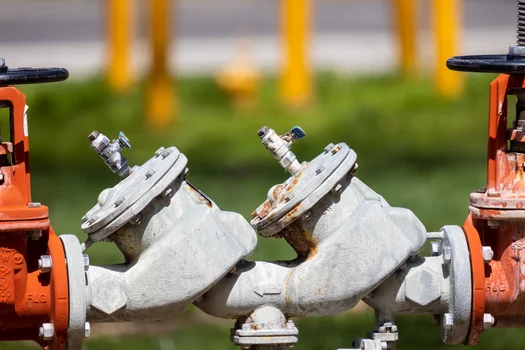
Selecting the optimal disinfection method for a drinking water treatment plant involves balancing pathogen inactivation efficacy, the potential for disinfection byproduct (DBP) formation, operational costs, and the need for residual protection in the distribution system. The three primary methods are chlorine, ultraviolet (UV) light, and ozone, often used in combination.
Chlorine disinfection remains a cornerstone due to its effectiveness, relatively low cost ($0.02–$0.05/m³), and ability to maintain a protective residual throughout the distribution network. Typical dosing rates range from 1–4 mg/L with a 30-minute contact time for primary disinfection (EPA 2023). However, chlorine's main drawbacks include the formation of disinfection byproducts (DBPs) like trihalomethanes (THMs) and haloacetic acids (HAAs), and its limited effectiveness against chlorine-resistant pathogens such as Cryptosporidium. A on-site ClO₂ disinfection for municipal drinking water can offer an alternative, reducing DBP formation.
Ultraviolet (UV) disinfection offers a powerful non-chemical approach, effectively inactivating a broad spectrum of pathogens, including Cryptosporidium and Giardia, without forming DBPs. A UV dose of 40 mJ/cm² can achieve 4-log virus reduction (CDC data, Top 1). The primary disadvantages are the absence of a residual disinfectant, necessitating a secondary disinfectant (e.g., chlorine) for distribution system protection, and higher energy consumption (0.1–0.3 kWh/m³). UV lamp lifespans typically range from 12,000–16,000 hours.
Ozone disinfection is the strongest commercially available oxidant for water treatment, capable of achieving rapid inactivation of viruses, bacteria, Giardia, and Cryptosporidium (e.g., 2-log Cryptosporidium kill at 1 mg/L ozone residual for 2 minutes). Ozone also effectively reduces taste, odor, and color, and can oxidize iron and manganese. However, ozone is unstable and leaves no residual, requiring a secondary disinfectant. It also has a high capital expenditure (CapEx), often $500K–$2M for a 1 MGD plant, and significant energy consumption for generation, typically 10–12 kWh/kg O₃ (HydropureWater field data, 2025). For a detailed comparison of UV, ozone, and chlorine disinfection systems, further resources are available.
Hybrid systems often combine these methods to leverage their strengths. For instance, UV or ozone can provide primary disinfection for resistant pathogens, followed by a low dose of chlorine or monochloramine (e.g., 0.2 mg/L) to maintain a persistent residual in the distribution system, balancing pathogen kill with DBP control.
| Disinfection Method | Pros | Cons | Key Parameters |
|---|---|---|---|
| Chlorine | Residual protection, low cost ($0.02–$0.05/m³), effective against bacteria/viruses | DBP formation, ineffective against Cryptosporidium | Dosing: 1–4 mg/L; CT for 3-log Giardia: 45 mg·min/L |
| UV (Ultraviolet) | No DBPs, 4-log virus reduction, effective against Cryptosporidium | No residual, high energy use (0.1–0.3 kWh/m³), lamp replacement | Dose: 40 mJ/cm² (4-log virus); Lamp lifespan: 12,000–16,000 hours |
| Ozone | Strongest oxidant, 2-log Cryptosporidium kill, taste/odor control | No residual, high CapEx ($500K–$2M/MGD), high energy for generation | Residual: 0.4 mg/L for 2 min (2-log Cryptosporidium); Generation: 10–12 kWh/kg O₃ |
Key Performance Metrics: How to Measure and Optimize Your Water Treatment Plant
Effective monitoring and optimization of a drinking water treatment plant rely on tracking specific Key Performance Indicators (KPIs) that directly reflect compliance, efficiency, and cost. Regular assessment of these metrics enables proactive troubleshooting and continuous improvement in plant operations.
Turbidity is a primary indicator of filtered water quality, with a target of <0.3 NTU (EPA/WHO standard) for effluent. Online turbidimeters (e.g., Hach 1720E) continuously monitor this parameter. Turbidity breakthrough, often indicated by a sudden increase, can signal issues such as media exhaustion, inadequate filter backwash, or insufficient coagulant dosing. Adjusting backwash frequency or optimizing coagulant dose can mitigate these issues.
Pathogen log reduction quantifies the effectiveness of disinfection, with typical targets including 4-log virus, 3-log Giardia, and 2-log Cryptosporidium (EPA LT2ESWTR). While direct pathogen enumeration is complex, surrogate parameters like CT values for chlorine or UV dose monitoring are used. Validation can involve challenge testing with non-pathogenic surrogates like MS2 bacteriophage for UV systems.
Disinfectant residual is critical for maintaining water quality within the distribution system, preventing microbial regrowth. EPA Stage 2 DBPR mandates a chlorine residual of 0.2–4 mg/L (or 0.2–2 mg/L for chloramines) at distribution system entry points. Monitoring points throughout the network are essential to ensure adequate residual. A rapid decay in residual might indicate high organic load or pipe corrosion.
Energy efficiency benchmarks for conventional treatment plants typically range from 0.1–0.3 kWh/m³ of treated water. Plants incorporating advanced membrane technologies like reverse osmosis (RO) or membrane bioreactors (MBR) may exceed 1 kWh/m³. Monitoring pump efficiency, optimizing aeration in iron/manganese removal, and using variable frequency drives (VFDs) can significantly reduce energy consumption.
Chemical cost often represents up to 50% of a plant's operational expenditure (OPEX). Optimizing coagulant dose through daily jar testing and adjusting pH to the optimal range (e.g., 7.0–7.5 for aluminum sulfate, or 6.0–6.5 for ferric chloride) can yield substantial savings. PLC-controlled chemical dosing for coagulation/flocculation can precisely manage chemical usage, minimizing waste and ensuring optimal treatment.
Selecting a Water Treatment Plant: Decision Framework for Municipal and Industrial Buyers
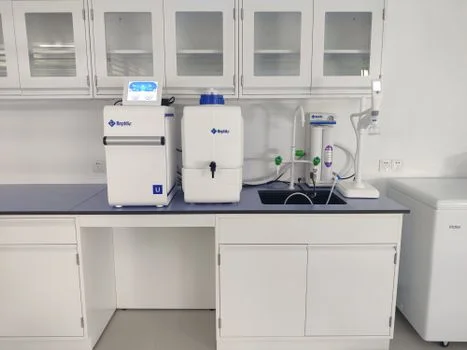
Choosing the appropriate drinking water treatment plant involves a systematic evaluation of several critical factors, moving from raw water characteristics to long-term operational considerations. This structured decision framework helps municipal water engineers and industrial facility managers select systems that ensure compliance, efficiency, and cost-effectiveness.
Step 1: Characterize Influent Water Quality
The foundational step is a comprehensive analysis of the raw water source. This includes measuring key parameters such as turbidity, total organic carbon (TOC), alkalinity, pH, hardness, dissolved solids, and the presence of specific pathogens (e.g., Cryptosporidium, Giardia) and contaminants (e.g., heavy metals, PFAS). Laboratory data from multiple seasons or pilot testing, including jar tests for coagulant selection, are crucial to understand seasonal variations and predict treatment challenges. This initial characterization will dictate the necessary treatment barriers.
Step 2: Match Treatment Train to Regulatory Standards
Identify and understand all applicable local, national, and international regulatory standards (e.g., EPA Safe Drinking Water Act, WHO Guidelines for Drinking-water Quality, EU Drinking Water Directive). For instance, surface water sources often require multi-barrier treatment trains to meet the EPA's Surface Water Treatment Rule (SWTR) and LT2ESWTR, while groundwater may only require disinfection to comply with the Groundwater Rule (GWR). The chosen treatment train must demonstrate capability to consistently meet these specific contaminant limits and log reduction targets.
Step 3: Compare Capital Expenditure (CapEx) and Operational Expenditure (OPEX)
Evaluate the total cost of ownership for different treatment options. A conventional 1 MGD (million gallons per day) plant typically costs between $1.5M–$3M in CapEx, while advanced systems incorporating UV or ozone can range from $3M–$5M. OPEX includes chemical costs (often 50% of total OPEX), energy consumption (0.1–0.3 kWh/m³ for conventional, >1 kWh/m³ for RO), labor, and maintenance. Calculating the return on investment (ROI) over a 20-year lifecycle, considering energy-efficient equipment and chemical optimization, provides a clearer financial picture. For a detailed breakdown of 2025 cost benchmarks for drinking water treatment plants, refer to specialized guides.
Step 4: Evaluate Operational Constraints
Consider the operational complexity, required staff expertise, and potential for automation. A plant with limited local expertise might benefit from simpler, robust technologies or fully automated, PLC-controlled systems, which can reduce labor costs by 30–50%. Remote monitoring capabilities are essential for plants in isolated locations. Maintenance requirements, spare parts availability, and the reliability of local service providers should also be factored in.
Step 5: Assess Footprint and Modularity
Space availability at the site can be a significant constraint. Compact systems, such as an integrated JY series water purification system, can save up to 40% space compared to traditional, spread-out conventional plants. Modularity allows for phased expansion as demand grows, providing flexibility and optimizing initial CapEx. For ultra-pure applications, exploring reverse osmosis for ultra-pure drinking water applications might be necessary.
| Decision Factor | Key Considerations | Impact on Selection |
|---|---|---|
| Influent Water Quality | Turbidity, TOC, pathogens, hardness, seasonal variation | Determines required treatment stages (e.g., pre-treatment, advanced oxidation) |
| Regulatory Standards | EPA SWTR/LT2ESWTR/GWR, WHO, EU Directives | Defines minimum log reduction, effluent limits, and specific technologies |
| CapEx/OPEX | Initial investment, chemical, energy, labor, maintenance costs | Influences long-term financial viability and budget allocation |
| Operational Constraints | Staff expertise, automation level, remote monitoring, reliability | Affects ease of operation, staffing needs, and system uptime |
| Footprint/Modularity | Available space, potential for future expansion | Impacts site planning and scalability for growing demand |
Frequently Asked Questions
Q: What is the optimal pH for coagulation?
A: The optimal pH for coagulation depends on the coagulant used; 7.0–7.5 is ideal for aluminum sulfate, while lower pH (6.0–6.5) improves ferric chloride performance (EPA 2024).
Q: Why is my filter turbidity high after backwash?
A: High filter turbidity post-backwash often indicates insufficient backwash duration or intensity, inadequate filter-to-waste time, or damaged filter media. Extending the filter-to-waste period to 5-10 minutes can help flush out fines.
Q: How do you prevent disinfection byproduct (DBP) formation?
A: DBP formation can be minimized by optimizing coagulant dose to remove organic precursors, using alternative disinfectants like UV or ozone for primary disinfection, or employing chloramines instead of free chlorine for residual protection.
Q: What is the typical energy consumption for a conventional drinking water treatment plant?
A: Conventional drinking water treatment plants typically consume 0.1–0.3 kWh per cubic meter (m³) of treated water, primarily for pumping and mixing, though this can vary with raw water quality and plant size.
Q: What is the difference between primary and secondary disinfection?
A: Primary disinfection focuses on inactivating pathogens in the treatment plant itself (e.g., with UV or ozone), while secondary disinfection maintains a residual disinfectant (e.g., chlorine) in the distribution system to prevent microbial regrowth and protect against contamination (CDC data, Top 1).
Q: How often should chemical dosing systems be calibrated?
A: Chemical dosing systems should be calibrated quarterly or whenever there is a change in chemical concentration or pump maintenance, to ensure accurate and efficient chemical addition (HydropureWater field data, 2025). Consider an automatic chemical dosing system for enhanced precision.
Q: What are the main challenges for treating surface water with high algae content?
A: High algae content in surface water can lead to filter clogging, taste and odor issues, and increased organic load, which can form DBPs. Pre-oxidation (e.g., with ozone) or dissolved air flotation (DAF) are effective solutions for algae removal; see our dissolved air flotation (DAF) machine for more details.