What a Package Wastewater Treatment Plant Delivers in Lagos
A package wastewater treatment plant for Lagos Nigeria projects is a factory-built modular sewage system for industrial and municipal flows of about 1–80 m³/h. CapEx typically runs $15,000–$250,000 by technology and capacity. Designs commonly target NESREA BOD ≤30 mg/L and TSS ≤50 mg/L, with GRP underground tanks used where land is scarce and coastal corrosion is severe.
Factory-built trains cut on-site civil work and shrink footprint versus stick-built works. Most Lagos industrial sites we size for still run peak flows at 2–3× average, so hydraulic design—not brochure capacity—drives selection. Influent COD often sits at 1,000–3,000 mg/L with oil and grease at 50–200 mg/L, so pretreatment choice matters as much as the bioreactor. Buyers who skip peak metering usually undersize blowers and clarifiers within the first rainy-season production surge.
Why Lagos Needs Decentralized Package Plants
Lagos industries face high-strength wastewater that conventional municipal networks rarely treat on time. Typical influent COD concentrations range from 1,000–3,000 mg/L and oil/grease levels between 50–200 mg/L, as reported in NESREA-linked industry assessments from 2023. Earlier buyer guidance cited Lagos wastewater generation near 2.5 million m³/day with only about 30% treated (World Bank 2024 framing). A November 2024 French Treasury review of LSWWMO data reports a tighter picture: Lagos State’s four public sewage plants are sized for only about 125,000 people and were operating at roughly 2% of that capacity, while sewers still cover a small share of urban sanitation nationwide.
According to that same 2024 briefing, Nigeria had only 26 wastewater treatment stations in 2023, with 22 partially functional, and roughly 80% of industrial wastewater still left untreated before discharge. That gap is why factories, hotels, hospitals, and gated estates specify on-site package trains instead of waiting for trunk sewers. Decentralized treatment also limits lagoon and groundwater pollution where soakaways already overload shallow aquifers.
Compact package units address land scarcity that blocks stick-built expansions. Underground systems can cut required footprint by 50–70% compared with traditional open plants. An underground WSZ-class unit can treat about 2–10 m³/h per square meter of plan area, which fits dense industrial yards and estate compounds. New developments often choose burial to free surface area for production or parking. Surface-mounted containers remain useful on leased plots where excavation is restricted by pipelines or high groundwater.
Regulatory pressure reinforces that choice. NESREA effluent limits commonly applied to surface discharge include BOD ≤30 mg/L and TSS ≤50 mg/L, with NH₃-N often held near ≤10 mg/L on many industrial permits. Non-compliance can trigger fines and shutdowns. The Lagos State Water Regulatory Commission (LSWRC) also requires discharge permits before plants go live. Package trains are engineered to those limits when influent data and peak factors are correct. Permitting delays usually come from incomplete influent lab packs, not from the skid itself.
A Lagos food plant cited in the original project notes cut COD from 2,200 mg/L to 45 mg/L with a hybrid DAF plus MBR package train (HydropureWater 2024 case notes). That pattern—FOG removal first, then membrane polishing—matches most food and beverage loads we see along the Lagos–Ogun corridor. Textile and pharmaceutical sites need different pretreatment chemistry, but the same modular logic applies: stabilize load spikes before biology.
Power planning deserves its own line item on every Lagos tender. When grid outages exceed four hours a day, blower runtime on diesel can double OPEX versus the brochure kWh/m³ figure. Most plants we commission in Apapa, Ikeja, and Lekki therefore specify dual power feeds or automatic transfer switches before accepting performance guarantees. Without that clause, NESREA compliance fails during night shifts even when daytime samples look clean.
Sludge handling is the second hidden cost. At $20–$50/ton tip fees plus haulage across congested corridors, annual sludge cost often rivals chemical spend. Design the wasting schedule and temporary storage volume before the tank lid is cast; retrofitting a sludge holding chamber underground is far more expensive than sizing it once.
Commissioning should include at least three peak-day composite samples for BOD, COD, TSS, and NH₃-N, not a single grab sample at midday. LSWRC reviewers increasingly ask for that evidence when discharge permits are renewed. Keep the lab chain-of-custody sheets with the O&M manual so the next shift supervisor can defend the plant during inspections. Keep spare blower oil and diffuser membranes on site before the first rainy season peak.
Treatment Technologies and How to Choose Them
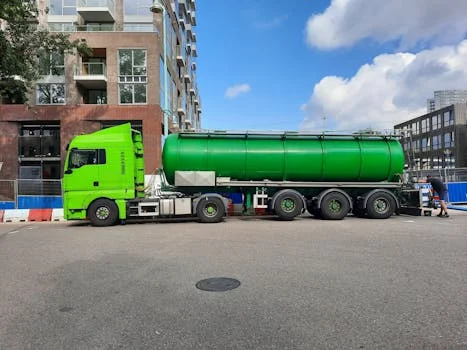
Technology choice for a Lagos site hinges on influent strength, reuse goals, power reliability, and available plot. Each train trades footprint, energy, and membrane or chemical cost differently. Start with measured COD, FOG, and peak factor, then shortlist only trains that hit NESREA limits at that peak—not at average flow.
Conventional Anoxic/Oxic (A/O) systems deliver about 85–95% BOD removal and 70–90% TSS removal when sludge age and oxygen are controlled. They use activated sludge plus secondary clarification. Footprint is larger: a WSZ series underground package plant for Lagos projects needs roughly 10 m² for a 10 m³/h duty. Energy is usually 0.3–0.5 kWh/m³ at design flow, which suits estates and hotels with moderate COD. Return sludge control and settler surface overflow rate remain the two parameters operators must watch weekly.
Membrane Bioreactor (MBR) systems reach 95–99% BOD/TSS removal and produce near-reuse water through ultrafiltration membranes (typically <1 μm pore size). Energy rises to 0.8–1.2 kWh/m³ because of membrane aeration and permeate pumping. Membrane replacement commonly budgets $50–$100/m²/year. Specify MBR when irrigation or process reuse is part of the ROI case. Review an MBR system for near-reuse-quality effluent in Lagos when discharge limits or water tariffs justify the CapEx step-up. Keep a spare cassette lead time in the contract; Lagos port delays can stretch replacements.
Dissolved Air Flotation (DAF) systems remove 90–98% of FOG and suspended solids when coagulants and flocculants are dosed correctly. Fine bubbles attach to particles and float them for skimming. A DAF system for high-FOG industrial wastewater in Lagos typically draws 0.3–0.5 kWh/m³ plus chemical cost. Food processing, slaughterhouses, and textile lines almost always need DAF ahead of biology. Without it, FOG coats media, collapses oxygen transfer, and trips effluent TSS within weeks.
Hybrid trains combine unit processes for mixed loads. DAF + MBR fits food COD and FOG spikes. A/O plus chlorine dioxide disinfection—used on compact medical package skids—targets pathogen kill near 99% in footprints around 0.5 m² for small hospital streams. Where headworks or lift capacity is the bottleneck rather than biology, compare modular wet wells with prefabricated pump stations versus traditional wet-well builds before locking civil packages. Hospital campuses comparing isolation and chlorination packages can also review adjacent market notes such as hospital wastewater treatment system and compliance cost benchmarks when scoping medical effluent add-ons.
Lagos coastal sites push material selection. High salinity favors GRP tanks and 316L stainless steel wetted parts. Grid instability favors solar-assist aeration or generator-ready panels. Underground GRP packages also reduce vandalism exposure on open plots. Specify IP-rated outdoor panels and surge protection; lightning and voltage swings damage more blowers than fouling does on many Lagos installs.
| Technology | BOD Removal | TSS Removal | Key Advantage | Typical Footprint (m²/m³/h) | Energy Use (kWh/m³) | Lagos Suitability |
|---|---|---|---|---|---|---|
| Conventional A/O | 85–95% | 70–90% | Lower capital/operating cost | 1.0–2.0 (e.g., WSZ series) | 0.3–0.5 | General sewage, low-medium industrial load |
| MBR | 95–99% | 95–99% | High effluent quality, water reuse potential | 0.1–0.3 | 0.8–1.2 | High-quality discharge, water reuse, tight space |
| DAF | N/A (Pre-treatment) | 90–98% (FOG/TSS) | Excellent FOG/oil removal | 0.5–1.0 | 0.3–0.5 | High FOG industrial wastewater (food, textile) |
Technical Specifications Buyers Should Lock Before Tender
Specification gaps cause most Lagos package failures we audit. Under-sizing for peak shift flows drives permit breaches. Over-specifying membranes without reuse revenue wastes CapEx. Write every number below into the tender datasheet before comparing supplier quotes.
Capacity must cover peak instantaneous flow, not only average daily volume. Lagos industrial facilities frequently experience 2–3 times average flow during production shifts. Standard models cover 1–80 m³/h; larger duties need custom parallel trains. Meter peak hour data for at least two production weeks before freezing the model list. Include monsoon infiltration if storm drains interconnect with process sewers.
Effluent quality must meet NESREA surface-water targets: BOD ≤30 mg/L, TSS ≤50 mg/L, and NH₃-N ≤10 mg/L on typical permits. Irrigation or cooling reuse often needs <10 mg/L BOD under WHO-aligned project specs, which usually means MBR or tertiary filtration after biology. State the receiving water or reuse duty explicitly; “meet NESREA” alone is too vague for performance bonds.
Materials decide service life in coastal air and saline groundwater. GRP underground tanks commonly carry 25+ year design lives when bedding and cathodic details are correct. Use 316L stainless for high-salinity or chemically aggressive loops. HDPE can serve small, low-aggression duties where budget is tight. Reject painted carbon-steel submerged parts on coastal plots unless a documented coating system and inspection plan are included.
Energy sits between 0.3–0.5 kWh/m³ for conventional A/O and 0.8–1.2 kWh/m³ for MBR at design flow. Diesel backup cost often exceeds membrane OPEX on poorly powered plots, so low-power blowers and solar assist pay back faster than brochure savings imply.
Automation with PLC control cuts full-time operator demand. Many WSZ-class packages run routine duty without a dedicated operator once sludge wasting and chemical top-ups are scheduled. Remote alarms matter when sites sit far from Ikeja or Apapa workshops. Require English HMI screens, local SIM modem options, and a printed set-point list for night-shift staff.
Footprint for underground GRP packages often lands near 2–10 m² per m³/h of capacity. MBR biology can compress to about 1–3 m² per m³/h because mixed liquor concentrations run higher than conventional clarifiers allow. Confirm crane access and burial depth against groundwater; dewatering can erase the civil savings of a compact tank.
Maintenance budgets must include MBR membrane replacement every 5–8 years at roughly $5,000–$20,000 per event for mid-size skids. Lagos landfill sludge tipping commonly runs $20–$50/ton. DAF chemical spend typically falls in the $0.10–$0.30/m³ band when FOG is high. Put spare diffuser and pump SKUs on a 90-day local stock clause whenever possible.
| Specification | Typical Range/Value | Lagos-Specific Consideration |
|---|---|---|
| Capacity | 1–80 m³/h (standard) | Match peak flow (2-3x average for industrial) |
| Effluent BOD | ≤30 mg/L (NESREA) | Stricter for reuse (<10 mg/L WHO) |
| Effluent TSS | ≤50 mg/L (NESREA) | Crucial for discharge & reuse |
| Materials | GRP, SS 316L, HDPE | GRP for corrosion resistance (25+ years), SS for high salinity |
| Energy Efficiency | 0.3–1.2 kWh/m³ | Solar integration, low-power options for instability |
| Automation | PLC-controlled | Reduces operator costs, remote monitoring |
| Footprint | 1–10 m²/m³/h | Underground GRP for space optimization |
| Maintenance | Membrane replacement (MBR), sludge disposal | Sludge disposal costs: $20–$50/ton in Lagos |
How Much Does a Package Plant Cost in Lagos?
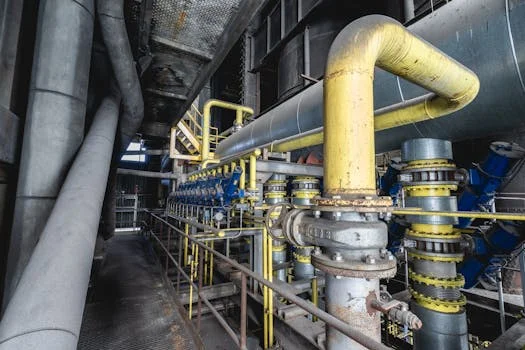
Total ownership cost combines CapEx, installation, energy, chemicals, sludge haulage, and permit renewals. Technology and peak capacity dominate the quote more than brand labels. Build a five-year cash model before ranking bids on sticker price alone.
Capital costs for Lagos package equipment typically span $15,000–$250,000. A 5 m³/h conventional A/O skid often lands near $25,000–$40,000. A 20 m³/h MBR train commonly quotes $120,000–$180,000. A 50 m³/h industrial DAF package often sits between $80,000 and $150,000 before civil works. Freight, customs brokerage, and inland haulage to Apapa or Tin Can should appear as separate lines.
Installation usually adds 10–20% of equipment CapEx. On a 5 m³/h plant that is about $2,500–$8,000 for excavation, base slab, fencing, power, and piping. Skilled Lagos technician rates often fall near $15–$30/hour when local partners run the install. Rock excavation, sheet piling, or high water table dewatering can push civil cost above the 20% band.
Operating costs commonly range $0.20–$1.50/m³ treated. Conventional A/O tends to $0.20–$0.50/m³. MBR usually lands $0.80–$1.50/m³. DAF often sits at $0.30–$0.70/m³ including chemicals. Generator diesel can push the high end higher on unstable feeders. Track kWh and chemical dose monthly for the first quarter; that is when design assumptions fail or prove out.
Maintenance typically budgets $1,000–$10,000 per year by size and complexity. MBR membrane campaigns of $5,000–$20,000 every 5–8 years should sit in the CapEx reserve, not as a surprise. Import duties on foreign-built skids can add 10–20% to equipment price. Sludge tipping at $20–$50/ton remains a recurring line item. Include haulage distance to the approved landfill in the OPEX model.
What does upgrading a package sewage plant cost?
Upgrading a package sewage plant in Lagos usually costs 30–70% of a comparable new-build CapEx when tanks and civil works stay reusable. Adding DAF ahead of an overloaded A/O train, or swapping clarifiers for MBR cassettes, is the common path. Most plants we retrofit keep the GRP shell and replace aeration, membranes, or controls only. Budget electrical upgrades separately if the original feed cannot support higher blower or permeate loads.
How much does a package treatment plant upgrade cost?
A package treatment plant upgrade for capacity or effluent polish typically runs $8,000–$90,000 on 5–20 m³/h Lagos duties, depending on whether membranes, DAF, or only PLC/power work is required. Full replacement makes sense when tanks are cracked, hydraulics are undersized for peak shift, or NESREA limits cannot be met after optimization. For comparative CapEx logic across markets, see the wastewater treatment plant cost and ROI analysis. Keep a temporary tanker or bypass plan during cutover so production does not halt.
ROI cases often combine avoided fines and water reuse. A 10 m³/h hotel A/O package at about $50,000 CapEx and $0.30/m³ OPEX can pay back in 3–5 years when it avoids fines up to ₦5 million and offsets municipal water for irrigation or toilet flush. Permit and LSWRC/NESREA fees commonly add $3,000–$15,000 one-time. Reuse credits rise fastest on sites already buying tanker water at premium rates.
| Cost Category | 5 m³/h Conventional A/O | 20 m³/h MBR System | 50 m³/h DAF System |
|---|---|---|---|
| Capital Cost (Equipment) | $25,000–$40,000 | $120,000–$180,000 | $80,000–$150,000 |
| Installation Cost (10-20% CapEx) | $2,500–$8,000 | $12,000–$36,000 | $8,000–$30,000 |
| Operating Cost (per m³) | $0.20–$0.50 | $0.80–$1.50 | $0.30–$0.70 |
| Annual Maintenance | $1,000–$3,000 | $5,000–$10,000 (inc. membrane) | $2,000–$5,000 (inc. chemicals) |
| Permitting (LSWRC/NESREA) | $3,000–$15,000 (one-time) | ||
| Sludge Disposal (per ton) | $20–$50 (ongoing) | ||
Suppliers Serving Lagos Package Plant Projects
Local support capacity decides uptime more than brochure features. Buyers should verify Lagos technicians, spare parts stock, and NESREA-aligned commissioning records before award. A low equipment price with a two-week spare-parts lag is usually the more expensive bid over three years.
GreenFlow Environmental Solutions brings 20+ years of local industrial work, with strength in DAF and filter-press packages for high-solids and FOG loads. Devtek Tanks focuses on GRP underground biodigesters in the residential and commercial segment, emphasizing corrosion resistance and simple installs. Turraco Industrial covers design, install, and treatment chemicals for food and textile plants. Fadac Engineering maintains Festac and Lekki presence for turnkey estate and municipal packages with drainage integration. HydropureWater supplies MBR and DAF trains through Lagos distributors, with a stated 10-year warranty on GRP tanks for qualifying packages.
Score vendors on Lagos office coverage, NESREA compliance evidence, lead time (often 4–12 weeks for imported skids), and after-sales response. Ask for references on similar COD and FOG profiles, not only nameplate capacity. Visit one operating reference during peak production if the CapEx exceeds $100,000. Confirm who holds commissioning liability when civil works are split from equipment supply.
| Supplier | Key Specialization | Lagos Focus | Key Differentiator |
|---|---|---|---|
| GreenFlow Environmental Solutions | DAF & Filter Press systems | Industrial & municipal | 20+ years local experience, tailored solutions |
| Devtek Tanks | GRP underground systems ('T' range Biodigester) | Residential & commercial | Simple installation, corrosion-resistant GRP tanks |
| Turraco Industrial | Full-service (design, install, chemicals) | Industrial (food, textiles) | Comprehensive solutions, chemical supply |
| Fadac Engineering | Turnkey solutions, drainage systems | Municipal & large residential | Strong local Lagos presence, integrated services |
| HydropureWater | MBR & DAF systems | Industrial & commercial | Cost-competitive, 10-year GRP tank warranty |
Procurement Checklist for Lagos Buyers
A structured buy reduces change orders and permit delays. Use the following ten steps as the tender backbone. Skipping laboratory characterization is the most common reason package plants miss NESREA limits after start-up.
- Define influent quality and flow rates. Test COD, BOD, TSS, FOG, pH, and salinity. Capture average and peak flows. Lagos lab work through firms such as SGS or Intertek typically costs $500–$1,500.
- Select technology against effluent and site limits. Match A/O, MBR, or DAF to NESREA targets, reuse goals, footprint, and power stability.
- Request multi-supplier quotes. Collect at least three bids covering equipment, install, and a 5-year OPEX projection.
- Verify credentials. Confirm LSWRC/NESREA familiarity and request Lagos or Nigeria reference plants on similar loads.
- Run a site assessment. Check soil for underground tanks, electrical spare capacity, and delivery access.
- Start permitting early. LSWRC discharge permits often take 4–8 weeks and cost $1,000–$5,000. Larger schemes may need a NESREA EIA over 6–12 weeks at $2,000–$10,000. Align the package with Nigeria’s wastewater treatment regulations and compliance strategies.
- Negotiate performance terms. Lock payment milestones, warranty, effluent guarantees, and local spare-parts response times.
- Oversee installation. Coordinate civil, electrical, and piping work. Typical install spans 2–6 weeks by size.
- Commission and train. Prove NESREA effluent over representative peak days, then train operators on wasting, dosing, and alarms.
- Set a maintenance plan. Schedule sludge haulage, membrane cleans or replacements, chemical top-ups, and annual service visits.
Final award checklist: peak-flow hydraulic proof; material grade for salinity; energy at design and generator mode; membrane or media replacement price list; written Lagos service coverage; and a commissioning protocol with sample points marked on the P&ID. Cost drivers to model explicitly are import duty (10–20%), sludge tipping ($20–$50/ton), diesel backup hours, chemical dose for FOG, membrane reserve, and LSWRC/NESREA fees ($3,000–$15,000 one-time).
Who This Is For and Next Step
This page is for plant engineers, EPC contractors, and procurement managers sizing decentralized sewage or industrial pretreatment in Lagos. Centralized municipal megaprojects, or buyers who only need tanker haulage with no on-site discharge permit, should look elsewhere. If you already have influent data and a target effluent permit, request a sized proposal for an Underground Package Sewage Treatment Plant (WSZ Series) or related MBR/DAF train via our project inquiry form. Send peak flow, COD/BOD/FOG lab sheets, and the discharge or reuse standard with the inquiry so sizing returns in one round.
Field note from recent Lagos tenders: most mid-size food and estate plants we size land at the lower end of MBR energy bands when FOG is removed upstream, while untreated kitchen waste pushes both chemical and blower costs to the top of the range within months. Lock pretreatment before arguing about membrane brand.
Frequently Asked Questions
What is a wastewater package plant?
A wastewater package plant is a pre-engineered modular treatment system that combines biology, solids separation, and disinfection in a factory-built tank or skid. On-site construction time typically drops 50–70% versus stick-built works, and footprint often shrinks 60–80%. HydropureWater WSZ-class units combine A/O contact oxidation, sedimentation, and chlorine dioxide disinfection inside a buried GRP shell for estate and industrial duties.
Where is the largest wastewater treatment plant in Nigeria?
Earlier buyer guides list the Ibadan plant in Oyo State near 150,000 m³/day as Nigeria’s largest municipal works. Older Lagos materials cited Alausa around 45,000 m³/day. LSWWMO figures in a 2024 French Treasury briefing size Alausa near 10,000 people/day within four public Lagos plants totaling about 125,000 people of design coverage. Most industrial and estate projects still specify 1–80 m³/h package plants.
Does Nigeria have water treatment plants?
Yes. Nigeria operates municipal water and wastewater plants, but coverage stays limited. Earlier Federal Ministry of Water Resources 2023 framing cited roughly 150 municipal wastewater plants serving about 30% of the population. The 2024 French Treasury review reports only 26 wastewater treatment stations nationwide in 2023, with 22 partially functional, and notes that about 80% of industrial wastewater is still released untreated. Lagos owners install package plants to meet NESREA limits and avoid fines up to ₦5 million.
How much does it cost to set up a sewage treatment plant in Lagos?
Lagos sewage package CapEx typically spans $25,000–$40,000 for a 5 m³/h conventional A/O unit, $120,000–$180,000 for a 20 m³/h MBR, and $80,000–$150,000 for a 50 m³/h DAF pretreatment skid. Operating costs run about $0.20–$0.50/m³, $0.80–$1.50/m³, and $0.30–$0.70/m³ respectively. Add installation at 10–20% of CapEx, permitting at $3,000–$15,000, and annual maintenance at $1,000–$10,000.
Can package plants handle Lagos high-salinity wastewater?
Yes, when materials match salinity. GRP tanks and 316L stainless steel resist coastal corrosion far better than carbon steel. Devtek-class GRP systems have reported 15+ years of Lagos service with limited shell degradation. If salinity exceeds about 3,000 mg/L on MBR duties, add pretreatment or membrane-compatible design margins so flux and cleaning chemistry stay stable.