Ulaanbaatar’s sewage treatment infrastructure faces critical challenges: the central WWTP, built in 1969–1986, is overloaded by 30–40% due to urban growth and industrial expansion, while groundwater supplies—already strained by mining and manufacturing—are projected to decline by 15% by 2030 (World Bank 2024). For buyers evaluating equipment suppliers, key considerations include COD removal rates (target: ≥90% for industrial effluent per MNS 592:2018), footprint efficiency (underground systems reduce land use by 60%), and CAPEX ranges ($500–$1,200/m³/h for municipal projects). This guide provides engineering specs, cost benchmarks, and a zero-risk selection framework to navigate Mongolia’s regulatory and operational constraints.
Why Ulaanbaatar’s Wastewater Crisis Demands Urgent Equipment Upgrades
Ulaanbaatar’s central wastewater treatment plant (WWTP), constructed in stages between 1969 and 1986, currently operates at 30–40% above its design capacity during peak hydraulic flows (MDPI 2025). The facility was originally engineered for domestic sewage and lacks the advanced biological or chemical stages required to process the increasingly complex influent from the city’s burgeoning industrial zones. Because no major restorations have occurred since its completion, the aging infrastructure frequently fails to meet modern environmental standards, leading to the discharge of partially treated effluent into the Tuul River.
The urgency for equipment upgrades is compounded by Ulaanbaatar’s reliance on groundwater, which serves as the primary freshwater source for both residential and industrial use. Groundwater levels have declined by approximately 12% since 2020 due to intensified demand from the mining and manufacturing sectors (World Bank 2024). This scarcity has moved water recycling from a secondary objective to a primary industrial necessity. Equipment that facilitates MBR systems for Ulaanbaatar’s high-efficiency, small-footprint needs is increasingly vital for facilities aiming to implement zero liquid discharge (ZLD) or high-grade recycling protocols.
Regulatory pressure has also intensified with the enforcement of MNS 592:2018. This standard mandates strict effluent limits, including a Biochemical Oxygen Demand (BOD) of ≤ 30 mg/L and a Chemical Oxygen Demand (COD) of ≤ 120 mg/L for industrial discharges. Non-compliance can result in severe financial penalties, sometimes reaching up to 5% of a company’s annual revenue. the influent characteristics in Mongolia are unique; mining operations contribute high Total Dissolved Solids (TDS) and heavy metals, while the food processing industry introduces high concentrations of Fats, Oils, and Grease (FOG). These factors necessitate specialized equipment, such as DAF systems for high-FOG industrial wastewater in Ulaanbaatar, to ensure primary treatment efficiency before biological stages.
Sewage Treatment Equipment Suppliers in Ulaanbaatar: Engineering Specs Compared
Engineering specifications for sewage treatment equipment in Ulaanbaatar must prioritize high removal rates and climate resilience, as top-tier systems must achieve ≥92% COD removal to satisfy the MNS 592:2018 standard. When evaluating suppliers, procurement managers must look beyond basic capacity and examine footprint efficiency and energy consumption per cubic meter treated. For instance, WSZ series underground systems for Ulaanbaatar’s land-constrained sites are engineered to maintain biological activity even when ambient temperatures drop to -30°C, a critical requirement for Mongolian winters.
| Supplier Name | COD Removal Rate | TSS Removal Rate | Footprint (m²/m³/h) | Energy Use (kWh/m³) | Lead Time | Local Support |
|---|---|---|---|---|---|---|
| Mongol WaterTech | 90–92% | ≥95% | 1.2–1.5 | 0.45–0.60 | 10–14 Weeks | Yes |
| Xylem Mongolia | 88–91% | ≥94% | 1.8–2.2 | 0.38–0.50 | 16–20 Weeks | Yes |
| GreenFlow Engineering | 92–95% (MBR) | ≥98% | 0.6–0.8 | 0.70–0.90 | 12–16 Weeks | Yes |
| Ulaanbaatar EcoTech | 85–88% | ≥92% | 2.0–2.5 | 0.50–0.65 | 8–12 Weeks | Yes |
| Blue Horizon Env. | 94–96% (ZLD) | ≥99% | 1.0–1.2 | 1.20–1.50 | 20–24 Weeks | Limited |
Technical performance varies significantly across technology types. Mongol WaterTech’s WSZ series underground systems are noted for achieving 92% COD removal within a compact 1.2 m²/m³/h footprint, making them ideal for urban projects where land costs are prohibitive. In contrast, Xylem Mongolia’s Flygt pumping systems and Sanitaire diffusers focus on operational efficiency, reportedly reducing energy consumption by 15–20% in the primary and secondary clarification stages (Xylem 2024). For high-purity requirements, learn how MBR systems achieve 95%+ TSS removal in Ulaanbaatar’s climate to meet the stringent water reuse standards required by the World Bank for local green development projects. Local maintenance support remains a decisive factor; vendors like Ulaanbaatar EcoTech Traders offer 24/7 onsite assistance, which is essential for remote mining sites where downtime can cost thousands of dollars per hour.
CAPEX and OPEX Breakdown for Ulaanbaatar Sewage Treatment Projects
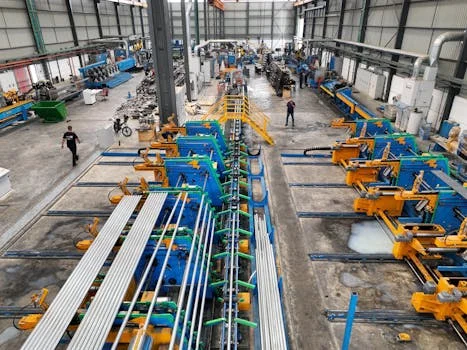
Capital expenditure (CAPEX) for sewage treatment projects in Mongolia typically ranges from $500/m³/h for conventional activated sludge (CAS) to $1,500/m³/h for advanced membrane bioreactor (MBR) systems (HydropureWater field data, 2025). These figures are influenced heavily by Ulaanbaatar’s logistics, including import tariffs on specialized membranes and the high cost of winter-proof insulation. While MBR systems carry a higher initial price tag, they frequently offer a lower total cost of ownership by reducing the volume of sludge produced, thereby cutting disposal costs by 30–40% compared to traditional secondary clarifiers.
| Project Scale | CAPEX ($/m³/h) | Annual OPEX ($/m³) | Energy Cost ($/m³) | Chemical Cost ($/m³) | Payback (Years) |
|---|---|---|---|---|---|
| Small (50 m³/h) | $900–$1,200 | $0.45–$0.60 | $0.15 | $0.12 | 4–6 |
| Medium (200 m³/h) | $750–$950 | $0.35–$0.50 | $0.12 | $0.10 | 3–5 |
| Large (500 m³/h) | $500–$800 | $0.25–$0.40 | $0.09 | $0.08 | 2–4 |
Energy efficiency is a major driver of operational expenditure (OPEX) in Ulaanbaatar. Utilizing high-efficiency aeration systems, such as Xylem’s Sanitaire diffusers, can cut power consumption by up to 25% in biological treatment zones. For phased industrial developments, modular equipment like the WSZ series underground systems for Ulaanbaatar’s land-constrained sites allows for incremental CAPEX investment, reducing the initial financial burden by 15–20%. To accurately forecast your specific financial requirements, you should calculate your project’s exact capacity requirements using local energy and labor rates as variables.
Mongolia’s Regulatory Landscape: Compliance Checklist for Sewage Treatment Projects
Mongolia’s MNS 592:2018 standard mandates that industrial effluent discharged into the environment must not exceed a biochemical oxygen demand (BOD) of 30 mg/L and a total suspended solids (TSS) concentration of 30 mg/L. These regulations are significantly stricter than previous iterations and align more closely with international benchmarks. For projects receiving international funding, such as those backed by the World Bank, even more stringent limits apply, often requiring TSS levels below 10 mg/L and fecal coliform counts of ≤100 CFU/100 mL for any water intended for landscape irrigation or industrial reuse.
To ensure full compliance and avoid the common pitfall of underestimating heavy metal loads from mining-impacted groundwater, engineers should follow this five-step checklist:
- Influent Characterization: Conduct a 7-day composite sampling of raw sewage to identify peak concentrations of COD, TDS, and heavy metals.
- Technology Validation: Ensure the proposed equipment, such as MBR systems for Ulaanbaatar’s high-efficiency, small-footprint needs, is rated for the specific pollutant profile of the site.
- Pilot Testing: For industrial projects, run a 4-week onsite pilot to verify removal rates under local temperature fluctuations.
- Third-Party Verification: Use a certified Mongolian laboratory to validate effluent quality before final commissioning.
- Climate Adaptation: Verify that all external piping and tanks include heat tracing and insulation to prevent freezing at -30°C.
A recent case study involving a textile factory in Ulaanbaatar’s Khan-Uul district demonstrates the efficacy of a dual-stage approach. By implementing DAF systems for high-FOG industrial wastewater in Ulaanbaatar followed by an MBR unit, the facility successfully reduced its influent COD from 800 mg/L to a consistent 90 mg/L. This not only met MNS 592:2018 requirements but also allowed the factory to recycle 60% of its process water, significantly reducing its reliance on the city's strained groundwater supply. To see how these local standards compare Ulaanbaatar’s standards to global benchmarks, engineers can review international municipal equipment guides for additional technical context.
Zero-Risk Selection Framework: How to Choose the Right Supplier for Your Project
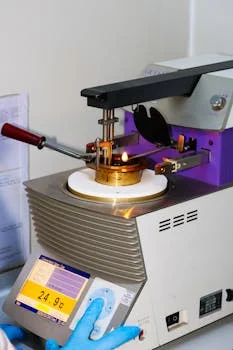
Selecting a sewage treatment equipment supplier in Ulaanbaatar requires a decision-tree analysis that balances influent characteristics, such as high fats, oils, and grease (FOG) from food processing, against land availability and winter operational temperatures. The primary objective is to eliminate the risk of "technology mismatch," where a system performs well in a laboratory setting but fails under the hydraulic surges or extreme cold of the Mongolian plateau. For instance, if land is limited and high effluent quality is required for reuse, the framework directs the buyer toward MBR technology; if the influent contains high FOG from a slaughterhouse, a DAF system must precede biological treatment.
When evaluating potential vendors, use the following criteria to identify high-reliability partners:
- Mongolia-Specific Case Studies: Can the supplier demonstrate a working installation in Ulaanbaatar that has survived at least two winters?
- Guaranteed Removal Rates: Does the contract include performance guarantees tied to MNS 592:2018 effluent limits?
- Spare Parts Availability: Does the supplier maintain a local warehouse in Ulaanbaatar for critical components like membranes or blowers?
- Automation Level: Is the system equipped with remote monitoring to alert operators of issues before they cause compliance breaches?
Red flags that should trigger immediate concern include a lack of local technical support, vague performance data that does not cite specific removal percentages, or systems that are not designed for sub-zero temperatures. A mining site in the South Gobi recently avoided a $2 million mistake by rejecting a supplier who could not provide data on how their biological process would maintain temperature in an uninsulated tank. Instead, they selected a WSZ series underground system that utilized the earth’s natural insulation and heat tracing to maintain a stable 20°C internal environment. For those in the early planning stages, it is critical to calculate your project’s exact capacity requirements to ensure the equipment is neither undersized for peak flows nor oversized, which leads to excessive OPEX.
Frequently Asked Questions
Q: What are the most cost-effective sewage treatment technologies for Ulaanbaatar’s climate?
A: Underground WSZ systems (CAPEX $600–$900/m³/h) and MBR (CAPEX $800–$1,500/m³/h) are ideal for Ulaanbaatar’s cold winters and land constraints. WSZ systems handle -30°C temperatures with insulated tanks, while MBR achieves 95%+ TSS removal in 60% less space (per HydropureWater 2024 data).
Q: How do Mongolia’s discharge standards compare to global benchmarks?
A: MNS 592:2018 is stricter than China’s GB 8978-2024 for BOD (30 mg/L vs. 60 mg/L) but aligns with EU Urban Waste Water Directive 91/271/EEC for municipal effluent. Industrial projects must also meet World Bank guidelines for reuse (≤100 CFU/100 mL fecal coliforms).
Q: What are the lead times for sewage treatment equipment in Ulaanbaatar?
A: Local suppliers deliver in 8–12 weeks, while international vendors often require 16–20 weeks due to import logistics. Modular systems can be deployed in as little as 6–8 weeks for urgent projects requiring rapid compliance.
Q: Can sewage treatment equipment be financed in Mongolia?
A: Yes. The Mongolian Ministry of Environment and Tourism offers low-interest loans (3–5% APR) for projects meeting MNS 592:2018 standards. The World Bank’s Ulaanbaatar Green Development Project also provides grants for water reuse systems (World Bank 2024).
Q: What maintenance is required for sewage treatment equipment in Ulaanbaatar’s climate?
A: Cold winters require heat tracing for pipes and antifreeze in chemical dosing systems. MBR membranes need monthly cleaning-in-place (CIP) with citric acid to prevent fouling, while DAF systems require weekly skimmer maintenance (GreenFlow Engineering 2024).