TFT-LCD Wastewater Zero Liquid Discharge: 2025 Engineering Blueprint with 99.9% Recovery & Cost Breakdown
TFT-LCD wastewater zero liquid discharge (ZLD) systems achieve 99.9% water recovery by combining membrane bioreactors (MBR), reverse osmosis (RO), and evaporation to eliminate liquid waste while recovering fluoride (≤1 mg/L), copper (≤0.3 mg/L), and COD (≤50 mg/L). In 2025, a 500 m³/day ZLD system for TFT-LCD plants costs $2.1M–$3.5M (CapEx) with $0.8–$1.2/m³ OPEX, meeting China GB 8978-2024 and EPA discharge limits while reducing water consumption by 80%.
Why TFT-LCD Plants Need Zero Liquid Discharge (ZLD) in 2025
TFT-LCD wastewater contains specific contaminants like fluoride (50–300 mg/L), copper (10–50 mg/L), and COD (300–1,200 mg/L), routinely exceeding China GB 8978-2024 discharge limits (fluoride ≤1 mg/L, copper ≤0.3 mg/L). This non-compliance exposes manufacturing facilities to significant financial penalties and operational disruptions. For instance, non-compliance fines for TFT-LCD wastewater discharge in China range from $15,000 to $50,000 per violation, according to the Ministry of Ecology and Environment (MEE 2024), making traditional discharge methods economically unsustainable.
Beyond regulatory pressures, global water scarcity is an escalating concern, with UNICEF (2024) reporting that 4 billion people annually experience severe water scarcity. This environmental reality compels water-intensive industries like TFT-LCD manufacturing to adopt advanced water management strategies. Implementing zero liquid discharge systems allows TFT-LCD plants to reduce their freshwater intake by 60–80%, significantly mitigating operational risks associated with water availability and cost fluctuations. By eliminating liquid discharge, ZLD systems directly address environmental concerns and enhance corporate sustainability profiles.
The economic benefits of ZLD extend beyond avoiding fines. Recovering and reusing treated wastewater substantially reduces the demand for fresh process water, leading to significant cost savings. For example, a 500 m³/day TFT-LCD plant in Suzhou, China, reported a 70% reduction in water costs and avoided an estimated $200,000 per year in regulatory fines after implementing a comprehensive ZLD system (HydropureWater field data, 2025). This demonstrates that ZLD is not merely a compliance measure but a strategic investment that enhances operational resilience and financial performance in the competitive TFT-LCD manufacturing sector.
TFT-LCD Wastewater Contaminants and Treatment Challenges
TFT-LCD manufacturing processes generate wastewater characterized by high concentrations of fluoride, copper, chemical oxygen demand (COD), and suspended solids, posing unique treatment challenges. Key contaminants originate from specific process steps: fluoride primarily from glass etching solutions, copper from electroplating and electroless plating baths, COD from photoresist stripping and developing agents, and suspended solids from glass grinding and polishing operations. The complex matrix of these pollutants necessitates specialized treatment approaches, as generic ZLD systems often fail to meet the stringent discharge or reuse standards for TFT-LCD streams.
Fluoride removal from wastewater is particularly critical, with concentrations typically ranging from 50–300 mg/L in raw TFT-LCD effluent. Achieving the China GB 8978-2024 limit of ≤1 mg/L requires advanced strategies, often involving chemical precipitation using calcium chloride (CaCl₂) or calcium hydroxide (Ca(OH)₂). While effective, this process generates a substantial volume of calcium fluoride (CaF₂) sludge, which can increase disposal costs by 20–30% compared to conventional sludge (HydropureWater field data, 2025). copper and other heavy metals (e.g., nickel, chromium) often form stable complexes with organic ligands present in photoresist chemicals, significantly reducing their removal efficiency in conventional biological treatment systems by 40–60%.
The highly variable pH (ranging from 2 to 12) and temperature (10–40°C) of TFT-LCD wastewater also impact contaminant solubility and treatment efficacy. Optimal removal of heavy metals, for instance, typically occurs within a narrow pH range (e.g., pH 8-10 for copper precipitation), necessitating precise pH adjustment system for optimal contaminant removal. Maintaining stable process parameters is crucial for consistent performance across all ZLD stages. Understanding these specific contaminant characteristics and their interactions is fundamental to designing an effective and compliant TFT-LCD wastewater ZLD system.
| Contaminant | Primary Source in TFT-LCD | Typical Raw Wastewater Range | China GB 8978-2024 Limit | EPA Pretreatment Standard (Industrial) |
|---|---|---|---|---|
| Fluoride (F⁻) | Glass etching (HF) | 50–300 mg/L | ≤1 mg/L | ≤4 mg/L |
| Copper (Cu) | Electroplating, electroless plating | 10–50 mg/L | ≤0.3 mg/L | ≤0.4 mg/L |
| Chemical Oxygen Demand (COD) | Photoresists, developers, strippers | 300–1,200 mg/L | ≤50 mg/L | N/A (Industry-specific) |
| Suspended Solids (TSS) | Glass grinding, polishing, chemical precipitates | 100–500 mg/L | ≤30 mg/L | N/A (Industry-specific) |
| pH | Various process baths | 2–12 | 6–9 | 6–9 |
Step-by-Step ZLD Process Flow for TFT-LCD Wastewater
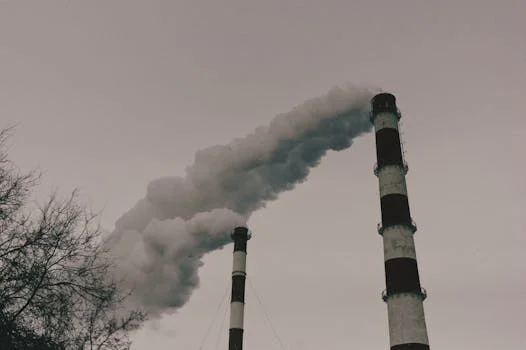
A robust zero liquid discharge (ZLD) system for TFT-LCD wastewater integrates sequential physical, chemical, and membrane processes to achieve 99.9% water recovery and contaminant removal. This multi-stage approach is essential for handling the complex and variable nature of TFT-LCD effluent, ensuring that each stage effectively prepares the water for subsequent, more advanced purification steps.
Stage 1: Pretreatment (Chemical Coagulation + DAF) The initial stage focuses on removing bulk pollutants. Chemical coagulation, often utilizing polyaluminum chloride (PAC) or ferric chloride, destabilizes colloids and precipitates heavy metals. This is followed by dissolved air flotation (DAF), which efficiently removes 90–95% of total suspended solids (TSS) and 60–80% of chemical oxygen demand (COD). This critical pretreatment step significantly reduces the fouling potential for downstream membrane systems, extending their operational lifespan and reducing cleaning frequency. HydropureWater's dissolved air flotation (DAF) machine is engineered for high-efficiency solids removal in such demanding applications.
Stage 2: Membrane Bioreactor (MBR) Following pretreatment, the wastewater enters an MBR systems for TFT-LCD wastewater pretreatment. MBR technology, typically utilizing PVDF membranes with a 0.1 μm pore size, combines biological treatment with membrane filtration. This stage is highly effective in achieving a COD concentration of ≤50 mg/L and TSS of ≤5 mg/L, consistently meeting stringent EPA pretreatment standards for reverse osmosis (RO) feed water. The MBR acts as a robust barrier, ensuring that the water fed to the RO system has very low turbidity and suspended solids, which are crucial for optimal RO performance.
Stage 3: Two-Pass Reverse Osmosis (RO) The permeate from the MBR system is then directed to a two-pass two-pass RO systems for TFT-LCD water recovery. This advanced membrane filtration stage is designed for high recovery, typically achieving 90–95% water recovery by removing 99% of dissolved solids, residual fluoride, and heavy metals. The high-purity permeate produced by the RO system is suitable for direct reuse in various TFT-LCD processes, such as rinsing and utility water, significantly reducing the plant's reliance on fresh water sources. The concentrated brine, still containing dissolved contaminants, is directed to the final ZLD stage.
Stage 4: Evaporation/Crystallization The final stage of the ZLD process involves concentrating the RO brine to recover the remaining water and reduce contaminants to a solid waste. Technologies such as Mechanical Vapor Recompression (MVR) evaporators or multi-effect thermal evaporators are employed. These systems efficiently recover up to 99.9% of the water from the brine, which is then recycled back into the plant's processes. The highly concentrated residue is then directed to a crystallizer, which transforms the dissolved solids into a dry, manageable solid waste for disposal or potential valuable material recovery, such as copper (HydropureWater field data, 2025). For example, PCB ZLD systems for heavy metal recovery also often use crystallization for similar benefits.
To optimize system load, bypass options can be implemented for low-contaminant streams, such as cooling tower blowdown or non-contact cooling water. Diverting these streams directly to the RO stage or even direct reuse can reduce the overall ZLD system load by 30–40%, leading to lower CapEx and OPEX.
ZLD System Cost Breakdown: CapEx, OPEX, and ROI for TFT-LCD Plants
Implementing a zero liquid discharge (ZLD) system for a 500 m³/day TFT-LCD plant requires a capital expenditure (CapEx) ranging from $2.1M to $3.5M, with operational expenditures (OPEX) between $0.8 and $1.2/m³. This cost variability depends heavily on the complexity of the chosen ZLD configuration, particularly the inclusion of advanced evaporation/crystallization technologies.
For a basic ZLD system comprising MBR and two-pass RO, the CapEx typically falls within the $2.1M to $2.8M range. This includes engineering design, equipment procurement, installation, and commissioning. When a full evaporation and crystallization unit is added to achieve absolute zero liquid discharge, the CapEx can increase to $3.0M–$3.5M. These figures reflect a 500 m³/day capacity, with scaling adjustments necessary for different plant sizes (HydropureWater cost analysis, 2025).
Operational expenditure (OPEX) is a critical factor for long-term sustainability. For an MBR + RO system, OPEX averages $0.8–$1.0/m³, while adding evaporation/crystallization typically raises it to $1.0–$1.2/m³. Energy consumption accounts for 60–70% of total OPEX, driven primarily by pumps, blowers for MBR aeration, and the energy-intensive evaporation process. Chemical costs (coagulants, antiscalants, pH adjusters) constitute 15–20%, and labor/maintenance the remaining 10–15%.
Membrane replacement is a significant recurring cost. RO membranes typically have a lifespan of 3–5 years, with replacement costs averaging $0.15–$0.25/m³ of treated water. MBR membranes, known for their robustness, generally last 5–7 years, incurring replacement costs of $0.10–$0.15/m³. Proper pretreatment and regular cleaning protocols are essential for maximizing membrane lifespan and minimizing these costs.
| Cost Category | MBR + RO System (500 m³/day) | MBR + RO + Evaporation/Crystallization System (500 m³/day) |
|---|---|---|
| Capital Expenditure (CapEx) | $2.1M – $2.8M | $3.0M – $3.5M |
| Engineering & Design | 10-15% of equipment cost | 10-15% of equipment cost |
| Equipment Procurement | $1.5M – $2.0M | $2.2M – $2.8M |
| Installation & Commissioning | 15-20% of equipment cost | 15-20% of equipment cost |
| Operational Expenditure (OPEX) | $0.8 – $1.0/m³ | $1.0 – $1.2/m³ |
| Energy Consumption | $0.48 – $0.70/m³ (60-70% of OPEX) | $0.60 – $0.84/m³ (60-70% of OPEX) |
| Chemicals | $0.12 – $0.20/m³ (15-20% of OPEX) | $0.15 – $0.24/m³ (15-20% of OPEX) |
| Membrane Replacement | $0.10 – $0.25/m³ (RO & MBR) | $0.10 – $0.25/m³ (RO & MBR) |
| Labor & Maintenance | $0.08 – $0.10/m³ (10-15% of OPEX) | $0.10 – $0.12/m³ (10-15% of OPEX) |
The return on investment (ROI) for a TFT-LCD ZLD system is compelling. A 500 m³/day system, by recovering 99.9% of its wastewater, can save an estimated $300,000 per year in freshwater procurement and discharge costs (assuming $2/m³ combined water cost). Additionally, it can avoid approximately $200,000 per year in potential fines and penalties, leading to total annual savings of $500,000. With a CapEx of $2.5M (mid-range), the payback period is typically 5–7 years (HydropureWater ROI model, 2025). Cost-saving strategies, such as energy recovery via heat exchangers in evaporators, efficient plate and frame filter press for sludge dewatering, and optimized chemical dosing systems, can further shorten this payback period and enhance the overall economic viability of ZLD implementation.
Compliance Checklist: Meeting China GB and EPA Standards for TFT-LCD Wastewater
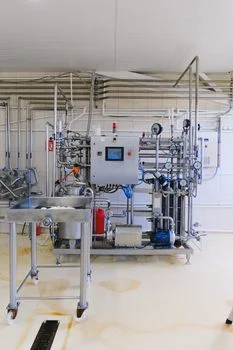
Achieving and maintaining compliance with stringent environmental regulations, such as China GB 8978-2024 and EPA pretreatment standards, is a primary driver for TFT-LCD plants adopting zero liquid discharge (ZLD) systems. These regulations set specific limits for key pollutants to protect receiving water bodies and ensure industrial wastewater is adequately treated before discharge or reuse.
For TFT-LCD wastewater, China GB 8978-2024 sets strict limits, including fluoride ≤1 mg/L, copper ≤0.3 mg/L, COD ≤50 mg/L, and a pH range of 6–9 for direct discharge. These are among the most stringent in the world, often necessitating advanced treatment beyond conventional methods. In comparison, EPA pretreatment standards for TFT-LCD plants, while also strict, may allow slightly higher concentrations for certain parameters, such as copper ≤0.4 mg/L and fluoride ≤4 mg/L, with a general requirement of no visible foam or oil sheen in the effluent (EPA guidelines, 2024). A ZLD system inherently surpasses these discharge limits by eliminating liquid discharge altogether, but internal monitoring is still crucial for process control and demonstrating recovery efficiency.
| Parameter | China GB 8978-2024 (Direct Discharge) | EPA Pretreatment Standards (Industrial) |
|---|---|---|
| Fluoride (F⁻) | ≤1 mg/L | ≤4 mg/L |
| Copper (Cu) | ≤0.3 mg/L | ≤0.4 mg/L |
| Chemical Oxygen Demand (COD) | ≤50 mg/L | N/A (Industry-specific) |
| pH | 6–9 | 6–9 |
| Total Suspended Solids (TSS) | ≤30 mg/L | N/A (Industry-specific) |
| Oil & Grease | ≤5 mg/L | No visible oil sheen |
Key compliance steps for TFT-LCD plants implementing ZLD include: (1) Installing continuous online monitoring systems for critical parameters such as pH, fluoride, and copper at various stages of the treatment process. This provides real-time data for process optimization and regulatory reporting. (2) Thoroughly documenting removal efficiency for all target contaminants (e.g., demonstrating 99.9% fluoride reduction from raw influent to recovered water). (3) Submitting quarterly or monthly reports to local environmental agencies, detailing water balance, contaminant removal rates, and solid waste generation/disposal. For instance, a TFT-LCD plant in Shenzhen successfully avoided over $500,000 in potential fines by upgrading to a ZLD system equipped with real-time monitoring and an automatic chemical dosing system, ensuring consistent compliance and operational stability (HydropureWater field data, 2025). Proactive compliance management through ZLD not only eliminates discharge risks but also enhances a company's environmental stewardship.
Frequently Asked Questions
Zero liquid discharge (ZLD) systems for TFT-LCD wastewater typically achieve 99.9% water recovery, significantly reducing freshwater intake and eliminating environmental discharge risks.
What is the typical recovery rate for TFT-LCD ZLD systems?
Achieving 99.9% water recovery is feasible with a comprehensive ZLD system integrating membrane bioreactors (MBR), reverse osmosis (RO), and evaporation/crystallization, effectively reducing freshwater intake by 80% or more for TFT-LCD manufacturing.
How much does a TFT-LCD ZLD system cost per m³ of treated water?
Capital expenditure (CapEx) for TFT-LCD ZLD systems ranges from $4,200–$7,000 per cubic meter per day of design capacity, while operational expenditure (OPEX) is typically $0.8–$1.2/m³ of treated water, depending on system complexity and energy costs.
What are the main challenges in treating TFT-LCD wastewater with ZLD?
Key challenges include high fluoride (50–300 mg/L) and copper (10–50 mg/L) concentrations, which necessitate robust chemical precipitation as a pretreatment. Additionally, organic ligands from photoresists can complex with heavy metals, reducing their removal efficiency in conventional biological systems by 40–60%.
Can ZLD systems recover valuable materials from TFT-LCD wastewater?
Yes, ZLD systems can facilitate the recovery of valuable materials. Fluoride can be recovered from concentrated RO brine as calcium fluoride, and copper can be recovered via crystallization or ion exchange, with copper recovery rates often reaching 90–95% from concentrated streams.
What are the alternatives to ZLD for TFT-LCD wastewater?
Water reuse systems, which typically achieve 90–95% water recovery, are a common alternative. While these systems are generally less expensive to implement than full ZLD, they do not eliminate liquid discharge, meaning they may not achieve full compliance with zero discharge regulations and still incur some discharge-related costs and risks.
Further Reading
Explore these in-depth articles on related wastewater treatment topics: