Industrial wastewater treatment in Córdoba requires tailored solutions due to high organic loads from food and beverage industries. Proven systems like DAF achieve 90–95% TSS and FOG removal, while MBRs deliver <1 μm effluent for reuse. Córdoba’s industrial zones, including Arroyito, treat up to 35% of local effluent at private plants, reflecting decentralized trends.
Why Industrial Wastewater Treatment Matters in Córdoba
Córdoba is a primary industrial hub in Argentina, hosting major food and beverage producers such as Arcor and Coca-Cola. These facilities generate wastewater characterized by high Chemical Oxygen Demand (COD) and complex organic structures that exceed the capacity of aging municipal infrastructure. As the city and its surrounding industrial parks expand, the pressure on the Bajo Grande wastewater treatment plant has led to a shift toward decentralized, on-site treatment strategies. (HydropureWater field data, 2025)
The viability of private treatment is demonstrated in the Arroyito complex, where approximately 35% of the city’s sewage effluent is processed within the Arcor industrial complex. This integration highlights a growing trend: industrial operators are no longer just treating their own process water but are becoming critical components of the regional hydraulic balance. For plant managers, on-site treatment is a risk mitigation strategy against tightening municipal discharge surcharges and potential production halts due to non-compliance.
While municipal systems like Bajo Grande are undergoing expansions to handle increased hydraulic loads, industrial self-treatment remains the most effective way to manage high-strength streams at the source. This approach reduces the volumetric load on public sewers and ensures that specific pollutants, such as fats, oils, and greases (FOG) from food processing, do not cause blockages or biological upsets in downstream municipal processes. Similar trends in industrial density and regulatory pressure are explored in our analysis of industrial wastewater treatment in Rosario tech and compliance.
Key Industrial Sectors and Their Wastewater Profiles
The selection of a treatment train in Córdoba depends heavily on the specific industrial sector and the resulting pollutant concentrations. Food processing dominates the local landscape, particularly in the production of candy, snacks, and dairy. Wastewater from these facilities typically exhibits COD levels between 1,000 and 5,000 mg/L, with significant concentrations of emulsified fats. Without pre-treatment, these loads quickly overwhelm standard aerobic biological systems.
Beverage bottling plants, including major operations like Coca-Cola (EDASA), face different challenges. Their effluent is often characterized by high pH variability and sugar-driven Biological Oxygen Demand (BOD5). To meet municipal discharge requirements, these plants must achieve TSS <30 mg/L and BOD5 <25 mg/L. Effective management often requires automated pH stabilization and a high-efficiency DAF system for FOG and TSS removal to protect secondary biological stages from shock loads.
Córdoba’s textile and metalworking sectors contribute inorganic pollutants, including heavy metals and emulsified machining oils. These streams require specialized chemical coagulation and flocculation prior to physical separation. Unlike the high-carbohydrate streams of the food industry, these effluents are often nutrient-deficient, requiring precise chemical dosing to destabilize colloids before they can be effectively removed via flotation or sedimentation.
Proven Wastewater Treatment Technologies for Córdoba
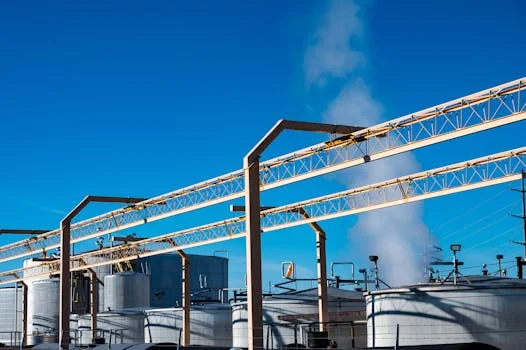
Engineering teams in Córdoba favor technologies that offer high process stability despite the seasonal fluctuations common in the agricultural processing sector. Dissolved Air Flotation (DAF) is the industry standard for primary clarification in food and beverage plants. By injecting micro-bubbles into the wastewater, DAF units effectively remove 90–95% of suspended solids and FOG, handling flow rates ranging from 4 to 300 m³/h depending on the facility size.
For facilities targeting water reuse or those with limited land availability, Membrane Bioreactor (MBR) technology has become the preferred secondary treatment. MBR systems combine biological degradation with ultrafiltration, achieving <1 μm filtration. This results in effluent quality that far exceeds local discharge standards and is suitable for cooling towers or irrigation. A compact MBR system for reuse-quality effluent typically requires 60% less space than a conventional activated sludge plant, making it ideal for the dense industrial zones of Córdoba Capital.
Chemical pretreatment remains a cornerstone of effective system design. Utilizing an automatic chemical dosing system to apply coagulants like ferric chloride or aluminum sulfate can reduce colloidal matter by 70–85%. This reduction is vital for preventing membrane fouling in MBRs and reducing the oxygen demand in subsequent aerobic stages.
| Technology | Primary Pollutants Targeted | Removal Efficiency (%) | Typical Application in Córdoba |
|---|---|---|---|
| DAF (Dissolved Air Flotation) | TSS, FOG, Insoluble COD | 90–95% | Dairy, Meat Processing, Bottling |
| MBR (Membrane Bioreactor) | BOD5, Soluble COD, Bacteria | 98–99% | Water Reuse, High-Strength Food Effluent |
| Chemical Coagulation | Colloidal Solids, Metals | 70–85% | Textiles, Metalworking, Pre-DAF |
| Anaerobic Digestion | High-Load Soluble COD | 80–90% | Large Scale Food (e.g., Arcor) |
Technology Comparison: DAF vs MBR vs Conventional Systems
Procurement teams must weigh the higher CAPEX of advanced systems against the long-term operational savings and compliance security they provide. DAF systems generally require a capital investment of $50,000 to $500,000, influenced by material choice (SS304 vs SS316) and automation levels. While DAF is excellent for solids removal, it is a physical process and cannot remove dissolved organic matter on its own, necessitating a biological stage for full compliance.
MBR systems represent a higher initial investment, often costing 20–30% more than conventional activated sludge (CAS) systems. However, the MBR’s ability to eliminate the need for secondary clarifiers and tertiary sand filters provides a massive advantage in footprint reduction. In Córdoba’s industrial parks, where land prices are high, the 60% smaller footprint of an MBR often justifies the higher equipment cost. MBRs provide a physical barrier to pathogens, ensuring consistent effluent quality even during biological upsets. A detailed technical comparison of MBR and conventional systems shows that MBR technology significantly lowers the risk of municipal fines.
Conventional systems, while lower in initial CAPEX, often struggle with the variable organic loads typical of seasonal food processing in Córdoba. They require large sedimentation tanks and are prone to "sludge bulking," which can lead to TSS permit violations. For plant managers comparing primary separation options, a DAF vs API separator performance and cost analysis reveals that DAF is significantly more effective at removing the light fats and oils found in food processing than traditional gravity-based separators.
| Criteria | DAF System | MBR System | Conventional Activated Sludge |
|---|---|---|---|
| CAPEX (Relative) | Moderate | High | Low to Moderate |
| Footprint | Small | Very Small | Large |
| Effluent Quality | Pre-treatment grade | Reuse grade (<5 mg/L BOD) | Discharge grade (20-30 mg/L BOD) |
| Operator Skill | Medium | High (Automated) | Medium |
| Sludge Volume | Low (High Solids %) | Medium | High (Low Solids %) |
Compliance Standards and Discharge Limits in Córdoba
Regulatory oversight in Córdoba is governed by provincial standards and municipal ordinances that align with Argentina’s national discharge framework. For most industries discharging into the municipal sewer system, the primary limits are BOD5 <25 mg/L, COD <100 mg/L, and TSS <30 mg/L. However, these limits are strictly enforced, and local authorities often apply surcharges based on the "excess load" of COD and FOG.
Facilities discharging directly into water bodies, such as the Suquía River, face much more stringent requirements. In these cases, tertiary treatment is mandatory to remove nutrients (Nitrogen and Phosphorus) that contribute to eutrophication. This often necessitates the use of MBRs or advanced oxidation processes. For global context on how these limits compare to international benchmarks, refer to the wastewater discharge standards 2025 tech guide.
Additionally, Córdoba has specific regulations regarding atmospheric emissions from wastewater plants. If anaerobic digestion is utilized for high-strength waste, on-site biogas treatment is required. This typically involves H2S scrubbing to prevent corrosion and odor issues, a standard practice in regional projects managed by firms like Cadagua. Compliance is monitored by ENRECO (Córdoba’s environmental agency), and failure to maintain digital discharge logs can result in immediate administrative penalties.
Cost Breakdown and ROI for Industrial Treatment Systems
Financial justification for a wastewater plant investment in Córdoba must account for CAPEX, OPEX, and the avoidance of municipal penalties. For a standard 100 m³/h treatment requirement in a food processing plant, a DAF-based system typically involves a $200,000 CAPEX. The annual OPEX, including power, maintenance, and chemical coagulants, averages $12,000. (HydropureWater field data, 2025)
An MBR system of the same capacity requires a higher CAPEX of approximately $260,000 and an OPEX of $18,000, primarily due to membrane cleaning and aeration energy. However, the MBR generates ROI by enabling water reuse, which can save a facility upwards of $40,000 per year in raw water purchases and sewer discharge fees. In many cases, the payback period for an integrated DAF+MBR system ranges from 2.5 to 4 years. For a deeper look at pricing variables, see our DAF system cost and pricing guide.
| Cost Component (100 m³/h) | DAF System | MBR System |
|---|---|---|
| Estimated CAPEX | $200,000 | $260,000 |
| Annual OPEX (Chemicals/Power) | $12,000 | $18,000 |
| Annual Sewer Fee Savings | $15,000 - $25,000 | $40,000 - $60,000 |
| Estimated Payback Period | 3.5 Years | 2.8 Years |