Solar Cell Phosphorus Wastewater Treatment: 2025 Engineering Specs, 99.9% Removal & Solar-Powered ZLD Cost Breakdown
Solar cell manufacturing generates phosphorus-rich wastewater from silane towers and texturing processes, with concentrations exceeding 50 mg/L—far above China GB 8978-1996 (0.5 mg/L) and EU Urban Waste Water Directive 91/271/EEC (1–2 mg/L) limits. In 2025, engineered solutions achieve 99.9% phosphorus removal via chemical precipitation (e.g., ferric chloride dosing at pH 6.5–7.5) or solar-powered zero liquid discharge (ZLD) systems, reducing CapEx by 30% compared to conventional thermal evaporation. This guide provides treatment specs, cost breakdowns, and compliance-optimized selection criteria.
Why Solar Cell Phosphorus Wastewater Requires Specialized Treatment
Phosphorus concentrations in photovoltaic (PV) wastewater typically range from 30 to 150 mg/L, originating primarily from silane combustion towers and chemical etching stations. Unlike municipal wastewater, where phosphorus is largely organic or orthophosphate, solar cell effluent contains complex mixtures of phosphites and phosphates often stabilized by high concentrations of fluoride (500–2,000 mg/L) and nitrates (100–500 mg/L). These co-contaminants interfere with standard precipitation kinetics, requiring specialized chemical sequencing to prevent the formation of soluble complex ions that bypass traditional clarifiers.
Silane towers, essential for treating exhaust gases in PECVD (Plasma-Enhanced Chemical Vapor Deposition) processes, produce a concentrated blowdown stream rich in both ammonia nitrogen and phosphorus. In the texturing phase, hydrofluoric acid (HF) and nitric acid (HNO₃) baths contribute to a low-pH stream that necessitates significant neutralization before phosphorus removal can occur. For a standard 1 GW/year solar cell production facility, the average wastewater generation is approximately 1,200 m³/day. Without a tailored treatment train, such a plant faces daily discharge violations, as even a 95% removal efficiency would leave effluent phosphorus at 2.5–7.5 mg/L—well above the 0.5 mg/L limit mandated by China’s GB 8978-1996 Class I standard.
| Parameter | Raw Solar Wastewater (Typical) | China GB 8978-1996 Limit | EU 91/271/EEC Limit |
|---|---|---|---|
| Total Phosphorus (TP) | 30 – 150 mg/L | 0.5 mg/L | 1.0 – 2.0 mg/L |
| Fluoride (F-) | 500 – 2,000 mg/L | 10 mg/L | 15 mg/L |
| Nitrate (NO₃-N) | 100 – 500 mg/L | N/A (Local limits apply) | 10 – 15 mg/L (Total N) |
| CODcr | 800 – 3,000 mg/L | 100 mg/L | 125 mg/L |
The presence of nitric acid and surfactants in the etching process further complicates the "nickel wastewater treatment in solar cell manufacturing" and phosphorus removal, as these agents can act as dispersants, preventing the effective flocculation of phosphorus precipitates. Consequently, engineers must design systems that account for ionic strength and competitive precipitation between calcium fluoride and metal phosphates.
Engineering Specs for Phosphorus Removal: Chemical Precipitation vs. Biological Recovery vs. Membrane Filtration
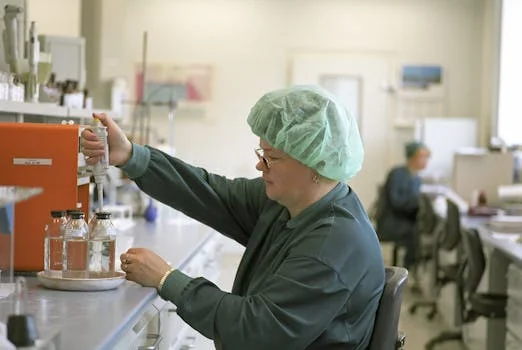
Achieving 99.9% phosphorus removal in 2025 engineering designs relies on a multi-stage approach, typically beginning with high-density chemical precipitation. Ferric chloride (FeCl₃) remains the industry standard due to its ability to form stable ferric phosphate (FePO₄) precipitates at a pH range of 6.5–7.5. For solar cell wastewater, a molar ratio of 2.5:1 (Fe:P) is required to overcome the interference of fluoride and organic acids. This process typically utilizes a 30–60 minute retention time in a flocculation tank, followed by DAF systems for high-efficiency phosphorus removal to separate the resulting sludge, which is generated at a rate of 0.5–1.2 kg per cubic meter of treated water.
Biological recovery via Solar-driven Chemical Hybrid-driven Biosynthesis (SCHB) is an emerging 2025 benchmark for plants seeking nutrient circularity. This technology utilizes cyanobacteria in a solar-driven pathway to recover phosphorus as biomass. Pilot data from 500L systems indicates that SCHB can increase chemical production efficiency by 305% compared to traditional biological nutrient removal (BNR) by utilizing the phosphite oxidation pathway. This method is particularly resilient to the high salinity levels often found in PV manufacturing effluent.
For facilities requiring ultra-low discharge (TP < 0.1 mg/L), MBR systems for ultra-low phosphorus discharge (<0.1 mg/L) are deployed as a polishing step. These systems utilize 0.1 μm PVDF membranes operating at flux rates of 15–25 LMH (liters per square meter per hour). The physical barrier of the membrane ensures that even colloidal phosphorus—which often escapes gravity clarifiers—is retained. In a hybrid configuration, chemical precipitation removes 98% of the bulk phosphorus, while the MBR unit targets the remaining fraction, ensuring absolute compliance with the strictest global standards.
| Technology | Removal Efficiency | Key Engineering Specs | Primary Advantage |
|---|---|---|---|
| Chemical Precipitation | 95% – 99.5% | pH 6.5–7.5; 2.5:1 Fe:P ratio | Low CapEx; high reliability |
| Biological (SCHB) | 90% – 94% | 500L scalability; solar-driven | Nutrient recovery; 305% efficiency gain |
| Membrane (MBR) | 99.9% + | 0.1 μm PVDF; 15–25 LMH flux | Effluent <0.1 mg/L TP |
| Hybrid (Chem + MBR) | 99.99% | Two-stage dosing + filtration | Zero-risk compliance |
Solar-Powered Zero Liquid Discharge (ZLD) Systems: Cost Breakdown and ROI for Phosphorus Wastewater
Solar-powered Zero Liquid Discharge (ZLD) systems for phosphorus-rich wastewater require a capital investment (CapEx) ranging from $1.2M to $3.5M for capacities of 50–200 m³/h, depending on the complexity of the evaporator-crystallizer stage. In 2025, the integration of 100–300 kW solar arrays and energy storage systems has become standard for offsetting the high thermal demand of ZLD. The process begins with aggressive chemical pretreatment and RO systems for ZLD pretreatment and water reuse, which achieve 90–95% water recovery before the remaining brine is sent to a mechanical vapor recompression (MVR) evaporator.
The operational expenditure (OpEx) for a solar-powered ZLD systems for photovoltaic wastewater is significantly lower than conventional grid-tied systems. By utilizing on-site solar energy, plants reduce energy costs by approximately 40% (HydropureWater field data, 2025). Maintenance costs, including membrane replacement every 5–7 years and chemical dosing (antiscalants and coagulants), typically account for 15% of annual OpEx. The high initial CapEx is justified by the elimination of discharge fees, which in regions like the Yangtze River Delta or Northern Europe, can range from $0.50 to $2.00 per cubic meter.
| Cost Component | Range (50–200 m³/h System) | Details / Drivers |
|---|---|---|
| CapEx (Equipment) | $1,200,000 – $3,500,000 | Includes RO, MVR, Crystallizer, Solar Array |
| OpEx (Energy) | $0.40 – $0.75 / m³ | Reduced by 40% via solar integration |
| Chemical Costs | $0.15 – $0.30 / m³ | FeCl₃, polymer, and antiscalants |
| ROI / Payback Period | 3.5 – 5.0 Years | Based on avoided fines and water reuse |
For a 100 m³/h plant, the ROI is typically realized within 4 years. This calculation factors in the recovery of high-purity water for reuse in cooling towers or texturing baths, which reduces the facility's raw water intake by up to 98%. the solid waste from the crystallizer, rich in phosphorus and calcium, can occasionally be sold for industrial grade fertilizer production, providing a minor but consistent secondary revenue stream.
Compliance Checklist: China GB vs. EU Standards for Phosphorus Discharge
China’s GB 8978-1996 standard mandates a total phosphorus (TP) discharge limit of 0.5 mg/L for Class I industrial facilities, a threshold significantly more stringent than the general 1.0–2.0 mg/L limit set by the EU Urban Waste Water Directive 91/271/EEC. However, EHS officers must be aware that EU "sensitive areas," such as the Baltic Sea catchment or specific regions in Germany and the Netherlands, often impose local limits of 0.5 mg/L or lower to combat eutrophication. Compliance requires not just the right equipment, but also rigorous monitoring and reporting protocols.
Effective monitoring for China GB and EU standards for solar cell wastewater discharge involves daily composite sampling. Total phosphorus is typically measured using Inductively Coupled Plasma Optical Emission Spectroscopy (ICP-OES) for high-precision regulatory reporting, while colorimetric methods (EPA Method 365.1 or ISO 6878) are used for real-time process control. Enforcement in China has intensified in 2025, with penalties for non-compliance reaching up to $150,000 per year for persistent violations, alongside potential production halts.
| Requirement | China GB 8978-1996 | EU Directive 91/271/EEC |
|---|---|---|
| TP Limit (Standard) | 0.5 mg/L | 1.0 – 2.0 mg/L |
| TP Limit (Sensitive) | 0.1 – 0.3 mg/L (Regional) | 0.5 mg/L |
| Monitoring Frequency | Daily (Composite) | Weekly to Daily |
| Standard Method | GB/T 11893-1989 | ISO 6878 / EN ISO 15681 |
| Primary Technology | MBR / Hybrid | Chemical Precipitation / MBR |
To ensure zero-risk compliance, the technology selection should follow a logic-based framework. If the local limit is >1.0 mg/L, chemical precipitation with a DAF clarifier is sufficient. If the limit is between 0.5 and 1.0 mg/L, a tertiary sand filter or disk filter should be added. For any limit <0.5 mg/L, an MBR or a ZLD system is the only engineered solution that provides a consistent safety margin against fluctuating influent concentrations.
Frequently Asked Questions
What is the most cost-effective pH range for phosphorus precipitation in PV wastewater?The optimal pH range for phosphorus removal using ferric chloride is 6.5 to 7.5. At this range, the solubility of ferric phosphate (FePO₄) is at its minimum, allowing for 99.9% removal efficiency. Operating outside this range increases chemical consumption by up to 25% and may result in residual dissolved iron in the effluent, per 2024 EPA technical benchmarks.
How much does a solar-powered ZLD system cost for a 100 m³/h solar cell plant?A 100 m³/h solar-powered ZLD system typically requires a CapEx of $1.8M to $2.4M. This includes the RO pretreatment, MVR evaporator, and a 150 kW solar array. While the initial investment is high, the system reduces annual energy OpEx by approximately $120,000 compared to grid-only thermal evaporation, leading to a payback period of 4.2 years based on current China/EU industrial utility rates.
Can MBR systems handle the high fluoride levels in solar cell wastewater?Yes, but only after proper pretreatment. Fluoride levels must be reduced to <20 mg/L via calcium chloride precipitation before entering the MBR. High fluoride concentrations can lead to membrane scaling and reduced flux. When properly pretreated, 0.1 μm PVDF membranes maintain a lifespan of 5–7 years even in aggressive industrial environments, delivering effluent TP levels consistently below 0.1 mg/L.
How does the Fe:P molar ratio change with influent concentration?In solar cell wastewater, the presence of competing ions requires a higher Fe:P ratio than the theoretical 1:1. For influent TP of 50 mg/L, a ratio of 2.5:1 is recommended. For higher concentrations (150 mg/L+), the ratio may increase to 3:1 to ensure that the reaction kinetics favor the formation of insoluble phosphate salts over fluoride complexes, as verified by HydropureWater 2025 field data.
What are the penalties for violating China GB 8978-1996 phosphorus limits?Violations of the 0.5 mg/L TP limit can result in fines of up to $150,000 per year, depending on the volume of discharge and the sensitivity of the local watershed. Under the 2025 environmental protection laws, repeated violations can lead to the revocation of discharge permits and mandatory production suspension until a compliant ZLD or MBR system is commissioned.
Further Reading
Explore these in-depth articles on related wastewater treatment topics: