Why Panama Needs Package Wastewater Treatment Plants
Package wastewater treatment plants serve industrial and municipal sites in Panama that lack a reliable sewer connection or that must meet receiving-water limits on a compact footprint. Typical packaged capacities run from 1 to 500 m³/day (about 264–132,000 US gpd). Designers size them for tropical air temperatures of 28–32°C, high humidity, and hurricane exposure common on both coasts.
Panama’s discharge rules for surface and groundwater remain grounded in Reglamento Técnico DGNTI-COPANIT 35-2000, which sets BOD5 at 35 mg/L, TSS at 35 mg/L, and total coliforms at 1,000 NMP/100 mL for discharges to receiving waters (documented in the Panama Bay sanitation project addendum). Earlier secondary summaries often cited BOD below 30 mg/L; the published COPANIT 35 table uses 35 mg/L for BOD5 and TSS. Sewer connections fall under DGNTI 39-2023, approved in Gaceta Oficial No. 29994 on 21 March 2024, with Ministerio de Salud as the competent authority for that sewer-discharge rule. Environmental permitting and enforcement now sit with Ministerio de Ambiente (MiAmbiente), the successor to ANAM.
Older project briefs described a large untreated share of urban wastewater; rural districts still rely heavily on septic tanks and on-site systems rather than centralized plants. Industrial clusters in the Colón Free Zone (textiles, food processing) and mining-linked loads add high-strength streams that centralized plants do not always cover. Modular plants also help after storm damage: after Hurricane Julia in 2022, fixed civil works flooded while elevated skids could be re-anchored faster. Most plants we size for Colón factories land near 50–100 m³/day, not the upper 500 m³/day end of the catalog.
Package Plant Technologies for Panama’s Climate
Three package process trains dominate Panama bids: membrane bioreactor (MBR), sequencing batch reactor (SBR), and anoxic/oxic (A/O). Ambient water near 28–32°C speeds biology, which shortens required hydraulic retention time but can stress PVDF membranes if mixed liquor stays hot. Food-processing influent often arrives at BOD 200–800 mg/L; textile dye houses add color and metals that need pretreatment before the biological stage.
MBR couples activated sludge with submerged PVDF membranes at 0.1–0.4 μm pore size. Pathogen removal commonly exceeds 99% when membranes and CIP are maintained, at roughly 0.8–1.2 kWh/m³ treated. SBR cycles fill–react–settle–decant, which fits resorts in Bocas del Toro with seasonal occupancy and can cut footprint 30–50% versus continuous activated sludge. A/O trains target nitrogen; ammonia nitrogen below 5 mg/L is a common design target, with sludge yield about 0.2–0.4 kg TSS/kg BOD. High humidity drives corrosion on carbon steel, so HDPE tanks or coated alloys are preferred for outdoor packages.
| Parameter | MBR (Membrane Bioreactor) | SBR (Sequencing Batch Reactor) | A/O (Anoxic/Oxic) |
|---|---|---|---|
| Primary Mechanism | Biological treatment + Membrane filtration | Batch biological treatment | Two-stage biological treatment (anoxic + oxic) |
| Key Benefit | Superior effluent quality (pathogen removal) | Flexibility for variable loads, smaller footprint | Efficient nitrogen removal |
| Typical Influent BOD (mg/L) | Up to 800 mg/L (with pre-treatment for higher) | 200 - 500 mg/L | 200 - 500 mg/L |
| Pathogen Removal | >99% | Moderate to High (depending on design) | Moderate |
| Nitrogen Removal | Good | Good | Excellent (NH4-N < 5 mg/L target) |
| Energy Use (kWh/m³) | 0.8 - 1.2 | 0.5 - 1.0 | 0.4 - 0.8 |
| Footprint | Compact | 30-50% smaller than conventional | Moderate |
| Climate Suitability | Requires consideration for membrane cooling in extreme heat; corrosion-resistant materials essential. | Well-suited for seasonal variations; robust against temperature fluctuations. | Effective in warm climates; less susceptible to temperature swings than pure aerobic systems. |
For pathogen-sensitive sites, MBR systems for pathogen removal in tropical climates keep effluent tight. Where nitrogen and burial depth matter more than ultrafiltration, the Underground Package Sewage Treatment Plant (WSZ Series) is the A/O-style option most EPCs shortlist for urban lots.
Technical Comparison: MBR vs. SBR vs. A/O for Panama’s Wastewater Challenges
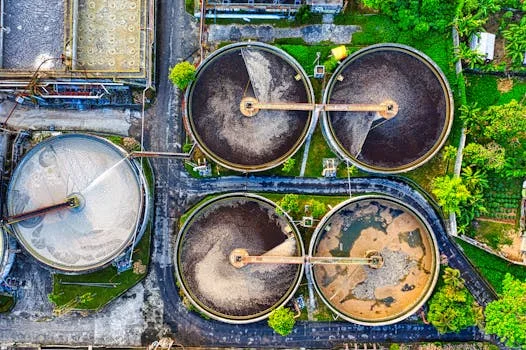
MBR packages deliver the highest pathogen barrier and BOD removal above 95% at 10–500 m³/day, but CAPEX often runs $1,500–$3,000 per m³/day of capacity and OPEX about $0.20–$0.40/m³ because of membrane cleaning energy. SBR units spanning 5–500 m³/day suit tourism loads that swing weekly; energy sits near 0.5–1.0 kWh/m³ and CAPEX nearer $1,000–$2,000 per m³/day. A/O plants at 10–300 m³/day remove more than 80% nitrogen at 0.4–0.8 kWh/m³ and CAPEX about $1,000–$1,800 per m³/day, with slightly lower BOD removal unless polishing is added.
Freight into the Colón Free Zone can add roughly 15% to equipment landed cost once duties and inland haul are stacked. Operational load differs: MBR crews watch transmembrane pressure and CIP; SBR crews lock cycle timers; A/O crews hold dissolved oxygen in the oxic zone. Warm tropical biology helps all three trains, yet MBR still needs shade or cooling loops when mixed liquor climbs in dry season heat.
| Technology | Capacity Range (m³/day) | BOD Removal (%) | Nitrogen Removal (%) | Footprint (m²/100 m³) | Energy Use (kWh/m³) | CAPEX ($/m³ - typical) | OPEX ($/m³/year - typical) | Maintenance Complexity | Suitability for Panama’s Climate |
|---|---|---|---|---|---|---|---|---|---|
| MBR | 10 – 500 | >95% | 70-85% | 20-40 | 0.8 - 1.2 | $1,500 - $3,000 | $0.20 - $0.40 | Moderate (membrane care) | Excellent (enclosed); consider membrane cooling. |
| SBR | 5 – 500 | 90-95% | 60-80% | 30-50 | 0.5 - 1.0 | $1,000 - $2,000 | $0.15 - $0.30 | Moderate (cycle programming) | Very Good (handles variable loads well). |
| A/O | 10 – 300 | 85-90% | >80% (NH4-N < 5 mg/L) | 40-60 | 0.4 - 0.8 | $1,000 - $1,800 | $0.15 - $0.25 | Low to Moderate | Good (robust biological process). |
Hospital and dense housing projects still specify MBR systems for pathogen removal in tropical climates when reuse or near-shore discharge is planned. Nitrogen-heavy agro-processing in Chiriquí more often selects compact A/O systems for urban and industrial projects. Operating lessons from South Australia’s decentralized wastewater systems also transfer to remote Panamanian sites with thin O&M benches.
Compliance Checklist: Permitting and Effluent Standards for Package Plants
DGNTI-COPANIT 35-2000 (receiving waters) remains the core design table for package plants that discharge to rivers, canals, or coastal waters: BOD5 35 mg/L, TSS 35 mg/L, total coliforms 1,000 NMP/100 mL, COD 100 mg/L, grease and oils 20 mg/L, and pH 5.5–9.0. DGNTI 39-2023 covers liquid discharges into sanitary sewer networks that end at a treatment works and requires registration and characterization with the service provider. MiAmbiente handles environmental impact review; municipalities issue construction permits; an operating authorization follows successful commissioning.
Projects above about 50 m³/day usually trigger a formal Environmental Impact Assessment. Full permitting commonly takes 6–12 months once EIA scope, MiAmbiente review, municipal permits, and the operating license are sequenced. Weekly BOD and TSS sampling plus monthly metals checks are typical industrial conditions—chromium from textile dyeing is a recurring Colón Free Zone issue. Some Free Zone contracts add COD below 125 mg/L on top of national tables. EIA consulting alone often runs $5,000–$20,000, and high water tables in Bocas del Toro change foundation and submersible pump design.
The permitting process can be broken down into these key steps:
- Environmental Impact Assessment (EIA): Required for plants > 50 m³/day. This study evaluates potential environmental effects and proposes mitigation measures.
- MiAmbiente Approval: Formal review and approval of the EIA and proposed treatment system by the environmental authority.
- Municipal Construction Permits: Obtaining necessary building and installation permits from the local municipality.
- Operational License: Issued upon successful commissioning and demonstration of compliance.
Skipping any stage delays commissioning and can freeze discharge rights. Comparing Panama’s dual COPANIT path with India’s package plant market helps procurement teams see how sewer versus receiving-water rules diverge.
Cost Breakdown: CAPEX, OPEX, and ROI for Package Plants in Panama
For a 100 m³/day package plant, equipment usually costs $80,000–$150,000. Shipping and logistics add $10,000–$20,000 once duties and inland haul are included. Installation and civil works run $20,000–$40,000, while permitting and consulting add $5,000–$15,000. A 10% contingency brings total CAPEX into the $115,000–$225,000 band for that size.
OPEX energy typically sits at $0.05–$0.15/m³ depending on blower choice and tariff. Chemicals for pH or disinfection may add $0.02–$0.08/m³. Trained operators cost about $20,000–$50,000 per year, with spares and maintenance another $5,000–$15,000 annually. Hurricane anchoring and flood-proof electrics often add $5,000–$15,000, and corrosion-resistant materials carry a 10–20% premium. Inter-American Development Bank municipal loans are often discussed in the 5–7% interest range; industrial bank loans commonly sit near 8–12%.
| Cost Category | Typical Range (for 100 m³/day plant) | Notes |
|---|---|---|
| CAPEX Components | ||
| Equipment Purchase | $80,000 - $150,000 | Varies by technology (MBR > SBR/A/O) |
| Shipping & Logistics | $10,000 - $20,000 | Higher for remote areas, Colón Free Zone |
| Installation & Civil Works | $20,000 - $40,000 | Site preparation, foundation, piping |
| Permitting & Consulting | $5,000 - $15,000 | EIA, local permits |
| Contingency (10%) | $11,500 - $22,500 | Unforeseen expenses |
| Total Estimated CAPEX | $115,000 - $225,000 | |
| OPEX Components (per m³) | ||
| Energy Consumption | $0.05 - $0.15 | Depends on technology and tariff |
| Chemicals | $0.02 - $0.08 | If required for treatment |
| OPEX Components (Annual) | ||
| Labor (Operators) | $20,000 - $50,000 | Requires trained personnel |
| Maintenance & Spare Parts | $5,000 - $15,000 | Routine servicing, consumables |
| ROI Example (50 m³/day plant) | ||
| Avoided Fines (monthly) | $10,000 | Hypothetical, based on non-compliance |
| CAPEX Recovery Period | 2-3 years | Based on avoided fines vs. CAPEX |
Stable chemical feed with chemical dosing systems to optimize OPEX keeps pH and disinfection inside the COPANIT envelope without overdosing. For regional CAPEX context, compare against wastewater treatment plant cost benchmarks in Southeast Asian markets.Typical upgrade scopes include new blowers, PLC cycle logic, membrane cassettes, or a DAF pretreatment skid rather than a complete steel or HDPE tank swap. For a 50–100 m³/day unit, that often means $40,000–$120,000 in equipment and commissioning, plus 4–8 weeks of downtime if hydraulic tie-ins are planned in the dry season.
Freight, duties, and Colón Free Zone logistics still apply to upgrade kits, so landed cost can sit 10–15% above factory quotes. Labor for local welders and electricians is cheaper than importing a full package, which is why many industrial owners prefer retrofit when the shell is less than 10–12 years old.
When Is a Package Plant Upgrade Cheaper Than Replacement?
A package plant upgrade beats full replacement when concrete or HDPE tanks pass leak tests, electrical rooms sit above flood elevation, and the process gap is one unit operation—membranes, nitrogen polishing, or oil removal. Replacement wins when corrosion has thinned tank walls, hydraulic capacity must jump more than about 50%, or the site must move because of flood zoning. Most plants we audit after five years of food-processing duty need blower and diffuser work first; membranes or media come next.
Supplier Evaluation Framework: How to Choose a Package Plant Vendor in Panama
Vendor selection should weight local parts stock as heavily as nameplate efficiency. Ask for Panama or wider Latin America references, a written path to COPANIT 35 receiving-water limits, and warranty terms of roughly 2–5 years on membranes and 10+ years on structure. Red flags include no local spare inventory, vague compliance letters, and emergency response measured in weeks rather than days.
| Evaluation Criteria | Vendor A (International) | Vendor B (Local Distributor) | Vendor C (Regional) |
|---|---|---|---|
| Local Presence/Support | Limited, relies on agents | Strong, based in Panama City | Regional office, 1-2 days travel |
| Panama/LATAM Case Studies | Few, primarily global | Multiple, specific to Panama | Moderate, regional focus |
| ANAM Compliance Guarantee | Standard spec sheets | Detailed compliance plan | General assurance |
| Warranty (Membranes/Structure) | 2-5 years / 10+ years | 2-5 years / 10+ years | 1-3 years / 5-10 years |
| Operator Training | On-site, intensive | Local, ongoing support | Remote/periodic |
| Spare Parts Availability | Long lead times, international shipping | Local stock, quick delivery | Moderate lead times |
| CAPEX | Higher | Moderate | Moderate to High |
| Lead Time (Equipment) | 12-20 weeks | 4-8 weeks | 8-16 weeks |
| Technical Innovation | High | Moderate | Moderate to High |
Walk a similar Panama installation before signing, lock emergency response hours in the contract, and clarify leasing versus cash purchase. Market structure differences with how India’s package plant market compares to Panama’s also show why local stock outweighs brochure features here.
Who This Is For and Next Step
This guide fits plant engineers, EPC contractors, and procurement managers sizing 1–500 m³/day decentralized plants for Colón Free Zone factories, resorts, mining camps, or municipal fringe developments. Teams already connected to a compliant IDAAN trunk sewer with spare capacity should evaluate connection fees before buying a package plant. When you have influent data and a discharge point, request a sized process and budget through our package plant inquiry form so the quote matches COPANIT limits and site constraints.
Selection checklist before tender:
- Confirm discharge path: receiving water (COPANIT 35) versus sewer (DGNTI 39-2023).
- Measure influent BOD, COD, TSS, NH4-N, oils, and metals at peak and average days.
- Set capacity with a 20–30% hydraulic margin for wet-season infiltration.
- Specify hurricane anchoring, flood elevation for MCC panels, and corrosion class.
- Require local spare-parts lead times in writing (days, not months).
- Budget EIA, duties, and 10% contingency inside CAPEX—not as afterthoughts.
- Decide upgrade versus replacement using tank integrity and required capacity jump.
Frequently Asked Questions
What is the typical lead time for a package wastewater treatment plant in Panama?
Equipment delivery typically takes 8–12 weeks, then 4–8 weeks for installation and commissioning once foundations are ready. Full project duration including EIA and permits often stretches 6–12 months. Local distributors holding standard A/O or SBR models can shorten the equipment leg when civil works are already approved.
Are package plants hurricane-resistant?
Package plants can be engineered for hurricane loads with deep anchors, elevated or sealed electrical gear, and corrosion-resistant shells. Flood-proofing of blowers and MCCs matters as much as wind ratings on the Panamanian coasts. Enclosed MBR skids shed wind-driven rain better than open basins, but every outdoor unit still needs a site-specific structural check.
What maintenance does a package plant need in Panama’s climate?
MBR plants need regular membrane cleaning—often weekly CIP checks—plus sludge wasting and sensor calibration. SBR and A/O units need diffuser inspection, DO probe checks, and quarterly chemical-feed calibration when dosing is used. High humidity forces frequent coating and fastener inspections on any carbon-steel frames left outdoors.
Can package plants handle Panama’s high organic loads from food processing?
Package biological trains handle food-processing loads when influent BOD stays within design, typically up to about 800 mg/L for MBR and 500 mg/L for SBR or A/O without heavy pretreatment. Influent above roughly 1,000 mg/L BOD usually needs a DAF or equalization stage first. For that pretreatment step, DAF systems for pre-treatment of high-BOD wastewater cut oil and TSS before the bioreactor.
What financing options exist for package plants in Panama?
Municipal and public projects often pursue Inter-American Development Bank-style infrastructure loans discussed around 5–7% interest. Industrial owners more often use Panamanian commercial banks at roughly 8–12%, or supplier leasing on the equipment package. Finance term sheets should ring-fence duties, EIA, and hurricane upgrades so those line items are not left unfunded.