PCB wastewater water reuse systems achieve 99.9% recovery rates using hybrid zero liquid discharge (ZLD) designs, combining reverse osmosis (RO), ion exchange, and evaporation. For example, a 12 gpm RO system (per Aries Chemical benchmarks) removes 98% of copper and 95% of fluoride, while VSEP RO membranes produce permeate meeting EPA sewer discharge limits. China’s GB 8978-1996 mandates <0.5 mg/L copper and <10 mg/L COD for reuse, requiring multi-stage treatment to avoid non-compliance costs up to $10,000/month.
Why PCB Wastewater Water Reuse Fails Without Hybrid ZLD Systems
Traditional wastewater treatment plants at PCB facilities often struggle with recovery rates exceeding 70% because they rely on standalone processes that cannot handle the chemical complexity of the effluent. PCB wastewater typically contains 500–2,000 mg/L COD, 10–50 mg/L copper, and 5–20 mg/L fluoride, concentrations that far exceed the thresholds for both China GB 8978-1996 and EPA discharge limits.
The primary failure mode in PCB water recycling is the presence of complexed metals. In plating and etching lines, copper often exists as copper-ammonia or copper-EDTA complexes. Standard chemical precipitation—adding hydroxides to reach a specific pH—fails to break these bonds, leaving soluble copper in the effluent. This necessitates the use of ion exchange or high-shear RO systems to achieve the 99% removal efficiency required for high-grade reuse. For many plant managers, the frustration of failing compliance leads to astronomical hauling costs, which can reach $500/m³ for hazardous liquid waste.
A case study from a Northeastern PCB plant illustrates the necessity of a hybrid approach. The facility originally utilized a standalone RO system but faced frequent membrane scaling and high discharge fees. By switching to a hybrid ZLD system—integrating chemical pretreatment, RO, and evaporation—the plant reduced its external hauling costs from $12,000/month to just $2,500/month (Aries Chemical data). This transition shows that 99.9% recovery is not achieved through a single technology but through a sequence of treatment mechanisms designed to protect the final membrane stage.
PCB Wastewater Contaminant Profile: What’s Really in Your Effluent?
The interaction between pollutants often dictates the pretreatment strategy.Engineering a successful reuse system requires a granular understanding of the influent's chemical makeup, as PCB fabrication generates distinct waste streams from etching, plating, and rinsing. Etching processes contribute high concentrations of ammonia and copper, while photolithography introduces high-molecular-weight organics and surfactants. These contaminants interact in ways that challenge conventional filtration; for instance, the presence of cyanide alongside copper creates stable complexes that resist standard oxidation.
The following table outlines the typical contaminant ranges found in PCB effluent and the stringent regulatory benchmarks that engineers must hit for compliance.
| Contaminant | Concentration Range (Typical) | China GB 8978-1996 (Grade I) | EPA 40 CFR Part 433 | EU Discharge Limits |
|---|---|---|---|---|
| Total Copper (Cu) | 10–50 mg/L | <0.5 mg/L | <1.3 mg/L | <0.5 mg/L |
| COD (Cr) | 500–2,000 mg/L | <100 mg/L (Reuse <10) | N/A (Local POTW vary) | <125 mg/L |
| Fluoride (F-) | 5–20 mg/L | <10 mg/L | N/A | <15 mg/L |
| Ammonia (NH3-N) | 50–200 mg/L | <15 mg/L | N/A | <10 mg/L |
| Nickel (Ni) | 2–10 mg/L | <1.0 mg/L | <2.38 mg/L | <0.5 mg/L |
| Cyanide (CN-) | 1–5 mg/L | <0.5 mg/L | <1.2 mg/L | <0.2 mg/L |
The COD levels in PCB wastewater are often composed of "hard" organics like dry film residues, which require MBR systems for high-COD PCB wastewater to ensure biological stability before high-pressure filtration. Understanding these interactions is the difference between a system that runs for years and one that requires membrane replacement every quarter.
Hybrid ZLD System Design: RO vs. MBR vs. Ion Exchange for 99.9% Recovery
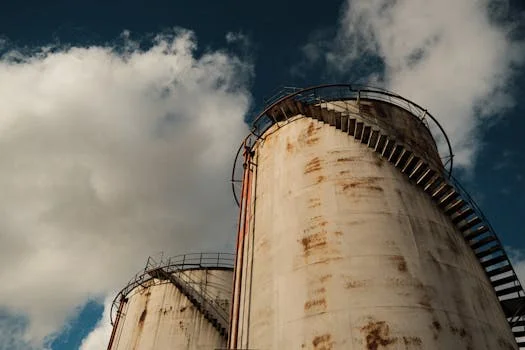
Achieving 99.9% recovery requires a tiered architecture where each stage targets a specific class of contaminants.
For high-solids streams, such as those with up to 5% Total Suspended Solids (TSS), conventional RO systems often fail due to lack of shear at the membrane surface. In these instances, Vibratory Shear Enhanced Processing (VSEP) is utilized to maintain flux. However, for most rinse water reuse applications, HydropureWater’s RO systems for PCB wastewater reuse provide the most cost-effective balance of footprint and energy consumption. When integrated with a Membrane Bioreactor (MBR), the system can handle fluctuating organic loads that would otherwise foul a standard spiral-wound RO element.
| Technology Type | Water Recovery Rate | Footprint Requirement | Typical CapEx (per 10 m³/h) | Primary Removal Target |
|---|---|---|---|---|
| Reverse Osmosis (RO) | 75% – 95% | Medium | $150,000 | Dissolved Salts, Metals |
| Membrane Bioreactor (MBR) | Up to 99% | Small (60% less than A/O) | $220,000 | COD, BOD, Organics |
| Ion Exchange (IX) | 99.9% (Metals) | Small | $80,000 | Selective Metal Polishing |
| Mechanical Vapor Recompression | >99.9% | Large | $350,000+ | ZLD (Zero Liquid Discharge) |
The choice between these technologies depends on the specific flowrate and the desired quality of the recycled water. If the goal is to produce ultra-pure water (UPW) for rinsing high-density interconnect (HDI) boards, an RO system followed by Ion Exchange polishing is mandatory. If the facility is primarily concerned with meeting China’s GB 8978-1996 standards for discharge to a municipal plant, an MBR-led system is often sufficient. For plants facing strict "zero discharge" mandates, the brine from the RO system must be sent to an evaporator, ensuring that only solid salt cakes leave the facility.
Proper pretreatment is the most critical factor in system longevity. Using a PLC-controlled dosing for PCB pretreatment ensures that pH levels are optimized for metal precipitation and that anti-scalants are accurately metered, protecting downstream membranes from irreversible damage. Similar fluoride removal techniques for etching wastewater used in the solar industry are also applied here to manage high-fluoride streams from micro-etching processes.
Cost Breakdown: CapEx, OPEX, and 3-Year ROI for PCB Water Reuse Systems
The financial justification for a PCB water reuse system rests on the elimination of hauling costs and the reduction of fresh water procurement fees. While the initial CapEx can be significant, the operational savings typically result in a return on investment (ROI) within 36 to 60 months. For a medium-sized plant processing 200 m³/day, the annual savings can exceed $450,000 when accounting for the delta between hauling treated waste and recycling it in-house.
CapEx Considerations: A standard 12 gpm (approx. 2.7 m³/h) RO system carries a capital cost of roughly $150,000. For larger operations requiring 10 m³/h, an MBR system costs approximately $220,000. The most expensive component is the evaporation unit for ZLD, which starts at $300,000 for a 5 m³/h capacity but is essential for eliminating the $500/m³ hauling fees.
OPEX Breakdown: Operational costs are dominated by energy and consumables.
- RO Systems: $0.50/m³ (primarily electricity and anti-scalants).
- MBR Systems: $0.80/m³ (includes blower energy and membrane cleaning chemicals).
- Ion Exchange: $1.20/m³ (largely driven by resin regeneration and chemical disposal).
- Evaporation: 0.1 kWh/L (high energy intensity, but avoids all hauling costs).
| Financial Metric | RO + Evaporation (ZLD) | MBR + RO (Reuse) | Chemical + IX (Compliance) |
|---|---|---|---|
| Total Estimated CapEx | $450,000 - $600,000 | $350,000 - $400,000 | $180,000 - $250,000 |
| Annual OPEX | $85,000 | $60,000 | $45,000 |
| Annual Hauling Savings | $320,000 | $180,000 | $90,000 |
| Projected ROI | 2.8 – 3.2 Years | 4.5 – 5.0 Years | 5.5+ Years |
Hidden costs often overlooked by procurement teams include membrane cleaning ($5,000/year) and resin disposal ($2,000/ton). However, when compared to the risk of regulatory fines—which under China’s environmental laws can reach $10,000 per month for persistent non-compliance—the investment in a hybrid system becomes a risk-mitigation necessity.
Compliance Checklist: Meeting China GB 8978-1996 and EPA Limits for Reuse
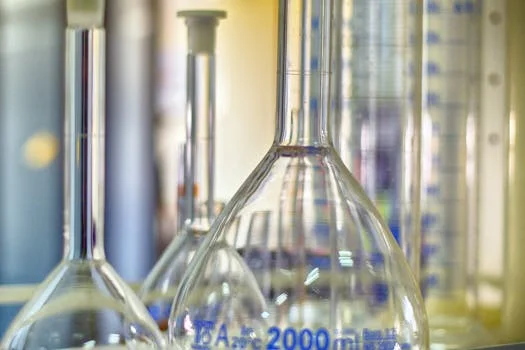
Regulatory compliance is the primary driver for equipment upgrades in the PCB sector. Meeting the China GB 8978-1996 Grade I standards requires an effluent that is cleaner than many municipal water supplies. To ensure your facility remains within legal limits, plant managers should implement a rigorous auditing protocol.
Key Regulatory Limits for Water Reuse:
- Total Copper (Cu):