Hospitals in Kentucky must treat wastewater to meet KPDES permit limits of <30 mg/L BOD, <30 mg/L TSS, and <200 CFU/100mL fecal coliform (per Kentucky Division of Water 2024). Typical hospital effluent contains 200–800 mg/L COD, 100–400 mg/L BOD, and elevated levels of pharmaceuticals and pathogens. On-site treatment systems like MBR (membrane bioreactors) or chemical disinfection (e.g., chlorine dioxide) achieve 95–99% removal, with CAPEX ranging from $50K for small clinics to $2M+ for large hospitals. Understanding the technical, regulatory, and financial requirements for effective hospital wastewater treatment in Kentucky USA is crucial for compliance and operational efficiency.
Why Kentucky Hospitals Need Specialized Wastewater Treatment
Hospital wastewater contains 2–10× higher COD/BOD than municipal sewage, with typical concentrations of 200–800 mg/L COD and 100–400 mg/L BOD (per EPA 2023 Hospital Effluent Guidelines). This elevated organic load, coupled with the presence of hazardous substances, necessitates specialized treatment beyond what conventional municipal systems are designed for. Key contaminants in hospital effluent include pharmaceuticals (e.g., antibiotics, chemotherapy drugs, hormones), a wide array of pathogens (e.g., E. coli, norovirus, antibiotic-resistant bacteria), heavy metals (e.g., mercury from dental amalgams, silver from imaging), and disinfectants (e.g., glutaraldehyde, quaternary ammonium compounds). These substances pose significant environmental and public health risks if discharged without adequate treatment, making robust high-strength organic wastewater treatment essential for Kentucky hospitals.
Kentucky KPDES (Kentucky Pollutant Discharge Elimination System) permit limits for hospitals are stringent, generally requiring effluent to meet <30 mg/L BOD, <30 mg/L TSS, and <200 CFU/100mL fecal coliform (Kentucky Division of Water, 2024). A notable case example occurred in 2023, where a Louisville hospital faced a $75K fine and mandatory system upgrade after failing a KPDES inspection due to high TSS (45 mg/L) and detectable pharmaceutical residues. This incident underscores the importance of proactive investment in advanced treatment technologies to ensure compliance and avoid costly penalties. Effective medical wastewater treatment systems are critical for managing these complex waste streams and meeting Kentucky hospital wastewater treatment standards.
| Parameter | Typical Hospital Effluent Range | Kentucky KPDES Limit (Hospitals) |
|---|---|---|
| COD | 200–800 mg/L | N/A (indirectly managed by BOD) |
| BOD | 100–400 mg/L | <30 mg/L |
| TSS | 50–200 mg/L | <30 mg/L |
| Fecal Coliform | 10^4–10^6 CFU/100mL | <200 CFU/100mL |
| Pharmaceuticals | Trace to µg/L levels | Requires advanced treatment for >100 beds |
Kentucky’s Regulatory Landscape for Hospital Wastewater: KPDES, Pretreatment, and Local Rules
Kentucky’s KPDES permit requirements for hospitals mandate monthly monitoring for key parameters such as BOD, TSS, pH, and fecal coliform, with quarterly monitoring for heavy metals like mercury and silver. These stringent rules are enforced by the Kentucky Division of Water to protect state waterways. Beyond direct discharge permits, hospitals discharging to municipal sewer systems must adhere to pretreatment standards, which often follow EPA’s 40 CFR Part 460 (Hospital Point Source Category), with additional, sometimes stricter, local limits in districts like Sanitation District No. 1 (SD1) in Northern Kentucky and the City of Franklin.
Kentucky enforces particularly strict disinfection requirements for hospital wastewater, mandating effluent fecal coliform levels of <200 CFU/100mL, which is more stringent than EPA’s general secondary treatment standard of <400 CFU/100mL (Kentucky Administrative Regulations 401 KAR 5:050). For pharmaceutical waste, Kentucky aligns with EPA’s 2023 Hospital Effluent Guidelines, requiring advanced treatment processes such as activated carbon or ozone for healthcare facilities with more than 100 beds to remove these persistent contaminants. Local variances further complicate compliance; for instance, SD1 requires hospitals discharging over 25,000 GPD to submit detailed pretreatment plans, while Franklin mandates pH adjustment to a range of 6.0–9.0 before sewer discharge. Navigating these layered regulations is essential for any Kentucky hospital wastewater treatment standards compliance strategy.
| Regulatory Aspect | Kentucky Requirement | Governing Body/Standard |
|---|---|---|
| KPDES Permit Monitoring | Monthly BOD, TSS, pH, Fecal Coliform; Quarterly Heavy Metals | Kentucky Division of Water |
| Pretreatment Standards | EPA 40 CFR Part 460; Local limits (e.g., SD1, Franklin) | EPA, Local Sewer Districts |
| Fecal Coliform Disinfection | <200 CFU/100mL | 401 KAR 5:050 (stricter than EPA secondary) |
| Pharmaceutical Waste | Advanced treatment for >100 beds | EPA 2023 Hospital Effluent Guidelines |
| SD1 Pretreatment Plan | Required for discharge >25,000 GPD | Sanitation District No. 1 (Northern KY) |
| Franklin pH Adjustment | Effluent pH 6.0–9.0 before sewer discharge | City of Franklin Wastewater Treatment Plant |
Hospital Wastewater Treatment Technologies: Engineering Specs and Performance Data
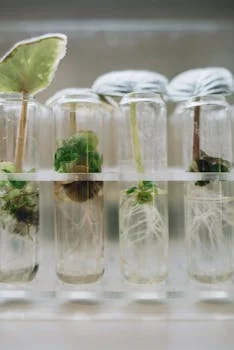
Selecting the appropriate technology for hospital wastewater treatment in Kentucky requires a detailed understanding of each system's engineering specifications and performance capabilities. MBR (Membrane Bioreactor) systems are highly effective, achieving 95–99% COD/BOD removal, consistently producing effluent with <10 mg/L TSS, and demonstrating 99.99% pathogen removal (HydropureWater MBR Series, 2024). These compact systems typically require a footprint of 0.5–1.5 m² per m³/day capacity and consume 0.8–1.2 kWh/m³ of energy, making them ideal for space-constrained hospitals seeking superior effluent quality.
DAF (Dissolved Air Flotation) systems are primarily used for pretreatment, achieving 85–95% TSS removal and 70–85% COD removal (HydropureWater, 2024). DAF requires chemical dosing with coagulants (e.g., PAC) and polymers to enhance flocculation. CAPEX for DAF systems ranges from $30K–$150K for typical 10–100 m³/h hospital applications. For disinfection, chemical methods like chlorine dioxide (ClO₂) offer a 99.9% pathogen kill rate and provide residual control for over 30 minutes (HydropureWater, 2024). A typical dosage for hospital effluent is 2–5 mg/L ClO₂, and it is EPA-approved for hospital wastewater disinfection (40 CFR 141.72). Understanding how ozone disinfection works for hospital wastewater can also inform system design.
Conventional activated sludge with tertiary filtration provides 85–95% COD/BOD removal and can achieve <20 mg/L TSS. However, these systems demand a larger footprint (2–4 m² per m³/day) and require more operator oversight. CAPEX typically ranges from $200K–$1M for 50–500 m³/day systems. For facilities facing strict pharmaceutical removal requirements, hybrid systems incorporating MBR with advanced oxidation processes like ozone can achieve 99%+ pharmaceutical removal and effluent COD levels below 5 mg/L. Such advanced systems have a CAPEX of $500K–$2M for large hospitals and have been deployed in facilities like Pikeville’s high-tech plant (2024 upgrade) to meet stringent environmental goals.
| Technology | COD/BOD Removal | TSS Removal | Pathogen Removal | Footprint (per m³/day) | Energy Use (kWh/m³) | Typical CAPEX (for hospitals) |
|---|---|---|---|---|---|---|
| MBR | 95–99% | <10 mg/L effluent | 99.99% | 0.5–1.5 m² | 0.8–1.2 | $150K–$1M |
| DAF (Pretreatment) | 70–85% | 85–95% | Minimal | 0.2–0.8 m² | 0.3–0.6 | $30K–$150K |
| Chlorine Dioxide | N/A (disinfection only) | N/A (disinfection only) | 99.9% | <0.1 m² | Minimal | $10K–$50K |
| Activated Sludge + Tertiary | 85–95% | <20 mg/L effluent | 80–90% | 2–4 m² | 0.6–1.0 | $200K–$1M |
| MBR + Ozone (Hybrid) | 99%+ | <5 mg/L effluent | 99.999% | 0.8–2.0 m² | 1.2–1.8 | $500K–$2M+ |
Cost Breakdown: CAPEX, OPEX, and ROI for Hospital Wastewater Treatment in Kentucky
The total cost of hospital wastewater treatment in Kentucky encompasses significant capital expenditure (CAPEX) and ongoing operational expenditure (OPEX), both of which are critical for budgeting and justifying investment. CAPEX for a new or upgraded system can range from $50K for a small clinic treating 5 m³/day to over $2M for a large hospital handling 500 m³/day. A typical CAPEX breakdown includes approximately 60% for equipment, 20% for installation and civil works, 15% for permitting and engineering design, and 5% for operator training and commissioning. Detailed cost breakdowns for high-strength wastewater treatment are essential for accurate financial planning.
OPEX typically falls within the range of $0.50–$2.00 per m³ of treated wastewater, depending on technology complexity and effluent characteristics. This operational cost is generally composed of 40% energy consumption (for pumps, blowers, membranes), 30% for chemicals (coagulants, disinfectants, pH adjusters), 20% for routine maintenance and spare parts, and 10% for labor and monitoring. The return on investment (ROI) for hospital wastewater treatment in Kentucky is primarily driven by avoiding KPDES fines, which can range from $10K to $100K per violation, and reducing sewer surcharges. For example, SD1 charges $0.50–$1.20 per 1,000 gallons for high-strength waste, making pretreatment economically advantageous. treating wastewater to a quality suitable for reuse (e.g., for irrigation or cooling towers) can yield savings of $0.05–$0.20 per gallon in water utility costs.
A compelling case study involves a 200-bed hospital in Lexington, which installed a $350K MBR system. This investment led to a 35% reduction in sewer fees, translating to $45K/year in savings, and achieved a payback period of 7.8 years. Funding options are available to assist healthcare facilities; these include low-interest loans from Kentucky’s Clean Water State Revolving Fund, federal support through EPA’s Water Infrastructure Finance and Innovation Act (WIFIA), and USDA Rural Development grants, particularly beneficial for facilities with fewer than 50 beds in rural areas.
| Cost Category | Range/Breakdown | ROI Driver/Benefit |
|---|---|---|
| CAPEX (Total) | $50K (small clinic) – $2M+ (large hospital) | Long-term asset, compliance foundation |
| CAPEX Breakdown | 60% Equipment, 20% Installation, 15% Permitting, 5% Training | Transparent budgeting |
| OPEX (per m³ treated) | $0.50–$2.00 | Daily operational cost |
| OPEX Breakdown | 40% Energy, 30% Chemicals, 20% Maintenance, 10% Labor | Cost optimization targets |
| KPDES Fines Avoided | $10K–$100K per violation | Direct financial protection |
| Sewer Surcharge Reduction | SD1: $0.50–$1.20/1,000 gallons (high-strength) | Significant recurring savings |
| Water Reuse Savings | $0.05–$0.20 per gallon | Reduced utility bills, sustainability |
How to Select the Right Hospital Wastewater Treatment System: A Decision Framework
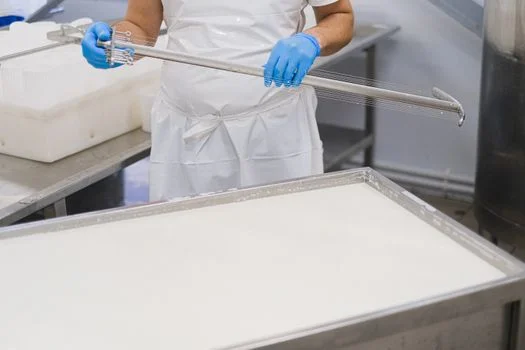
Selecting the optimal all-in-one medical wastewater treatment system for a Kentucky hospital requires a systematic evaluation of facility-specific needs and regulatory obligations. The process begins with Step 1: Assess effluent characteristics. Hospitals must conduct thorough testing for COD, BOD, TSS, pathogens, pharmaceuticals, and heavy metals. For instance, facilities with influent COD levels exceeding 500 mg/L will almost certainly require biological treatment, such as MBR, to achieve KPDES compliance.
Step 2 involves determining the average and peak flow rates, typically measured in GPD or m³/day. A common rule of thumb for hospitals is 100–200 gallons per bed per day, with the Kentucky average being around 150 GPD/bed. Step 3 focuses on evaluating available space constraints. MBR systems, known for their compact design, require 50–70% less physical footprint compared to conventional activated sludge systems, making them advantageous for urban hospitals. In Step 4, comparing compliance requirements is crucial; facilities discharging to specific sewer districts like SD1 or Franklin may face additional local pretreatment mandates, such as pH adjustment or requirements for DAF systems for hospital wastewater pretreatment.
Finally, Step 5 is to calculate the budget and ROI. Utilizing the CAPEX and OPEX data previously discussed allows facility managers to model payback periods and justify investments to stakeholders. This comprehensive approach, combined with a decision matrix, helps match the hospital's unique needs with the most suitable and cost-effective treatment technology.
| Criteria | MBR Systems | DAF (Pretreatment) | Chemical Disinfection (ClO₂) | Activated Sludge + Tertiary | Hybrid (MBR + Ozone) |
|---|---|---|---|---|---|
| COD/BOD Removal Efficiency | Excellent (95–99%) | Good (70–85%) | N/A | Good (85–95%) | Superior (99%+) |
| TSS Removal Efficiency | Excellent (<10 mg/L) | Excellent (85–95%) | N/A | Good (<20 mg/L) | Superior (<5 mg/L) |
| Pathogen Kill Rate | Excellent (99.99%) | Low | Excellent (99.9%) | Moderate (80–90%) | Superior (99.999%) |
| Pharmaceutical Removal | Moderate (some) | Low | Low | Low | Excellent (99%+) |
| Footprint Requirement | Compact (0.5–1.5 m²/m³/day) | Compact (0.2–0.8 m²/m³/day) | Very Small | Large (2–4 m²/m³/day) | Medium (0.8–2.0 m²/m³/day) |
| Energy Use (kWh/m³) | Moderate (0.8–1.2) | Low (0.3–0.6) | Very Low | Moderate (0.6–1.0) | High (1.2–1.8) |
| Typical CAPEX | Medium-High | Low-Medium | Very Low | Medium | High |
| OPEX | Moderate | Low | Low | Moderate | High |
| Operator Skill Level | Moderate | Low-Moderate | Low | Moderate-High | High |
| Pretreatment Needs | Moderate (screen, grit) | N/A (is pretreatment) | Required | Moderate (screen, grit) | Moderate (screen, grit) |
Case Study: Upgrading a Kentucky Hospital’s Wastewater Treatment System for KPDES Compliance
A 150-bed hospital in Bowling Green, Kentucky, undertook a significant wastewater treatment upgrade in 2023 to address persistent KPDES compliance issues. The facility faced a critical problem: its existing conventional system consistently failed KPDES inspections, with effluent parameters averaging BOD at 42 mg/L, TSS at 38 mg/L, and fecal coliform counts at 350 CFU/100mL. These violations resulted in accumulating fines totaling $60K and increasing sewer surcharges from the local municipal authority, necessitating immediate action to improve their hospital wastewater treatment in Kentucky USA.
The chosen solution was the installation of a HydropureWater Medical Wastewater Treatment System, an integrated MBR + ozone disinfection plant. The CAPEX for this advanced system was $420K, and its compact design required a footprint of only 12 m², minimizing disruption to existing hospital operations. The results were dramatic and immediate: the system achieved an impressive 98% COD removal (reducing influent levels from 650 mg/L to an effluent of 12 mg/L), 99% pathogen kill (bringing fecal coliform levels down to <20 CFU/100mL), and a 30% reduction in sewer fees, translating to $36K in annual savings. Lessons learned from this upgrade included the critical role of effective pre-treatment (using a DAF system) which reduced MBR membrane fouling by 40%, and the efficacy of ozone in eliminating chlorine-resistant pathogens, ensuring robust compliance with Kentucky Division of Water regulations.
Frequently Asked Questions
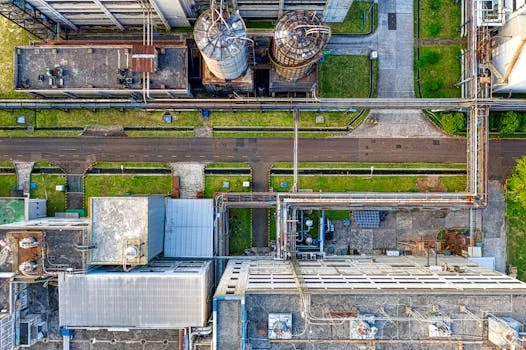
Kentucky hospitals frequently inquire about compliance and operational costs for wastewater treatment. Here are answers to common technical, regulatory, and financial questions.
What are the primary KPDES permit limits for hospital wastewater in Kentucky?
Kentucky KPDES permit limits for hospitals typically require effluent to be <30 mg/L BOD, <30 mg/L TSS, and <200 CFU/100mL fecal coliform (Kentucky Division of Water, 2024). Regular monitoring is essential to meet these standards and avoid fines.
How does hospital effluent differ from municipal sewage, and why does it need specialized treatment?
Hospital effluent contains 2–10× higher COD/BOD (200–800 mg/L COD, 100–400 mg/L BOD) and significant levels of pharmaceuticals, pathogens, and heavy metals not typically found in municipal sewage. This complexity requires advanced treatment technologies for effective removal and compliance.
What are the main cost components (CAPEX/OPEX) for a hospital wastewater treatment system in Kentucky?
CAPEX for hospital systems ranges from $50K to $2M+, with 60% for equipment. OPEX is $0.50–$2.00 per m³ treated, primarily driven by energy (40%) and chemicals (30%). These figures vary based on system size and technology.
Which treatment technologies are most effective for removing pharmaceuticals and pathogens from hospital wastewater?
MBR systems offer high pathogen removal (99.99%) and some pharmaceutical reduction. For comprehensive pharmaceutical removal, hybrid systems combining MBR with advanced oxidation processes like ozone or activated carbon are highly effective, achieving 99%+ removal.
How can a Kentucky hospital reduce sewer surcharges and achieve ROI from wastewater treatment upgrades?
Implementing effective pretreatment, such as DAF or MBR, significantly reduces high-strength waste surcharges (e.g., SD1 charges up to $1.20/1,000 gallons). Avoiding KPDES fines ($10K–$100K/violation) and exploring water reuse also contribute to a strong ROI, often with payback periods under 8 years.