Hospital wastewater in Jinja requires specialized treatment to remove pathogens, pharmaceuticals, and heavy metals before discharge. At Jinja Regional Referral Hospital (JRRH), current systems struggle with mixed waste streams and lack of segregation, leading to regulatory non-compliance. Modern solutions like MBR systems achieve 99.99% pathogen removal (per WHO 2024 guidelines) and meet Uganda NEMA effluent standards (BOD < 30 mg/L, TSS < 50 mg/L). This guide provides 2025 engineering specs, cost benchmarks (UGX 50–200 million for small clinics), and compliance roadmaps for hospitals in Jinja.
Why Jinja Hospitals Need Upgraded Wastewater Treatment Systems
Untreated hospital wastewater poses significant public health risks and environmental hazards in Jinja. Jinja Regional Referral Hospital (JRRH) has historically faced challenges in waste management, including a reported lack of garbage skips that forced patients to mix medical and biodegradable waste, complicating effective segregation and treatment (Uganda Radio Network). While JRRH has recently advanced its healthcare infrastructure with a modern incinerator for solid waste, liquid waste treatment systems often remain outdated or non-existent, a common issue in regions where the country's largest wastewater treatment plants (like Kampala's 45 million litres/day facility) are geographically distant. This reliance leaves Jinja hospitals vulnerable to regulatory non-compliance and public health crises.
Hospital wastewater contains significantly higher pathogen loads than typical municipal sewage, often 10–100 times greater, as reported by WHO 2023 data. In Jinja hospital effluent, typical contaminants include high concentrations of E. coli (often ranging from 10^6–10^8 CFU/100mL), a diverse array of pharmaceuticals (such as antibiotics, analgesics, and chemotherapy drugs), and heavy metals (like mercury from broken thermometers or silver from X-ray processing chemicals). Discharging such contaminated water directly into local water bodies or municipal sewers without adequate treatment contributes to antibiotic resistance, waterborne diseases, and ecosystem degradation.
Uganda's National Environment Management Authority (NEMA) has established stringent effluent standards for hospitals to mitigate these risks. NEMA Statutory Instrument 2024 No. 58 mandates that hospital effluent must meet specific parameters before discharge: Biochemical Oxygen Demand (BOD) must be less than 30 mg/L, Total Suspended Solids (TSS) less than 50 mg/L, and fecal coliform counts below 1,000 CFU/100mL. Adhering to these Uganda NEMA hospital effluent standards is not just a regulatory obligation but a critical step towards safeguarding public health and environmental integrity in Jinja.
Hospital Wastewater Treatment Methods: How They Work and What They Remove
Effective hospital wastewater treatment in Jinja requires a multi-stage approach to address its complex contaminant profile, including pathogens, pharmaceuticals, and heavy metals. Each stage employs specific technologies designed for optimal removal efficiency.
Primary Treatment: The initial step involves the removal of large solids. Rotary mechanical bar screens, such as the HydropureWater GX Series, are essential for physically separating rags, plastics, and other debris larger than 3 mm from the wastewater stream. This process typically achieves a Total Suspended Solids (TSS) reduction of 40–60% (HydropureWater data), protecting downstream equipment from clogging and damage. This stage is crucial for managing the mixed waste streams sometimes encountered in Jinja hospitals.
Secondary Treatment: Following primary treatment, biological processes target dissolved organic matter and finer suspended solids. Membrane Bioreactor (MBR) systems, like HydropureWater's DF Series, combine conventional activated sludge treatment with advanced membrane filtration using 0.1 µm PVDF membranes. These MBR membrane bioreactor modules are highly effective, achieving over 99% BOD removal and a significant 99.99% pathogen reduction (WHO 2024 data), making them a robust solution for MBR systems for large hospitals and regional referrals. MBR technology is particularly beneficial for pharmaceutical removal in hospital effluent, demonstrating 80–95% efficiency for many compounds.
Tertiary Treatment and Disinfection: The final stage focuses on polishing the effluent and eliminating remaining pathogens. Chlorine dioxide (ClO₂) generators, such as HydropureWater's, are a common and effective medical wastewater disinfection method. These systems provide a 4-log disinfection (99.99% kill) for a wide range of viruses and bacteria. The residual ClO₂ in the treated water is typically maintained below 0.2 mg/L, complying with EPA 2023 guidelines. While chlorine dioxide is effective, its efficiency for pharmaceutical removal is moderate (50–70%).
Ozone disinfection offers an alternative, highly potent method. Ozone can achieve a 6-log kill for resistant pathogens like Cryptosporidium and demonstrates superior pharmaceutical removal (90–99%). However, ozone systems often come with a higher Capital Expenditure (CAPEX), with a typical 5 m³/h system costing around UGX 120 million. The choice between these disinfection methods depends on specific compliance targets and budget constraints.
| Treatment Stage/Method | Primary Function | Key Contaminant Removal | Typical Efficiency |
|---|---|---|---|
| Rotary Mechanical Bar Screens (GX Series) | Physical separation of large solids | Rags, plastics, debris (>3mm) | 40–60% TSS reduction |
| MBR Systems (DF Series) | Biological treatment & membrane filtration | BOD, TSS, Pathogens, Pharmaceuticals | 99% BOD, 99.99% Pathogen, 80–95% Pharmaceuticals |
| Chlorine Dioxide (ClO₂) Generators | Chemical disinfection | Bacteria, Viruses | 4-log (99.99%) pathogen kill, 50–70% Pharmaceuticals |
| Ozone Disinfection | Strong oxidative disinfection | Bacteria, Viruses, Cryptosporidium, Pharmaceuticals | 6-log pathogen kill, 90–99% Pharmaceuticals |
Technology Comparison: MBR vs. Chlorine Dioxide vs. Ozone for Jinja Hospitals
Selecting the appropriate wastewater treatment technology for a hospital in Jinja involves evaluating flow rates, capital and operational expenditures, compliance requirements, and maintenance complexity. Each method, from advanced MBR systems to chemical disinfection, presents distinct advantages and limitations.
Flow Rate Suitability: MBR (Membrane Bioreactor) systems are highly versatile and suitable for a wide range of flow rates, typically from 10 m³/day for smaller clinics up to 2,000 m³/day for large regional referral hospitals, offering a comprehensive solution for various scales of compact medical wastewater treatment system for clinics. Chlorine dioxide systems are generally preferred for smaller to medium flows, efficiently handling 1–50 m³/day, making them ideal for private clinics or specific disinfection points within a larger system. Ozone systems are effective for medium flows, typically ranging from 5–100 m³/day, offering potent disinfection and advanced oxidation capabilities for targeted needs.
CAPEX Comparison (Capital Expenditure): The initial investment varies significantly. An MBR system for hospitals in Uganda typically ranges from UGX 150–300 million, reflecting its advanced capabilities and comprehensive treatment. Chlorine dioxide disinfection for hospital effluent is a more budget-friendly option, with CAPEX usually between UGX 50–120 million. Ozone systems fall in the mid-to-high range, costing UGX 120–250 million, primarily due to the specialized equipment required for ozone generation and contact.
OPEX Comparison (Operational Expenditure): Operating costs are crucial for long-term sustainability. MBR systems have an OPEX of approximately UGX 2,000–5,000/m³ treated, largely due to energy consumption for aeration and membrane maintenance. Chlorine dioxide systems are more economical to operate, with costs around UGX 1,000–3,000/m³ treated, primarily driven by chemical consumption. Ozone systems have the highest OPEX, estimated at UGX 3,000–6,000/m³ treated, owing to high electricity demand for ozone generation.
Compliance Match: MBR systems inherently meet stringent NEMA standards for BOD, TSS, and coliforms due to their high removal efficiencies. Chlorine dioxide and ozone primarily serve as disinfection stages; to meet NEMA's BOD and TSS limits, they typically require upstream sedimentation and filtration processes. For example, a Uganda-specific wastewater treatment option might combine primary treatment with a chlorine dioxide system for disinfection.
Maintenance Complexity: MBR systems require regular membrane cleaning (typically weekly) to prevent fouling and maintain flux. Chlorine dioxide systems demand daily calibration of chemical dosing pumps and replenishment of precursor chemicals. Ozone systems necessitate monthly maintenance of the ozone generator and associated components, including air preparation units and contactors.
| Feature | MBR (Membrane Bioreactor) | Chlorine Dioxide (ClO₂) | Ozone (O₃) |
|---|---|---|---|
| Flow Rate Suitability | 10–2,000 m³/day | 1–50 m³/day | 5–100 m³/day |
| CAPEX (UGX) | 150–300 million | 50–120 million | 120–250 million |
| OPEX (UGX/m³) | 2,000–5,000 | 1,000–3,000 | 3,000–6,000 |
| NEMA BOD/TSS Compliance | Meets (integrated) | Requires upstream treatment | Requires upstream treatment |
| Pathogen Removal | 99.99% (WHO 2024) | 4-log (99.99%) | 6-log (Cryptosporidium) |
| Pharmaceutical Removal | 80–95% | 50–70% | 90–99% |
| Maintenance Complexity | Membrane cleaning (weekly) | Chemical dosing calibration (daily) | Generator maintenance (monthly) |
Step-by-Step Compliance Roadmap for Jinja Hospitals
Achieving and maintaining compliance with Uganda NEMA hospital effluent standards requires a structured approach. This roadmap outlines the essential steps for Jinja hospitals to upgrade their wastewater treatment systems and meet regulatory requirements.
- Step 1: Waste Stream Audit
A comprehensive audit is the foundational step. This involves measuring the hospital's average wastewater flow rate (in m³/day), and conducting laboratory analyses for key parameters such as Biochemical Oxygen Demand (BOD), Total Suspended Solids (TSS), fecal coliform counts, and, if applicable, pharmaceutical loads. NEMA requires this baseline data to understand the current effluent quality and inform the design of an appropriate treatment system. This audit helps determine the specific challenges of Jinja Regional Referral Hospital wastewater and private clinics. - Step 2: NEMA Permit Application
Once baseline data is collected, hospitals must submit a permit application to NEMA. This typically involves completing Form WW-001, accompanied by the waste stream audit data and a detailed proposal for the planned wastewater treatment method. The processing time for NEMA permits can range from 60–90 days, so early submission is critical to avoid project delays. - Step 3: System Design
Based on the audit results and the NEMA permit requirements, the appropriate wastewater treatment technology must be selected and designed. Utilize the technology comparison table from the previous section to match the hospital's specific contaminants, flow rate, and budget to the most suitable system (e.g., MBR, chlorine dioxide, or a combination). Engineering drawings and specifications will be developed at this stage, considering local infrastructure challenges in Jinja. - Step 4: Installation and Commissioning
After design approval, the chosen system is installed and commissioned. This phase involves civil works, equipment installation, and initial operational testing. Before the system can begin routine operation, a NEMA inspection is mandatory. It is advisable to schedule this inspection at least 30 days in advance to ensure all components and processes meet the approved design and regulatory standards. - Step 5: Monitoring and Reporting
Ongoing monitoring is crucial for demonstrating continuous compliance. Hospitals are required to conduct monthly effluent testing for BOD, TSS, and coliforms. These results must be submitted to NEMA quarterly. Maintaining accurate records and ensuring regular reporting demonstrates adherence to Uganda NEMA hospital effluent standards and helps identify any operational issues promptly.
Cost Breakdown: Hospital Wastewater Treatment in Jinja (2025 Data)
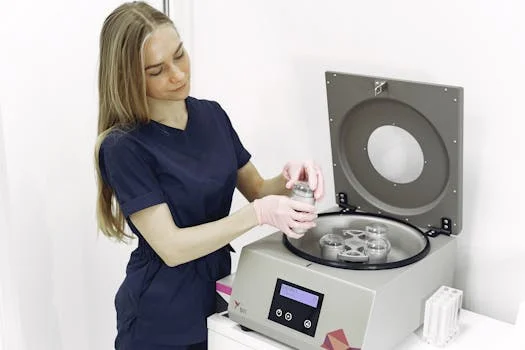
Understanding the financial implications is critical for hospitals in Jinja planning to upgrade their wastewater treatment systems. Costs vary significantly based on hospital size, required treatment level, and chosen technology. These benchmarks provide a realistic financial outlook for 2025.
Small Clinic (5–10 beds): For a small clinic with lower wastewater volumes, a basic yet effective system is often sufficient. This typically involves a chlorine dioxide system for disinfection combined with a sedimentation tank for primary solids removal. The estimated Capital Expenditure (CAPEX) for such a setup ranges from UGX 50–80 million. This ensures compliance with basic NEMA standards for pathogen reduction and TSS.
Medium Hospital (50–100 beds): A medium-sized hospital requires a more robust solution to handle higher flow rates and a broader spectrum of contaminants, including pharmaceuticals. An MBR system, integrated with a rotary bar screen for primary filtration and a final disinfection unit (e.g., chlorine dioxide), is a common choice. The CAPEX for such a comprehensive system is estimated between UGX 150–250 million. This provides high removal efficiencies for BOD, TSS, and pathogens, suitable for hospital wastewater treatment solutions in another African city facing similar challenges.
Large Hospital (200+ beds): Large regional referral hospitals, like JRRH, generate substantial wastewater volumes with complex contaminant profiles. An advanced system typically includes an MBR for biological treatment and filtration, followed by ozone disinfection for superior pharmaceutical removal and pathogen inactivation, along with sludge dewatering equipment. The CAPEX for such a high-capacity, high-performance system can range from UGX 300–500 million.
Operational Expenditure (OPEX): Beyond the initial investment, ongoing operational costs are a significant factor. OPEX for hospital wastewater treatment in Jinja varies from UGX 1,000–6,000/m³ treated. This range depends heavily on the selected technology (MBR generally has higher energy consumption than chlorine dioxide), local electricity costs in Jinja, and the required chemical inputs. Regular maintenance and labor also contribute to OPEX.
Funding Options: Several avenues exist to support hospitals in Uganda with wastewater treatment upgrades. The Uganda Green Fund offers grants, potentially covering up to 70% of project costs for environmentally sound initiatives. The World Bank Health Systems Strengthening Project provides low-interest loans specifically for improving health infrastructure. Additionally, NEMA offers environmental levy programs and tax incentives for compliant hospitals, encouraging investment in sustainable wastewater management practices. Wastewater treatment for healthcare-adjacent industries can also benefit from similar funding.
| Hospital Size | Typical System Components | Estimated CAPEX (UGX) | Estimated OPEX (UGX/m³ treated) |
|---|---|---|---|
| Small Clinic (5–10 beds) | Chlorine dioxide system + sedimentation tank | 50–80 million | 1,000–3,000 |
| Medium Hospital (50–100 beds) | MBR system + bar screen + disinfection | 150–250 million | 2,000–5,000 |
| Large Hospital (200+ beds) | MBR + ozone + sludge dewatering | 300–500 million | 3,000–6,000 |
Frequently Asked Questions
Addressing common inquiries about hospital wastewater treatment in Jinja provides clarity for facility managers and administrators.
Which method is commonly used to disinfect hospital wastewater?
Chlorine dioxide is the most common method used to disinfect hospital wastewater in Uganda due to its proven 4-log disinfection efficiency, relatively low CAPEX (UGX 50–120 million), and ability to comply with NEMA standards for pathogen reduction. MBR systems are gaining popularity for larger hospitals (50+ beds) because of their superior 99.99% pathogen removal and comprehensive treatment capabilities.
How do hospitals dispose of waste?
Hospitals in Jinja, like all medical facilities in Uganda, must segregate waste into four primary types: infectious, sharps, pharmaceutical, and general waste, as per NEMA guidelines. Liquid waste, specifically hospital wastewater, requires specialized treatment (e.g., MBR or chlorine dioxide systems) before discharge to municipal sewers or surface water bodies. Solid medical waste is typically incinerated (JRRH now has a modern incinerator) or disposed of in approved sanitary landfills.
What are the NEMA standards for hospital wastewater in Uganda?
NEMA Statutory Instrument 2024 No. 58 sets the following limits for hospital effluent discharge in Uganda: Biochemical Oxygen Demand (BOD) must be less than 30 mg/L, Total Suspended Solids (TSS) less than 50 mg/L, and fecal coliform counts below 1,000 CFU/100mL. Additionally, the pH of the effluent must be between 6 and 9, and there should be no detectable chlorine residual.
How much does a hospital wastewater treatment system cost in Jinja?
The cost of a hospital wastewater treatment system in Jinja varies significantly based on the hospital's size and the chosen technology. For a small clinic, a basic chlorine dioxide system can cost around UGX 50 million. For a large hospital requiring advanced treatment, an MBR system coupled with ozone disinfection can cost up to UGX 500 million. Operational expenses (OPEX) typically range from UGX 1,000–6,000/m³ treated. Funding options are available through initiatives like the Uganda Green Fund and World Bank projects.
Can hospital wastewater be reused in Jinja?
Yes, hospital wastewater can be reused in Jinja, but only after undergoing advanced treatment processes, typically involving an MBR system followed by reverse osmosis (RO). NEMA guidelines permit the reuse of treated effluent for non-potable purposes such as irrigation (e.g., landscaping, as JRRH is exploring) or cooling towers, provided the water consistently meets the stringent WHO Guidelines for Safe Use of Wastewater (2023). This requires thorough monitoring to ensure public health safety.