SiC Wastewater Water Reclaim: 2025 Hybrid System Design with 99% Recovery & Cost Breakdown
Silicon carbide (SiC) wastewater reclaim systems achieve 99% water recovery using hybrid designs combining SiC ceramic membranes (92-97% COD removal), dissolved air flotation (DAF), and reverse osmosis (RO). These systems reduce water consumption by 1.2–2.5 m³ per SiC wafer produced while meeting China GB 31573-2015 and US EPA discharge limits. Typical CAPEX ranges from $1.8M–$4.2M for 50–200 m³/h systems, with OPEX of $0.80–$1.50/m³ reclaimed water.
Why SiC Wastewater Reclaim is Critical for Semiconductor and EV Manufacturing
Global SiC wafer production is projected to grow at a 30% CAGR through 2030, primarily driven by the escalating demand for power semiconductors in electric vehicles (Yole Développement 2024). This rapid expansion places immense pressure on water resources, as SiC grinding and dicing processes consume a substantial 1.5–3 m³ of water per wafer, with approximately 80% of this volume becoming wastewater (UltraFacility 2023 data). Consequently, semiconductor and EV manufacturing facilities face increasing scrutiny over both water consumption and effluent quality.
Regulatory frameworks such as China GB 31573-2015 and US EPA 40 CFR Part 469 impose stringent limits on SiC wastewater discharge, typically requiring total suspended solids (TSS) below 30 mg/L and chemical oxygen demand (COD) below 100 mg/L. Non-compliance can result in significant fines and operational disruptions, making effective wastewater treatment and recycling an imperative, not merely an option. Beyond regulatory pressures, water scarcity in major semiconductor hubs, including regions like Taiwan and Arizona, is driving up the cost of municipal water. With municipal water costs ranging from $2.50–$4.00/m³, investing in SiC wastewater water reclaim systems becomes economically advantageous, as the operational expenditure (OPEX) for reclaimed water typically ranges from $0.80–$1.50/m³.
Consider a real-world scenario: a semiconductor fab producing 50,000 SiC wafers per month, operating in a water-stressed region. By implementing a high-efficiency SiC wastewater reclaim system achieving 95% water recovery, this facility can save approximately 1.8 million m³ of fresh water annually (assuming 3 m³ water/wafer). At a conservative municipal water cost of $3.00/m³, this translates to annual water cost savings of $5.4 million. Factoring in reduced discharge fees and potential SiC particle recovery, the overall economic benefit significantly strengthens the return on investment for such systems. This directly impacts the plant's sustainability goals and bottom line, making SiC wastewater recycling a strategic investment for long-term operational resilience.
SiC Wastewater Characteristics: What Makes It Hard to Treat

SiC wastewater presents significant treatment challenges due to its unique physical and chemical properties, primarily stemming from the abrasive nature of silicon carbide and the diverse chemicals used in manufacturing processes. SiC particles generated from grinding and dicing operations typically range from 0.1–50 μm, with a D50 (median particle size) often between 5–10 μm (UltraFacility 2023 data). These finely dispersed, hard particles are suspended in the wastewater, making conventional sedimentation methods inefficient for complete removal.
The pH of SiC wastewater can vary widely, from highly acidic (pH 2) to strongly alkaline (pH 12), due to the use of various acids (e.g., hydrofluoric acid for etching) and alkaline solutions (e.g., potassium hydroxide for cleaning) during different stages of the fab process flow. This fluctuating pH requires robust equalization and neutralization steps prior to advanced treatment. Total suspended solids (TSS) loads in untreated SiC wastewater are typically high, ranging from 500–2,000 mg/L, with SiC particles contributing 60–80% of these solids (Top 1 page Table 1 data). Chemical oxygen demand (COD) levels are also substantial, ranging from 300–1,500 mg/L, originating from organic compounds such as photoresists, cutting fluids, and various organic solvents used in cleaning and polishing steps (EPA 2024 benchmarks).
The abrasive nature of SiC particles poses a particular challenge for membrane filtration. Conventional polymeric membranes are highly susceptible to fouling and physical damage from these hard, sharp particles, leading to reduced flux, increased cleaning frequency, and premature membrane failure. This necessitates the use of more robust membrane materials, such as SiC ceramic membranes, which are specifically designed to withstand abrasive media and harsh chemical environments, ensuring sustained performance and a longer operational lifespan.
| Parameter | Typical Range in SiC Wastewater | Impact on Treatment |
|---|---|---|
| SiC Particle Size (D50) | 5–10 μm (0.1–50 μm range) | Fine particles resist gravity settling, cause membrane abrasion |
| pH | 2–12 (highly variable) | Requires robust pH equalization and neutralization |
| TSS Load | 500–2,000 mg/L | High solids load demands effective primary and secondary separation |
| COD Load | 300–1,500 mg/L | Requires oxidative or membrane-based removal for reuse |
| Abrasiveness | High (SiC is second hardest material) | Damages conventional polymeric membranes, necessitates robust materials |
Hybrid System Design: Combining SiC Membranes, DAF, and RO for 99% Recovery
Achieving 99% water recovery from complex SiC wastewater streams necessitates a multi-stage hybrid treatment system that leverages the strengths of diverse technologies. This approach ensures efficient removal of various contaminants, from large abrasive particles to dissolved salts, enabling the production of high-quality reclaimed water suitable for reuse.
Stage 1: Coarse Pretreatment with Mechanical Screens. The initial step involves robust physical separation to remove larger SiC particles and other debris that could damage downstream equipment. GX Series rotary mechanical bar screens are employed for this purpose, featuring 0.5–1.5 mm bar spacing, capable of removing over 90% of particles larger than 50 μm (HydropureWater product specs, 2025). This protects pumps, pipes, and subsequent treatment stages from excessive wear and clogging. For enhanced protection, finer mesh screens or hydrocyclones can be integrated to capture particles down to 50 μm before the next stage.
Stage 2: Dissolved Air Flotation (DAF). Following coarse screening, DAF systems are utilized for the effective removal of fine suspended solids, oils, greases, and some insoluble COD. DAF works by introducing microscopic air bubbles into the wastewater, which attach to solid particles and lift them to the surface for skimming. This stage typically achieves 70–90% TSS reduction and significant removal of FOG (fats, oils, and grease). Optimization of the air-to-solids ratio (typically 0.01–0.05 kg air/kg solids) and careful polymer dosing are critical for maximizing flotation efficiency and producing a concentrated sludge for dewatering. This pretreatment step is crucial for reducing the load on the subsequent membrane filtration stage.
Stage 3: SiC Ceramic Membrane Filtration. The core of the hybrid system for SiC particle and organic removal is SiC ceramic membrane filtration. These membranes, typically with 0.1–0.5 μm pore sizes, offer exceptional chemical and mechanical resistance, making them ideal for abrasive SiC wastewater. They achieve 92–97% COD removal and near-complete TSS removal, effectively producing a high-quality permeate for further polishing (Delving Blue 2024 data). Typical flux rates for SiC membranes in this application range from 150–250 LMH (liters per square meter per hour) under a transmembrane pressure of 0.5–1.5 bar. Their robust construction allows for aggressive chemical cleaning (pH 1–13) and high-temperature operation (up to 80°C), restoring flux and extending membrane lifespan. The concentrate from this stage, rich in SiC particles, can be further processed for potential SiC particle recovery, reducing waste and potentially creating a valuable byproduct.
Stage 4: Reverse Osmosis (RO) Polishing. For final polishing and to achieve ultrapure water quality suitable for process reuse or even boiler feed, industrial RO systems are employed. This stage is critical for removing dissolved salts, heavy metals, and residual organic compounds, achieving 95–99% salt rejection. Membrane selection is vital; for typical SiC wastewater, brackish water RO membranes like BW30-400 or XLE-440 are often used, offering high rejection rates and good fouling resistance. The permeate from the RO system meets stringent quality requirements for semiconductor manufacturing, while the concentrated brine is either further treated for zero liquid discharge (ZLD) or safely disposed of. The overall recovery rate for the entire hybrid system, including water recycling from backwash and cleaning, consistently reaches 99%.
HydropureWater provides robust solutions for each stage, including GX Series rotary mechanical bar screens, DAF systems, and industrial RO systems, ensuring a seamless and integrated approach to SiC wastewater water reclaim.
| Treatment Stage | Primary Function | Key Performance Indicator | Typical Recovery Rate (Stage) |
|---|---|---|---|
| 1. Coarse Screening (GX Series) | Large particle removal (>50 μm) | >90% particle removal | 99.5% (water passes through) |
| 2. Dissolved Air Flotation | Fine TSS, FOG, insoluble COD removal | 70–90% TSS reduction | 95–98% |
| 3. SiC Ceramic Membranes | High-efficiency TSS, COD, colloid removal | 92–97% COD removal, near 100% TSS removal | 90–95% |
| 4. Reverse Osmosis | Dissolved salts, metals, residual organics removal | 95–99% salt rejection | 75–85% |
| Overall Hybrid System Recovery | 99% | ||
Engineering Specs: Performance, Footprint, and Energy Use

Hybrid SiC wastewater reclaim systems are engineered to deliver high performance, optimize footprint, and manage energy consumption efficiently. Recovery rates for SiC membranes alone typically range from 90–95%, while the integrated hybrid systems (SiC membranes + DAF + RO) consistently achieve 95–99% water recovery. The trade-offs between recovery rate and energy use are critical; pushing for 99% recovery often requires additional energy-intensive RO stages or brine concentrators, increasing the overall kWh/m³.
Energy consumption for these hybrid systems generally falls within 0.8–1.5 kWh/m³ of reclaimed water. This can be broken down by stage: DAF typically consumes around 0.3 kWh/m³ for air compressors and pumps, SiC membrane filtration requires approximately 0.2 kWh/m³ for permeate pumps and backwash, and RO, being the most energy-intensive stage, accounts for 0.5 kWh/m³ or more due to high-pressure pumps. These figures represent the energy required for the primary treatment flow, not including auxiliary systems like sludge dewatering or chemical dosing pumps.
The footprint of a hybrid SiC wastewater reclaim system is a significant consideration for space-constrained manufacturing facilities, typically ranging from 0.5–1.2 m² per m³/h capacity. For instance, a 100 m³/h system might require an 80 m² footprint. Centralized treatment units located outside the cleanroom often allow for larger footprints and easier maintenance, while tool-adjacent or smaller grouping systems require compact designs to integrate seamlessly into existing fab layouts. SiC membranes offer a distinct advantage in terms of lifespan and robustness compared to their polymeric counterparts. SiC membranes are designed for a lifespan of 5–10 years, significantly longer than the 2–3 years typical for polymeric membranes, primarily due to their superior chemical resistance (pH 1–13) and thermal stability (up to 80°C). This extended lifespan reduces replacement frequency and associated maintenance costs. Cleaning protocols for SiC membranes often involve aggressive chemical washes, which are well tolerated by the ceramic material, allowing for effective fouling removal and sustained flux performance.
A real-world example demonstrates these specifications: a 100 m³/h SiC wastewater reclaim system, designed for a large EV battery component manufacturer, achieves 98% water recovery. Its energy consumption averages 1.1 kWh/m³ of reclaimed water, and the entire system occupies an approximate footprint of 80 m². This performance profile ensures both high-volume water reuse and operational efficiency, critical for large-scale industrial applications.
| Parameter | Typical Performance Range | Example (100 m³/h System) |
|---|---|---|
| Overall Water Recovery Rate | 95–99% | 98% |
| Energy Consumption | 0.8–1.5 kWh/m³ | 1.1 kWh/m³ |
| Footprint | 0.5–1.2 m² per m³/h capacity | 80 m² (for 100 m³/h) |
| SiC Membrane Lifespan | 5–10 years | 7 years (projected) |
| SiC Membrane Chemical Resistance | pH 1–13 | pH 1–13 |
| SiC Membrane Temperature Tolerance | Up to 80°C | Up to 80°C |
Cost Breakdown: CAPEX, OPEX, and ROI for SiC Wastewater Reclaim Systems
Understanding the financial implications of SiC wastewater reclaim systems involves a detailed analysis of both capital expenditure (CAPEX) and operational expenditure (OPEX), leading to a clear return on investment (ROI). For a typical 100 m³/h SiC wastewater reclaim system, the CAPEX generally ranges from $1.8M–$2.5M. This investment is distributed across various components: DAF systems typically account for 20% of the CAPEX, SiC ceramic membranes represent the largest portion at 40%, RO systems contribute 25%, and automation, controls, and installation make up the remaining 15%.
Operational expenditure (OPEX) for reclaiming water from SiC wastewater typically falls between $0.80–$1.50/m³. This cost is broken down as follows: energy consumption (30%), membrane replacement (25%, primarily for RO and SiC membranes over their lifespan), chemicals (20% for coagulants, flocculants, antiscalants, and cleaning agents), labor (15% for operation and monitoring), and routine maintenance (10%). These figures can fluctuate based on local energy prices, labor costs, and specific wastewater characteristics.
The ROI for SiC wastewater reclaim systems is driven by several significant factors. Water savings represent the largest component, potentially ranging from $1.2M–$2.4M per year for a 100 m³/h system, assuming a municipal water cost of $2.50–$4.00/m³ and high recovery. Additionally, avoiding discharge fees, which can be substantial for industrial effluents, can save $200K–$500K per year. the recovery of valuable SiC particles from the concentrated stream can add $50K–$200K per year in revenue or cost avoidance, depending on the purity and market value of the recovered material.
For a 50,000 wafer/month fab implementing a 100 m³/h SiC wastewater reclaim system, a 5-year ROI calculation illustrates a compelling business case. Assuming a CAPEX of $2.0M, annual water savings of $1.8M (at $3.00/m³), discharge fee avoidance of $300K, and SiC recovery value of $100K, the total annual savings and revenue amount to $2.2M. With an OPEX of $1.00/m³ for 876,000 m³/year (100 m³/h * 24 h/day * 365 days/year), the annual operating cost is $876K. This yields a net annual benefit of $1.324M, resulting in a payback period of approximately 1.5 years ($2.0M CAPEX / $1.324M net annual benefit). More conservative estimates, considering higher CAPEX and OPEX, typically place the payback period in the range of 2.5–3.5 years, significantly lower than the lifespan of the core equipment.
When comparing hybrid systems to conventional treatment methods (e.g., coagulation-flocculation + sedimentation + sand filtration), hybrid systems typically have higher initial CAPEX but offer significantly lower OPEX per cubic meter of reclaimed water due to higher recovery rates and reduced sludge disposal costs, leading to a faster overall ROI and better long-term sustainability.
| Cost Category | Hybrid System (100 m³/h) | Conventional Treatment (Comparison) |
|---|---|---|
| CAPEX Breakdown | ||
| Total CAPEX | $1.8M–$2.5M | $0.8M–$1.5M |
| DAF System | 20% ($360K–$500K) | 15% ($120K–$225K) |
| SiC Membranes | 40% ($720K–$1.0M) | N/A |
| RO System | 25% ($450K–$625K) | N/A |
| Automation & Installation | 15% ($270K–$375K) | 85% (incl. sedimentation, filtration) |
| OPEX Breakdown ($/m³ reclaimed) | ||
| Total OPEX | $0.80–$1.50 | $1.50–$2.50 (for discharge, not reclaim) |
| Energy | 30% ($0.24–$0.45) | 15% ($0.22–$0.37) |
| Membrane Replacement | 25% ($0.20–$0.37) | N/A |
| Chemicals | 20% ($0.16–$0.30) | 40% ($0.60–$1.00) |
| Labor | 15% ($0.12–$0.22) | 20% ($0.30–$0.50) |
| Maintenance | 10% ($0.08–$0.15) | 25% ($0.37–$0.62) |
| ROI Drivers (Annual for 100 m³/h) | ||
| Water Savings | $1.2M–$2.4M | N/A (for discharge) |
| Discharge Fee Avoidance | $200K–$500K | Lower, but still present |
| SiC Recovery Value | $50K–$200K | Minimal |
| Payback Period | 2.5–3.5 years | N/A (no reclaim ROI) |
Compliance and Discharge Standards: China GB vs. US EPA Limits
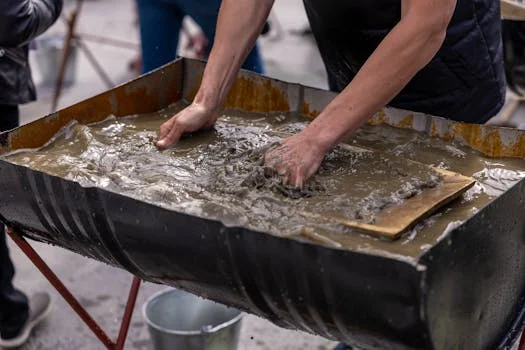
Meeting regulatory discharge standards is non-negotiable for semiconductor and EV manufacturing facilities. China GB 31573-2015, specifically tailored for the semiconductor industry, imposes strict limits on SiC wastewater discharge, typically requiring TSS less than 30 mg/L, COD less than 100 mg/L, and pH between 6–9. Notably, this standard also includes a specific limit for SiC particles, often set at less than 10 mg/L, reflecting the unique challenges of this industrial effluent. Enforcement trends in China indicate increasing scrutiny and penalties for non-compliance, pushing manufacturers towards advanced treatment and recycling solutions. For a deeper dive into these regulations, refer to our article on SiC wastewater discharge standards and compliance strategies.
In the United States, the EPA's 40 CFR Part 469 (Electrical and Electronic Components Point Source Category) governs wastewater discharge from semiconductor manufacturing. While not specific to SiC, it sets limits that are generally more stringent than many other industrial categories, often requiring TSS below 20 mg/L, COD below 80 mg/L, and pH between 6–9. Additionally, it may include limits for specific metals (e.g., arsenic, chromium) at concentrations typically below 1 mg/L, which can be present from various fab processes. The EU Industrial Emissions Directive 2010/75/EU also sets benchmarks for industrial emissions, often requiring the application of Best Available Techniques (BAT) to achieve discharge limits for TSS typically below 25 mg/L and COD below 90 mg/L, promoting a holistic approach to pollution prevention and control.
Hybrid SiC wastewater reclaim systems are specifically designed to meet and exceed these stringent compliance requirements. SiC ceramic membranes are highly effective at removing TSS and a significant portion of COD, ensuring the effluent meets suspended solids and organic load limits. The subsequent reverse osmosis (RO) stage provides robust removal of dissolved salts, heavy metals, and any remaining trace organics, ensuring compliance with conductivity, metal, and further COD/BOD parameters. Common compliance pitfalls in SiC wastewater treatment include unmanaged pH swings resulting from intermittent acid/alkaline cleaning steps, which can disrupt biological processes or cause precipitation, and inadequate SiC particle carryover from insufficient pretreatment, leading to elevated TSS levels.
| Parameter | China GB 31573-2015 (Semiconductor) | US EPA 40 CFR Part 469 (Semiconductor) | EU IED 2010/75/EU (BAT BREF) |
|---|---|---|---|
| TSS | < 30 mg/L | < 20 mg/L | < 25 mg/L |
| COD | < 100 mg/L | < 80 mg/L | < 90 mg/L |
| pH | 6–9 | 6–9 | 6–9 |
| SiC Particles | < 10 mg/L | Not specifically listed, covered by TSS | Not specifically listed, covered by TSS |
| Metals (e.g., As, Cr) | Varies by specific metal | < 1 mg/L (for certain metals) | Varies by specific metal |
Frequently Asked Questions
What’s the difference between SiC and polymeric membranes for SiC wastewater?
SiC ceramic membranes and polymeric membranes differ significantly in their material properties and suitability for SiC wastewater. SiC membranes are made from silicon carbide, a ceramic material known for its extreme hardness, chemical inertness, and thermal stability. This makes them highly resistant to abrasion from SiC particles, tolerant to a wide pH range (1–13), and capable of operating at high temperatures (up to 80°C). They typically have a longer lifespan (5–10 years) and higher flux rates due to their high porosity and hydrophilic surface. Polymeric membranes, made from materials like PVDF or PES, are generally less expensive upfront but are susceptible to fouling, chemical