How a Skid-Mounted Wastewater Treatment Plant Works
A skid-mounted wastewater treatment plant is a factory-built train on a steel frame that integrates pumps, piping, controls, and process modules from equalization through disinfection. Under design load, typical trains report 92–98% COD and TSS removal and use 60–80% less footprint than concrete plants of similar capacity. Pre-tested units usually commission in 1–2 weeks versus 3–6 months for site-built systems.
A skid-mounted wastewater treatment plant combines equalization, chemical conditioning, solids–liquid separation, polishing, and disinfection on one or more transportable frames. Factory FAT under load tightens piping tolerances and sensor calibration before shipment. Typical footprints for 1–50 m³/h trains fall in the 35–85 sq ft range, versus about 200–500 sq ft for equivalent conventional layouts. Temporary construction camps, mining sites, and retrofit plants use this format when civil space or schedule cannot support a concrete basin plant.
Earlier marketing copy often cited “2024 EPA benchmarks” for a universal 92–98% COD/TSS removal figure. US EPA does not publish a single percentage-removal benchmark for skid plants. According to US EPA’s Industrial Wastewater Treatment Technology Database (IWTT), performance data are technology- and wastewater-specific case results, not a one-number skid standard. US discharges are still controlled through NPDES permits and concentration-based effluent guidelines; for example, 40 CFR Part 423 sets BPT TSS limits such as 100 mg/L (maximum for any 1 day) on defined steam-electric waste streams, with 2024 BAT updates tightening several zero-discharge pathways for FGD wastewater (eCFR, current through 2025–2026 amendments).
Regulatory drivers also include China’s GB 8978-1996 integrated wastewater discharge limits where industry-specific standards do not apply, and local NPDES or equivalent permits elsewhere. Unit equipment cost for skids is often higher at about $80–120/m³ of capacity versus about $50–90/m³ for conventional concrete systems. Installation cost typically falls 40–60% because civil work and field labor shrink, which often lowers total cost of ownership for small-to-medium flows.
Skid Process Train: Equalization Through Disinfection
Equalization tanks on modular skids buffer flow and load swings. Level sensors trigger automated setpoints or alarms when deviation exceeds about ±15% from the design flow. That buffer protects chemical and biological stages from hydraulic surges that would otherwise break floc or overload clarifiers.
Chemical conditioning comes next. PLC-controlled dosing skids for coagulation and flocculation feed inline static mixers at G-values of 500–1000 s⁻¹. Polymer doses of 0.5–5 mg/L commonly deliver 85–95% TSS removal before primary clarification. How PAC dosing optimizes coagulation in skid-mounted wastewater treatment matters on compact skids because residence time for mixing is short and intensity must stay high.
Separation usually uses a DAF system for high-efficiency TSS and FOG removal or a lamella clarifier. Lamella modules typically run at 8–12 m/h surface loading; DAF units typically run at 5–8 m/h and produce float sludge at about 2–5% solids. How DAF clarifiers achieve 95%+ TSS removal in skid-mounted systems shows why micro-bubble flotation shrinks footprint versus gravity settling alone.
Polishing uses multimedia filters or membranes with pore sizes of 0.1–0.45 μm. Backwash starts when differential pressure rises above 0.5–1.0 bar. Disinfection options include UV at 25–40 mJ/cm², ozone at 1–3 mg/L, or chlorine dioxide at 0.5–2 mg/L with 30–60 minutes of contact time. A centralized PLC with SCADA provides remote monitoring and setpoint control (HydropureWater field data, 2025).
| Treatment Stage | Engineering Metric | Performance Benchmark |
|---|---|---|
| Equalization | Buffer Volume | 1–10 m³ (typical per skid) |
| Coagulation | G-Value (Mixing Intensity) | 500–1000 s⁻¹ |
| DAF Separation | Surface Loading Rate | 5–8 m/h |
| Filtration | Pore Size (MBR/UF) | 0.1–0.45 μm |
| Disinfection | UV Dosage | 25–40 mJ/cm² |
Efficiency Benchmarks Versus Conventional Concrete Plants
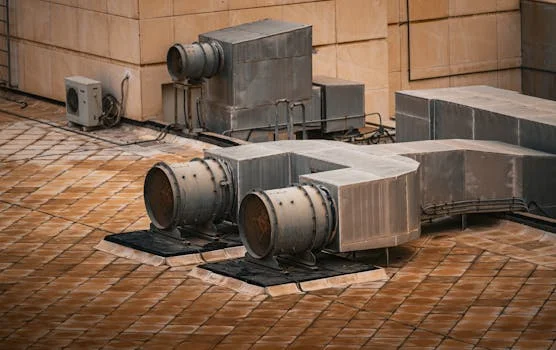
Skid-mounted wastewater treatment systems achieve 92–98% COD and 95–99% TSS removal rates when sized to the design influent and operated inside the calibrated chemical window. Factory assembly reduces field fit-up errors that often appear on first-year site-built plants. Pre-shipment load tests also verify interlocks before the skid reaches the pad.
Energy use on optimized modular trains is typically 0.3–0.6 kWh/m³, compared with 0.5–1.0 kWh/m³ on many conventional layouts with longer pipe runs. Precise PLC dosing often holds sludge production near 0.5–1.5% of influent volume, versus about 1–3% where flocculation and settling are less tightly controlled. Field programs that track availability commonly keep unplanned downtime below 2%, against 5–10% in the first year for many custom-built plants that still resolve on-site punch lists.
| Metric | Skid-Mounted System | Conventional Concrete Plant |
|---|---|---|
| Footprint (50 m³/h) | ~85 sq ft | ~400 sq ft |
| Energy Usage | 0.3–0.6 kWh/m³ | 0.5–1.0 kWh/m³ |
| Installation Time | 1–2 weeks | 3–6 months |
| TSS Removal Rate | 95–99% | 90–95% |
| Sludge Production | 0.5–1.5% influent vol | 1.0–3.0% influent vol |
When to Choose a Skid-Mounted System
A 20 m³/h skid-mounted plant typically incurs 40–60% lower installation costs than a site-built concrete alternative because most civil basins and field pipe racks disappear. Procurement teams should weigh flow, project duration, and pad constraints. Skids usually remain attractive up to about 500 m³/h; above roughly 1000 m³/h, conventional civil economies of scale often win for permanent municipal works.
Engineers can screen payback with: Payback Period = (CAPEX_skid − CAPEX_conventional) / (OPEX_conventional − OPEX_skid). In many industrial cases, the higher unit price of the skid is recovered within about 18 months through lower install cost, energy, and maintenance. Capacity growth of about 50% can mean adding a parallel skid instead of excavating a new basin. Buried or space-limited sites may also evaluate an Underground Package Sewage Treatment Plant (WSZ Series) when surface pad area is the binding constraint.
| Factor | Choose Skid-Mounted If... | Choose Conventional If... |
|---|---|---|
| Site Location | Remote, temporary, or space-constrained | Permanent, large municipal site |
| Project Timeline | Urgent (weeks) | Long-term planning (months/years) |
| Flow Volume | < 500 m³/h | > 1000 m³/h |
| Future Needs | Scaling or relocation expected | Fixed capacity for 20+ years |
What drives stainless steel process skid cost?
Stainless steel process skid cost is driven mainly by alloy grade, weld density, surface finish, instrument count, and factory test scope—not by frame size alone. Moving from carbon steel with coating to 304 or 316L stainless raises material and fabrication cost but cuts corrosion risk on chloride- or acid-bearing streams. Extra instruments, duplex strainers, CIP loops, and full FAT with client punch lists add price faster than adding a few metres of pipe. Pricing should be compared on total installed cost per m³/h at the required metallurgy, not on bare skid list price.
How should engineers select industrial wastewater clarifiers?
Industrial wastewater clarifier selection starts with solids type, FOG load, and target effluent TSS, then moves to surface loading and sludge handling. Primary gravity or lamella units suit denser inorganic solids at about 8–12 m/h; DAF suits FOG and light flocs at about 5–8 m/h. Secondary biological clarifiers or MBR membranes take over after aeration when soluble COD dominates. Tertiary filters polish to reuse specs. Compare energy for recycle compressors versus sludge pumps, and confirm sludge percent solids against dewatering equipment limits before freezing the skid layout.
Do UK data centres need Environment Agency abstraction licences?
UK data centres that abstract more than 20 m³/day (20,000 litres/day) from rivers, lakes, or groundwater in England are likely to need an Environment Agency abstraction licence, according to current GOV.UK guidance (page last updated 2 July 2026). Licence conditions protect other abstractors and the water body, so efficiency and reuse plans matter in water-stressed catchments. Cooling-tower blowdown and process wastewater treated on compact reuse skids can cut freshwater take when a licence volume is tight or a new licence is hard to obtain. Always confirm devolved rules for Scotland, Wales, and Northern Ireland before design freeze.
Common Skid Configurations by Industry
Effluent Treatment Plant (ETP) skids for textile wastewater can reduce COD from about 1200 mg/L to under 100 mg/L in a single pass when pH adjustment, DAF, and filtration are matched to the dye chemistry. Compact layouts fit between production buildings where a concrete plant would not. One textile plant in Bangladesh used a modular ETP to meet buyer discharge limits inside a narrow alley footprint.
- Sewage Treatment Plants (STP): An Integrated MBR system for near-reuse-quality effluent in compact skids suits mining camps and hotels. A Dubai resort reported 98% BOD removal on a 10 m³/h STP skid used for onsite irrigation. Where burial is preferred, the Underground Package Sewage Treatment Plant (WSZ Series) provides a packaged alternative with a similar process intent.
- Reverse Osmosis (RO) Skids: High-purity reuse trains often follow multimedia or UF pretreatment. How RO modules integrate into skid-mounted water reuse systems typically targets 50–95% recovery for semiconductor fabs or power plants, subject to feed TDS and scaling control.
- Metal Precipitation Skids: Electroplating and mining modules combine pH/ORP dosing with lamella clarification to cut copper from about 50 mg/L to less than 0.5 mg/L when chemistry and residence time are correct.
| Configuration | Primary Modules | Target Industry |
|---|---|---|
| ETP Skid | pH Adjust, DAF, Filtration | Textile, Chemical, Pharma |
| MBR STP Skid | A/O Biological, MBR Membrane | Mining, Commercial, Municipal |
| RO Reuse Skid | Multimedia Filter, RO, CIP | Semiconductor, Power, F&B |
| Metal Removal | Reaction Tank, Lamella, Press | Electroplating, Mining |
Selection Checklist and Next Step
Use this short checklist before issuing an RFQ:
- Influent COD, TSS, FOG, metals, and peak-to-average flow ratio
- Discharge or reuse target with units and sample type (daily average vs grab)
- Available pad area, lifting limits, and utilities (power, air, chemicals)
- Metallurgy (coated carbon steel vs 304/316L) for chloride or acid risk
- Clarifier type: lamella, DAF, or MBR based on solids and FOG
- Sludge percent solids vs available dewatering equipment
- Commissioning window and whether parallel redundancy is required
Who this is for: EPC and plant engineers sizing 1–500 m³/h industrial or camp wastewater trains under tight schedule or footprint limits. Who should look elsewhere: multi-thousand m³/h permanent municipal works where large concrete basins remain cheaper over a 20-year life. Next step: share influent analyses and permit limits so a skid train—or a packaged underground option—can be matched to hydraulic and chemical load without oversizing chemicals or membranes.
Frequently Asked Questions
How long does it take to install a skid-mounted wastewater plant?
Most industrial skids commission in 1–2 weeks after delivery when the pad, power, and tie-ins are ready. The mechanical package arrives pre-wired, pre-piped, and factory-tested, so field work is mainly influent/effluent connections and main power. That schedule is typically about 90% shorter than the 3–6 months needed for conventional site-built concrete plants of similar capacity. Delays usually come from civil pads or utility delays, not from the process modules themselves.
Can skid-mounted systems treat high-strength industrial wastewater?
Yes, when the module set matches the pollutant profile. Configuring a train with a DAF system or a metal-precipitation stage allows treatment of COD above 2000 mg/L and elevated FOG or heavy metals. Equalization and chemical conditioning must be sized for the peak load, not only the average. Biological or RO polishing is added only after TSS and FOG are controlled, or membranes foul quickly.
What is the typical lifespan of a skid-mounted treatment system?
Structural skids and process piping in stainless steel or PU-coated mild steel commonly last 15–20 years under normal industrial duty. Pumps, instruments, and membranes follow shorter service cycles and usually need overhaul or replacement every 5–7 years. Lifespan depends on metallurgy match to the wastewater, spare-parts discipline, and whether coatings are inspected on schedule. Relocation does not reset structural life if frames and welds are inspected after each move.
Are skid-mounted wastewater plants scalable?
Yes. Parallel identical skids increase capacity in steps without new basin construction. Doubling flow can mean installing a second train for 100% more capacity or for duty/standby redundancy. Hydraulic and electrical tie-ins must be designed for the ultimate parallel count on day one. Chemical storage and sludge handling also need headroom, or the bottleneck simply moves downstream of the new skid.
What are the main cost drivers for a stainless steel process skid?
Alloy grade, weld inches, finish specification, instrumentation density, and FAT scope dominate stainless steel process skid pricing. A 316L train with full instrumentation and client-witnessed FAT costs more per m³/h than a coated carbon-steel frame with minimal I/O, even at the same flow. Compare bids on total installed cost and expected corrosion life for your chloride and pH envelope. Cheapest list price often loses when coatings fail in year two.
Related Equipment
The following HydropureWater products are engineered for the wastewater challenges discussed above:
- PLC-controlled chemical dosing skid for precise coagulation/flocculation — view specifications, capacity range, and technical data
Need a customized solution? Request a free quote with your specific flow rate and pollutant parameters.