PCB Wastewater Treatment Price 2025: Engineering Cost Breakdown, Tech Selection & ROI Calculator
PCB wastewater treatment costs in 2025 range from $0.85 to $2.10/m³ for operational expenses (OPEX) and $500K to $3M+ for capital expenditure (CAPEX), depending on system type and influent contaminant load. For example, a 50 m³/h membrane bioreactor (MBR) system with 99% copper removal and 95% COD reduction typically costs $1.2M–$1.8M upfront, with OPEX of $1.10–$1.60/m³. Key cost drivers include pretreatment requirements (e.g., DAF for heavy metals), chemical dosing for pH adjustment, and sludge disposal. This guide provides engineering specs, tech selection criteria, and an ROI calculator to help PCB manufacturers optimize treatment costs while meeting China’s GB 8978-1996 discharge standards.
Why PCB Wastewater Treatment Costs Are Rising in 2025
China’s GB 8978-1996 standard mandates strict discharge limits for PCB fabrication plants, including copper levels below 0.5 mg/L, nickel below 1.0 mg/L, and Chemical Oxygen Demand (COD) below 100 mg/L. As environmental inspections tighten under China’s 14th Five-Year Plan for Ecological Protection, the cost of non-compliance has shifted from minor administrative fees to significant daily fines and potential plant closures. Global PCB output grew 5.2% YoY in 2023 (Prismark), which has simultaneously increased the volume of wastewater and the complexity of the contaminants present, particularly as high-density interconnect (HDI) and flexible PCB production introduce more exotic chemistries.
Regulatory trends are no longer limited to basic discharge; there is a growing push toward Zero Liquid Discharge (ZLD) and high-rate water recovery. In regions like the Pearl River Delta and Yangtze River Delta, local standards often exceed national requirements, demanding COD levels as low as 50 mg/L. This necessitates advanced polishing stages, such as Reverse Osmosis (RO) or advanced oxidation processes (AOPs), which increase both CAPEX and energy-related OPEX. HydropureWater internal data from a 30 m³/h PCB plant in Shenzhen illustrates this trend: the facility reduced regulatory fines by 78% after upgrading from a basic chemical precipitation unit to an integrated system featuring DAF systems for heavy metal removal in PCB wastewater pretreatment followed by an MBR stage.
the rising cost of hazardous waste disposal—specifically metal-rich sludge—is a primary driver of OPEX. In 2025, disposing of PCB sludge can cost between $150 and $300 per ton. Systems that fail to minimize sludge volume or fail to separate concentrated metal streams effectively create a long-term financial drain that often outweighs the initial savings of a cheaper, lower-tech treatment system.
PCB Wastewater Contaminant Profile: What’s in Your Effluent?
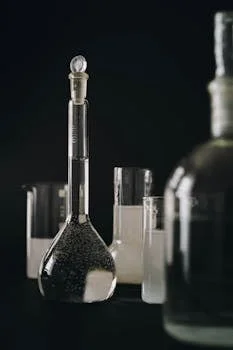
PCB wastewater contains a heterogeneous mix of heavy metals and high-concentration organic compounds, with copper concentrations often reaching 500 mg/L in etching line effluent. Understanding the specific contaminant profile is the first step in engineering a cost-effective system. The wastewater is typically segregated into different streams: concentrated spent baths, acidic/alkaline rinse water, and organic-laden stripping waste.
Heavy metals are the primary concern for regulatory compliance. Copper (Cu²⁺) is the most prevalent, originating from electroless plating and etching. Nickel (Ni²⁺) and Gold (Au⁺) appear in surface finishing stages, while Tin (Sn²⁺) and Lead (Pb²⁺) are common in solder masking and plating. Beyond simple ions, these metals are often "complexed" or chelated with EDTA or ammonia, making them resistant to standard pH-adjustment precipitation. Organics, measured as COD, range from 1,000 to 10,000 mg/L, driven by surfactants, inks, and resist strippers. These high-COD loads can foul membranes and inhibit biological processes if not managed through rigorous pretreatment.
| Pollutant Category | Typical Concentration (mg/L) | Primary Process Source | GB 8978-1996 Limit (mg/L) |
|---|---|---|---|
| Copper (Cu²⁺) | 50–500 | Etching, Electroless Plating | ≤ 0.5 |
| Nickel (Ni²⁺) | 10–100 | Nickel Plating, Gold Finishing | ≤ 1.0 |
| COD (Chemical Oxygen Demand) | 1,000–10,000 | Resist Stripping, Developing | ≤ 100 |
| Ammonia Nitrogen (NH₃-N) | 50–300 | Ammoniacal Etching | ≤ 15 |
| Total Suspended Solids (TSS) | 200–1,000 | Mechanical Scrubbing, Drilling | ≤ 70 |
To address these specific loads, engineers must map the process flow. For instance, learn how DAF systems remove 95%+ of heavy metals from industrial wastewater by targeting the suspended solids and precipitated metal hydroxides before they reach sensitive downstream biological or membrane units. Pre-treating high-COD streams from the stripping line separately via acidified precipitation or AOP is often more cost-effective than attempting to treat a combined diluted stream.
4 PCB Wastewater Treatment Technologies Compared: Costs, Efficiency, and Limitations
Modern membrane bioreactor (MBR) systems achieve up to 99.2% copper removal efficiency, significantly outperforming traditional chemical precipitation in high-load scenarios. However, the "best" technology depends on the balance between capital availability and discharge requirements. Below is a comparison of the four most common system architectures deployed in 2025.
1. Chemical Precipitation: This is the traditional approach, involving pH adjustment to precipitate metal hydroxides, followed by flocculation and settling. While CAPEX is low ($300K–$800K), OPEX is high due to the massive volume of chemicals required and the resulting hazardous sludge. It struggles with complexed metals (e.g., EDTA-Cu), often requiring specialized organosulfides for compliance.
2. Biological Treatment (A/O): Anoxic/Oxic (A/O) systems are effective for high-COD and nitrogen removal. They are cost-efficient for large volumes but have a large footprint and are sensitive to heavy metal toxicity. If copper levels exceed 10-20 mg/L in the influent, the biological colony can be "poisoned," leading to system failure.
3. Membrane Bioreactor (MBR): MBR combines biological degradation with membrane filtration. MBR systems for PCB wastewater with 99%+ contaminant removal provide superior effluent quality, effectively acting as a barrier to both solids and bacteria. HydropureWater field data from a Suzhou plant shows consistent copper removal of 99.2%, even with fluctuating influent loads.
4. Hybrid Systems (DAF + MBR + RO): For plants aiming for water reuse or ZLD, a hybrid approach is necessary. This involves DAF for primary metal removal, MBR for organics, and RO for desalination. While expensive, these systems enable up to 90% water recovery, significantly lowering long-term municipal water costs.
| System Type | CAPEX Range (USD) | OPEX ($/m³) | Cu Removal % | COD Removal % |
|---|---|---|---|---|
| Chemical Precipitation | $300K – $800K | $1.20 – $2.10 | 80% – 90% | 70% – 85% |
| Biological (A/O) | $500K – $1.2M | $0.85 – $1.50 | 60% – 80% | 90% – 95% |
| MBR Integrated | $1.2M – $2.5M | $1.10 – $1.80 | 95% – 99%+ | 92% – 97% |
| Hybrid (ZLD-Ready) | $1.8M – $3.0M+ | $1.50 – $2.50 | 99.9% | 98% – 99% |
PCB Wastewater Treatment Cost Breakdown: CAPEX, OPEX, and Hidden Expenses

Capital expenditure for a 100 m³/h PCB wastewater system is primarily driven by equipment costs, which account for 60-70% of the total budget. However, engineers often overlook the "hidden" costs associated with civil works and commissioning. Civil works—including concrete tanks and piping—can add $100K to $500K depending on the soil conditions and footprint requirements. Installation and commissioning typically require another 10-15% of the equipment cost to ensure sensors, precise chemical dosing for pH adjustment and coagulant addition, and PLC logic are properly integrated.
OPEX is dominated by four factors: chemicals, electricity, labor, and sludge disposal. In chemical-heavy systems, coagulants (like PAC) and flocculants (PAM) can cost $0.30–$0.80/m³. Electricity is a major factor for MBR and RO systems due to the high-pressure pumps and aeration blowers required. A case study of a 100 m³/h hybrid system in Jiangsu demonstrated that switching from a purely chemical dosing strategy to a biological pretreatment stage reduced overall OPEX by 32%, primarily by cutting sludge disposal volumes in half.
| Cost Component | Estimated Range | Key Drivers |
|---|---|---|
| Equipment (CAPEX) | $400,000 – $2,000,000 | Automation level, materials (SS316 vs PVC) |
| Chemicals (OPEX) | $0.30 – $0.80/m³ | Influent metal concentration, complexing agents |
| Sludge Disposal | $0.15 – $0.50/m³ | Moisture content, local hazardous waste rates |
| Membrane Replacement | $50K – $150K/year | Fouling rates, cleaning frequency (MBR/RO) |
Hidden expenses often arise from pretreatment failures. For example, if a DAF system is undersized, high TSS will reach the MBR, causing rapid membrane fouling. This results in frequent chemical clean-in-place (CIP) cycles, reducing membrane lifespan and increasing maintenance labor costs by up to 25%.
ROI Calculator: How to Justify Your PCB Wastewater Treatment Investment
The return on investment for high-efficiency PCB wastewater systems is primarily realized through the avoidance of regulatory fines and the reduction of municipal water procurement via reuse. To calculate ROI, use the following formula: ROI = [(Annual Savings from Fines + Water Reuse Value) / (CAPEX + Annual OPEX)] × 100%. In China, GB 8978 violations can easily cost ¥100K–¥500K ($14K–$70K) per year, while EU fines under the Industrial Emissions Directive can reach €1M for severe cases.
Water reuse provides a direct hedge against rising utility prices. In major industrial hubs, reclaimed water costs roughly ¥2–¥5/m³, whereas municipal water can reach ¥6–¥12/m³. For a 50 m³/h plant operating 24/7, a 90% recovery rate through an MBR+RO system can save over ¥1.2M ($165K) annually. Dive deeper into PCB wastewater treatment costs and ROI calculations to see how different recovery rates impact the payback period.
| ROI Parameter (Example: 50 m³/h System) | Value (Annual) |
|---|---|
| Avoided Regulatory Fines | $45,000 |
| Water Savings (90% Reuse @ $1.50/m³) | $590,000 |
| Operational Expenses (OPEX) | ($280,000) |
| Net Annual Benefit | $355,000 |
| Total CAPEX | $1,600,000 |
| Estimated Payback Period | 4.5 Years |
When presenting to management, emphasize that the "Cost of Inaction" is often higher than the CAPEX. A single stop-production order due to environmental non-compliance can cost a PCB manufacturer millions in lost revenue and broken contracts, far exceeding the cost of a high-performance treatment system.
How to Select the Right PCB Wastewater Treatment System: A Decision Framework
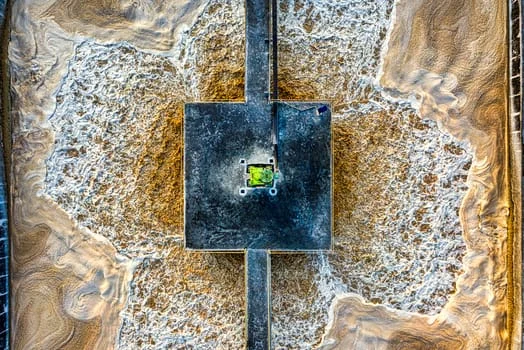
Selecting a PCB wastewater treatment system requires a multi-parametric analysis of influent chemistry, specifically the ratio of complexed metals to free ions. Follow this 5-step engineering framework to select the most cost-effective system for your facility.
- Step 1: Conduct a Comprehensive Influent Characterization. Test for COD, TSS, heavy metals (Cu, Ni, Sn, Pb), and specifically identify chelated metals. Use a lab-grade spectrophotometer to measure metal concentrations after standard pH adjustment to see if complexing agents are present.
- Step 2: Define Compliance and Reuse Goals. Are you strictly aiming for GB 8978 compliance, or does your local municipality mandate water reuse? If reuse is required, you must include RO in your design. Explore hybrid process designs for high-efficiency wastewater treatment in electronics manufacturing to understand how these stages interact.
- Step 3: Evaluate Footprint and Labor Constraints. Biological systems require large aeration tanks. If land is expensive, an integrated MBR provides the same treatment capacity in 40% less space. Similarly, consider automation; an automatic chemical dosing system reduces the need for constant operator intervention.
- Step 4: Analyze Sludge Management. If your local hazardous waste disposal fees are high, invest in a filter press or sludge dryer to reduce sludge volume by 60-80%.
- Step 5: Compare Total Cost of Ownership (TCO). Don't just look at the quote. Compare the 10-year TCO, including electricity, chemicals, and membrane replacements.
"The most expensive system is the one that fails to meet compliance on day 30. Engineering for 'worst-case' influent peaks is the only way to ensure long-term ROI in the PCB industry."
Frequently Asked Questions
What’s the cheapest PCB wastewater treatment system?
The lowest CAPEX system is chemical precipitation ($300K–$800K). However, it often has the highest TCO due to chemical costs and sludge disposal. For long-term savings, biological or MBR systems are generally more cost-effective despite higher upfront costs.
How much does PCB wastewater treatment cost per cubic meter?
In 2025, the OPEX typically ranges from $0.85/m³ for basic biological systems to $2.50/m³ for high-end hybrid ZLD systems. The average for a compliant MBR system is approximately $1.35/m³.
Can PCB wastewater be reused?
Yes. By using an MBR + RO configuration, PCB plants can achieve 90% water recovery. The reclaimed water is often higher quality than municipal water, making it suitable for rinse stages and cooling towers.
What are the regulatory limits for PCB wastewater in China?
The primary standard is GB 8978-1996. Key limits include Copper ≤ 0.5 mg/L, Nickel ≤ 1.0 mg/L, COD ≤ 100 mg/L, and pH 6–9. Some local standards (e.g., in Guangdong) may be stricter.
How long does it take to install a PCB wastewater treatment system?
A typical timeline includes 3–6 months for civil works, 2–4 months for equipment manufacturing and delivery, and 1–2 months for commissioning and biological seeding, totaling 6–12 months from contract to full operation.