Why Acid-Alkaline Wastewater is a Critical Challenge for Chip Fabs
Semiconductor fabrication plants generate substantial volumes of highly complex wastewater. A typical 10-million-gallon-per-day fab produces between 2 and 10 million gallons of wastewater daily, characterized by extreme pH swings from highly acidic (pH 1.5, due to hydrofluoric acid (HF) and nitric acid (HNO₃)) to strongly alkaline (pH 12, from tetramethylammonium hydroxide (TMAH) and potassium hydroxide (KOH)). These streams are laden with hazardous contaminants, including fluoride up to 120 mg/L, arsenic up to 50 µg/L, and total organic carbon (TOC) up to 300 mg/L, frequently exceeding standard discharge limits by 10 to 50 times. The chemical cocktail often includes aggressive agents such as HF, HNO₃, TMAH, complexing agents like EDTA and PBTC, and various metal ions, posing environmental and health risks such as fluoride toxicity and arsenic carcinogenicity. Fab hubs like Taiwan's Hsinchu Science Park face significant water scarcity, with drought seasons sometimes imposing up to 30% supply cuts, making advanced recycling and zero liquid discharge (ZLD) essential for production continuity.
Engineering Specs for Acid-Alkaline Neutralization
Effective acid-alkaline neutralization is the cornerstone of any semiconductor fab wastewater treatment strategy, demanding precise engineering parameters to ensure optimal performance and compliance. The target pH range for neutralization is maintained between 6.5 and 8.5, a balance that minimizes the solubility of many contaminants while preventing downstream corrosion and scaling, aligning with EPA 40 CFR Part 469 and China GB8978-2025. Achieving this target relies on sophisticated pH control strategies, often employing high-accuracy inline pH probes integrated with PID loops to manage chemical dosing in real-time. For acidic streams containing fluoride, calcium hydroxide (Ca(OH)₂) is the primary neutralizing agent, with a stoichiometric ratio of 1.5–2.0:1 Ca²⁺:F⁻ required for effective precipitation of calcium fluoride (CaF₂). Alkaline streams typically require acid addition, with sulfuric acid (H₂SO₄) dosed at rates of 0.5–2.0 kg/m³ to bring the pH down. In cases where high alkalinity from sources like TMAH needs to be neutralized, accurate dosing of H₂SO₄ is critical to avoid overshooting the target pH. Reaction kinetics are also crucial: fluoride precipitation requires a retention time of 15–30 minutes at temperatures between 20–25°C to ensure complete crystal formation and settling. Similarly, the co-precipitation of arsenic with iron salts, such as ferric chloride (FeCl₃), requires a reaction time of 30–60 minutes to allow for the formation of stable iron oxyhydroxides that encapsulate arsenic species. Common pitfalls include over-dosing Ca(OH)₂, which can lead to excessive scaling in piping and equipment, or under-dosing NaOH in alkaline streams, resulting in incomplete neutralization and potential permit violations. Troubleshooting often involves detailed jar testing protocols to optimize chemical dosages and reaction conditions for specific influent characteristics. Most plants we size for run at the lower end of the dosing ranges, with jar tests confirming actual stoichiometric demand rather than theoretical calculations.
| Chemical | Dosing Rate (kg/m³) | pH Adjustment Range | Retention Time (min) | Notes |
|---|---|---|---|---|
| Ca(OH)₂ | Variable (Stoichiometric based on F⁻) | 1.5 to 12 (Acidic to Neutral) | 15-30 | For fluoride precipitation; potential for scaling if over-dosed. |
| NaOH | 0.5 to 2.0 | 1.5 to 12 (Acidic to Alkaline) | 10-20 | For precise pH adjustment in various streams. |
| H₂SO₄ | 0.5 to 2.0 | 1.5 to 8.5 (Alkaline to Neutral) | 10-20 | Effective for neutralizing high alkaline streams; requires corrosion-resistant materials. |
| FeCl₃ | 0.1 to 0.5 (for co-precipitation) | N/A (Enhances precipitation) | 30-60 | For arsenic and heavy metal co-precipitation. |
For precise pH control and consistent chemical delivery, consider our PLC-controlled chemical dosing systems, engineered for demanding industrial applications.
Hybrid Process Design: DAF, MBR, RO, and Evaporative Crystallization
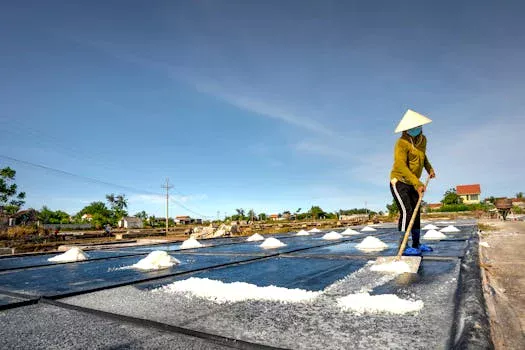
A multi-stage hybrid treatment system is often the most effective solution for achieving stringent effluent quality and maximizing water recovery. Dissolved Air Flotation (DAF) serves as the primary stage, efficiently removing 90–95% of suspended solids and floatable organic matter (FOG). This step is vital for protecting the delicate membranes in downstream processes by preventing gross fouling. Advanced DAF systems utilize micro-bubble technology for superior separation and efficient skimming mechanisms. Following DAF, a Membrane Bioreactor (MBR) provides robust biological treatment, achieving over 95% TOC removal and 99% pathogen reduction. MBRs, often employing submerged or external configurations with PVDF membranes featuring pore sizes as small as 0.1 µm, offer a compact footprint and superior effluent quality compared to conventional activated sludge systems. The permeate from the MBR then undergoes Reverse Osmosis (RO), a critical step for ultra-pure water recovery. RO systems can recover 75–90% of the water, reducing dissolved ions, including residual fluoride and arsenic, to levels below 1 µg/L, meeting stringent UPW standards for reuse in fabrication processes. However, RO requires careful pretreatment to mitigate membrane fouling risks, particularly from silica and other dissolved solids. For achieving Zero Liquid Discharge (ZLD), evaporative crystallization concentrates the reject brine from RO into solid salts, achieving an overall water recovery of 99.8%. Technologies like Mechanical Vapor Recompression (MVR) or Multi-Effect Distillation (MED) are utilized for energy-efficient brine concentration, significantly reducing operational costs.
| Process | Contaminant Removal (%) | Footprint (m²/100 m³/day) | Energy Use (kWh/m³) | CAPEX ($/m³/day) | OPEX ($/m³) |
|---|---|---|---|---|---|
| DAF | Suspended Solids: 90-95% FOG: 90-95% |
0.5 - 1.0 | 0.1 - 0.3 | 500 - 1,000 | 0.05 - 0.10 |
| MBR | TOC: 95% Pathogens: 99% |
1.0 - 2.0 | 0.4 - 0.8 | 1,500 - 3,000 | 0.10 - 0.20 |
| RO | Dissolved Ions: 95-99% | 0.8 - 1.5 | 1.5 - 3.0 | 2,000 - 4,000 | 0.15 - 0.30 |
| Evaporative Crystallization (ZLD) | Water Recovery: 99.8% | 0.3 - 0.8 | 10.0 - 20.0 (MVR/MED) | 3,000 - 6,000 | 0.20 - 0.40 |
Our advanced DAF systems, MBR units, and RO solutions are integral components of high-performance hybrid treatment trains for semiconductor wastewater. For fabs requiring compact civil work, the Underground Package Sewage Treatment Plant (WSZ Series) provides a modular footprint that pairs with the DAF stage.
Fluoride, Arsenic, and TOC Removal
Targeted removal of specific recalcitrant contaminants is paramount in semiconductor wastewater treatment. For fluoride, chemical precipitation using calcium hydroxide (Ca(OH)₂) is highly effective, reducing influent concentrations of 120 mg/L down to below 2 mg/L, as demonstrated in extensive field applications. This process relies on the low solubility of calcium fluoride (CaF₂). Enhanced fluoride removal can be achieved through co-precipitation with aluminum salts, such as aluminum sulfate (Al₂(SO₄)₃), which forms more stable precipitates and can improve removal efficiency, especially at lower pH values. Arsenic, a potent carcinogen, is typically removed via co-precipitation with ferric chloride (FeCl₃). This method reduces arsenic from influent levels of 50 µg/L to below the target of 1 µg/L by adsorbing arsenic species onto forming iron oxyhydroxides (FeOOH). While adsorption onto media like activated alumina or ion exchange resins can also be employed, the FeCl₃ co-precipitation method is often favored for its cost-effectiveness and integration with other treatment steps. Total Organic Carbon (TOC) reduction is primarily handled by biological processes, with MBR systems achieving over 95% removal, bringing influent levels of 300 mg/L down to less than 5 mg/L. For refractory organic compounds like EDTA and PBTC, which are resistant to biological degradation, Advanced Oxidation Processes (AOPs) such as UV/H₂O₂ oxidation are necessary. These processes generate highly reactive hydroxyl radicals (•OH) that can mineralize organic pollutants. However, careful control of AOPs is required to manage reaction kinetics and prevent the formation of undesirable byproducts like bromate, especially if bromide is present in the wastewater.
| Contaminant | Influent Concentration | Effluent Target | Removal Mechanism | Chemical Dosing | Retention Time |
|---|---|---|---|---|---|
| Fluoride | Up to 120 mg/L | < 2 mg/L | Ca(OH)₂ Precipitation | Stoichiometric ratio (1.5-2.0:1 Ca²⁺:F⁻) | 15-30 min |
| Arsenic | Up to 50 µg/L | < 1 µg/L | FeCl₃ Co-precipitation / Adsorption | 0.1-0.5 kg/m³ (FeCl₃) | 30-60 min |
| TOC | Up to 300 mg/L | < 5 mg/L | MBR (Biological Degradation) / AOP (Oxidation) | N/A (MBR) / H₂O₂, UV (AOP) | Varies (MBR: hours; AOP: minutes) |
| EDTA/PBTC | Variable | Low mg/L or ppb | AOP (UV/H₂O₂) | H₂O₂ (e.g., 50-200 mg/L) | 15-30 min |
Our advanced oxidation systems are designed for effective recalcitrant organic removal in challenging industrial effluents.
Zero Liquid Discharge (ZLD) for Chip Fabs
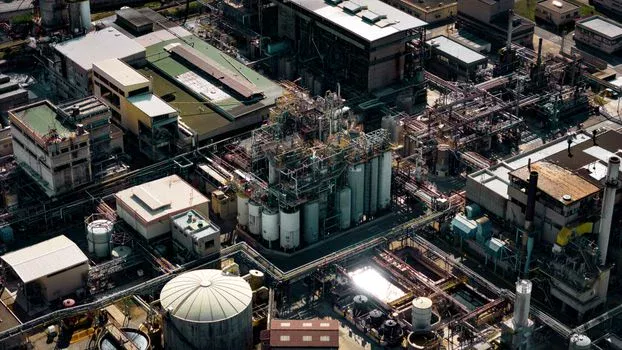
Implementing Zero Liquid Discharge (ZLD) in semiconductor fabrication plants is a strategic investment that ensures regulatory compliance, conserves water resources, and minimizes environmental impact. A typical ZLD process flow begins with robust pretreatment, including neutralization and DAF for solids and FOG removal, followed by MBR for biological treatment and RO for high-purity water recovery. The concentrated brine from RO is then directed to evaporative crystallization, where water is evaporated, leaving behind solid salts for disposal. This multi-stage approach allows for maximum water recovery, often exceeding 99.8%. For a 10M gallon/day fab, the total Capital Expenditure (CAPEX) for such a system ranges from $15 million to $20 million, with the RO and evaporative crystallization stages representing the largest portions of this investment. For example, a 10M gallon/day system might incur approximately $5M for DAF/MBR, $8M for RO, and $5M for evaporative crystallization, totaling around $18M as per the Hydropure case study (2026). Operational Expenditure (OPEX) typically falls between $0.30 and $0.50 per cubic meter of treated water, encompassing energy costs, chemical consumption, membrane replacement, and labor. The return on investment (ROI) for ZLD systems is driven by several key factors: significant water savings, with reclaimed water valued at $0.50–$1.00/m³ compared to freshwater purchase costs; avoidance of substantial penalties for permit violations, which can range from $200K to $500K annually; and the reduction in the cost of purchasing ultra-pure water (UPW), which can be as high as $2–$5/m³. Consequently, ZLD systems typically achieve a payback period of 3.5 to 5 years. Challenges such as silica scaling in evaporators and high energy consumption are mitigated through the use of specialized antiscalants and energy-efficient technologies like MVR.
| Cost Component | CAPEX ($M) | OPEX ($/m³) | Notes |
|---|---|---|---|
| DAF & MBR | 4.0 - 6.0 | 0.15 - 0.30 | Initial solids/FOG and biological treatment. |
| RO | 7.0 - 9.0 | 0.15 - 0.30 | High-purity water recovery, membrane replacement is a key cost. |
| Evaporative Crystallization (ZLD) | 4.0 - 6.0 | 0.20 - 0.40 | Energy-intensive for brine concentration; MVR/MED for efficiency. |
| Ancillary Systems (Piping, Controls, Sludge Handling) | 1.0 - 2.0 | 0.05 - 0.10 | Integration and waste management. |
| Total (10M GPD Fab) | 16.0 - 23.0 | 0.55 - 1.10 | Overall system cost. |
How to Select the Right Acid-Alkaline Wastewater Treatment System
Selecting the optimal acid-alkaline wastewater treatment system for a semiconductor fab requires a structured, data-driven approach. The process begins with a comprehensive characterization of the wastewater streams. This involves detailed sampling and analysis to determine key parameters such as pH range, concentrations of fluoride, arsenic, TOC, heavy metals, and the overall flow rate. Understanding the specific chemistry of the influent is critical for designing an effective treatment train. Next, define the effluent targets. These can range from meeting local discharge limits, such as those stipulated by Taiwan EPA or China GB8978-2025, to achieving ultra-pure water (UPW) standards for direct reuse within the fab, as guided by standards like EU Industrial Emissions Directive (IED) 2010/75/EU. Following characterization and target definition, evaluate hybrid process options. A common comparison is between a comprehensive DAF + MBR + RO + ZLD system versus simpler alternatives like standalone chemical precipitation followed by ion exchange. The former offers higher recovery rates and superior effluent quality but at a higher CAPEX and OPEX. The decision tree for system selection should consider the contaminant load, flow rate, available budget, and desired water recovery rate. Finally, assess vendor capabilities. Look for vendors with proven experience in the semiconductor industry, who can offer turnkey solutions, modular systems for scalability, and robust O&M services. Red flags include a lack of semiconductor references, vague performance guarantees, or an inability to provide detailed engineering specifications and pilot testing data. Employ a checklist of 10 critical questions to ask potential vendors, such as: 'What is your guaranteed fluoride removal efficiency at an influent concentration of 120 mg/L?', 'What is the expected membrane lifespan under typical semiconductor wastewater conditions?', and 'Can you provide references for similar-scale ZLD projects in the microelectronics sector?'
| Step | Action | Key Considerations | Output |
|---|---|---|---|
| 1 | Wastewater Characterization | pH, Fluoride, Arsenic, TOC, Flow Rate, Metals, Organics | Detailed Influent Profile |
| 2 | Define Effluent Targets | Local Discharge Limits (e.g., GB8978-2025), UPW Reuse Standards, ZLD Requirements | Required Effluent Quality Specifications |
| 3 | Evaluate Treatment Process Options | DAF+MBR+RO+ZLD vs. Chemical Precipitation+Ion Exchange vs. Other Hybrids | Preliminary Process Design & Technology Selection |
| 4 | Assess Vendor Capabilities & Costs | Experience, References, CAPEX, OPEX, Performance Guarantees, O&M Support | Vendor Selection & Final System Design |
Who This Is For and Next Step
This guide is built for plant engineers, EPC contractors, and procurement managers evaluating a hybrid ZLD train for a greenfield fab or a brownfield upgrade at an existing semiconductor facility. If your site only needs biological treatment for a non-hazardous organic stream with no fluoride or arsenic constraints, a simpler MBR-only configuration is more cost-effective. To scope a system sized to your flow rate, influent profile, and target recovery, send your wastewater characterization data through our request a quote form and we will return a preliminary mass balance and CAPEX range within five working days.
Frequently Asked Questions
What is the optimal pH range for neutralizing acid-alkaline wastewater in chip fabs?
The optimal pH range is 6.5–8.5, balancing corrosion prevention, chemical dosing efficiency, and compliance with discharge limits (EPA 40 CFR Part 469, China GB8978-2025). Over-neutralization (pH >9) can cause scaling, while under-neutralization (pH <6) risks corrosion and permit violations. Maintaining this band requires PID-controlled dosing of Ca(OH)₂ or H₂SO₄ with inline pH probe feedback.
How much does a ZLD system cost for a 10M gallon/day semiconductor fab?
A ZLD system for a 10M gallon/day fab costs $15M–$20M CAPEX, with OPEX of $0.30–$0.50/m³. Payback periods range from 3.5 to 5 years, driven by water savings ($0.50–$1.00/m³) and avoided penalties ($200K–$500K annually) per the Hydropure case study (2026). The RO and evaporative crystallization stages account for the largest share of CAPEX.
What are the key contaminants in chip fab acid-alkaline wastewater, and how are they removed?
Key contaminants include fluoride up to 120 mg/L (removed via Ca(OH)₂ precipitation at a 1.5–2.0:1 Ca²⁺:F⁻ ratio), arsenic up to 50 µg/L (removed via FeCl₃ co-precipitation), and TOC up to 300 mg/L (removed via MBR at >95% efficiency or UV/H₂O₂ oxidation). Effluent targets are typically <2 mg/L fluoride, <1 µg/L arsenic, and <5 mg/L TOC based on case study data.
Can MBR systems handle high fluoride concentrations in semiconductor wastewater?
MBR systems alone are not designed for fluoride removal; they require pretreatment such as Ca(OH)₂ precipitation to reduce fluoride to manageable levels (e.g., <50 mg/L) before entering the MBR. PVDF membranes can tolerate moderate fluoride levels, but very high concentrations risk membrane degradation according to industry standards and case study observations. Front-end precipitation also protects downstream RO membranes from fluoride-driven scaling.
What are the energy requirements for a hybrid DAF + MBR + RO + ZLD system?
Energy use varies by stage: DAF 0.1–0.3 kWh/m³, MBR 0.4–0.8 kWh/m³, RO 1.5–3.0 kWh/m³, and evaporative crystallization 10–20 kWh/m³. Total system energy use typically ranges from 12–25 kWh/m³, depending on recovery rates and ZLD configuration per the Hydropure case study (2026). MVR evaporators sit at the lower end of that crystallization band.