Chip Fab Phosphorus Wastewater Treatment: 2025 Engineering Specs, Hybrid Process Design & 99.8% Removal Blueprint
Chip fab phosphorus wastewater treatment requires hybrid systems to achieve 99.8% removal efficiency and meet stringent discharge limits like China’s GB8978 (<0.5 mg/L total phosphorus). Typical influent concentrations range from 10–50 mg/L, driven by CMP slurries and etching processes. Hybrid designs combine chemical precipitation (e.g., ferric chloride dosing at 50–150 mg/L), biological treatment (e.g., enhanced biological phosphorus removal with 6–8 hour HRT), and membrane filtration (e.g., MBR with 0.1 μm PVDF membranes) to deliver effluent <0.1 mg/L. CAPEX for a 1,000 m³/day system averages $1.2M–$2.5M, with OPEX of $0.30–$0.60/m³.
Why Phosphorus in Chip Fab Wastewater Demands Specialized Treatment
Phosphorus discharge violations in semiconductor fabs globally can incur fines exceeding $50,000 per month, directly impacting operational profitability and environmental standing. Semiconductor manufacturing processes generate phosphorus-laden wastewater primarily from chemical mechanical planarization (CMP) slurries, which contribute influent concentrations of 10–30 mg/L. Etching baths, particularly those using phosphoric acid, add 5–20 mg/L, while ultra-pure water (UPW) reject streams can contain 2–10 mg/L of phosphorus (per SEMI S23-0719 guidelines for semiconductor fab wastewater treatment). These concentrations significantly exceed most global discharge limits, necessitating advanced phosphorus removal efficiency.
Stringent environmental regulations worldwide mandate low phosphorus discharge. China's GB8978 standard sets a limit of <0.5 mg/L total phosphorus (TP), the EU Industrial Emissions Directive specifies <1 mg/L, and EPA NPDES limits in the USA vary from <0.1 mg/L to 2 mg/L depending on state-specific regulations. For instance, in 2023, fabs in Taiwan Science Parks faced fines of $50,000 per month for phosphorus violations, according to data from the Taiwan EPA. Beyond regulatory penalties, untreated phosphorus poses severe environmental risks, including eutrophication in receiving waters, which can lead to algal blooms and oxygen depletion. Operationally, high phosphorus levels can cause significant membrane fouling in internal water reclaim systems and interfere with critical fluoride removal processes, degrading overall water treatment system performance and increasing maintenance costs.
Phosphorus Chemistry in Semiconductor Wastewater: Key Reactions and Process Parameters

Understanding the speciation and reaction kinetics of phosphorus compounds in semiconductor wastewater is critical for designing effective treatment processes. Phosphorus in fab wastewater typically exists in three main forms: orthophosphate (PO₄³⁻), polyphosphates, and organic phosphorus. Orthophosphate accounts for approximately 60% of total phosphorus, polyphosphates for 30%, and organic phosphorus for 10% in typical semiconductor streams (per SEMI S23-0719). Orthophosphate is the most readily treatable form via chemical precipitation and biological uptake.
Chemical precipitation for phosphorus removal primarily relies on the formation of insoluble metal phosphate compounds. Ferric chloride (FeCl₃) and aluminum sulfate (Al₂(SO₄)₃, alum) are common coagulants. The key reactions are:
- FeCl₃ + PO₄³⁻ → FePO₄ (ferric phosphate, Ksp = 1.3×10⁻²²)
- Al₂(SO₄)₃ + PO₄³⁻ → AlPO₄ (aluminum phosphate, Ksp = 6.3×10⁻¹⁹)
Optimal pH ranges are crucial for efficient precipitation: 5.5–6.5 for iron-based coagulants and 6.0–7.0 for aluminum-based coagulants. Dosing ratios are also critical; typical benchmarks suggest 1.5–2.5 mg Fe/mg P for ferric chloride and 2.0–3.0 mg Al/mg P for alum (per EPA 2024 benchmarks). Temperature significantly affects reaction kinetics; reaction rates can decrease by 10–15% for every 10°C drop below 20°C, a critical consideration for fabs in colder climates. Interference compounds like fluoride (which competes for Fe/Al binding sites), organic acids (which increase coagulant demand), and silica (which forms colloids) can reduce phosphorus removal efficiency and must be managed.
The following table summarizes key chemical precipitation parameters for effective phosphorus removal:
| Parameter | Ferric Chloride (FeCl₃) | Aluminum Sulfate (Al₂(SO₄)₃) |
|---|---|---|
| Optimal pH Range | 5.5–6.5 | 6.0–7.0 |
| Dosing Ratio (mg Metal/mg P) | 1.5–2.5 | 2.0–3.0 |
| Ksp (Metal Phosphate) | 1.3×10⁻²² (FePO₄) | 6.3×10⁻¹⁹ (AlPO₄) |
| Temperature Effect (Rate decrease/10°C drop) | 10–15% | 10–15% |
Hybrid Phosphorus Treatment Process Design: Step-by-Step Blueprint for Chip Fabs
Achieving sub-0.1 mg/L total phosphorus effluent in chip fab wastewater typically requires a hybrid treatment train combining chemical precipitation, enhanced biological phosphorus removal (EBPR), and membrane filtration. This comprehensive approach ensures high phosphorus removal efficiency against the challenging backdrop of semiconductor fab wastewater characteristics. The blueprint begins with essential pre-treatment steps.
1. Pre-treatment: Initial pH adjustment to a target range of 6.0–6.5 is crucial for optimizing subsequent chemical precipitation. If influent fluoride concentrations exceed 10 mg/L, a dedicated fluoride removal step (e.g., with calcium chloride precipitation at pH 10–11) is necessary to prevent interference with coagulants.
2. Chemical Precipitation: This stage involves rapid mixing, flocculation, and sedimentation.
- Rapid Mix: Coagulants (e.g., ferric chloride via an automatic chemical dosing system) are introduced under high turbulence with a G value of 800–1000 s⁻¹ for 1–2 minutes to ensure immediate and uniform dispersion.
- Flocculation: Following rapid mix, gentle agitation (G value = 50–100 s⁻¹) for 15–20 minutes promotes the aggregation of precipitated metal phosphates into larger, settleable flocs.
- Sedimentation: A clarifier with a surface loading rate (SLR) of 20–30 m/h separates the solid flocs from the treated water. This step typically achieves 90–95% phosphorus removal.
3. Biological Polishing (Enhanced Biological Phosphorus Removal - EBPR): For further phosphorus removal, especially to meet stringent limits, an EBPR system is highly effective. This biological process utilizes phosphorus-accumulating organisms (PAOs) in a sequence of anaerobic, anoxic, and aerobic zones.
- Hydraulic Retention Time (HRT): A total HRT of 6–8 hours is common, distributed across the zones (e.g., 1–2h anaerobic, 2–3h anoxic, 3–4h aerobic).
- Sludge Retention Time (SRT): An SRT of 10–15 days is maintained to ensure a healthy population of PAOs.
- PAO Yield: PAOs typically remove 0.3–0.4 mg P/mg COD removed, requiring a sufficient organic carbon source for optimal performance.
4. Membrane Filtration: To achieve ultra-low effluent phosphorus concentrations, membrane bioreactor (MBR) technology is often integrated. An MBR system for phosphorus polishing in chip fabs utilizes 0.1 μm PVDF membranes.
- Flux Rate: Typical operating flux rates range from 15–25 LMH (Liters per square meter per hour).
- Transmembrane Pressure (TMP): Maintained at 10–30 kPa to minimize fouling and energy consumption.
- MBR systems ensure virtually complete removal of suspended solids, residual biological floc, and associated phosphorus, delivering effluent <0.1 mg/L.
5. Post-treatment: After membrane filtration, pH neutralization may be required if the effluent pH falls outside discharge limits. Residual metal removal (if Fe/Al concentrations exceed 0.1 mg/L) can be achieved via ion exchange or final polishing filters.
6. Sludge Handling: The phosphorus-rich sludge generated from chemical precipitation and biological treatment requires proper management.
- Thickening: Sludge is thickened to 2–4% solids to reduce volume.
- Dewatering: A sludge dewatering for phosphorus-rich waste streams (e.g., a plate and frame filter press) can dewater sludge to 15–20% solids.
- Disposal: Sludge is typically disposed of as hazardous waste if metal concentrations (Fe/Al) exceed 1% by weight, due to potential heavy metal co-precipitation.
Treatment Technology Comparison: Chemical Precipitation vs. Biological vs. Membrane Systems
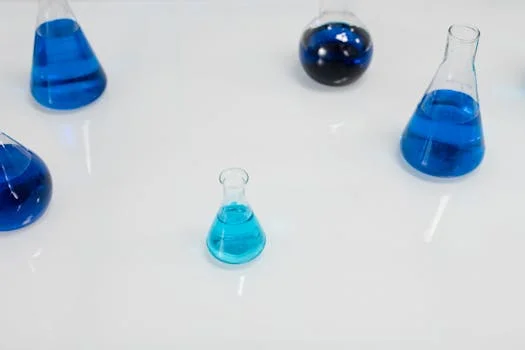
Selecting the optimal phosphorus treatment technology for a semiconductor fab involves a multi-criteria evaluation encompassing removal efficiency, operational parameters, and cost profiles. Each technology offers distinct advantages and limitations, making a hybrid approach often the most robust solution for achieving stringent discharge limits in CMP wastewater treatment solutions for chip fabs and other process streams.
Chemical precipitation, primarily using iron or aluminum salts, is highly effective for orthophosphate removal, achieving 90–95% efficiency and effluent quality typically below 1 mg/L TP. Its operational parameters include chemical consumption of 1.5–3.0 mg Fe/mg P and energy use of 0.2–0.4 kWh/m³. While relatively compact, requiring 10–20 m²/100 m³/day footprint, chemical systems struggle with polyphosphates and produce significant chemical sludge. CAPEX for chemical precipitation systems averages $500–$1,200/m³/day, with OPEX of $0.15–$0.30/m³.
Biological treatment, specifically Enhanced Biological Phosphorus Removal (EBPR), offers a sustainable approach with 85–90% removal efficiency, achieving effluent quality typically below 0.5 mg/L TP. This technology requires a stable organic load (COD:P ratio >20:1) for optimal performance and has a moderate energy consumption (0.3–0.6 kWh/m³). EBPR systems have a larger footprint than chemical systems, though often integrated within existing biological treatment trains. Their limitations include sensitivity to influent variability and the need for a readily biodegradable carbon source. Costs are typically integrated with overall biological treatment CAPEX/OPEX.
Membrane filtration, particularly MBR systems for phosphorus polishing in chip fabs, offers the highest phosphorus removal efficiency, exceeding 99% when combined with upstream chemical or biological processes, delivering effluent quality consistently below 0.1 mg/L TP. MBR systems integrate biological treatment with membrane separation, offering a compact footprint of 5–10 m²/100 m³/day and high effluent quality suitable for reuse. Operational parameters include energy use of 0.5–0.8 kWh/m³ (primarily for aeration and membrane scouring). While highly effective, membranes require adequate pre-treatment to prevent fouling and have higher CAPEX ($1,500–$3,000/m³/day) and OPEX ($0.40–$0.80/m³) due to membrane replacement and higher energy demand.
A hybrid system, combining chemical precipitation with EBPR and MBR, leverages the strengths of each technology to achieve the highest phosphorus removal efficiency and meet the most stringent discharge limits. This comprehensive approach offers superior resilience to influent variations and ensures long-term compliance.
| Technology | Removal Efficiency | Effluent Quality (TP) | Chemical Consumption | Energy Use | Footprint (m²/100 m³/day) | CAPEX ($/m³/day) | OPEX ($/m³) | Limitations |
|---|---|---|---|---|---|---|---|---|
| Chemical Precipitation | 90–95% | <1 mg/L | 1.5–3.0 mg Fe/mg P | 0.2–0.4 kWh/m³ | 10–20 | $500–$1,200 | $0.15–$0.30 | Struggles with polyphosphates, sludge volume |
| Biological (EBPR) | 85–90% | <0.5 mg/L | Minimal | 0.3–0.6 kWh/m³ | 15–30 | Integrated | Integrated | Requires stable organic load, sensitive to toxics |
| Membrane (MBR) | 99%+ (with pre-treatment) | <0.1 mg/L | Minimal | 0.5–0.8 kWh/m³ | 5–10 | $1,500–$3,000 | $0.40–$0.80 | Requires pre-treatment, membrane fouling potential |
| Hybrid (Chem + EBPR + MBR) | 99.8%+ | <0.05 mg/L | Moderate | 0.6–1.0 kWh/m³ | 10–15 | $1,200–$2,500 | $0.30–$0.60 | Higher initial complexity, optimized integration required |
Cost Breakdown and ROI Calculator for Chip Fab Phosphorus Treatment Systems
The capital expenditure for a 1,000 m³/day hybrid phosphorus treatment system in a chip fab averages $1.2M–$2.5M, with operational costs ranging from $0.30–$0.60/m³. Understanding these costs and calculating the return on investment (ROI) is crucial for procurement teams evaluating long-term solutions for phosphorus removal in semiconductor wastewater.
A typical CAPEX breakdown for a hybrid system includes: Equipment (60%), installation (20%), engineering (10%), and commissioning (10%). For example, a 1,000 m³/day system with a total CAPEX of $1.8M would allocate approximately $1.08M for equipment (tanks, pumps, membranes, chemical dosing units), $360K for installation, $180K for engineering design, and $180K for commissioning and startup. These figures are critical for initial budget planning.
Operational expenditure (OPEX) is primarily driven by: Chemicals (40%), energy (25%), labor (15%), maintenance (10%), and sludge disposal (10%). For an average OPEX of $0.45/m³ for a hybrid system, chemicals (coagulants, pH adjusters) would account for $0.18/m³, energy (pumps, blowers, MBR aeration) for $0.11/m³, labor for $0.07/m³, maintenance (parts, membrane cleaning) for $0.05/m³, and sludge disposal for $0.05/m³. Sludge disposal costs can be significant, especially if the sludge is classified as hazardous waste due to co-precipitated heavy metals from heavy metal treatment in semiconductor wastewater.
Key ROI drivers for investing in advanced phosphorus treatment systems include significant water savings through enhanced reuse ($0.50–$2.00/m³), avoidance of regulatory fines ($50K–$500K/year for non-compliance), and improved compatibility with reclaim systems. High-quality effluent from phosphorus treatment extends the life of downstream reverse osmosis (RO) membranes by 20–30%, reducing replacement costs and downtime. The formula for fab-specific ROI is: (Annual Savings – Annual OPEX) / CAPEX. For instance, a 5,000 m³/day system with a CAPEX of $7.5M and annual OPEX of $821,250, achieving water savings of $1.50/m³, could realize an annual saving of $2,737,500, leading to a payback period of approximately 3 years.
Financing options for these significant investments include traditional leasing arrangements (typically requiring 20–30% upfront), performance-based contracts (where payments are tied to treated water volume or quality), and government grants, such as those offered under Taiwan’s Water Reuse Promotion Act, which incentivize sustainable water management practices in the semiconductor industry.
Compliance Checklist: Meeting Global Phosphorus Discharge Standards in Semiconductor Fabs
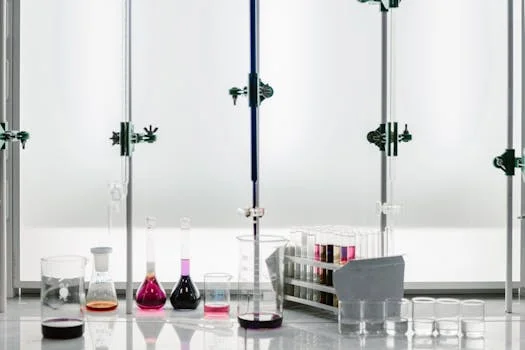
Achieving compliance with global phosphorus discharge standards, such as China GB8978's <0.5 mg/L total phosphorus limit, necessitates a rigorous monitoring and documentation protocol. Environmental compliance managers in semiconductor fabs must implement a robust checklist to ensure their phosphorus treatment systems consistently meet or exceed regulatory requirements, aligning with global IC wastewater discharge standards for 2025.
Key global standards include:
- China GB8978-1996 (Integrated Wastewater Discharge Standard): Sets a stringent limit of <0.5 mg/L total phosphorus (TP), alongside <10 mg/L COD and <15 mg/L BOD₅ for Class I discharge. Fabs discharging >1,000 m³/day are typically required to conduct quarterly testing.
- EU Industrial Emissions Directive 2010/75/EU: Requires Best Available Techniques (BAT) to achieve discharge limits, commonly targeting <1 mg/L TP and <25 mg/L COD. Annual reporting to national environmental authorities is mandatory.
- EPA NPDES (USA): Limits vary significantly by state and receiving water body. For example, some sensitive areas in California may require <0.1 mg/L TP, while Texas might allow up to <2 mg/L TP. Monthly monitoring and reporting are typically required for major dischargers.
- SEMI S23-0719 (Guide for Chemicals and Gases Environmental, Health, and Safety (EHS) Considerations): While primarily a guideline, it recommends <0.1 mg/L TP for water reclaim systems and <0.5 mg/L for general discharge. Adherence is often a prerequisite for SEMI certification and reflects industry best practices for semiconductor fab wastewater treatment.
Accurate testing protocols are paramount. EPA Method 365.1 (ascorbic acid method) is the standard for total phosphorus analysis, while EPA Method 350.1 is used for ammonia. Laboratory analysis typically offers an accuracy of ±5%, whereas online analyzers, useful for continuous monitoring, generally provide ±10% accuracy. Comprehensive documentation is also critical, including daily logs of flow rates, pH, and TP concentrations, monthly reports detailing removal efficiency and chemical usage, and annual third-party audits to verify compliance and system performance.
| Standard/Guideline | Total Phosphorus (TP) Limit | Additional Parameters | Monitoring Frequency (Typical) |
|---|---|---|---|
| China GB8978-1996 | <0.5 mg/L | <10 mg/L COD, <15 mg/L BOD₅ | Quarterly (for >1,000 m³/day) |
| EU Industrial Emissions Directive 2010/75/EU | <1 mg/L | <25 mg/L COD | Annual Reporting |
| EPA NPDES (USA) | <0.1–2 mg/L (state-dependent) | Varies by permit | Monthly (for major dischargers) |
| SEMI S23-0719 (Recommendation) | <0.1 mg/L (reclaim), <0.5 mg/L (discharge) | N/A | As per internal policy |
Frequently Asked Questions
Common inquiries regarding chip fab phosphorus wastewater treatment solutions often center on cost-effectiveness, interference mitigation, and emerging recovery technologies. Here are answers to some of the most pressing questions from engineers and procurement teams:
What is the most cost-effective phosphorus removal