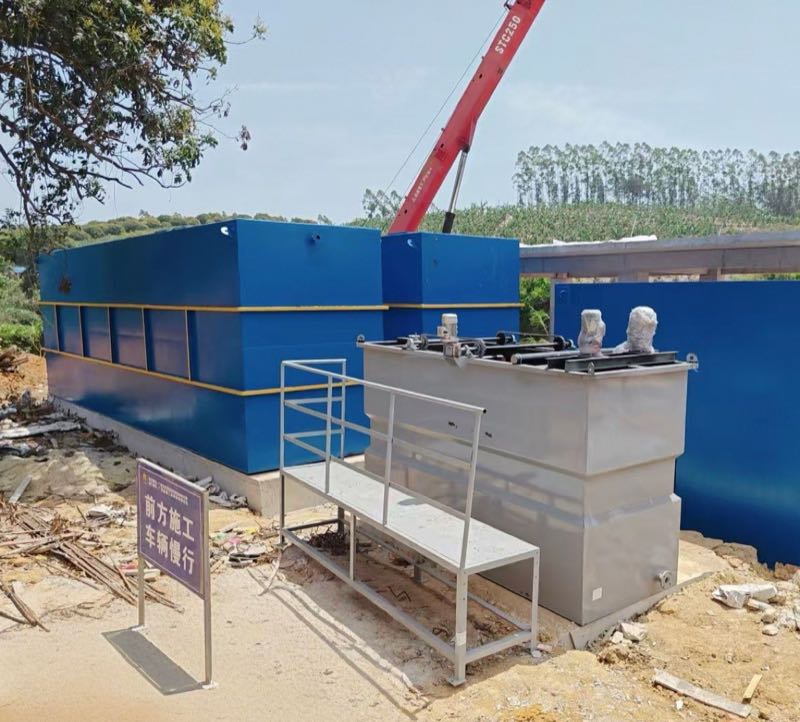
The Persistent Challenge of PFAS: Understanding Forever Chemicals in Wastewater
Per- and polyfluoroalkyl substances (PFAS), often dubbed "forever chemicals" due to their exceptional persistence in the environment, represent one of the most pressing environmental challenges of our time. These synthetic compounds, characterized by strong carbon-fluorine bonds, have been widely used in industrial and consumer products for decades, including non-stick coatings, waterproof fabrics, firefighting foams (AFFF), and various manufacturing processes. As a result, PFAS contamination is pervasive, affecting soil, air, drinking water sources, and industrial wastewater across the globe. The presence of PFAS in industrial wastewater poses significant risks. Industries ranging from electronics manufacturing and metal plating to textiles and specialty chemicals often generate effluent containing varying concentrations of these compounds. Discharging inadequately treated wastewater can lead to widespread environmental contamination and potential health impacts, necessitating robust and effective treatment solutions. Regulatory bodies worldwide are increasingly tightening PFAS regulations, setting stringent limits for their discharge into receiving waters and public sewer systems. This escalating regulatory pressure, coupled with growing public awareness, drives the urgent demand for advanced PFAS treatment chemical manufacturing and application strategies. HydropureWater stands at the forefront of this challenge, providing comprehensive industrial wastewater treatment equipment and engineering solutions designed to effectively remove and destroy PFAS compounds, ensuring compliance and environmental protection.Key Chemical Strategies for PFAS Removal and Destruction
Addressing PFAS in industrial wastewater requires a multi-faceted approach, often relying heavily on chemical processes for both removal (separation and concentration) and destruction (transformation into less harmful substances). Unlike many conventional pollutants, the unique chemical structure of PFAS makes them resistant to traditional biological treatment methods and challenging to degrade. Therefore, specialized chemical strategies are paramount. These strategies can be broadly categorized into:- Sorption-Based Technologies: Primarily activated carbon adsorption and ion exchange resins, which use chemical interactions to capture and concentrate PFAS compounds from the water phase onto a solid medium.
- Chemical Separation Technologies: Coagulation, flocculation, and precipitation, which utilize chemical agents to aggregate PFAS into larger particles, making them easier to separate from the water.
- Advanced Oxidation and Reduction Processes (AOPs/ARPs): These highly reactive chemical processes aim to break down the strong carbon-fluorine bonds, ultimately destroying the PFAS molecules.
Adsorption and Ion Exchange: Chemical Media for PFAS Concentration
Activated Carbon Adsorption
Activated carbon adsorption is a well-established technology for removing a broad range of organic contaminants, including PFAS. Activated carbon, typically derived from coal, wood, or coconut shells, has a highly porous structure with a large surface area, providing numerous sites for PFAS molecules to adhere through various physical and chemical interactions (e.g., hydrophobic interactions, electrostatic forces).Types of Activated Carbon:
- Granular Activated Carbon (GAC): Commonly used in fixed-bed adsorbers, GAC is effective for continuous treatment of large volumes of water. It excels at removing longer-chain PFAS compounds (e.g., PFOA, PFOS) due to their stronger hydrophobic interactions with the carbon surface.
- Powdered Activated Carbon (PAC): Applied as a slurry, PAC is often dosed directly into treatment streams, particularly for batch processes or as a pre-treatment step. It offers rapid adsorption kinetics but requires subsequent separation, typically via sedimentation and filtration.
Operational Considerations for Activated Carbon:
The efficiency of GAC beds is affected by contact time, flow rate, pH, and the presence of competing organic matter. As the carbon adsorbs PFAS, its capacity diminishes, eventually leading to "breakthrough" where PFAS concentrations in the effluent begin to rise. At this point, the GAC must be regenerated (often through thermal reactivation) or disposed of. HydropureWater designs robust filtration systems that can effectively utilize GAC for PFAS removal, ensuring optimal contact time and efficient operation. Our expertise extends to integrating these systems as part of a multi-stage treatment train, often preceded by pre-treatment steps to remove suspended solids and other organics that could foul the carbon.Ion Exchange Resins
Ion exchange resins offer another highly effective chemical approach for PFAS removal. These synthetic polymer beads contain charged functional groups that can exchange ions with those in the wastewater. For PFAS, strongly basic anion exchange (SBA) resins are particularly effective due to the anionic nature of most common PFAS compounds (e.g., perfluorocarboxylates and perfluorosulfonates) at typical wastewater pH levels.Mechanism of Ion Exchange:
SBA resins typically contain quaternary ammonium functional groups that release anions (e.g., chloride, hydroxide) into the water in exchange for PFAS anions. The strong electrostatic attraction between the resin and the PFAS ions, coupled with hydrophobic interactions, allows for highly efficient removal, often achieving lower effluent concentrations than GAC, especially for shorter-chain PFAS compounds which are more challenging for GAC.Advantages and Challenges:
- High Affinity: Ion exchange resins often exhibit higher affinity and capacity for PFAS than activated carbon, leading to longer service cycles.
- Selectivity: Some specialized resins can be tailored to be more selective for PFAS, reducing competition from other anions like sulfates or chlorides.
- Regeneration: Like GAC, ion exchange resins eventually become saturated. They can be regenerated using a concentrated brine solution (e.g., sodium chloride), which strips the adsorbed PFAS from the resin. This regeneration step produces a highly concentrated PFAS brine waste stream that requires further treatment or disposal, often through advanced destruction technologies.
Coagulation, Flocculation, and Precipitation: Enhancing PFAS Separation with Chemicals
While not typically used as primary standalone treatments for dissolved PFAS due to their limited effectiveness against highly soluble, low-concentration PFAS, coagulation, flocculation, and precipitation play a crucial role as pre-treatment steps or in conjunction with other technologies. These processes rely on the addition of specific chemicals to alter the physical state of contaminants, making them easier to remove via subsequent physical separation methods.Coagulation and Flocculation
Coagulation involves the addition of chemical coagulants to destabilize small suspended particles, colloids, and even some dissolved organic molecules (including certain PFAS) in wastewater. These particles, often negatively charged, repel each other, preventing them from settling. Coagulants neutralize these charges, allowing the particles to aggregate. Flocculation is the gentle mixing process that follows coagulation, encouraging the destabilized particles to collide and agglomerate into larger, heavier flocs that can be more easily separated.Common Coagulants and Flocculants for PFAS:
- Inorganic Coagulants: Aluminum sulfate (alum), ferric chloride, and polyaluminum chloride (PAC) are widely used. These chemicals hydrolyze in water to form positively charged precipitates that can adsorb and neutralize negatively charged PFAS molecules, particularly longer-chain perfluorocarboxylates.
- Organic Flocculants (Polymers): High-molecular-weight polymers (anionic, cationic, or non-ionic) are often added after coagulation to bridge the destabilized particles and form robust, settleable flocs. Cationic polymers can be particularly effective in enhancing the removal of anionic PFAS by charge neutralization and bridging.
Role in PFAS Treatment:
Coagulation and flocculation are most effective for removing PFAS that are associated with particulate matter, or those that can be co-precipitated with other organic matter. They can also enhance the removal of longer-chain PFAS by promoting their aggregation into flocs. While not designed for complete PFAS removal, these processes are invaluable for:- Reducing the load on subsequent advanced treatment stages like GAC or ion exchange.
- Improving the performance of physical separation units.
- Reducing turbidity and suspended solids.
Precipitation
Precipitation involves converting dissolved substances into insoluble solids that can then be removed. In the context of PFAS, precipitation can occur when certain chemicals are added to form a precipitate that either directly binds to PFAS or encapsulates them. For instance, calcium salts can be used to precipitate fluoride (a potential byproduct of PFAS destruction), and some proprietary chemical formulations aim to precipitate PFAS directly. The sludge generated from coagulation, flocculation, and precipitation processes, which now contains concentrated PFAS, requires careful handling. HydropureWater provides robust sludge dewatering solutions, such as our Plate and Frame Filter Press for Sludge Dewatering, which efficiently separates water from the sludge, reducing its volume and preparing it for further treatment or disposal, adhering to strict environmental guidelines.Advanced Oxidation Processes (AOPs): Chemical Destruction of PFAS Compounds
Key Advanced Oxidation Processes (AOPs) for PFAS Destruction:
1. Ozone-Based AOPs (O3/H2O2, O3/UV):
Ozone (O3) is a strong oxidant itself, but its effectiveness against PFAS is significantly enhanced when combined with hydrogen peroxide (H2O2) or ultraviolet (UV) light.- Ozone/Hydrogen Peroxide (O3/H2O2): Hydrogen peroxide initiates the decomposition of ozone, generating hydroxyl radicals. This combination improves the efficiency of PFAS degradation compared to ozone alone.
- Ozone/UV: UV light can also promote the breakdown of ozone into hydroxyl radicals. This process is effective but can be energy-intensive.
2. UV-Based AOPs (UV/H2O2, UV/Persulfate):
UV light, when used in conjunction with chemical oxidants, can effectively destroy PFAS.- UV/Hydrogen Peroxide (UV/H2O2): UV light photolyses H2O2, producing hydroxyl radicals. This is a well-established AOP for many organic contaminants.
- UV/Persulfate (UV/S2O82-): Persulfate (S2O82-) can be activated by UV light (or heat or transition metals) to generate sulfate radicals (SO4•-), which are also powerful oxidants capable of degrading PFAS. Sulfate radicals often exhibit different reactivity profiles than hydroxyl radicals, making them potentially more effective against certain PFAS structures.
3. Electrochemical Oxidation (EO):
Electrochemical oxidation is a promising and emerging advanced oxidation process (AOPs) for PFAS destruction. It involves passing an electric current through the wastewater using specialized electrodes (e.g., boron-doped diamond - BDD, mixed metal oxides). At the anode, water molecules are oxidized, generating hydroxyl radicals directly on the electrode surface, which then attack and break down PFAS molecules.Advantages of Electrochemical Oxidation:
- No Chemical Addition: Reduces the need for external chemical oxidants, simplifying logistics and reducing chemical storage requirements.
- Direct Destruction: Achieves direct degradation of PFAS into fluoride ions, CO2, and water.
- Compact Footprint: Electrochemical reactors can be relatively compact.
4. Fenton and Photo-Fenton Processes:
Fenton's reagent involves the reaction of hydrogen peroxide with ferrous iron (Fe2+) to generate hydroxyl radicals. The photo-Fenton process enhances this reaction by using UV light to regenerate Fe2+ and further increase radical production. While effective for many organic pollutants, the direct application of Fenton's reagent for PFAS destruction often faces challenges due to the high stability of C-F bonds and the potential for scavenging of radicals by the wastewater matrix. However, it can be a viable option for specific PFAS precursors or in combination with other methods. The successful implementation of AOPs for PFAS destruction requires precise control over chemical dosing, reaction conditions (pH, temperature), and contact time. HydropureWater leverages its deep engineering expertise to design and integrate these complex chemical systems, ensuring optimal performance and safety. Our solutions are tailored to the specific PFAS profile and wastewater characteristics, aiming for maximum destruction efficiency while minimizing operating costs.Precision Chemical Dosing Systems: Optimizing PFAS Treatment Efficiency
The effectiveness and economic viability of any chemical-based PFAS treatment strategy—from coagulation and flocculation to advanced oxidation processes and even the regeneration of adsorption media—hinge critically on the precise and reliable delivery of chemicals. Inaccurate chemical dosing can lead to several problems:- Underdosing: Insufficient chemical addition results in incomplete treatment, poor PFAS removal or destruction, and failure to meet effluent limits.
- Overdosing: Excessive chemical use wastes valuable resources, increases operational costs (e.g., for chemicals, sludge disposal), can lead to undesirable side reactions, and may require additional treatment steps to remove residual chemicals.
- Dosing Pumps: High-precision metering pumps (e.g., diaphragm, peristaltic, plunger pumps) capable of delivering chemicals at precise flow rates and pressures. Variable speed drives and stroke length adjustments allow for fine-tuning.
- Chemical Storage and Preparation Tanks: Secure tanks for storing concentrated chemicals, often equipped with mixers to ensure proper dilution and homogeneity of prepared solutions.
- Sensors and Analyzers: Real-time monitoring of key parameters such as pH, Oxidation-Reduction Potential (ORP), turbidity, flow rate, and even residual chemical concentrations.
- Control Systems (PLCs): Programmable Logic Controllers (PLCs) or advanced Distributed Control Systems (DCS) integrate data from sensors, execute control algorithms, and adjust pump speeds or valve positions to maintain optimal chemical dosage.
- Safety Features: Leak detection, spill containment, ventilation, and emergency shutdown protocols are critical for safe handling of treatment chemicals.
Benefits of HydropureWater's Automatic Chemical Dosing Systems:
- Optimized Chemical Consumption: Minimizes chemical waste, significantly reducing Breaking Down Wastewater Treatment Operating Costs: Energy, Chemicals, and Labor associated with purchasing and handling.
- Consistent Treatment Performance: Ensures stable and effective PFAS removal or destruction, helping facilities consistently meet stringent regulatory requirements.
- Reduced Manual Labor: Automates repetitive tasks, freeing up operators for more complex oversight and maintenance.
- Enhanced Safety: Minimizes human exposure to hazardous chemicals through automated handling and integrated safety features.
- Data Logging and Reporting: Provides valuable operational data for process optimization, compliance reporting, and troubleshooting.
Integrated Solutions: Combining Chemical Treatments with Physical Barriers
1. Pre-treatment for Enhanced Efficiency:
Before targeted PFAS removal, industrial wastewater often undergoes pre-treatment to remove gross pollutants like suspended solids, oils, greases, and heavy metals. This protects downstream PFAS-specific technologies from fouling and reduces their chemical load. Pre-treatment steps may include:- Screening and Grit Removal: Physical removal of large debris.
- Oil-Water Separation: Using gravity or coalescing plates to separate immiscible liquids.
- pH Adjustment: Optimizing pH for subsequent chemical reactions or biological processes.
- Coagulation/Flocculation: As discussed, these chemical processes can remove particulate-bound PFAS and other organics, significantly reducing the load on more advanced systems. Our Dissolved Air Flotation (DAF) System is frequently deployed here to efficiently separate the resulting flocs.
2. Primary PFAS Removal/Concentration:
Following pre-treatment, the water typically proceeds to the core PFAS removal technologies, often chemical-media based:- Activated Carbon Adsorption (GAC/PAC): Highly effective for removing a wide range of PFAS compounds.
- Ion Exchange Resins: Often preferred for their high affinity for PFAS and ability to achieve very low effluent concentrations.
- Membrane Filtration (e.g., Nanofiltration, Reverse Osmosis): While not a chemical treatment, high-pressure membranes can physically block PFAS molecules. Our Industrial Reverse Osmosis (RO) Water Treatment System is a powerful tool for achieving extremely low PFAS levels, often used as a polishing step or for water reuse applications. However, RO generates a concentrated PFAS brine that still requires further chemical destruction or disposal.
3. PFAS Destruction for Concentrated Streams:
The concentrated PFAS streams generated from adsorption media regeneration (brine from ion exchange, spent GAC extract) or membrane reject streams are then directed to dedicated destruction technologies. This is where chemical oxidation and electrochemical oxidation (AOPs) play a critical role, breaking down the PFAS molecules into non-toxic components, thus preventing their re-release into the environment.4. Post-treatment and Water Reuse:
After primary PFAS removal and destruction, post-treatment may be necessary to ensure the water meets discharge limits or is suitable for reuse. This can involve:- pH Neutralization: Adjusting pH after chemical treatments.
- Disinfection: If water reuse is intended.
- Further Filtration: For polishing or removal of any residual fine particles.
Sludge Management:
An often-overlooked but crucial aspect of integrated PFAS treatment is sludge management. Chemical coagulation, flocculation, and precipitation, as well as the regeneration of ion exchange resins, generate sludge or concentrated waste streams containing captured PFAS. Efficient dewatering of this sludge is essential to reduce disposal volumes and costs. HydropureWater's Plate and Frame Filter Press for Sludge Dewatering is vital in this stage, producing a dry cake that is significantly reduced in volume, ready for safe disposal or further treatment. By integrating these various technologies, supported by precise chemical dosing and robust mechanical equipment, HydropureWater designs complete Designing a Wastewater Treatment Station for New Industrial Facilities: Key Considerations at the Planning Stage. Our comprehensive approach ensures effective PFAS remediation, regulatory compliance, and sustainable operations, embodying the principles outlined in our Industrial Wastewater Treatment Equipment Selection: Matching the Right System to Your Industry. This holistic perspective is critical for tackling the persistent challenge of PFAS in industrial wastewater.FAQs About PFAS Treatment Chemicals and Technologies
Q1: What are the primary types of chemicals used in PFAS treatment?
The primary types of chemicals used in PFAS treatment fall into three categories:
- Sorbents: Such as granular activated carbon (GAC) and ion exchange resins, which chemically bind and concentrate PFAS.
- Coagulants and Flocculants: Including aluminum sulfate (alum), ferric chloride, polyaluminum chloride (PAC), and various organic polymers, used to aggregate PFAS into larger particles for easier physical separation.
- Oxidants: Chemicals like hydrogen peroxide, ozone, persulfate, and electrochemical catalysts, which generate highly reactive radicals (e.g., hydroxyl or sulfate radicals) to chemically destroy PFAS compounds via advanced oxidation processes (AOPs).
Q2: Why are "forever chemicals" so difficult to treat, and how do chemicals help?
PFAS are difficult to treat due to their extremely strong carbon-fluorine bonds, which are among the strongest in organic chemistry. This bond makes them highly resistant to conventional biological degradation, hydrolysis, and many oxidation processes. Chemicals help by:
- Concentration: Adsorption and ion exchange chemicals provide surfaces with specific chemical properties (hydrophobicity, charge) that attract and hold PFAS molecules, effectively removing them from the water phase.
- Separation Enhancement: Coagulants and flocculants chemically alter the surface charge and physical state of PFAS (or PFAS-containing particles), enabling their aggregation and easier removal by physical means like sedimentation or flotation.
- Destruction: Powerful chemical oxidants in AOPs generate highly reactive radicals that are energetic enough to break the C-F bonds, leading to the mineralization of PFAS into simpler, less harmful substances like fluoride ions, carbon dioxide, and water.
Q3: What are Advanced Oxidation Processes (AOPs) and how do they destroy PFAS?
Advanced Oxidation Processes (AOPs) are chemical treatment methods that generate highly reactive species, primarily hydroxyl radicals (•OH) or sulfate radicals (SO4•-), to destroy recalcitrant organic contaminants like PFAS. These radicals are extremely potent and non-selective oxidizers. They destroy PFAS by attacking the C-F bonds and the carbon backbone of the molecule through electron transfer, hydrogen abstraction, or radical addition reactions, ultimately leading to mineralization. Common AOPs used for PFAS include UV/Hydrogen Peroxide (UV/H2O2), UV/Persulfate, Ozone/Hydrogen Peroxide (O3/H2O2), and Electrochemical Oxidation (EO).
Q4: How does HydropureWater ensure efficient application of PFAS treatment chemicals?
HydropureWater ensures efficient application of PFAS treatment chemical manufacturing solutions through several key strategies:
- Precision Automatic Chemical Dosing Systems: Our advanced dosing systems (like the Automatic Chemical Dosing System) use high-precision pumps, sensors, and PLC controls to deliver chemicals accurately, preventing under- or overdosing.
- Integrated System Design: We design comprehensive multi-barrier treatment trains that strategically combine chemical treatments (e