Solar Cell Wastewater Treatment Cost 2025: Engineering Breakdown, ROI Calculator & Hybrid System Design
Solar cell manufacturing wastewater treatment costs range from $800K–$3M in CAPEX and $0.12–$0.35/m³ in OPEX, depending on flow rate and contaminant load. Key cost drivers include fluoride removal and heavy metals like cadmium and tellurium, which require specialized precipitation or membrane systems. Hybrid designs combining DAF for solids removal, chemical precipitation for metals, and MBR for organics achieve 95%+ contaminant removal while reducing sludge disposal costs by 30–40%.
Why Solar Cell Wastewater Treatment Costs Are Rising in 2025
Regulatory pressures are the primary catalyst for the escalating costs in the photovoltaic manufacturing sector. As of 2025, discharge limits for fluoride and heavy metals have reached unprecedented levels of stringency. In China, the GB8978-2025 standard has tightened fluoride discharge limits to less than 10 mg/L, while the EU Industrial Emissions Directive mandates limits below 15 mg/L. These regulatory shifts have forced manufacturers to increase chemical dosing precision and adopt advanced polishing stages, resulting in a 25–40% increase in chemical operational costs compared to 2020 benchmarks.
For thin-film solar manufacturers, the financial burden is even more significant. The EPA’s 2024 enforcement data indicates that 12 U.S. states now require Zero Liquid Discharge systems for facilities handling cadmium and tellurium. Transitioning from traditional precipitation to ZLD adds between $1.2M and $2.5M to initial CAPEX. This shift is not merely a compliance issue but a financial necessity to avoid escalating penalties. For a detailed PV wastewater treatment cost breakdown, engineers must account for these regional regulatory variances during the feasibility phase.
A real-world case study from 2023 highlights the risks of under-investment. A 50 gpm solar cell plant in Malaysia faced $450K in environmental fines due to fluoride levels exceeding 30 mg/L. The subsequent retrofit, which integrated a DAF system selection guide for industrial wastewater-compliant unit and advanced chemical precipitation, cost $1.1M in CAPEX. However, the system achieved an OPEX of $0.22/m³, effectively stabilizing the facility's long-term compliance and preventing further legal liability.
Solar Cell Wastewater Contaminants: Engineering Specs and Treatment Challenges
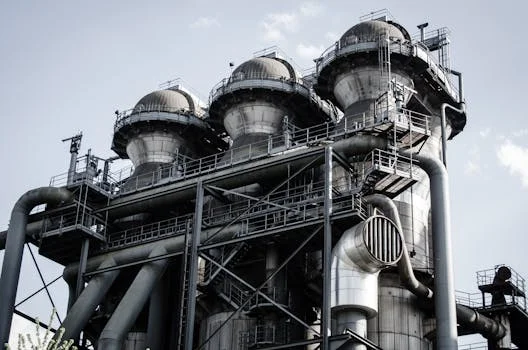
Engineering a treatment train for solar panel manufacturing wastewater requires a granular understanding of the influent profile. Crystalline silicon and thin-film technologies produce vastly different waste streams. Crystalline silicon wastewater typically features high concentrations of fluoride, suspended solids, and organic loads. Thin-film manufacturing introduces high-toxicity heavy metals, including cadmium, tellurium, copper, and selenium. Managing these metals requires heavy metal wastewater treatment for semiconductor and solar industries that utilizes multi-stage pH adjustment.
Solar wastewater pH can fluctuate violently between 2.0 and 12.0, necessitating robust neutralization tanks to prevent scaling in downstream RO membranes and biological fouling in MBR units.
| Contaminant | Influent Range (mg/L) | Target Effluent (mg/L) | Primary Treatment Technology |
|---|---|---|---|
| Fluoride (F-) | 50 – 300 | < 10 | Two-stage CaOH2/CaCl2 Precipitation |
| Suspended Solids (TSS) | 200 – 1,500 | < 20 | Dissolved Air Flotation (DAF) |
| COD (Organics) | 1,000 – 5,000 | < 100 | MBR / Biological Treatment |
| Cadmium (Cd) | 10 – 500 | < 0.1 | Sulfide Precipitation / ZLD |
| Copper (Cu) | 50 – 1,000 | < 0.5 | Chelating Ion Exchange / Chemical DAF |
The standard process flow for a solar cell wastewater treatment train begins with acid waste neutralization, followed by a DAF unit for solids removal. The clarified water then undergoes multi-stage chemical precipitation for metals and fluoride. For facilities with high organic loads, an MBR stage is integrated before final discharge or ZLD evaporation.
Treatment Technology Comparison: CAPEX, OPEX, and Removal Efficiency
Selecting the right equipment requires balancing initial investment against long-term operational viability. Chemical precipitation remains the baseline for fluoride and metal removal due to its relatively low CAPEX and manageable OPEX. It is most effective for low-flow streams or as a pre-treatment stage for more complex systems.
For high-solids streams, DAF systems for solar cell wastewater offer superior TSS removal. DAF systems typically command a CAPEX of $150K–$400K with an OPEX of $0.10–$0.20/m³. When organics are the primary concern, MBR systems for organics and heavy metal removal are required to achieve 99%+ COD removal.
| Technology | CAPEX Range | OPEX ($/m³) | Removal Efficiency (%) | Best Use Case |
|---|---|---|---|---|
| Chemical Precipitation | $200K – $500K | $0.08 – $0.15 | 90 – 95% (Metals/F-) | Small plants / Pre-treatment |
| DAF | $150K – $400K | $0.10 – $0.20 | 92 – 97% (TSS) | High-solids texturing waste |
| MBR Integrated | $500K – $1.2M | $0.18 – $0.30 | 99%+ (COD) | Organics / Surfactant removal |
| ZLD (Evap/Cryst) | $1.5M – $3M | $0.25 – $0.45 | 98% Water Recovery | Cd/Te thin-film compliance |
Zero Liquid Discharge represents the highest tier of treatment, essential for thin-film plants handling cadmium and tellurium. With a CAPEX ranging from $1.5M to $3M and OPEX reaching $0.45/m³, it is the most expensive option.
Solar Cell Wastewater Treatment Cost Breakdown: CAPEX, OPEX, and ROI Calculator
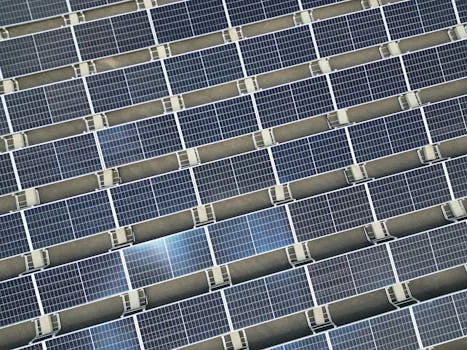
The total cost of ownership for a solar wastewater system is divided into four main CAPEX categories: equipment procurement, engineering and design, site installation, and environmental permitting. OPEX is driven primarily by chemical consumption, followed by energy, labor, and sludge disposal. Effectively managing these costs requires PLC-controlled chemical dosing for fluoride and metal precipitation, which prevents over-dosing and reduces reagent waste.
Sludge management is an often-overlooked cost driver. Untreated sludge disposal can cost $0.08/m³ of treated water. By implementing filter presses for reducing sludge disposal costs, manufacturers can achieve 90%+ dewatering efficiency, reducing disposal volumes and lowering associated costs.
| Plant Capacity (gpm) | Technology Mix | Annual Savings (vs. Fines) | Estimated Payback (Years) |
|---|---|---|---|
| 10 gpm | Chemical + Filter Press | $85,000 | 3.5 |
| 30 gpm | DAF + Chemical + MBR | $180,000 | 4.2 |
| 50 gpm | DAF + MBR + ZLD | $350,000 | 5.8 |
| 100 gpm | Full Hybrid + Solar Assist | $520,000 | 6.2 |
For a 30 gpm solar cell plant treating fluoride at 200 mg/L and copper at 100 ppm, a hybrid DAF and chemical precipitation system typically yields a 4.2-year payback period. This calculation accounts for the avoidance of regulatory fines and the reduction in fresh water intake costs through internal recycling loops.
Hybrid System Design: Combining Technologies for Cost-Optimized Treatment
A "one-size-fits-all" approach rarely works in solar manufacturing. Instead, hybrid system designs allow engineers to layer technologies to meet specific discharge limits at the lowest possible cost. For crystalline silicon plants, the most cost-effective design is a DAF unit for solids removal, followed by chemical precipitation for fluoride, and an MBR stage for surfactants.
Thin-film plants require a more robust architecture: Acid Waste Neutralization → DAF → ZLD. This setup ensures that toxic metals are concentrated and recovered rather than discharged. While the CAPEX is higher, the removal efficiency for cadmium and tellurium exceeds 99%.
Another critical optimization involves the use of a high-efficiency sedimentation tank or lamella clarifier. These units reduce the footprint of the treatment plant by 50% compared to conventional clarifiers and can cut chemical sludge volume by up to 40% through better settling dynamics.
Frequently Asked Questions
Q: What is the most cost-effective treatment for fluoride in solar cell wastewater?
A: Chemical precipitation using calcium chloride or lime is the most cost-effective primary treatment, achieving 95%+ removal at an OPEX of $0.08–$0.12/m³.
Q: How much does a ZLD system cost for a 50 gpm solar cell plant?
A: A ZLD system for this capacity typically requires a CAPEX of $2M–$3M. Operational costs range from $0.30–$0.45/m³, driven by the high energy requirements of thermal evaporation and crystallization.
Q: Can solar energy realistically offset wastewater treatment costs?
A: Yes. Wastewater treatment is energy-intensive, consuming 5,000–7,000 kWh per million gallons. A 600-kW solar array can offset roughly 3,000 kWh/day, which is sufficient to power the aeration and pumping needs of a 0.5 MGD plant, reducing energy-related OPEX by 25–35%.
Q: What are the current discharge limits for heavy metals in solar