In 2025, Pakistan’s sewage treatment equipment market demands NEQS-compliant systems capable of handling 1.2 million m³/day of wastewater in KPK alone, with discharge limits of BOD <30 mg/L and COD <100 mg/L (KPK EPA 2025). Suppliers offer MBBR, SBR, and MBR systems with flow rates from 1–200 m³/h and removal efficiencies up to 98% TSS, but local challenges—power fluctuations, space constraints, and influent variability—require tailored solutions. This guide provides engineering specs, cost breakdowns (PKR 2.5M–20M for 50–500 m³/day systems), and a decision framework to select suppliers based on compliance, scalability, and after-sales support.
Why Pakistan’s Sewage Treatment Market Demands Localized Engineering Solutions
Pakistan’s urban and industrial centers, particularly in KPK, generate approximately 1.2 million cubic meters of wastewater daily from key hotspots like Peshawar, Mardan, and Abbottabad (Pakistan Bureau of Statistics 2024). This substantial volume, often characterized by high influent variability—ranging from textile dyes with elevated COD in industrial zones to hospital pathogens requiring stringent disinfection—necessitates sewage treatment equipment specifically engineered for local conditions. For instance, textile factories often discharge effluent with COD levels exceeding 1000 mg/L, while hospital wastewater can contain resistant bacteria and pharmaceutical residues, demanding robust compact medical wastewater treatment systems for clinics and hospitals.
The National Environmental Quality Standards (NEQS) for Pakistan, enforced by provincial EPAs like the KPK EPA, mandate strict discharge limits for 2025: Biological Oxygen Demand (BOD) must be less than 30 mg/L, Chemical Oxygen Demand (COD) under 100 mg/L, and Total Suspended Solids (TSS) below 10 mg/L for municipal discharge. These standards are comparable to, and in some aspects more stringent than, international benchmarks, highlighting the need for highly efficient systems.
| Parameter | NEQS Pakistan (2025) | WHO Guidelines (Discharge) | EU Urban Wastewater Directive |
|---|---|---|---|
| BOD₅ | <30 mg/L | <25 mg/L | <25 mg/L |
| COD | <100 mg/L | <125 mg/L | <125 mg/L |
| TSS | <10 mg/L | <35 mg/L | <35 mg/L |
| pH | 6.5–8.5 | 6.0–9.0 | 6.0–9.0 |
Operational reliability is severely impacted by Pakistan’s power infrastructure, which experiences an average of 3–5 outages per day (World Bank 2023). This necessitates robust power fluctuation mitigation strategies, including appropriately sized generators (e.g., 1.5 times the system's peak load for 8-hour backup autonomy) and battery backup systems for critical components like control panels and aeration blowers. Space constraints in densely populated urban areas like Lahore and Karachi further demand compact sewage treatment units. For example, a typical MBBR system might require 0.5 m²/m³ of treated water, while an MBR system can achieve a significantly smaller footprint of 0.3 m²/m³, compared to SBR systems at 0.7 m²/m³.
A real-world scenario underscores these challenges: a Peshawar textile factory faced a PKR 1.8 million fine in 2024 for consistent non-compliance with NEQS (KPK EPA report). The factory’s influent, laden with high COD from reactive dyes, overwhelmed its conventional treatment system. The resolution involved implementing a tailored MBBR system combined with a pre-treatment stage using advanced oxidation processes (AOP), demonstrating how localized engineering solutions are critical for achieving compliance and avoiding substantial penalties.
MBBR vs SBR vs MBR: Engineering Specs for Pakistan’s Wastewater Challenges
Selecting the appropriate sewage treatment technology in Pakistan hinges on balancing NEQS compliance, operational costs, and local constraints like power reliability and space. Each system—Moving Bed Biofilm Reactor (MBBR), Sequencing Batch Reactor (SBR), and Membrane Bioreactor (MBR)—offers distinct advantages and limitations for different influent characteristics and project scales.
MBBR Process Flow: In an MBBR, wastewater flows through a tank filled with thousands of small plastic carriers that provide a large surface area for biofilm growth. Following primary clarification, influent (e.g., municipal sewage, or pre-treated textile effluent) enters an anoxic zone for denitrification, then moves to an aerobic zone where blowers supply oxygen for biological degradation. The carriers remain in the reactor, while treated water flows through a fine screen or clarifier. This continuous process is resilient to shock loads, making it suitable for varying industrial influent like those from food processing or smaller municipal facilities.
SBR Process Flow: SBR systems operate in a batch mode within a single tank, cycling through fill, react (aeration/anoxic), settle, and draw phases. For instance, hospital wastewater with fluctuating flow and pathogen loads can be effectively treated. During the react phase, microorganisms break down pollutants. The settle phase allows solids to separate, and clear treated effluent is then decanted. SBRs are highly flexible and adaptable to varying influent volumes, though they require precise control and sequencing.
MBR Process Flow: MBR systems integrate biological treatment with membrane filtration, eliminating the need for a secondary clarifier and tertiary filtration. After preliminary treatment (screening, grit removal), wastewater enters an aeration tank where biological degradation occurs. Submerged or external membranes (microfiltration or ultrafiltration) then separate the treated water from the mixed liquor. This produces exceptionally high-quality effluent, crucial for sensitive discharge points or reuse applications. For MBR systems for NEQS-compliant sewage treatment in Pakistan, the compact footprint is a major advantage in urban settings.
| Parameter | MBBR System | SBR System | MBR System |
|---|---|---|---|
| Flow Rates | 1–150 m³/h | 5–200 m³/h | 1–100 m³/h |
| Footprint (m²/m³) | 0.5–0.7 | 0.7–1.0 | 0.3–0.5 |
| Energy Use (kWh/m³) | 0.5–0.9 | 0.6–1.0 | 0.8–1.2 |
| TSS Removal (%) | 90–95 | 92–96 | 98–99+ |
| COD Removal (%) | 85–90 | 88–92 | 95–98+ |
| O&M Costs (PKR/m³) | 15–25 | 18–30 | 25–40 |
| Effluent Quality | Good | Very Good | Excellent (Reuse Grade) |
| CAPEX (Relative) | Medium | Medium | High |
Influent variability tolerance is a critical factor. MBBR systems generally handle COD ranges of 50–500 mg/L, showing good resilience to fluctuations. MBR systems, while producing superior effluent, typically require influent COD below 300 mg/L to prevent membrane fouling. For high-strength wastewater, such as that containing fats, oils, and grease (FOG) from food processing, pre-treatment with DAF systems for pre-treating high-strength industrial wastewater or equalization tanks for flow spikes is essential before biological treatment.
Power fluctuation mitigation varies by system. MBBR and SBR systems can often restart relatively quickly after outages, though prolonged power loss affects biomass. MBR systems, due to their reliance on membrane integrity and stable pressure, require 30–60 minutes of stable power for a safe shutdown and restart sequence. Generator sizing guidelines suggest providing at least 1.5 times the system's peak electrical load to ensure stable operation during grid outages, with a minimum of 8 hours of fuel autonomy. For projects facing severe space constraints, the MBR system's compact footprint (0.3 m²/m³) offers a significant advantage, albeit with higher CAPEX. SBRs are modular and can be expanded, but typically require larger tank volumes. Both can be installed underground to conserve space, though this increases civil works costs and accessibility challenges, as detailed in guides on compact sewage treatment units for urban Pakistan projects.
NEQS Compliance Checklist: How to Ensure Your System Meets Pakistan’s 2025 Standards
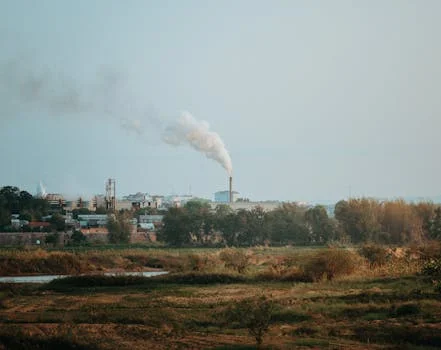
Achieving and maintaining NEQS compliance for sewage treatment equipment in Pakistan by 2025 requires a systematic approach, encompassing pre-installation documentation, rigorous system design, continuous monitoring, and post-installation performance verification. Non-compliance carries severe penalties, emphasizing the need for a detailed checklist.
Pre-installation Compliance: Before any equipment arrives on site, procurement managers must ensure all necessary documentation is in place. This includes obtaining KPK EPA approval for the project, detailed engineering drawings stamped by a licensed professional, and historical NEQS test reports from the supplier's previous installations. A sample lab report format for BOD, COD, and TSS should clearly show influent and effluent concentrations, demonstrating the system's removal efficiency. Suppliers must provide a comprehensive design report detailing how the proposed system will achieve NEQS limits for the specific influent characteristics.
System Design Requirements: The hydraulic retention time (HRT) is a critical design parameter that must be accurately calculated to ensure sufficient contact time for biological processes, especially considering Pakistan’s influent variability. For MBBR systems, HRT typically ranges from 4–8 hours; SBR systems require 6–12 hours; and MBR systems, due to their higher biological activity and efficient solids separation, can operate with HRTs of 2–4 hours. These calculations must account for peak flow rates and expected organic loads. For instance, a textile factory's high-COD influent will demand a longer HRT or more intensive aeration than typical municipal sewage.
Monitoring Equipment: To ensure ongoing compliance, a robust suite of monitoring equipment is essential. This includes online sensors for pH, Dissolved Oxygen (DO), Total Suspended Solids (TSS), and flow meters at the influent and effluent points. These sensors require regular calibration, typically weekly for DO probes and monthly for pH and TSS sensors, to ensure accuracy. For disinfection, especially in hospital settings, continuous monitoring of disinfectant residual (e.g., free chlorine or Chlorine dioxide generators for hospital and municipal wastewater disinfection) is mandatory.
Post-installation Testing: After commissioning, a mandatory 30-day performance test protocol must be implemented. This involves collecting daily composite samples for BOD, COD, and TSS from the effluent. An independent, EPA-approved laboratory should conduct the analyses. The system is considered compliant if the effluent parameters consistently meet NEQS limits, allowing for a maximum acceptable variance. For example, a ±5% variance for TSS within the NEQS limit might be acceptable, but consistency is key.
| Parameter | NEQS Limit (mg/L) | Acceptable Variance (±%) |
|---|---|---|
| BOD₅ | <30 | 5% |
| COD | <100 | 5% |
| TSS | <10 | 5% |
| pH | 6.5–8.5 | 0.2 units |
Common Compliance Failures: High COD from textile dyes is a frequent cause of non-compliance, often requiring advanced pre-treatment methods like Advanced Oxidation Processes (AOP) or electrocoagulation before biological treatment. Similarly, high TSS or the presence of resistant pathogens in hospital wastewater necessitates robust tertiary treatment, such as MBR systems or sand filters, to meet stringent discharge standards, as discussed in detail in hospital wastewater treatment compliance and cost benchmarks.
Cost Breakdown: PKR 2.5M to 20M for 50–500 m³/day Systems (2025 Data)
The total investment for a sewage treatment plant in Pakistan, ranging from PKR 2.5 million to 20 million for systems treating 50–500 m³/day, comprises both Capital Expenditure (CAPEX) and Operational Expenditure (OPEX). Understanding this breakdown is crucial for accurate budgeting and long-term financial planning.
CAPEX Breakdown: The initial capital cost is typically distributed across several components. Equipment procurement accounts for the largest share (approximately 60%), covering reactors, membranes, blowers, pumps, and control systems. Civil works, including excavation, foundation, and tank construction, represent about 20% of the CAPEX. Installation of the equipment adds another 10%, while commissioning and initial startup procedures make up the remaining 10%. Variations exist based on technology choice and scale.
| System Type | 50 m³/day (PKR) | 200 m³/day (PKR) | 500 m³/day (PKR) |
|---|---|---|---|
| MBBR System | 3M–5M | 7M–10M | 15M–20M |
| SBR System | 3.5M–6M | 8M–12M | 16M–22M |
| MBR System | 5M–8M | 10M–15M | 20M–30M |
OPEX Breakdown: Operational costs are ongoing and significantly influenced by local conditions. Energy consumption is the largest component (around 40%), driven by aeration blowers and pumps. Power fluctuations in Pakistan directly increase energy costs due to inefficient operation during voltage dips and the reliance on more expensive generator fuel during outages. Chemical costs (20%) for pH adjustment, disinfection, and nutrient dosing are also significant. Labor (15%) for routine operation and monitoring, maintenance (15%) for equipment upkeep, and sludge disposal (10%) complete the major OPEX categories.
ROI Calculator: Investing in an NEQS-compliant system offers a tangible return on investment, primarily through avoided fines and potential water reuse savings. For an MBBR system, the payback period typically ranges from 3–5 years, while for an MBR system, it is 5–7 years due to higher initial CAPEX. Consider a 200 m³/day textile factory facing potential fines of PKR 1.8M annually for non-compliance. By installing an NEQS-compliant system, the factory could realize annual savings of at least PKR 1.2M from avoided fines alone, leading to a quicker payback period on the initial investment.
Hidden Costs: Beyond the obvious, several hidden costs can impact the total expenditure. Sludge disposal costs in Pakistan typically range from PKR 500–1,500 per ton, varying by region and waste type. For MBR systems, membrane replacement can be a substantial recurring cost, averaging PKR 200,000–500,000 annually, depending on membrane type and operational conditions. Generator maintenance and fuel for power backup systems can add PKR 100,000 annually or more, especially with frequent outages.
Financing Options: To mitigate initial financial burdens, several financing options are available. Government grants, such as those under the Pakistan Clean Green Index initiatives, may provide partial funding for environmentally sustainable projects. Some suppliers also offer financing arrangements, such as a 20% down payment with a 3-year repayment plan, to facilitate project implementation.
Top 5 Sewage Treatment Equipment Suppliers in Pakistan: Head-to-Head Comparison

Selecting a reliable sewage treatment equipment supplier in Pakistan requires a thorough evaluation of technical capabilities, NEQS compliance track record, and after-sales support. This comparison focuses on prominent players and local vendors to aid procurement managers in their decision-making process.
| Supplier | System Types Offered | Flow Rates (m³/h) | NEQS Compliance | After-Sales Support | Cost Range (PKR) |
|---|---|---|---|---|---|
| WCSP | MBBR, SBR, AOP, Electrocoagulation | 5–150 | Yes (Proven) | Installation, Training, 24/7 Helpline | Medium-High |
| QECPAK | MBBR, SBR, Custom Fabrication | 10–200 | Yes (Custom) | Design, Fabrication, Erection, Maintenance | Medium |
| HydropureWater | MBBR, SBR, MBR | 1–100 | Yes (Documented) | 24/7 Helpline, Spare Parts, O&M Contracts | High |
| Local Vendor A | MBBR, Conventional Activated Sludge | 5–50 | Often Yes (Basic) | Limited (Phone Support, Local Techs) | Low-Medium |
| Local Vendor B | SBR, Compact Units | 1–30 | Often Yes (Basic) | Variable (Project-based) | Low |
WCSP: This supplier is known for its strengths in advanced technologies like AOP and electrocoagulation, which are crucial for treating complex industrial effluents. They provide comprehensive services including full installation, training, and support, ensuring robust NEQS compliance. A potential weakness is a comparatively limited offering in high-capacity MBR systems.
QECPAK: QECPAK excels in custom fabrication and engineering, making them a strong choice for projects with unique spatial or influent challenges. Their expertise covers design, fabrication, erection, and maintenance of wastewater treatment systems. However, custom solutions can sometimes lead to longer lead times, typically 3–6 months, compared to off-the-shelf units.
HydropureWater: HydropureWater demonstrates strong capabilities in providing detailed NEQS compliance documentation and robust after-sales support, including 24/7 helplines and readily available spare parts. Their systems, including MBR system engineering specs and cost data for Pakistan, are known for reliability, but this often translates to a higher initial CAPEX.
Local Vendors (e.g., Local Vendor A, Local Vendor B): These suppliers often offer quicker delivery times (1–2 months) and more competitive pricing, making them attractive for smaller projects or those with tight budgets. Their primary strength lies in local presence and potentially faster on-site responses. However, their technical support might be more limited, and their capacity for complex engineering solutions or comprehensive NEQS test reports can be a weakness.
Red Flags to Watch For: When evaluating suppliers, be wary of those who cannot provide verifiable NEQS test reports from independent labs, offer vague warranty terms (e.g., "1 year" without clear exclusions or service guarantees), or lack established local service centers. A reliable supplier should offer transparent terms, proven performance, and accessible local support for maintenance and spare parts.
Step-by-Step Decision Framework: How to Select the Right Supplier for Your Project
A structured decision framework ensures that procurement managers select a sewage treatment equipment supplier that aligns with project specifications, NEQS compliance requirements, and long-term operational needs in Pakistan.
Step 1: Define Project Scope. Clearly articulate the project's requirements. This includes the exact wastewater flow rate, the type and variability of influent (e.g., municipal, textile, hospital), and any specific space constraints (e.g., available footprint, height limitations). Understanding these parameters will narrow down suitable system types and supplier capabilities.
| Project Type | Typical Flow Rate (m³/day) |
|---|---|
| Small Hotel/Clinic | 50 |
| Medium Residential Colony | 100 |
| Textile Factory | 200 |
| Large Hospital/Mall | 300 |
| Municipal (Small City Segment) | 500+ |
Step 2: Shortlist Suppliers. Based on your defined project scope and the supplier comparison matrix provided earlier, create a shortlist of 3-5 potential vendors. Prioritize those with proven experience in your specific industry sector and a strong track record of NEQS compliance.
Step 3: Request Proposals with Non-Negotiables. Send out detailed Request for Proposals (RFPs) to your shortlisted suppliers. Insist on these five non-negotiable items in their submissions:
- Verifiable NEQS test reports from previous installations by an independent, EPA-approved lab.
- A 30-day performance guarantee post-commissioning, with clear parameters for success.
- Proof of a local service center and dedicated technical staff in Pakistan.
- A comprehensive spare parts inventory and supply chain plan.
- A detailed power fluctuation mitigation plan, including generator sizing and automation strategies.
Step 4: Evaluate Proposals Using a Scoring System. Objectively score each proposal based on predefined criteria. A recommended scoring system is: Compliance (30%), Cost (25%), After-sales Support (20%), Lead Time (15%), and Warranty Terms (10%). This balanced approach prevents cost from being the sole decision factor, emphasizing long-term reliability and regulatory adherence.
Step 5: Conduct Site Visits and Reference Checks. Before final selection, perform site visits to the supplier’s local office, manufacturing facility (if applicable), and crucially, to at least two of their previously installed systems in Pakistan. Verify their test lab capabilities and speak directly with client references to assess real-world system performance, after-sales responsiveness, and overall satisfaction.
Frequently Asked Questions
What are the primary NEQS discharge limits for sewage treatment plants in Pakistan?
The primary NEQS discharge limits for 2025 mandate BOD <30 mg/L, COD <100 mg/L, and TSS <10 mg/L for municipal and industrial wastewater. These standards are enforced by provincial EPAs like the KPK EPA, with penalties for non-compliance.
How do power fluctuations impact wastewater treatment systems in Pakistan?
Power fluctuations, averaging 3–5 outages daily, disrupt aeration and pumping, leading to biomass instability and reduced treatment efficiency. Mitigation requires robust generator sizing (1.5x peak load) and battery backups for critical controls to ensure continuous operation.
What is the typical cost range for a 200 m³/day sewage treatment plant in Pakistan?
For a 200 m³/day system, the CAPEX generally ranges from PKR 7 million to 15 million, depending on the technology (MBBR, SBR, MBR). OPEX adds PKR 15–40 per m³ for energy, chemicals, labor, and maintenance, significantly influenced by power reliability.
Which sewage treatment technology is best for limited space in urban Pakistan?
MBR (Membrane Bioreactor) systems offer the smallest footprint (0.3–0.5 m²/m³), making them ideal for urban areas with space constraints like Lahore or Karachi. While they have higher CAPEX, their superior effluent quality and compact design justify the investment for many projects.
What documentation is required for NEQS compliance before system installation?
Pre-installation NEQS compliance requires KPK EPA project approval, stamped engineering drawings, and verifiable historical NEQS test reports from the supplier. A comprehensive design report detailing how the system meets specific discharge limits is also essential.