Why Trash Rake Screens Are Critical in Wastewater Pretreatment
Debris bypass and inadequate screening cause 30–40% of unplanned downtime in industrial and municipal wastewater treatment plants (EPA 2023). Coarse solids such as rags, plastics, and timber bypassing the headworks migrate downstream, leading to catastrophic failure of sensitive equipment. A 2024 case study involving a semiconductor fabrication facility in Singapore found that insufficient primary screening resulted in a 15–25% increase in energy consumption for primary pumps as they struggled against partial clogs, ultimately reducing impeller lifespans by 50% due to cavitation and abrasive wear.
The financial stakes extend beyond equipment repair. Under the EPA Clean Water Act (40 CFR Part 122), facilities can face regulatory penalties of up to $25,000 per day for effluent violations caused by debris interference in biological treatment stages. Effective trash rake screens mitigate these risks by intercepting solids before they enter the main process stream. Debris composition varies significantly by industry: municipal plants primarily manage "flushable" wipes and rags; food processing facilities handle organic solids and packaging; pulp and paper mills deal with high-volume fiber bundles; and semiconductor plants must manage specialized debris such as TMAH-contaminated wipes that require stringent containment.
By implementing high-torque, automated raking systems, plant managers can ensure consistent hydraulic throughput and protect downstream automated chemical dosing for pH adjustment and debris conditioning. Without this mechanical first line of defense, the accumulation of "ragging" in aeration tanks and digesters can necessitate manual cleanouts, costing facilities thousands in labor and operational delays.
Trash Rake Screen Mechanics: Step-by-Step Process Flow
The mechanical operation of a trash rake screen is defined by a four-phase cycle designed to maintain constant hydraulic conductivity across a bar rack. Industrial systems typically handle flow rates up to 50,000 m³/h, utilizing heavy-duty components to manage debris loads that would overwhelm standard GX Series rotary mechanical bar screens for continuous debris removal.
Phase 1: Debris Capture
The process begins at the bar screen, a series of parallel metal bars (304/316 stainless steel or epoxy-coated carbon steel) set at an angle of 75° to 90° or positioned vertically. Bar spacing is typically set between 20 mm and 100 mm depending on the influent profile. As wastewater flows through the rack, solids larger than the clear opening are trapped on the upstream face, creating a "head loss" or water level differential that triggers the cleaning cycle via ultrasonic level sensors.
Phase 2: Rake Engagement
Once triggered, the motorized rake assembly descends. Modern systems utilize either high-torque electric motors or hydraulic power units. Engineering specifications for these motors range from 1,000 to 5,000 Nm of torque to ensure the rake can dislodge heavy or wedged debris. The rake travels at a controlled speed of 0.5–1.5 m/min. In "back-cleaned" designs, the rake arm descends on the downstream side to avoid pushing debris further into the bars, then pivots to engage the screen at the base.
Phase 3: Debris Removal
The rake teeth, designed with a hook or comb profile, intermesh with the bar screen to scrape the entire surface. The captured material is lifted vertically to a discharge point above the maximum water level. Standard industrial rake arms are sized between 1.5 m and 3 m, though custom lengths are used for deep-channel headworks. The debris is then deposited into a hopper, conveyor belt, or flume for transport to a dewatering press.
Phase 4: Self-Cleaning
To prevent "carryover" (debris sticking to the rake teeth), a secondary cleaning mechanism is employed. This often involves a mechanical wiper blade or a high-pressure spray nozzle system. In high-load environments, backwash cycles are programmed to run for approximately 30 seconds every 10 minutes to ensure the rake teeth remain clear for the next pass.
Engineering Diagram Description: Visualize a side-profile cross-section of a 2.5m deep channel. The bar screen is inclined at 80°, constructed of 10mm thick 316SS bars with 40mm spacing. A motorized carriage sits atop the channel, housing a 3.0 kW motor (3,500 Nm torque). The rake arm, extending 2.8m, is shown at the "base engagement" point, with teeth fully inserted into the bar gaps. A discharge hopper is positioned 1.2m above the deck level to receive debris.
Fixed vs. Mobile Trash Rakes: Performance, Cost, and Use-Case Matching
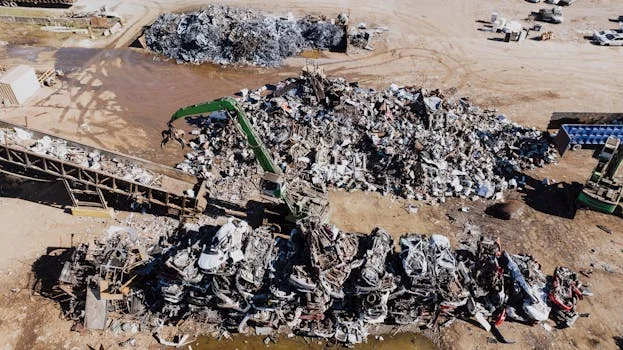
Selecting between a fixed-head rake and a mobile trolley-based system depends on the number of intake channels and the frequency of debris arrival. Fixed rakes are permanently mounted to the civil works of a single channel, providing continuous cleaning capability. Mobile rakes, conversely, travel on rails to service multiple bar screens, making them a cost-effective solution for large-scale intakes with intermittent debris loads. The choice between these systems affects the overall efficiency and cost of the wastewater treatment process.
| Parameter | Fixed-Head Trash Rake | Mobile (Trolley) Trash Rake |
|---|---|---|
| Flow Capacity | Up to 50,000 m³/h per unit | Variable (limited by travel time) |
| Raking Frequency | Continuous or level-triggered | Sequential (one screen at a time) |
| CAPEX | $50,000 – $200,000 | $80,000 – $300,000 (includes rails) |
| OPEX (Energy/Maint) | Lower (fewer moving parts) | Higher (drive motors, rail wear) |
| Ideal Use Case | High-volume municipal/industrial | Seasonal debris, multi-channel plants |
| Regulatory Fit | EPA 40 CFR Part 503 (Class A) | Requires hazardous containment rails |
Fixed rakes are preferred for critical industrial headworks where a sudden influx of debris (e.g., during a storm event or process upset) could blind the screen in minutes. Mobile rakes are often found in power plant cooling water intakes or large-scale food processing facilities where debris is seasonal. Mobile systems require additional safety containment if handling hazardous materials, such as semiconductor wipes, to prevent cross-contamination during transit between channels.
Efficiency Benchmarks: TSS Removal, Debris Capture Rates, and Influent vs. Effluent Data
The efficiency of a trash rake screen is measured by its ability to capture specific particle sizes while maintaining low head loss. According to EPA 2024 benchmarks, a well-maintained mechanical rake achieves 92–97% Total Suspended Solids (TSS) removal for influent containing 50–500 mg/L of coarse solids. While trash rakes are not designed for fine suspended solids—which are better handled by dissolved air flotation systems for post-screening solids removal—their role in removing the bulk mass is vital for downstream stability.
| Industry Type | Capture Rate (>20mm) | Capture Rate (10-20mm) | TSS Removal Benchmark |
|---|---|---|---|
| Municipal | 98% | 85% | 95% |
| Food Processing | 94% | 78% | 90% |
| Pulp & Paper | 92% | 70% | 85% |
| Semiconductor | 99% | 92% | 98% |
Performance data from Beaudrey lab tests (2023) indicates that efficiency is highly sensitive to flow velocity. When a system operates at >80% of its maximum hydraulic capacity (e.g., 40,000 m³/h through a 50,000 m³/h rated screen), capture efficiency for 10-20 mm particles drops by 10–15% due to "vortex bypass," where debris is pulled through the bars by high-velocity water. Engineers should utilize ASTM D5907 testing protocols to verify TSS removal and EPA Method 160.2 for analyzing debris size distribution during commissioning.
How to Select the Right Trash Rake Screen: A 5-Step Decision Framework

To avoid over-specifying equipment or installing a system that fails under peak loads, procurement specialists should follow a structured engineering evaluation.
- Characterize Influent: Determine the peak debris volume (m³/h) and type. Fibrous organic debris requires different rake teeth profiles than rigid plastics or timber.
- Match Rake Type to Plant Scale: Use fixed rakes for continuous flows >10,000 m³/h. Mobile rakes are more efficient for facilities with multiple parallel channels that only require intermittent cleaning.
- Evaluate Material Compatibility: Standard municipal wastewater is often handled by epoxy-coated carbon steel. However, corrosive industrial streams (chemical processing, semiconductor) require 316L stainless steel to prevent pitting and structural failure.
- Assess Automation and Control: Ensure the system is SCADA-compatible. Look for features like "automatic jam reversal" and ultrasonic level differential logic.
- Calculate ROI: Justify the CAPEX by factoring in downtime savings ($1,500/hour in semiconductor fabs), energy savings (15–25% via improved pump efficiency), and the avoidance of regulatory fines.
Vendor Discussion Checklist:
- What is the maximum torque rating of the rake motor?
- Are the rake teeth replaceable, or is the entire arm a single weldment?
- What is the recommended bar spacing for my specific debris profile?
- Does the PLC support remote monitoring and alarm integration?
- What is the expected lifespan of the underwater bearings?
- Can the system handle a 20% surge in hydraulic flow without bypass?
- What is the lead time for critical wear parts like wiper blades?
- Are the bars individually replaceable if bent by heavy debris?
- What coating thickness is provided for carbon steel components?
- Does the system include a soft-start motor controller to prevent torque spikes?
Common Trash Rake Screen Failures and How to Prevent Them
Operational reliability is the primary concern for plant engineers. Most failures in trash rake systems are predictable and preventable through routine monitoring and correct specification of wear parts.
Rake Jamming: This occurs when oversized debris (e.g., a large timber or heavy metal object) becomes wedged between bars. Symptoms include a motor overload alarm or a tripped breaker. Fix: Implement a PLC logic that includes a "reversal cycle" to attempt to dislodge the object. If failure persists, adjust bar spacing or install a manual coarse bypass rack for storm events.
Wear Patterns: In abrasive environments, rake teeth wear down, leading to debris carryover. Fix: Rake teeth should be inspected annually and typically replaced every 2–3 years. Bar corrosion in corrosive wastewater can lead to structural failure; these should be replaced every 5–7 years if using 304SS, or longer if using 316SS or specialized coatings.
Debris Carryover: If debris is appearing in the effluent despite the screen operating, the cause is usually insufficient rake speed or a failing wiper mechanism. Fix: Increase rake speed (within the 1.5 m/min limit) and check the tension on the cleaning brush or wiper blade.
Predictive Maintenance Protocols: