Integrated Circuit Wastewater Engineering Solution: 2025 Process Design, Cost Data & Zero-Liquid-Discharge Blueprint
Integrated circuit (IC) wastewater requires specialized engineering solutions to treat contaminants like TMAH (tetramethylammonium hydroxide), fluoride, ammonia, and CMP (chemical-mechanical planarization) slurry. In 2025, semiconductor fabs face stricter discharge limits (e.g., China's GB 31573-2022: TMAH <0.5 mg/L, fluoride <10 mg/L) and water scarcity pressures, driving adoption of zero-liquid-discharge (ZLD) systems with 90-95% recovery rates. This blueprint provides contaminant-specific process flows, CAPEX benchmarks ($2.5M–$15M for 150–500 m³/h systems), and a decision framework for selecting between ZLD and water reuse strategies based on fab location, water costs, and regulatory requirements.
Consider a typical scenario in a modern 300mm wafer fab: an environmental manager discovers that despite a standard biological treatment plant, TMAH levels in the final effluent are fluctuating between 2 mg/L and 5 mg/L. Under 2025 standards, these levels trigger immediate violations and potential production halts. The complexity of IC manufacturing means that a single facility may use over 50 chemical reagents, with approximately 85% of these chemicals eventually entering the wastewater stream (HydropureWater field data, 2025). Solving this requires moving beyond "one-size-fits-all" treatment toward a modular, contaminant-specific engineering approach.
Why IC Wastewater Demands Specialized Engineering Solutions
Semiconductor fabrication processes consume massive volumes of ultrapure water (UPW) and generate complex waste streams containing persistent organic pollutants and high-concentration inorganic salts. A single large-scale fab can consume up to 20,000 m³ of water per day, with the resulting wastewater containing a mix of tetramethylammonium hydroxide (TMAH), hydrofluoric acid (HF), ammonium hydroxide (NH₄OH), and abrasive silica or alumina particles from CMP processes. According to industry reports, 85% of the chemicals used in IC fabrication do not remain on the wafer but are washed into the drainage system, creating a high-COD and high-toxicity influent profile.
The primary contaminants and their sources include:
- TMAH: Used extensively in photoresist stripping and developer steps; it is highly toxic to aquatic life and resistant to standard aerobic digestion.
- Fluoride: Originates from wafer etching and cleaning with HF; requires specialized precipitation to meet the sub-10 mg/L limits.
- Ammonia: Derived from cleaning solutions (SC-1, SC-2); contributes to nitrogen loading and potential eutrophication.
- CMP Slurry: Contains nano-sized silica or alumina particles that cause high turbidity and can foul downstream membrane systems.
Regulatory drivers in 2025 have reached a tipping point. China's GB 31573-2022 standard has enforced TMAH limits as low as 0.5 mg/L, while the US EPA and EU Industrial Emissions Directive (2010/75/EU) have tightened requirements for heavy metals and nitrogen species. water scarcity in global semiconductor hubs like Taiwan and Arizona has led to a 30–50% increase in industrial water costs over the last three years. This economic pressure, combined with the risk of regulatory fines—which can reach $150,000 per year for repeated TMAH violations in Taiwan—is making high-recovery water reuse and ZLD systems the new engineering baseline.
Contaminant-Specific Process Flows for IC Wastewater Treatment
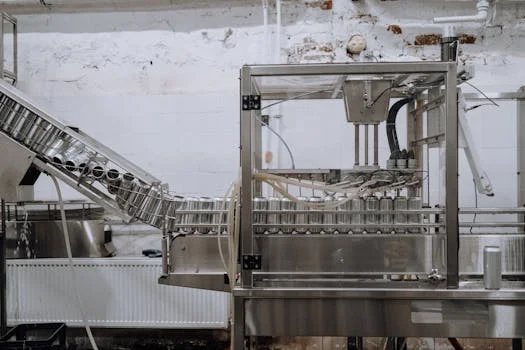
Effective IC wastewater engineering relies on segregating waste streams at the source to apply targeted treatment technologies before they are diluted in a general collection tank. For TMAH treatment, a two-stage process involving advanced chemical oxidation (such as Fenton’s reagent or ozone) followed by a specialized MBR system for biological treatment of TMAH and ammonia is required. This hybrid approach achieves 99.8% removal efficiency even with influent concentrations ranging from 50 to 500 mg/L. For successful degradation, the biological stage typically requires a Mixed Liquor Suspended Solids (MLSS) concentration of 8,000–12,000 mg/L and a Hydraulic Retention Time (HRT) of 18–24 hours.
Fluoride removal is managed through chemical precipitation using calcium salts like CaCl₂ or Ca(OH)₂. To reach 2025 compliance levels of <10 mg/L, a two-stage precipitation process is often necessary, utilizing a primary reaction tank for bulk removal followed by a polishing stage with specialized ion exchange resins or activated alumina. Stoichiometric dosing must be carefully controlled to manage sludge generation rates, which typically range from 2.5 to 4.0 kg of dry sludge per kg of fluoride removed. For CMP slurry, the engineering solution involves coagulation-flocculation with polymer dosing (2–5 mg/L) followed by DAF systems for CMP slurry and suspended solids removal, achieving 95% Total Suspended Solids (TSS) removal for nano-silica particles.
| Contaminant | Primary Technology | Influent Range (mg/L) | Removal Efficiency | Target Effluent (2025) |
|---|---|---|---|---|
| TMAH | Oxidation + MBR | 50 - 500 | 99.8% | < 0.5 mg/L |
| Fluoride | Ca-Precipitation | 100 - 1,000 | 92 - 97% | < 10 mg/L |
| Ammonia | Air Stripping / Nitrification | 20 - 200 | 95 - 98% | < 15 mg/L |
| CMP Slurry | Coagulation + DAF | 500 - 2,000 (TSS) | 95% | < 30 mg/L |
A comprehensive 200 m³/h integrated system design typically follows a linear flow: Pretreatment (DAF for CMP) → Primary Treatment (Fluoride Precipitation) → Secondary Treatment (Advanced Oxidation + MBR) → Polishing (Ion Exchange/Activated Carbon). This ensure that toxic organics like TMAH are fully degraded before the water reaches sensitive recycling membranes. For more details on specific implementation, refer to this detailed TMAH treatment process design.
Zero-Liquid-Discharge vs. Water Reuse: System Designs and Recovery Rates
Zero-Liquid-Discharge (ZLD) systems represent the peak of wastewater engineering, aiming for 90–95% water recovery by converting liquid waste into high-purity recycled water and solid salt crystals. A standard ZLD design for a wafer fab utilizes Forward Osmosis (FO) or High-Efficiency Reverse Osmosis (HERO) followed by Nanofiltration (NF) and a mechanical vapor recompression (MVR) crystallizer. While ZLD eliminates discharge risks, it is energy-intensive, requiring 5–8 kWh/m³ of treated water. Membrane flux must be strictly maintained at 10–12 LMH to prevent scaling from the high-mineral-load concentrate.
In contrast, standard water reuse systems focus on recovering 70–85% of the water through a combination of MBR and RO systems for water reuse and ZLD applications. These systems are more cost-effective in terms of energy, consuming only 2–4 kWh/m³, but they generate a 15–30% liquid concentrate stream that must still be treated or discharged. The choice between these two often hinges on byproduct management: ZLD produces 5–10% solid waste (salts and sludge) which can sometimes be repurposed, whereas reuse systems require a permit for high-TDS liquid discharge.
| Parameter | Water Reuse (MBR+RO) | Zero-Liquid-Discharge (ZLD) |
|---|---|---|
| Recovery Rate | 70% - 85% | 90% - 95% |
| Energy Consumption | 2 - 4 kWh/m³ | 5 - 8 kWh/m³ |
| Byproduct Form | Liquid Concentrate (15-30%) | Solid Salts/Sludge (5-10%) |
| Typical CAPEX (150 m³/h) | $1.8M - $3.0M | $3.2M - $4.5M |
A ZLD system design and cost breakdown from a 150 m³/h project in Taiwan shows that while the initial investment is higher, the system achieved a 92% recovery rate, significantly insulating the fab against local water rationing. The byproduct management strategy in that case involved repurposing the calcium fluoride sludge for use in the cement industry, further reducing disposal costs by 20%.
2025 CAPEX and OPEX Benchmarks for IC Wastewater Systems
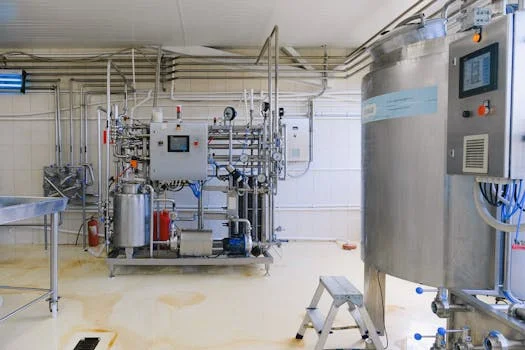
Budgeting for IC wastewater treatment requires a clear understanding of the 2025 cost landscape. For a system with a capacity of 150 m³/h, CAPEX generally ranges from $1.8M to $3M for water reuse and $2.5M to $4M for full ZLD. These figures include core equipment, civil works, and installation. The primary cost drivers for equipment are the high-grade stainless steel or plastic-lined tanks required to handle corrosive IC chemicals and the high-performance membranes needed for RO and NF stages.
OPEX is dominated by three factors: membrane replacement (30–40%), energy consumption (25–35%), and chemical/sludge handling (10–20%). In 2025, the average OPEX for ZLD systems sits at $0.35–$0.60/m³, while water reuse systems are more economical at $0.20–$0.40/m³. To calculate the ROI, engineers should use the following formula: Payback Period = CAPEX / (Annual Water Savings + Avoided Regulatory Fines - Annual OPEX). With water costs in some regions exceeding $2.50/m³, many ZLD systems now offer a payback period of less than 5 years.
| Cost Category | Water Reuse (150 m³/h) | ZLD System (150 m³/h) |
|---|---|---|
| Equipment & Civil (CAPEX) | $2.4M avg | $3.8M avg |
| Membrane Replacement (Yearly) | $80,000 - $120,000 | $150,000 - $220,000 |
| Energy Cost (Yearly) | $110,000 - $160,000 | $250,000 - $380,000 |
| Chemicals & Labor (Yearly) | $90,000 - $130,000 | $120,000 - $180,000 |
Decision Framework: Choosing Between ZLD and Water Reuse for Your Fab
Selecting the optimal engineering solution requires a step-by-step evaluation of site-specific constraints. The following framework guides procurement and engineering teams through this selection process:
- Step 1: Assess Regulatory Requirements: If the fab is located in a region with "Zero Discharge" mandates (common in parts of India, China, and water-scarce US states like Arizona), ZLD is the only viable path.
- Step 2: Evaluate Local Water Costs: If municipal water costs exceed $2.50/m³, the high recovery rate of ZLD (95%) often makes it more cost-effective over a 10-year lifecycle compared to reuse systems (80% recovery).
- Step 3: Consider Byproduct Disposal: Analyze the local infrastructure for liquid concentrate disposal. If the cost of hauling liquid waste is high, the solid waste produced by ZLD becomes an advantage.
- Step 4: Analyze Energy Availability: ZLD requires 2–3 times more energy. Ensure the facility's power infrastructure can support the thermal requirements of MVR crystallizers.
A simple decision tree: Is the discharge limit for TMAH < 0.5 mg/L AND water cost > $2.50/m³? If YES, proceed to ZLD. If NO, evaluate a high-recovery Water Reuse system with advanced polishing. For an example of how these factors play out in practice, see this real-world IC wastewater treatment case study.
2025 Compliance Checklist for Global Semiconductor Fabs
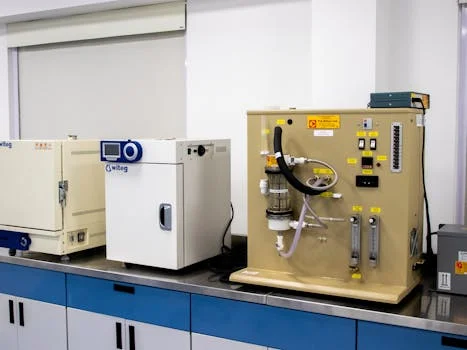
Maintaining global compliance requires real-time monitoring and adherence to regional discharge standards. In 2025, the standard for IC wastewater has shifted from "average" limits to "maximum daily" limits, requiring much tighter process control. Most regions now mandate continuous monitoring for pH, Total Organic Carbon (TOC), and flow rates, with data logging directly accessible by local environmental bureaus.
| Region | TMAH Limit | Fluoride Limit | Ammonia Limit | Key Regulation |
|---|---|---|---|---|
| China | < 0.5 mg/L | < 10 mg/L | < 15 mg/L | GB 31573-2022 |
| Taiwan | < 1.0 mg/L | < 15 mg/L | < 20 mg/L | EPA Effluent Standards |
| USA | N/A (Toxicity based) | < 25 mg/L | < 10 mg/L | EPA Effluent Guidelines |
| EU | < 1.0 mg/L (Suggested) | < 15 mg/L | < 10 mg/L | IED 2010/75/EU |
Engineers must ensure that their wastewater management system includes automated diversion valves. If the continuous TOC or fluoride sensors detect a spike above the compliance threshold, the system should automatically divert the off-spec water to an emergency holding tank to prevent illegal discharge and subsequent fines.
Frequently Asked Questions
What is the most cost-effective treatment for TMAH wastewater?
The most cost-effective approach is a two-stage hybrid process: advanced chemical oxidation (Fenton or Ozone) to break down the complex TMAH molecule, followed by biological treatment in an MBR. This typically requires a CAPEX of $500K–$1M for a 100 m³/h dedicated stream.
How does ZLD compare to water reuse in terms of energy use?
ZLD is significantly more energy-intensive, consuming 5–8 kWh/m³ due to the thermal requirements of evaporation and crystallization. Standard water reuse (MBR+RO) consumes 2–4 kWh/m³ but leaves a concentrate stream that requires further management.
What are the key regulatory limits for fluoride in IC wastewater?
As of 2025, the limits are increasingly stringent: China requires <10 mg/L, Taiwan <15 mg/L, and the US typically <25 mg/L, though local Arizona or California limits may be stricter.
Can IC wastewater sludge be repurposed?
Yes. Calcium fluoride sludge from the precipitation process can be repurposed as a flux in the steel industry or as a raw material in cement and brick manufacturing, potentially reducing disposal costs by 20–30%.
What is the typical payback period for a ZLD system?
Depending on local water costs and the avoidance of regulatory penalties, the typical payback period for a ZLD system in a semiconductor fab is 3–7 years.