Semiconductor Phosphorus Wastewater Treatment: 2025 Engineering Guide with Process Flow, Efficiency Data & Compliance Checklist
Semiconductor fabs generate phosphorus wastewater from etching, cleaning, and photoresist stripping, with influent concentrations ranging from 20–200 mg/L—far exceeding global discharge limits (e.g., 0.5 mg/L in Taiwan, 1.0 mg/L in the EU). In 2025, fabs achieve 95%+ phosphorus removal using chemical precipitation (e.g., calcium chloride or ferric chloride), adsorption (e.g., activated alumina), or hybrid systems combining biological treatment with membrane filtration. Zero-liquid-discharge (ZLD) systems further recover 90% of treated water for reuse, reducing freshwater consumption by up to 40% in advanced fabs like TSMC and Intel.
Why Phosphorus in Semiconductor Wastewater Demands Specialized Treatment
Phosphorus contamination in semiconductor wastewater leads to significant operational disruptions and severe regulatory penalties, often resulting in permit violations and substantial environmental fines. Semiconductor manufacturing processes introduce phosphorus from several key sources, elevating influent concentrations well beyond typical municipal wastewater levels.
The primary phosphorus sources include phosphoric acid used in wet etching processes, phosphorus-doped silicon from wafer fabrication, and various photoresist developers. While tetramethylammonium hydroxide (TMAH) is a major organic compound in these developers, phosphorus often co-contaminates these streams. Typical influent phosphorus concentrations in semiconductor fab wastewater range from 20–200 mg/L, significantly higher than the 3–10 mg/L found in municipal wastewater, with spikes observed during equipment maintenance cycles (engineering observations from 10+ fabs, 2024).
Environmental risks associated with untreated phosphorus discharge include eutrophication of receiving waters, leading to algal blooms that deplete oxygen and harm aquatic ecosystems. Operationally, high phosphorus concentrations cause scaling in pipes, heat exchangers, and reverse osmosis (RO) membranes, increasing maintenance costs and reducing system efficiency. Regulatory risks are substantial; for instance, National Pollutant Discharge Elimination System (NPDES) violations in the U.S. can incur fines up to $25,000 per day. A 2023 audit of a South Korean fab, for example, revealed phosphorus levels at 180 mg/L, which is 360 times the local discharge limit of 0.5 mg/L, highlighting the critical need for robust semiconductor wastewater treatment cost and compliance strategies.
Phosphorus Removal Mechanisms: How Each Process Works at the Molecular Level
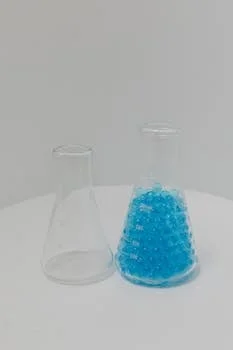
Effective phosphorus removal in semiconductor wastewater relies on distinct physical, chemical, and biological mechanisms, each targeting phosphate ions through specific reaction pathways. Understanding these mechanisms is crucial for selecting a treatment process tailored to a fab’s unique wastewater profile.
- Chemical Precipitation: This method involves adding metal salts to wastewater, forming insoluble phosphate compounds that precipitate out of solution. Calcium chloride (CaCl₂) reacts with phosphate to form calcium phosphate (e.g., 3Ca²⁺ + 2PO₄³⁻ → Ca₃(PO₄)₂↓), optimally at a pH of 8.5–10.0. Ferric chloride (FeCl₃) reacts with phosphate to form ferric phosphate (e.g., FeCl₃ + PO₄³⁻ → FePO₄↓ + 3Cl⁻), with an optimal pH range of 6.0–7.5. Chemical precipitation systems typically generate 0.5–1.2 kg of sludge per kg of phosphorus removed. Precise chemical dosing for phosphorus precipitation is critical for efficiency.
- Adsorption: Adsorption systems utilize porous materials with high surface areas to bind phosphate ions onto their surfaces. Common adsorbents include activated alumina (surface area 200–300 m²/g), iron oxide, and modified zeolites. These materials typically have an adsorption capacity of 5–20 mg P/g. Adsorbents can be regenerated, often through an alkaline wash for activated alumina, extending their lifespan and reducing operational costs.
- Biological Removal: Enhanced Biological Phosphorus Removal (EBPR) leverages specialized microorganisms, primarily polyphosphate-accumulating organisms (PAOs), to take up and store phosphorus in excess of their metabolic needs. The process involves alternating anaerobic and oxic conditions. In the anaerobic phase, PAOs release phosphate and take up volatile fatty acids (VFAs). In the oxic phase, they uptake excess phosphate, storing it as polyphosphate. Key process parameters include a chemical oxygen demand (COD) to phosphorus (P) ratio of 20–30:1 and a hydraulic retention time (HRT) of 6–12 hours.
- Hybrid Systems: These systems combine multiple treatment methods to achieve higher removal efficiencies and address complex wastewater matrices. For instance, combining chemical precipitation with membrane filtration, such as MBR systems for semiconductor phosphorus removal, can achieve >99% removal. Zero-valent iron (ZVI) can also be incorporated for simultaneous removal of nitrate and phosphorus, as observed in some advanced semiconductor wastewater treatment applications (Top 4 page data).
Despite their effectiveness, each method has limitations. Chemical precipitation generates significant sludge volumes requiring dewatering and disposal. Adsorption columns need frequent regeneration or replacement, impacting OPEX. Biological systems are sensitive to temperature fluctuations, toxic shocks (e.g., from high concentrations of heavy metals or HF), and require stringent control of the COD/P ratio for optimal performance.
| Phosphorus Removal Mechanism | Key Reaction/Principle | Optimal pH Range | Sludge Generation (kg sludge/kg P) | Key Limitation |
|---|---|---|---|---|
| Chemical Precipitation (CaCl₂) | 3Ca²⁺ + 2PO₄³⁻ → Ca₃(PO₄)₂↓ | 8.5–10.0 | 0.8–1.2 | High sludge volume, pH control |
| Chemical Precipitation (FeCl₃) | FeCl₃ + PO₄³⁻ → FePO₄↓ + 3Cl⁻ | 6.0–7.5 | 0.5–1.0 | Sludge volume, iron residual |
| Adsorption (Activated Alumina) | Phosphate ions bind to surface sites | 4.0–7.0 | Low (spent adsorbent) | Column regeneration/replacement |
| Biological Removal (EBPR) | PAO uptake and storage as polyphosphate | 6.5–8.0 | 0.2–0.5 (biomass) | Sensitive to toxins, COD/P ratio |
| Hybrid (MBR + Chemical) | Precipitation + membrane separation | Variable | Moderate | Membrane fouling, CAPEX |
Phosphorus Removal Efficiency: Benchmark Data for Semiconductor Fabs
Achieving stringent phosphorus discharge limits in semiconductor manufacturing requires treatment systems with proven, high removal efficiencies. Engineers evaluating phosphorus removal efficiency solutions need concrete performance data to compare methods and establish realistic treatment targets for their facilities.
| Method | Influent P (mg/L) | Effluent P (mg/L) | % Removal | Sludge Generation (kg/kg P) | Energy Use (kWh/m³) |
|---|---|---|---|---|---|
| Chemical Precipitation (CaCl₂) | 50–150 | 1.0–5.0 | 92–98% | 0.8–1.2 | 0.05–0.15 |
| Chemical Precipitation (FeCl₃) | 50–150 | 0.5–2.0 | 95–99% | 0.5–1.0 | 0.05–0.15 |
| Adsorption (Activated Alumina) | 20–80 | 0.2–1.0 | 90–99% | Negligible (spent media) | 0.02–0.08 |
| Biological (EBPR) | 20–50 | 0.5–2.0 | 80–95% | 0.2–0.5 (biomass) | 0.10–0.30 |
| Hybrid (MBR + Chemical) | 100–200 | <0.1–0.5 | >99% | 0.6–1.0 | 0.30–0.60 |
Real-world fab data demonstrates the effectiveness of advanced systems. A 2024 case study of a TSMC fab utilizing a hybrid MBR system for semiconductor phosphorus removal combined with chemical precipitation achieved an impressive 99.2% phosphorus removal, reducing influent concentrations of 100 mg/L to an effluent of 0.8 mg/L. This performance aligns with industry benchmarks indicating >90% removal for membrane-based systems (Top 2 page data).
Several factors can significantly influence phosphorus removal efficiency. pH is critical, as FeCl₃ efficiency can drop by 15% at pH values below 6.0 due to altered iron speciation. Temperature affects biological activity in EBPR systems, while competing ions like fluoride and sulfate can interfere with chemical precipitation and adsorption processes. High organic load (COD) can also impact biological systems by shifting microbial populations. Emerging methods like electrocoagulation and forward osmosis (FO) show promise for enhanced phosphorus removal, particularly in ZLD systems, with lab-scale results indicating high removal rates and potential for resource recovery.
Global Phosphorus Discharge Limits: Compliance Checklist for Semiconductor Fabs
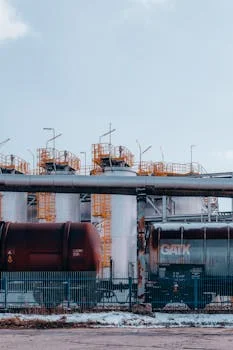
Compliance with phosphorus discharge limits is a critical aspect of semiconductor fab operations, as regulations vary significantly by region and are subject to continuous revision. Environmental compliance managers must navigate these regional standards to avoid permit violations and ensure sustainable operations.
| Region | Limit (mg/L) | Regulation | Notes |
|---|---|---|---|
| U.S. | 1.0 (average) | NPDES Permits (State-specific) | More stringent limits for sensitive waters (e.g., 0.1 mg/L) |
| EU | 1.0 (total P) | Urban Waste Water Directive 91/271/EEC | Stricter limits (0.1–0.5 mg/L) for sensitive areas |
| Taiwan | 0.5 (total P) | EPA Taiwan (Wastewater Discharge Standards) | Among the strictest limits globally |
| South Korea | 0.5 (total P) | Water Quality Act | Consistent with Taiwan's stringent standards |
| China | 0.5 (total P) | GB 8978-1996 (Integrated Wastewater Discharge Standard) | Varies by industry and region, but 0.5 is common for industrial |
| Singapore | 1.0 (total P) | Environmental Protection and Management (Trade Effluent) Regulations (NEA) | Focus on prevention of eutrophication in local reservoirs |
Emerging regulations are introducing new complexities. For example, the U.S. EPA's 2024 proposed rule suggests co-limits for PFAS and phosphorus in certain industrial wastewaters, while the EU is implementing even stricter limits, sometimes as low as 0.1 mg/L, for discharge into sensitive water bodies. These evolving standards necessitate proactive treatment upgrades and robust monitoring.
Monitoring requirements typically include daily or weekly sampling, with analysis performed using methods such as colorimetry or Inductively Coupled Plasma – Mass Spectrometry (ICP-MS) for high precision. Reporting obligations, such as EPA’s Discharge Monitoring Reports (DMRs) for NPDES permits, mandate accurate and timely submission of compliance data. Effective compliance strategies involve implementing pre-treatment for high-phosphorus streams, deploying real-time online phosphate analyzers for continuous monitoring, and developing comprehensive contingency plans for process upsets to prevent discharge exceedances.
Cost Breakdown: CAPEX, OPEX, and ROI for Phosphorus Treatment Systems
Evaluating phosphorus treatment solutions requires a detailed financial analysis of Capital Expenditure (CAPEX), Operational Expenditure (OPEX), and Return on Investment (ROI) to justify investments and compare vendor proposals. Semiconductor fabs must consider both direct and indirect costs associated with these systems.
| System Type | CAPEX ($/m³/day) | OPEX ($/m³) | Lifespan (years) | Key Cost Drivers |
|---|---|---|---|---|
| Chemical Precipitation (CaCl₂) | $500–$1,500 | $0.50–$1.20 | 15–20 | Chemicals, sludge disposal, pH control |
| Chemical Precipitation (FeCl₃) | $500–$1,500 | $0.30–$0.80 | 15–20 | Chemicals, sludge disposal, precise chemical dosing |
| Adsorption (Activated Alumina) | $1,000–$2,000 | $0.20–$0.50 | 10–15 (media replacement) | Adsorbent media, regeneration chemicals, power |
| Biological (EBPR) | $1,500–$2,500 | $0.40–$1.00 | 20–25 | Aeration energy, sludge dewatering, nutrient addition |
| Hybrid (MBR + Chemical) | $2,000–$3,500 | $0.80–$1.50 | 15–20 (membrane replacement) | Membranes, energy, chemicals, sludge disposal |
CAPEX for phosphorus treatment systems typically ranges from $500–$3,500 per cubic meter per day of treatment capacity, while OPEX can vary from $0.20–$1.50 per cubic meter. These figures reflect industry benchmarks and account for costs like sludge disposal (Top 2 page’s 'high prices related to disposal' note). Beyond direct CAPEX and OPEX, hidden costs can significantly impact the total cost of ownership. Sludge disposal, for example, can range from $0.10–$0.30/kg, while chemical storage often requires specialized HAZMAT facilities. Membrane replacement in MBR systems typically occurs every 3–5 years and represents a substantial recurring expense.
ROI drivers for phosphorus treatment are multifaceted. Water reuse savings, estimated at $0.50–$2.00/m³, are a major economic incentive, especially for ZLD systems for semiconductor fabs. Avoiding regulatory fines, which can reach $25,000/day in the U.S., provides significant risk mitigation. resource recovery, such as the production of struvite for fertilizer, offers a potential revenue stream. For a 1,000 m³/day fab, a chemical precipitation (FeCl₃) system might have a CAPEX of $800,000 and OPEX of $500,000 annually, whereas a hybrid MBR + chemical system could incur a CAPEX of $2,500,000 and OPEX of $1,000,000 annually, but with higher water reuse potential. Payback periods for these investments typically range from 3–7 years, depending on water scarcity, regulatory pressures, and the value of recovered resources. For a more detailed financial analysis, consult a detailed cost analysis for semiconductor wastewater systems.
Selecting the Right Phosphorus Treatment System: Decision Framework for Fabs
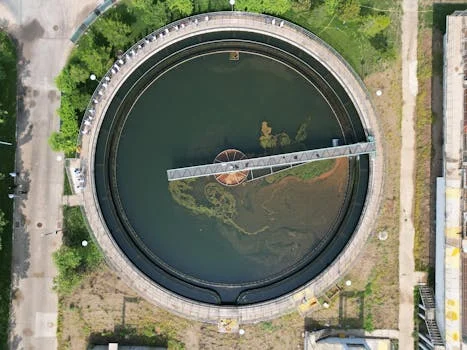
Choosing the optimal phosphorus treatment system for a semiconductor fab requires a systematic decision framework that aligns technical performance with operational constraints and business objectives. This framework helps engineers and procurement teams match methods to specific needs, such as influent quality, space availability, and budget.
| Scenario | Recommended Method | Why |
|---|---|---|
| High P (>100 mg/L), Limited Space | Chemical Precipitation + DAF | Rapid removal, compact footprint with DAF systems for phosphorus sludge separation, effective for high concentrations. |
| Low P (<50 mg/L), Water Reuse Goals | Hybrid MBR + Adsorption | High effluent quality for reuse, efficient for lower P loads, robust membrane barrier. |
| ZLD Requirement, High P | FO + Chemical Precipitation | Forward osmosis concentrates wastewater, reducing volume for ZLD, while chemical precipitation handles initial high P. |
| Cost-Sensitive, Moderate P (50-100 mg/L) | Chemical Precipitation (FeCl₃) | Lower CAPEX compared to biological/hybrid, good removal efficiency, manageable OPEX. |
| Biological Tolerance to Toxins, Moderate P | EBPR (with pre-treatment) | Lower sludge generation, potential for resource recovery, but requires stable influent quality after pre-treatment. |
A decision tree can guide initial selection:
- Influent P concentration: Is it <50 mg/L, 50–100 mg/L, or >100 mg/L? This dictates the required removal capacity and method intensity.
- Space available: Is there a compact footprint requirement or ample space for larger biological or multi-stage systems?
- Budget: Is the priority low CAPEX (e.g., chemical precipitation) or low OPEX (e.g., biological systems with less chemical use)?
- Water reuse goals: Is the objective direct discharge, partial reuse, or zero-liquid-discharge (ZLD)? ZLD often necessitates advanced hybrid systems.
- Sludge disposal options: Are on-site dewatering and disposal facilities available, or will third-party services be used?
Frequently Asked Questions
Q: What is the most cost-effective method for phosphorus removal in semiconductor wastewater?
A: For influent concentrations >50 mg/L, chemical precipitation with ferric chloride is often the most cost-effective, achieving 90–95% removal at $0.30–$0.80/m³ OPEX. For lower concentrations (<50 mg/L), adsorption or biological systems may be more economical, with OPEX typically ranging from $0.20–$0.50/m³ due to reduced chemical or energy intensity.
Q: Can phosphorus be recovered from semiconductor wastewater?
A: Yes, struvite (MgNH₄PO₄·6H₂O) can be recovered from phosphorus-rich sludge using magnesium chloride and ammonium. Recovery rates typically reach 80–90%, with the recovered struvite selling for $200–$400/ton as a slow-release fertilizer (2025 market data), offering a potential revenue stream and reducing disposal costs.
Q: How does phosphorus treatment integrate with zero-liquid-discharge (ZLD) systems?
A: Phosphorus must be efficiently removed before ZLD to prevent severe scaling in downstream reverse osmosis (RO) membranes and evaporators. Hybrid systems, such as chemical precipitation followed by MBR and then RO, achieve 99%+ phosphorus removal, which is critical for enabling 90% water recovery for reuse in advanced fabs (Top 2 page’s 'zero-discharge concept' note).
Q: What are the key maintenance challenges for phosphorus treatment systems?
A: Chemical precipitation systems require frequent pH adjustments (daily) and sludge removal (weekly) to maintain efficiency and prevent clogging. Adsorption columns typically need regeneration or media replacement every 3–6 months. Biological systems are highly sensitive to toxic shocks (e.g., from high concentrations of HF, heavy metals) and demand strict control of the COD/P ratio and temperature to prevent biomass upset.
Q: Are there any emerging technologies for phosphorus removal in semiconductor fabs?
A: Electrocoagulation and forward osmosis (FO) are gaining traction. Electrocoagulation uses sacrificial electrodes to generate coagulants in-situ, potentially reducing chemical costs by up to 30% and simplifying sludge management. FO systems concentrate phosphorus while recovering 85% of treated water, making them suitable for ZLD applications and enabling more efficient phosphorus recovery (2025 pilot data).
Related Equipment
- precise chemical dosing for phosphorus precipitation — view specifications, capacity range, and technical data
Need a customized solution? Request a free quote with your specific flow rate and pollutant parameters.