
A trash rake screen is a mechanically or hydraulically operated debris removal system deployed in industrial wastewater treatment, hydropower, and stormwater applications to protect critical downstream equipment from damage and operational disruptions. These systems achieve over 95% removal of large debris such as logs, plastics, and branches by utilizing raking tines, typically spaced 20–100 mm apart, to clear bar screens. Key engineering specifications for these systems include working depths that can reach up to 250 ft (as seen in some deep-screening models), flow rates ranging from 1–50 m³/s, and either robust hydraulic or efficient mechanical drive systems. Their operational efficiency is primarily governed by factors such as bar spacing, rake speed, and the specific type of debris encountered; coarse screens (50–100 mm spacing) are optimized for handling bulk debris, while finer screens (20–50 mm spacing) are designed to capture smaller solids, thereby preventing pump impeller damage and maintaining system integrity.
How Trash Rake Screens Work: Engineering Mechanics and Process Flow
Trash rake screens operate through a precise three-stage mechanical process to effectively remove accumulated debris from bar screens, ensuring continuous flow and protecting downstream infrastructure.
The operational cycle begins with the descent phase, where the rake's tines are precisely aligned with the gaps in the stationary bar screen and lowered to the channel invert. This alignment is critical to ensure the tines pass through the bars without snagging, allowing them to collect debris from the entire screen surface. Following descent, the raking phase commences as the rake ascends, scraping accumulated debris from the upstream face of the bar screen. The tines act as a barrier, lifting logs, branches, plastics, and other solids that have collected against the bars. Finally, the hoisting and discharge phase completes the cycle, with the rake lifting the collected debris out of the channel and discharging it into a collection bin or conveyor system, typically at deck level. This continuous process prevents significant head loss and safeguards pumps and turbines.
The effectiveness of debris capture is significantly influenced by bar spacing. Coarse screens, typically featuring bar spacing between 50–100 mm, are designed to handle large, bulky debris such as logs and heavy branches, commonly found in hydropower intakes or stormwater channels. In contrast, fine screens, with spacing between 20–50 mm, are engineered to capture smaller solids like plastics, rags, and organic matter, crucial for wastewater pretreatment to prevent pump impeller damage and reduce downstream loading. Research from Hydro Maintain indicates that debris buildup can account for approximately 50% of the total head loss at trash racks in hydropower applications, underscoring the importance of appropriate bar spacing and efficient cleaning.
Trash rake screens primarily utilize two drive systems: hydraulic and mechanical. Hydraulic systems, exemplified by some heavy-duty models, offer smooth, powerful operation and are often preferred for very deep channels or applications requiring high torque and variable speed control. They can handle significant debris loads with less risk of jamming due to their inherent overload protection. Mechanical systems, such as the FlexRake FRHD, are characterized by their robust chain-and-sprocket or cable-driven designs. These systems are generally lower-maintenance, adaptable to varying debris loads, and often designed without submerged sprockets, simplifying maintenance. Innovations like Duperon's Jam Evasion™ technology further enhance mechanical systems by allowing the rake to lift and pivot to clear obstructions, preventing clogging and ensuring continuous operation even in high-debris environments.
Key Engineering Specifications for Trash Rake Screens
Selecting the optimal trash rake screen necessitates a detailed evaluation of key engineering specifications that directly impact performance, reliability, and maintenance requirements for specific industrial applications.
The following table provides a comparative overview of typical engineering parameters for various trash rake screen models:
| Parameter | Landy (Atlas-SSI) | FlexRake FRHD (Duperon) | FSCI Series | HydropureWater GX Series (Example) |
|---|---|---|---|---|
| Bar Spacing (mm) | 20-100 | 50-100 (Coarse) | 20-100 | 20-50 (Fine to Coarse) |
| Working Depth (ft) | Up to 100+ | Up to 50+ | Up to 250 | Up to 60 |
| Flow Rate (m³/s) | 5-50 | 1-30 | 1-50 | 0.5-15 |
| Debris Capacity (kg/cycle) | Up to 500 | Up to 250 | Up to 750 | Up to 150 |
| Drive System | Hydraulic | Mechanical (Chain) | Hydraulic/Mechanical | Mechanical (Rotary) |
| Maintenance Access | Deck-level | Deck-level (No lower sprocket) | Varies (can be deep) | Deck-level |
Bar spacing profoundly influences both debris removal efficiency and hydraulic head loss. Wider spacing, such as 100 mm, minimizes head loss across the screen, allowing for higher flow rates with less resistance. However, it permits smaller debris to pass downstream, potentially impacting subsequent equipment. Conversely, narrower spacing, like 20 mm, maximizes debris capture, protecting sensitive pumps and processes but requiring more frequent cleaning cycles and potentially increasing head loss. Hydro Maintain's data underscores that effective trash rack cleaning can reduce head loss by up to 50% in hydropower applications, directly correlating to increased power generation.
Working depth is a critical consideration, particularly for hydropower intakes and deep tunnel systems. Shallow systems, typically designed for 10–30 ft depths, are common in municipal wastewater treatment plants. However, specialized systems, such as certain FSCI models, are engineered for extreme depths, extending up to 250 ft, accommodating unique site conditions and ensuring debris removal in deep water columns. These deep-reaching systems require robust drive mechanisms and precise control.
Debris capacity and its relationship to rake speed dictate how much material a system can remove per cycle and how frequently it needs to operate. Higher capacity systems, capable of lifting 500 kg/cycle or more, reduce the number of cleaning cycles required during peak debris events, minimizing downtime. However, such systems may necessitate larger, more powerful hydraulic or mechanical drive components, influencing both capital and operational costs. Optimized rake speed ensures efficient debris removal without excessive wear or energy consumption, balancing throughput with equipment longevity.
Trash Rake Screen Efficiency: Real-World Performance Data and Benchmarks
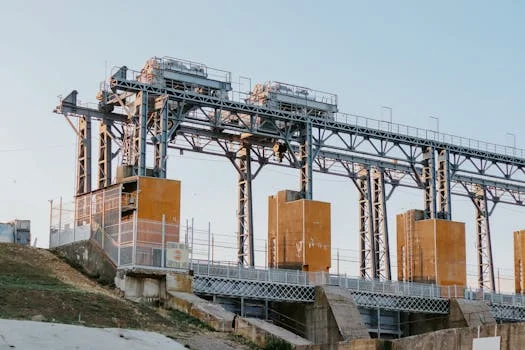
The real-world performance of trash rake screens is quantified by their debris removal efficiency, impact on head loss, and energy consumption, providing critical benchmarks for industrial operators.
Debris removal efficiency for coarse trash rake screens (typically 50–100 mm bar spacing) consistently exceeds 95% for large debris such as logs, branches, and large plastics. For finer screens (20–50 mm spacing), efficiency for smaller solids like rags, leaves, and smaller plastics typically ranges from 80–90%. This high level of primary screening is fundamental for protecting downstream processes, with some manufacturers emphasizing "cleaning efficiency at the heart of design" to ensure maximum capture rates. For instance, HydropureWater’s GX Series Rotary Mechanical Bar Screen is engineered for continuous-duty fine screening, optimizing debris removal in municipal and industrial wastewater applications.
Head loss reduction is a significant benefit, particularly in hydropower generation. Debris accumulation on trash racks restricts water flow, leading to increased head loss and reduced turbine efficiency. Hydro Maintain's research indicates that debris buildup can account for approximately 50% of the total head loss at trash racks. Regular and efficient raking by trash screens maintains optimal flow conditions, directly maximizing hydropower generation and ensuring consistent water levels for downstream processes. This proactive debris management translates into tangible operational benefits and energy output.
Energy consumption varies between hydraulic and mechanical drive systems. Hydraulic systems, known for their power and variable speed control, typically consume between 5–15 kW/h, depending on the load and cycle frequency. Mechanical systems, often favored for their simpler design and lower maintenance, generally operate with lower power requirements, consuming 2–8 kW/h. The choice between systems often involves a trade-off between peak power demand, operational flexibility, and long-term energy costs. The table below illustrates typical energy consumption ranges against debris capacity:
| Drive System Type | Typical Energy Consumption (kW/h) | Debris Capacity (kg/cycle) | Typical Applications |
|---|---|---|---|
| Mechanical | 2-8 | 50-250 | Wastewater, Stormwater, Smaller Hydropower |
| Hydraulic | 5-15 | 200-750+ | Large Hydropower, Deep Intakes, Heavy Debris |
A compelling real-world example of trash rake screen performance is the Duperon Hurricane Katrina case study involving Louisiana Parishes. During the unprecedented floodwaters of Hurricanes Katrina and Rita, FlexRake FRHD units were deployed to keep critical pump stations operational. These heavy-duty screens effectively managed massive influxes of debris, preventing pump clogging and ensuring continuous flood control. This proactive measure prevented an estimated $10 million in damages to infrastructure and minimized community disruption, demonstrating the robust resilience and critical protective role of high-performance trash rake screens in extreme conditions.
How to Choose the Right Trash Rake Screen for Your Application
Selecting the appropriate trash rake screen requires a systematic decision framework that considers application specifics, debris characteristics, flow dynamics, operational depth, and budget constraints to optimize performance and total cost of ownership.
The decision process often follows a logical progression:
1. Application:
- Municipal Wastewater Treatment: Typically requires fine screens (20–50 mm spacing) to remove rags, plastics, and other smaller solids, protecting downstream pumps and biological processes.
- Hydropower Plants: Demands robust coarse screens (50–100 mm spacing) and often deep working depths to manage large logs, branches, and natural debris, preventing turbine damage and maintaining head.
- Stormwater Management & Flood Control: Benefits from adaptive systems, such as those with flexible raking mechanisms, capable of handling highly variable debris loads and flow rates during storm events.
2. Debris Type & Load:
- Bulk Debris: Coarse screens are suitable for applications with significant amounts of large, heavy debris.
- Fine Solids: Fine screens are essential for capturing smaller, lighter materials that could foul pumps or clog pipes.
- Variable Debris: Systems like the FlexRake FRHD, designed for adaptability, are ideal where debris types and volumes fluctuate significantly.
3. Flow Rate & Working Depth:
- Flow Rate (1–50 m³/s): The screen's capacity must match the peak flow rate of the channel to avoid overflow and maintain hydraulic efficiency.
- Working Depth: Shallow systems (10–30 ft) suffice for many municipal applications, while deep systems (up to 250 ft) are critical for large hydropower intakes or deep tunnel infrastructure.
4. Budget (CAPEX vs. OPEX): The trade-offs between capital expenditure (CAPEX) and operational expenditure (OPEX) are significant.
- Hydraulic Systems: Generally have higher upfront costs, ranging from $50,000 to $200,000, but often incur lower long-term maintenance costs due to fewer moving parts submerged in the water.
- Mechanical Systems: Typically have lower initial costs, from $30,000 to $120,000, but may require more frequent servicing of chains, sprockets, or cables, particularly if submerged components are present.
A 5-year Total Cost of Ownership (TCO) comparison can illuminate these trade-offs:
| Cost Category | Mechanical System (Typical) | Hydraulic System (Typical) |
|---|---|---|
| Initial CAPEX | $30,000 - $120,000 | $50,000 - $200,000 |
| Annual Maintenance (OPEX) | $3,000 - $8,000 | $2,000 - $6,000 |
| Annual Energy (OPEX) | $1,500 - $4,000 | $2,500 - $7,500 |
| Estimated 5-Year TCO | $49,500 - $160,000 | $67,500 - $257,500 |
| Note: Costs are approximate and vary widely based on size, complexity, and site-specific conditions. | ||
5. Customization Options: Many manufacturers offer modular designs and customization. For instance, the FlexRake FRHD provides modularity for open channels, pump stations, and flood control, while some specialized manufacturers offer narrow-space solutions for deep or confined applications. Understanding these options ensures the chosen system integrates seamlessly with existing infrastructure.
For applications requiring continuous-duty fine screening, consider HydropureWater’s GX Series Rotary Mechanical Bar Screen, designed for high efficiency and robust operation.
Common Trash Rake Screen Problems and How to Prevent Them
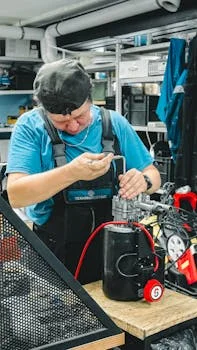
Operational issues with trash rake screens can lead to downtime, reduced efficiency, and increased maintenance costs, necessitating proactive prevention strategies.
- Jamming: This is frequently caused by oversized debris, such as vehicle frames or large tree trunks, exceeding the system's design capacity, or by misaligned tines. Prevention strategies include installing a coarse bar rack upstream to pre-screen exceptionally large items or employing systems equipped with Jam Evasion™ technology, which allows the rake to articulate around obstructions. Regular inspection of tine alignment is also crucial.
- Wear and Tear: Abrasive debris like sand, gravel, and glass can cause significant erosion of rake tines and other submerged components. To mitigate this, specify hardened steel tines or specialized wear-resistant materials. Implementing a quarterly inspection schedule for wear points allows for timely replacement of components before critical failure.
- Corrosion: Trash rake screens operating in saltwater environments, industrial wastewater with corrosive chemicals, or even highly oxygenated freshwater are susceptible to corrosion. Specifying components made from marine-grade stainless steel (e.g., 316L) or applying epoxy-coated components provides robust protection against chemical degradation, extending equipment lifespan.
- Maintenance Access: Systems with submerged moving parts, particularly lower sprockets or bearings, can complicate maintenance, requiring dewatering or specialized underwater intervention, which increases downtime and safety risks. Opting for designs that feature deck-level maintenance, such as those without lower sprockets, significantly simplifies servicing and reduces operational interruptions.
Frequently Asked Questions
Addressing common inquiries about trash rake screens provides clarity on their function, maintenance, and application.
What is the primary function of a trash rake screen?
A trash rake screen's primary function is to remove large debris from water intake channels in wastewater treatment, hydropower, and stormwater applications. This pretreatment step protects downstream pumps, turbines, and other sensitive equipment from physical damage, prevents clogging, and maintains efficient water flow, ultimately reducing operational costs and unplanned downtime.
How often should a trash rake screen be maintained?
Maintenance frequency for trash rake screens depends on debris load, water quality, and specific equipment design. Typically, visual inspections should occur daily or weekly during high-debris seasons. Detailed mechanical inspections, including checking for wear on tines, chains, and drive systems, should be scheduled quarterly. Annual deep cleaning and comprehensive overhauls are recommended to ensure long-term reliability and peak performance.
What's the difference between coarse and fine trash rake screens?
The primary difference lies in their bar spacing. Coarse screens have wider bar spacing (e.g., 50–100 mm) and are designed to capture large debris like logs and branches, minimizing head loss. Fine screens, with narrower bar spacing (e.g., 20–50 mm), target smaller solids such as rags, plastics, and leaves, offering higher protection for delicate downstream equipment but potentially increasing head loss and requiring more frequent cleaning cycles.
Can trash rake screens handle extreme weather events?
Yes, many heavy-duty trash rake screens are specifically engineered to withstand and perform during extreme weather events, such as floods or heavy storms. Systems with robust construction, flexible raking mechanisms, and features like Jam Evasion™ technology are designed to manage large, sudden influxes of debris and maintain continuous operation, as demonstrated by the Hurricane Katrina case study, preventing significant infrastructure damage.
What are the main types of drive systems for trash rake screens?
The two main types of drive systems are hydraulic and mechanical. Hydraulic systems offer powerful, smooth operation with variable speed control, often preferred for deep channels and heavy debris loads. Mechanical systems, typically chain-driven, are generally simpler, lower-maintenance, and energy-efficient, often designed for deck-level servicing without submerged components. The choice depends on specific application requirements and budget considerations.
Further Reading

Explore these in-depth articles on related wastewater treatment topics: