Hospitals in New Jersey must treat wastewater to meet EPA NPDES permit limits of <30 mg/L BOD₅, <30 mg/L TSS, and <200 CFU/100mL fecal coliform (NJ DEP 2024). The state’s Public Health and Environmental Laboratories (PHEL) also mandate pathogen surveillance for SARS-CoV-2, RSV, and influenza, with twice-weekly sampling required for participating facilities. Non-compliance risks fines up to $25,000/day (EPA Region 2). This guide provides engineering specs, cost data, and equipment options to achieve compliance for hospital wastewater treatment in New Jersey USA.
Why New Jersey Hospitals Face Unique Wastewater Treatment Challenges
Hospitals in New Jersey contend with wastewater contaminant profiles significantly different from typical municipal flows, requiring specialized treatment protocols. NJ’s hospital wastewater contains 3–5× higher pharmaceutical residues, such as antibiotics and hormones, compared to standard municipal sewage (NJ DEP 2023 data, as cited in relevant legislative documents). This elevated concentration demands advanced treatment methods beyond conventional biological processes to prevent environmental discharge of active pharmaceutical ingredients (APIs) and endocrine-disrupting compounds (EDCs).
Adding to these chemical challenges, the New Jersey Department of Health’s Public Health and Environmental Laboratories (PHEL) mandates a robust wastewater surveillance program. PHEL tests for critical respiratory pathogens including SARS-CoV-2, RSV, and influenza, with participating facilities required to submit samples twice weekly (NJ.gov/health). The results from this surveillance program are crucial for public health decisions, such as deploying mobile testing and vaccination sites, directly linking hospital wastewater quality to broader community health initiatives.
The regulatory environment in New Jersey also carries substantial financial implications for non-compliance. For example, a 300-bed NJ hospital was fined $180,000 in 2023 for exceeding its BOD₅ limits, as detailed in an EPA Region 2 enforcement report. This case underscores the strict enforcement of EPA NPDES permits for hospitals and the need for reliable, high-performance treatment solutions.
New Jersey’s Antimicrobial Resistance Bacteria and Genes (ARB/ARG) pilot program, outlined in state legislative documents, introduces additional layers of testing and compliance beyond federal EPA standards. This program requires specific monitoring for antibiotic-resistant bacteria and genes in hospital effluent, necessitating specialized laboratory analysis and treatment capabilities that are not typically required for general municipal wastewater. Addressing these unique challenges requires a deep understanding of both the engineering parameters and the specific NJ DEP wastewater regulations.
New Jersey Hospital Wastewater Regulations: EPA NPDES Permits, NJ DEP Rules & Compliance Checklist
Compliance with New Jersey's hospital wastewater discharge regulations requires adherence to both federal EPA NPDES permits and specific NJ DEP mandates. The EPA’s National Pollutant Discharge Elimination System (NPDES) sets critical effluent limits for direct discharges, with typical requirements for NJ hospitals including BOD₅ below 30 mg/L, TSS below 30 mg/L, and fecal coliform counts below 200 CFU/100mL (EPA Region 2 2024 guidelines). These standards ensure that treated hospital effluent does not pose a significant risk to receiving waters or public health.
Beyond federal requirements, the NJ DEP imposes additional stringent rules for medical wastewater disinfection and overall management. A key component is the ARB/ARG testing pilot program, which mandates regular monitoring for antibiotic-resistant bacteria and genes (as per NJ legislative documents). This program also requires annual operator training for all individuals conducting ARB/ARG testing, ensuring that personnel are up-to-date with the latest protocols and technologies. The NJ DEP also cross-references hospital discharge data with information from pharmaceutical facilities to ensure comprehensive coverage and compliance.
Wastewater surveillance is another critical aspect of NJ hospital wastewater treatment in New Jersey. The Public Health and Environmental Laboratories (PHEL) unit conducts twice-weekly sampling for pathogens such as SARS-CoV-2, RSV, and influenza (NJ.gov/health). These pathogen surveillance results are uploaded to the New Jersey ARB and ARG in Water Systems Database, enabling public health officials to track community health trends and respond effectively. This ongoing monitoring adds a layer of complexity and necessitates robust treatment systems capable of consistent pathogen reduction.
To navigate these complex requirements, hospitals can follow a structured compliance roadmap:
| Step | Compliance Action |
|---|---|
| 1 | Verify permit coverage for all wastewater outfalls with EPA NPDES and NJ DEP. |
| 2 | Implement continuous effluent monitoring for BOD₅, TSS, and fecal coliform. |
| 3 | Schedule ARB/ARG testing with an NJ DEP-certified laboratory as required by the pilot program. |
| 4 | Ensure all wastewater treatment operators complete annual NJ DEP operator training. |
| 5 | Participate in PHEL’s twice-weekly pathogen surveillance program and submit samples promptly. |
| 6 | Maintain accurate and detailed discharge records for all parameters for NJ DEP cross-referencing. |
| 7 | Develop and regularly update a Spill Prevention, Control, and Countermeasure (SPCC) plan for pharmaceuticals. |
| 8 | Review and update the facility's emergency response plan for wastewater incidents. |
| 9 | Submit all required Discharge Monitoring Reports (DMRs) and ARB/ARG data to the respective agencies on time. |
| 10 | Conduct periodic internal audits to proactively identify and address potential non-compliance risks. |
Engineering Specs for Hospital Wastewater Treatment: Contaminant Loads, Flow Rates & Disinfection Targets
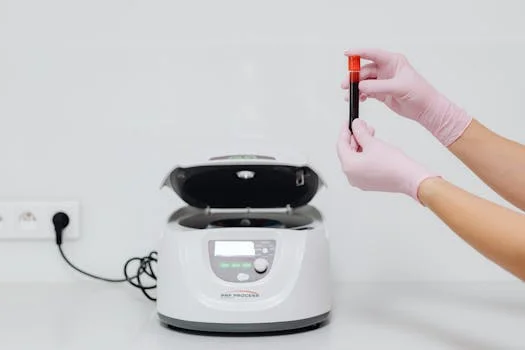
Effective hospital wastewater treatment in New Jersey necessitates precise engineering specifications to manage diverse contaminant loads and variable flow rates. Unlike typical municipal sewage, hospital effluent is characterized by significantly higher concentrations of specific pollutants. NJ DEP 2023 benchmarks indicate that typical hospital wastewater contains BOD₅ ranging from 200–600 mg/L, Chemical Oxygen Demand (COD) from 400–1,200 mg/L, and Total Suspended Solids (TSS) from 150–400 mg/L. These elevated levels require robust primary and secondary treatment stages to meet discharge limits.
A critical distinguishing factor for medical wastewater disinfection is the presence of pharmaceutical residues. Data cross-referenced from NJ legislative documents indicates concentrations of antibiotics like ciprofloxacin at 5–50 µg/L, hormones such as estradiol at 0.1–1 µg/L, and contrast agents like iopromide at 10–100 µg/L. These micropollutants are not effectively removed by conventional treatment and demand advanced oxidation processes or specialized filtration for degradation.
Flow rates in New Jersey hospitals typically follow NJ DEP design guidelines of 300–800 L/bed/day. However, wastewater generation exhibits significant diurnal patterns, with peak flows often occurring during shift changes, meal times, and patient bathing schedules. Treatment systems must be designed to accommodate these fluctuations, often requiring equalization tanks to buffer incoming loads and maintain consistent hydraulic conditions for biological and chemical processes.
Disinfection targets are stringent, aiming for a 99.99% pathogen kill, equivalent to a 4-log reduction, as per EPA 2024 guidelines. While UV and chlorine are common, chlorine dioxide (ClO₂) is increasingly preferred for hospital effluent disinfection due to its superior efficacy against a broad spectrum of pathogens and its ability to degrade pharmaceutical residues. ClO₂ achieves a 5-log reduction for indicator organisms like E. coli and effectively oxidizes many pharmaceutical compounds without forming harmful trihalomethanes (THMs) or haloacetic acids (HAAs) that are concerns with traditional chlorine. For facilities seeking a compact medical wastewater treatment system with ozone disinfection capabilities, the Medical Wastewater Treatment System offers comprehensive solutions.
| Parameter | Typical Range (NJ Hospital Wastewater) | Target Effluent (NPDES/NJ DEP) |
|---|---|---|
| BOD₅ | 200–600 mg/L | <30 mg/L |
| COD | 400–1,200 mg/L | N/A (often linked to BOD₅) |
| TSS | 150–400 mg/L | <30 mg/L |
| Fecal Coliform | 10⁵–10⁷ CFU/100mL | <200 CFU/100mL |
| Ciprofloxacin (Antibiotic) | 5–50 µg/L | >80% Reduction Target |
| Estradiol (Hormone) | 0.1–1 µg/L | >80% Reduction Target |
| Flow Rate (Average) | 300–800 L/bed/day | N/A (design parameter) |
| Pathogen Kill | N/A (raw wastewater) | 99.99% (4-log reduction) |
Treatment Technologies Compared: MBR vs. DAF vs. Chlorine Dioxide for NJ Hospitals
Selecting the optimal wastewater treatment technology for a New Jersey hospital depends on a facility's specific effluent profile, space constraints, and budget, with Membrane Bioreactors (MBR), Dissolved Air Flotation (DAF), and Chlorine Dioxide (ClO₂) representing leading options. Each technology offers distinct advantages for addressing the complex contaminant loads found in hospital wastewater, including high BOD₅, TSS, FOG, and pharmaceutical residues.
Membrane Bioreactor (MBR) systems integrate biological treatment with membrane filtration, offering superior effluent quality and a compact footprint. MBRs achieve greater than 99% TSS removal and up to 95% BOD₅ reduction, consistently producing effluent suitable for direct discharge or reuse. Their design results in a footprint up to 60% smaller than conventional activated sludge systems, making them ideal for space-constrained urban hospitals. For facilities requiring high-efficiency treatment and minimal environmental impact, an MBR system for high-efficiency hospital wastewater treatment is a robust solution, exemplified by HydropureWater's specs which demonstrate advanced filtration capabilities.
Dissolved Air Flotation (DAF) systems are highly effective for removing suspended solids, fats, oils, and grease (FOG) through the introduction of fine air bubbles that attach to particulates, causing them to float to the surface for skimming. DAF units typically achieve 92–97% TSS removal and are particularly well-suited for pre-treating wastewater streams with high FOG loads, such as those from hospital kitchens or laundries. Systems like the dissolved air flotation (DAF) machine ideal for high FOG loads can handle capacities ranging from 4–300 m³/h, as detailed in O&M Solutions data, making them versatile for various hospital sizes.
Chlorine Dioxide (ClO₂) is a powerful oxidant and disinfectant, offering a 99.99% pathogen kill rate and significant degradation of pharmaceutical residues. ClO₂ can achieve up to 80% removal of compounds like ciprofloxacin and estradiol, making it a critical component for medical wastewater disinfection. On-site generation of ClO₂, using systems like the on-site chlorine dioxide generator for robust disinfection, eliminates the risks associated with storing hazardous chemicals. ClO₂ generators, like HydropureWater’s, ensure a consistent supply of disinfectant while minimizing operational hazards.
From a cost perspective, MBR systems generally have a higher CAPEX, ranging from $120–$250/m³/day of treatment capacity, due to membrane and advanced controls. DAF systems are more moderate, at $80–$150/m³/day. Chlorine dioxide generators have a CAPEX of $50–$100/m³/day, with operating costs of $0.10–$0.30/m³ for chemical precursors and energy. The choice depends on the primary treatment goals, effluent quality requirements, and available capital.
| Feature | MBR (Membrane Bioreactor) | DAF (Dissolved Air Flotation) | Chlorine Dioxide (ClO₂) |
|---|---|---|---|
| Primary Function | BOD₅/TSS/Nutrient Removal | TSS/FOG Removal | Disinfection/Pharmaceutical Degradation |
| Removal Efficiency (TSS) | >99% | 92–97% | Minimal direct removal |
| Removal Efficiency (BOD₅) | >95% | Limited direct removal | Minimal direct removal |
| Footprint | Compact (60% smaller) | Moderate | Small (generator) |
| CAPEX Range ($/m³/day) | $120–$250 | $80–$150 | $50–$100 (generator only) |
| OPEX Range ($/m³) | $0.80–$2.00 | $0.40–$1.20 | $0.10–$0.30 (chemicals) |
| Pharmaceutical Degradation | Moderate (some by biological process) | Low | High (>80% for some compounds) |
| Pathogen Kill | High (with post-treatment) | Low | High (99.99%) |
| Best Application | High-quality effluent, small footprint, nutrient removal | High FOG, pre-treatment for primary solids | Primary disinfection, pharmaceutical treatment, odor control |
Cost Breakdown: Equipment, Permitting & Operational Expenses for NJ Hospitals
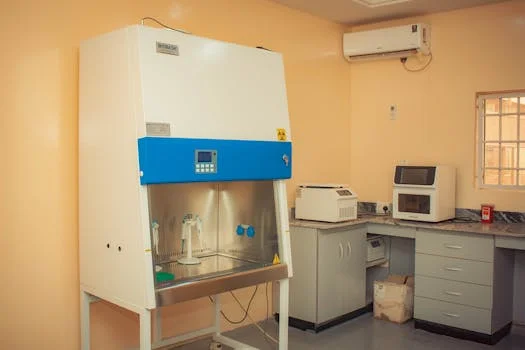
A comprehensive understanding of capital expenditure (CAPEX) and operational expenditure (OPEX) is essential for budgeting hospital wastewater treatment projects in New Jersey. The total cost of achieving and maintaining compliance is influenced by equipment selection, permitting fees, and ongoing operational demands.
Equipment costs for complete wastewater treatment systems designed to handle typical hospital flow rates of 5–50 m³/h generally range from $50,000 to $500,000. For instance, a compact medical wastewater treatment system designed for a 10 m³/h flow rate might be approximately $80,000, depending on specific features and effluent quality requirements. These figures represent the investment in primary, secondary, and advanced treatment units, including disinfection systems.
Permitting expenses are a significant initial cost. An EPA NPDES permit application can range from $5,000 to $20,000, covering administrative fees, engineering reviews, and initial compliance assessments. Additionally, compliance with NJ DEP requirements includes fees for ARB/ARG testing, which can cost $2,000–$10,000 annually (as per NJ legislative documents) for certified laboratory analysis and associated reporting.
Operational costs (OPEX) are ongoing and typically fall within $0.50–$2.00 per cubic meter of treated wastewater. This range encompasses several key components:
- Energy: Pumping, aeration, and advanced treatment processes (e.g., MBR membrane cleaning, UV lamps) contribute significantly, often accounting for $0.15–$0.60/m³.
- Chemicals: Disinfectants like chlorine dioxide, coagulants, and pH adjustment chemicals can cost $0.10–$0.50/m³. Chlorine dioxide, while effective, requires precursor chemicals for on-site generation.
- Maintenance & Labor: Routine servicing, spare parts, and the wages for certified operators represent $0.25–$0.90/m³. MBR systems, while energy-intensive, often require less manual intervention than conventional systems, but membrane cleaning and replacement are scheduled maintenance tasks.
- Sludge Disposal: The disposal of generated sludge adds $0.05–$0.20/m³ to OPEX, depending on sludge volume and local disposal fees.
| Cost Category | Estimated Range (NJ Hospital) | Notes |
|---|---|---|
| Treatment Equipment (CAPEX) | $50,000–$500,000 | For 5–50 m³/h systems; includes MBR, DAF, ClO₂ generators. |
| EPA NPDES Permit Application | $5,000–$20,000 | Initial application and renewal fees, engineering review. |
| NJ DEP ARB/ARG Testing | $2,000–$10,000/year | Includes certified lab fees, annual audit, reporting. |
| Operational Energy Costs | $0.15–$0.60/m³ | Pumping, aeration, membrane cleaning, UV lamps. |
| Chemicals (OPEX) | $0.10–$0.50/m³ | Disinfectants (ClO₂, UV), coagulants, pH adjusters. |
| Maintenance & Labor (OPEX) | $0.25–$0.90/m³ | Routine servicing, operator wages, spare parts, membrane replacement. |
| Sludge Disposal (OPEX) | $0.05–$0.20/m³ | Hauling and disposal fees for generated sludge. |
Step-by-Step Guide to Selecting Hospital Wastewater Treatment Equipment for NJ Compliance
Selecting the appropriate wastewater treatment equipment for a New Jersey hospital requires a structured approach to ensure both operational efficiency and stringent regulatory compliance. This decision framework helps facility managers and engineers make informed choices that align with both environmental mandates and budgetary constraints.
- Step 1: Characterize Wastewater Thoroughly. Begin by conducting a comprehensive wastewater analysis. This involves sampling raw influent over an extended period (e.g., 24-hour composite samples for several days) to characterize typical contaminant loads. Key parameters to analyze include BOD₅, COD, TSS, pH, nitrogen, phosphorus, and specific pharmaceutical residues (antibiotics, hormones, contrast agents), as well as a baseline pathogen profile. This detailed analysis will identify the primary pollutants and their concentrations, crucial for designing an effective treatment strategy.
- Step 2: Match Technology to Contaminant Profile. Based on the wastewater characterization, select technologies best suited to address the identified pollutants. For facilities with high BOD₅ and TSS, an MBR system may be ideal for achieving stringent effluent quality. If the wastewater contains significant fats, oils, and grease (FOG), a DAF system should be considered for effective pre-treatment. For advanced medical wastewater disinfection and degradation of pharmaceutical residues, chlorine dioxide (ClO₂) or other advanced oxidation processes are essential.
- Step 3: Size System for Flow Rate and Peak Loads. Use NJ DEP’s design guidelines of 300–800 L/bed/day to estimate average daily flow rates. However, it is critical to also account for diurnal peak flows during operational hours, such as shift changes and diagnostic procedures. Proper sizing ensures the system can handle hydraulic surges without compromising treatment efficacy or causing overflows. Consider equalization tanks to buffer variable flows and maintain stable conditions for biological treatment.
- Step 4: Verify Vendor Compliance with NJ DEP Operator Training. Ensure that any prospective equipment vendor or service provider is familiar with and supports compliance with NJ DEP operator training requirements. The ARB/ARG pilot program, for instance, mandates annual training for personnel involved in testing and operation (NJ legislative documents). A reputable vendor should offer training or ensure their systems are operable by NJ DEP-certified staff, demonstrating a commitment to long-term compliance and operational excellence.
- Step 5: Budget for Permitting and Ongoing Surveillance. Factor in all capital expenditures for equipment, as well as operational costs. Crucially, allocate budget for EPA NPDES permit applications and ongoing NJ DEP-mandated testing, including ARB/ARG testing and PHEL’s twice-weekly pathogen surveillance. These recurring costs are integral to maintaining compliance and avoiding substantial fines. For a detailed engineering guide to medical wastewater treatment systems, further resources can be found.
Frequently Asked Questions
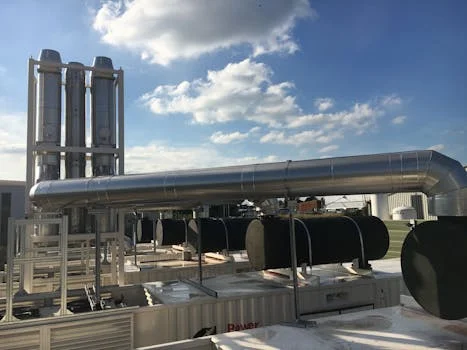
Understanding the common questions surrounding hospital wastewater treatment in New Jersey can help facility managers and engineers proactively address operational and regulatory concerns.
Q: What are the penalties for non-compliance with NJ hospital wastewater regulations?
A: Non-compliance with EPA NPDES permits and NJ DEP regulations can result in severe penalties. According to EPA Region 2 enforcement data, fines can range from $10,000 to $25,000 per day for violations, in addition to potential legal action and reputational damage.
Q: How often does NJ PHEL test hospital wastewater for pathogens?
A: The New Jersey Public Health and Environmental Laboratories (PHEL) unit requires participating hospitals to submit wastewater samples for pathogen surveillance (SARS-CoV-2, RSV, influenza) twice weekly. This data is critical for public health monitoring and response (NJ.gov/health).
Q: Can hospitals discharge treated wastewater to municipal sewers in NJ?
A: Yes, hospitals can discharge treated wastewater to municipal sewers in New Jersey, but they must first meet specific pretreatment standards set by the municipality and the NJ DEP. These standards are often designed to protect the municipal treatment plant's processes and prevent the introduction of harmful pollutants. The NJ DEP cross-references hospital discharge data with municipal plant capabilities to ensure compliance.
Q: What’s the best disinfection method for pharmaceutical residues in hospital wastewater?
A: Chlorine dioxide (ClO₂) is widely considered one of the most effective disinfection methods for degrading pharmaceutical residues in hospital wastewater. It can achieve over 80% degradation of compounds like ciprofloxacin and estradiol, while also providing a 99.99% pathogen kill rate. Advanced oxidation processes (AOPs) are also highly effective.
Q: How much does ARB/ARG testing cost for NJ hospitals?
A: Based on information related to the NJ ARB/ARG pilot program, the cost for each ARB/ARG test conducted by an NJ DEP-certified laboratory typically ranges from $1,500 to $5,000. These costs contribute to the overall operational expenses for hospital effluent treatment in New Jersey.