Why Java’s Wastewater Treatment Costs Are Unique: Climate, Regulations, and Industry Risks
Java's industrial wastewater treatment landscape presents a complex interplay of concentrated industrial activity, evolving regulatory frameworks, and specific environmental conditions. The island hosts a significant portion of Indonesia's manufacturing, with 2024 Ministry of Industry data indicating 42% of its industrial base is in textile manufacturing, 28% in food processing, and 15% in chemical production. This concentration results in diverse and often challenging influent characteristics, including Chemical Oxygen Demand (COD) levels that can reach up to 3,000 mg/L, high Total Suspended Solids (TSS) from textile dyeing processes, and significant Fats, Oils, and Grease (FOG) from food processing. For example, a textile factory in Bandung recently faced a substantial IDR 1.2 billion fine from the West Java Environmental Agency for exceeding TSS discharge limits, underscoring the severe financial penalties for non-compliance.
Regulatory environments also vary significantly across Java. East Java Governor Regulation 72/2013 sets stringent effluent limits, mandating maximum concentrations of 100 mg/L COD, 50 mg/L BOD, and 50 mg/L TSS. In contrast, West Java’s enforcement often focuses on specific parameters like TSS, as evidenced by the Bandung fine, with potentially quicker permitting processes compared to East Java’s 6–12 month timelines. Java's climate introduces engineering considerations; high humidity, often exceeding 80% in coastal regions, accelerates corrosion, necessitating the use of specialized, corrosion-resistant materials in equipment and infrastructure. Seasonal rainfall, which can range from 2,000–4,000 mm/year, requires careful design of stormwater separation systems to prevent hydraulic overload of treatment facilities. Infrastructure development also plays a role, with West Java's industrial parks generally offering better utility support, while East Java, particularly around Surabaya, often relies more heavily on fully integrated on-site treatment solutions.
Wastewater Treatment Technologies for Java: DAF vs. MBR vs. Conventional Systems
Selecting the appropriate wastewater treatment technology is paramount for achieving compliance and cost efficiency in Java's diverse industrial settings. Each technology offers distinct advantages and disadvantages based on influent characteristics, required effluent quality, and operational considerations.
Dissolved Air Flotation (DAF) systems are highly effective for the removal of FOG and TSS, typically achieving 92–97% efficiency. These systems are ideal for pre-treatment stages in food processing plants and textile dyeing operations where these parameters are primary concerns. DAF technology operates by introducing fine air bubbles into the wastewater, which attach to suspended solids and FOG, causing them to float to the surface for skimming. This process often requires chemical pre-treatment, such as pH adjustment and the addition of coagulants and flocculants, to enhance particle aggregation. For a high-efficiency DAF system for TSS and FOG removal, HydropureWater offers robust solutions.
Membrane Bioreactor (MBR) systems represent a more advanced solution, capable of producing effluent of near-reuse quality through microfiltration (<1 μm pore size). MBRs excel at treating wastewater with high COD levels, up to 3,000 mg/L, and are particularly well-suited for industries facing strict COD and BOD discharge limits. A key advantage of MBR technology is its compact footprint, often requiring up to 60% less space than conventional systems, making it suitable for facilities with limited land availability. While MBR systems typically have higher capital expenditure (CAPEX), ranging from IDR 30 billion to IDR 50 billion for larger installations, they often result in lower operational expenditure (OPEX) due to significantly reduced sludge production, potentially lowering sludge disposal costs by up to 30%. HydropureWater provides integrated compact MBR systems for high-COD wastewater treatment.
Conventional Activated Sludge (CAS) systems, while having a lower upfront cost (IDR 5 billion to IDR 20 billion), require a considerably larger footprint. They are best suited for municipal wastewater or industrial effluents with lower COD concentrations, typically below 1,000 mg/L, such as those found in some chemical plants. CAS systems rely on aerobic biological treatment to break down organic pollutants. However, to meet stringent discharge standards, CAS often requires additional tertiary filtration or polishing steps, which can increase overall system complexity and cost. For industries requiring advanced treatment beyond CAS capabilities, exploring emerging technologies like anaerobic digestion for high-COD streams, such as those in the palm oil industry, can lead to significant energy cost reductions of up to 40%, albeit with an initial investment of IDR 15 billion or more.
The following table summarizes the key characteristics and cost-performance trade-offs of these technologies:
| Technology | Typical Application | Flow Rate (m³/day) | Primary Removal Efficiency | Approx. CAPEX (IDR Billion) | Approx. Footprint | Key Considerations |
|---|---|---|---|---|---|---|
| DAF | Food Processing, Textile Pre-treatment (FOG, TSS) | 50–500 | TSS: 92–97% FOG: 90–95% |
2–10 | Moderate | Requires chemical dosing; effective for floatable solids. |
| MBR | High COD/BOD Industries (Textile, Food, Chemical) | 200–5,000 | COD/BOD: 95%+ TSS/Turbidity: < 1 μm |
15–50 | Compact (60% smaller than CAS) | Higher CAPEX; superior effluent quality; lower sludge volume. |
| Conventional Activated Sludge (CAS) | Municipal, Low COD Industrial | 500–10,000+ | COD/BOD: 85–95% | 3–15 | Large | Lower CAPEX; requires significant land; often needs tertiary treatment. |
2025 Wastewater Treatment Plant Cost Breakdown: Equipment, Civil Works, and Permitting
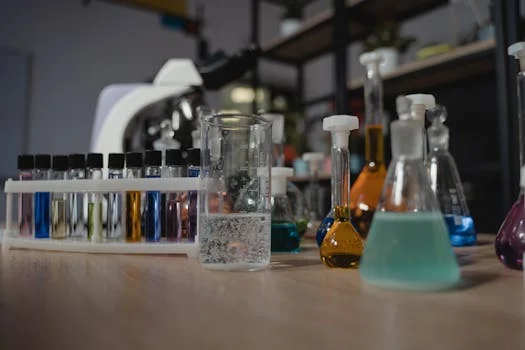
A comprehensive understanding of wastewater treatment plant (WWTP) costs in Java requires a granular breakdown beyond just equipment purchase price. In 2025, the total project cost for an industrial WWTP in Java typically ranges from IDR 5 billion for smaller, compact systems to IDR 50 billion for larger, more advanced installations. This cost is distributed across several key categories, each influenced by technology choice, site-specific conditions, and regional factors.
Equipment costs constitute the largest portion, generally ranging from 60% to 70% of the total project budget. For DAF systems, these costs can range from IDR 2 billion to IDR 10 billion, depending on capacity and features. MBR systems, with their advanced membrane modules and integrated bioreactors, typically fall within the IDR 15 billion to IDR 30 billion range for the core equipment. Conventional systems usually have lower equipment costs, between IDR 3 billion and IDR 15 billion. Ancillary equipment such as pumps, blowers, and sophisticated automation systems, including PLC controls, can add an additional 10% to 15% to the equipment budget. The need for an automated chemical dosing system, crucial for optimized performance, can further increase this component.
Civil works typically account for 20% to 30% of the total project cost. This includes site preparation, foundation construction, tank fabrication, and piping. Underground installation can add approximately 20% to the civil works cost compared to above-ground construction but offers significant space-saving benefits. In Java's coastal and humid regions, the selection of construction materials is critical to mitigate corrosion. The use of corrosion-resistant materials, such as Fiber Reinforced Polymer (FRP) tanks, can add around 15% to the civil works budget but is essential for long-term durability and reduced maintenance.
Permitting and compliance expenses represent 5% to 10% of the total project cost. Obtaining an Environmental Impact Assessment (AMDAL) in Indonesia can range from IDR 500 million to IDR 2 billion, depending on the scale and complexity of the project. As previously noted, approval timelines can vary, with East Java often requiring 6–12 months, while West Java might see approvals within 3–6 months. These lead times must be factored into project planning.
Operational costs (OPEX) are also a significant consideration over the plant's lifecycle. Energy consumption typically accounts for 30% to 50% of OPEX, followed by chemicals (20% to 30%) and sludge disposal (10% to 20%). MBR systems, by virtue of producing less sludge, can reduce sludge disposal costs by up to 40% compared to CAS systems. For example, the use of a plate and frame filter press can help dewater sludge more efficiently, reducing disposal volumes.
Regional cost variations exist within Java. West Java, with its higher concentration of industrial parks and established supply chains, may see equipment and construction costs that are 10% to 15% lower due to increased competition. Conversely, East Java, particularly in more remote areas or those with higher logistical challenges, can experience costs that are 5% to 10% higher.
| Cost Component | Percentage of Total Cost | Approximate Range (IDR Billion) for a Mid-Size Plant (1000 m³/day) | Key Influencing Factors |
|---|---|---|---|
| Equipment | 60–70% | 10–35 | Technology type (DAF, MBR, CAS), capacity, automation level. |
| Civil Works | 20–30% | 4–15 | Site conditions, underground vs. above-ground, material selection (corrosion resistance). |
| Permitting & Compliance | 5–10% | 0.5–2 | Project scale, environmental impact complexity, regional approval processes. |
| Contingency/Installation | 5–10% | 0.5–5 | Unforeseen site issues, installation complexity, commissioning. |
ROI Calculator: Payback Periods for Java’s Top Industries
The financial viability of a wastewater treatment plant (WWTP) investment in Java hinges on calculating a realistic Return on Investment (ROI) and payback period. This calculation is crucial for procurement teams and facility managers to justify capital expenditure against operational savings and the avoidance of penalties. The basic formula for payback period is: Total CAPEX / (Annual Savings + Avoidance of Fines).
Consider a textile factory in Bandung that invests IDR 15 billion in an MBR system to comply with stringent COD and BOD regulations. If this investment helps them avoid an average of IDR 3 billion annually in potential fines and reduces sludge disposal costs by IDR 1 billion per year, their total annual savings are IDR 4 billion. With a CAPEX of IDR 15 billion, the payback period would be 3.75 years (IDR 15B / IDR 4B). This demonstrates the significant financial benefit of proactive compliance and optimized treatment.
Industry benchmarks for payback periods in Java generally range from 3–5 years for food processing, 4–6 years for textile manufacturing, and 5–7 years for chemical industries. Industries with very high COD concentrations, such as palm oil processing, can achieve even faster paybacks, often between 2–4 years, especially when incorporating energy recovery from anaerobic digestion processes. For instance, Tjiwi Kimia in Sidoarjo, East Java, reportedly improved process efficiency and sustainability by installing a rotary dryer for sludge treatment, reducing disposal costs by 50% and achieving a payback period of 3 years, as highlighted in industry reports.
Beyond direct cost savings and fine avoidance, hidden savings can further enhance ROI. The implementation of Zero Liquid Discharge (ZLD) systems, often facilitated by advanced technologies like MBR effluent reuse, can significantly reduce freshwater consumption. For example, reusing treated wastewater for cooling towers or non-potable industrial processes can lower overall water costs by 20% to 30%, potentially improving the ROI by an additional 1–2 years. Investing in robust equipment like an MBR membrane bioreactor module can ensure long-term operational efficiency, contributing to sustained savings.
| Industry | Typical CAPEX Range (IDR Billion) | Estimated Annual Savings (IDR Billion) | Typical Payback Period (Years) | Key Savings Drivers |
|---|---|---|---|---|
| Textile | 10–30 | 2–5 | 4–6 | Fine avoidance (TSS, COD, BOD), reduced chemical usage, sludge disposal. |
| Food Processing | 8–25 | 2–4 | 3–5 | Fine avoidance (COD, BOD, FOG), water reuse, sludge management. |
| Chemical | 15–40 | 1.5–3 | 5–7 | Fine avoidance (specific pollutants), resource recovery, compliance assurance. |
| High-COD (e.g., Palm Oil) | 20–50+ (with anaerobic digestion) | 5–10+ (including energy recovery) | 2–4 | Energy generation (biogas), reduced chemical input, high fine avoidance potential. |
How to Select the Right Wastewater Treatment System for Your Java Facility
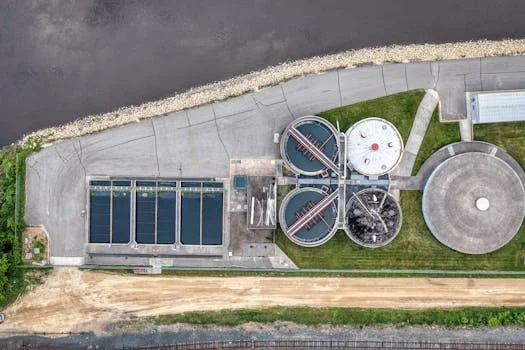
Choosing the optimal wastewater treatment system for an industrial facility in Java requires a systematic approach, balancing technical requirements, regulatory demands, and financial constraints. This decision framework guides facility managers and environmental engineers through the key considerations:
Step 1: Assess Influent Characteristics and Flow Rate. The initial and most critical step is to thoroughly characterize the industrial wastewater. This involves laboratory testing or reviewing historical data to determine key parameters such as COD, BOD, TSS, FOG, pH, and the presence of specific pollutants. Understanding the typical daily and peak flow rates, generally ranging from 50 m³/day to 5,000 m³/day for industrial facilities in Java, is essential for sizing the treatment system accurately. For instance, textile factories often exhibit influent COD levels around 2,000 mg/L, necessitating robust treatment capabilities.
Step 2: Match Technology to Compliance Needs. Based on the influent analysis and the required effluent discharge standards, select the technology that best meets compliance objectives. For facilities primarily concerned with removing floatable solids and grease, a DAF system is often sufficient. However, for strict limits on COD and BOD, an MBR system is generally required due to its superior biological treatment and fine filtration capabilities. Conventional systems may be suitable for facilities with less stringent requirements or as a pre-treatment step.
Step 3: Evaluate Footprint and Installation Constraints. The available space at the facility is a significant factor. MBR systems are a compelling option for sites with limited land, as they can occupy up to 60% less space than conventional activated sludge plants. Consider whether the installation will be above-ground or underground, as underground options can offer aesthetic benefits and space savings but at an increased civil works cost.
Step 4: Compare CAPEX vs. OPEX. While upfront capital expenditure (CAPEX) is an important consideration, it is crucial to evaluate the long-term operational expenditure (OPEX). MBR systems, despite their higher initial cost, often lead to lower OPEX due to reduced sludge disposal volumes and potentially lower energy consumption per unit of pollutant removed compared to less efficient technologies. DAF systems may have lower CAPEX but can incur higher ongoing costs for chemicals and sludge management.
Step 5: Factor in Regional Differences and Future-Proofing. When operating in West Java, where competition might drive down costs, a focus on immediate CAPEX might be more feasible. However, in East Java, where enforcement is often stricter, prioritizing compliance and long-term reliability is paramount, even if it means a higher initial investment. Additionally, consider future regulatory changes and potential for water reuse. Investing in a system that can adapt to stricter standards or facilitate water recycling, such as advanced MBR effluent, can provide significant long-term value and operational resilience.
Frequently Asked Questions
What is the cheapest wastewater treatment option for a small textile factory in Java? For a small textile factory primarily facing challenges with TSS and FOG, a Dissolved Air Flotation (DAF) system typically represents the most cost-effective upfront solution, with costs ranging from IDR 5 billion to IDR 10 billion. However, if the factory also needs to meet strict COD and BOD compliance, an MBR system, with an investment starting from IDR 15 billion, would be necessary for complete regulatory adherence.
How much does it cost to upgrade an existing wastewater treatment plant in Java? Upgrading an existing conventional wastewater treatment plant with MBR membranes to enhance effluent quality can cost between IDR 10 billion and IDR 20 billion. The payback period for such an upgrade is typically between 2–4 years, driven by reduced fines and significantly lower sludge disposal costs.
What are the penalties for non-compliance with East Java Governor Regulation 72/2013? Non-compliance with East Java Governor Regulation 72/2013 can result in substantial penalties. Fines can range from IDR 500 million to IDR 5 billion, and repeat or severe violations may lead to temporary or permanent facility shutdowns, impacting operational continuity.
Can wastewater treatment plants in Java be financed? Yes, various financing options are available for wastewater treatment plants in Java. Small and Medium Enterprises (SMEs) can benefit from government grants, such as those offered by the Ministry of Environment and Forestry (Kementerian Lingkungan Hidup), which may cover 30% to 50% of project costs. Additionally, equipment leasing options are available for specific components like DAF systems, easing the initial capital burden.
How does Java’s climate affect wastewater treatment plant design? Java's tropical climate, characterized by high humidity and significant seasonal rainfall, directly impacts WWTP design. High humidity necessitates the use of corrosion-resistant materials for tanks, piping, and structural components to prevent premature degradation. Seasonal rainfall requires the implementation of effective stormwater separation systems to prevent dilution or hydraulic overload of the treatment processes, ensuring consistent treatment performance throughout the year.
Related Equipment
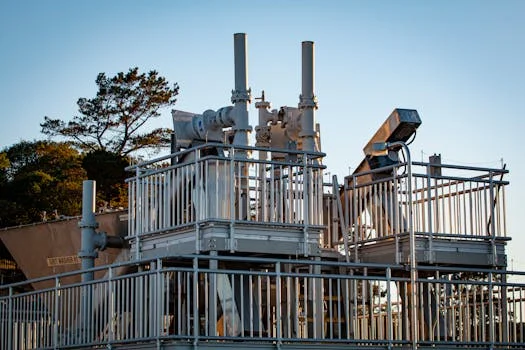
The following HydropureWater products are engineered for the wastewater challenges discussed above:
- high-efficiency DAF system for TSS and FOG removal — view specifications, capacity range, and technical data
- compact MBR system for high-COD wastewater — view specifications, capacity range, and technical data
- PLC-controlled chemical dosing for pH adjustment and coagulation — view specifications, capacity range, and technical data
Need a customized solution? Request a free quote with your specific flow rate and pollutant parameters.