A cavitation air flotation (CAF) system is a high-efficiency pretreatment technology that removes up to 95% of suspended solids (TSS), oils, and grease from industrial wastewater without the need for air compressors or recirculation pumps. Unlike dissolved air flotation (DAF), CAF systems generate micro bubbles (10–80 μm) via a high-speed rotating aerator, creating instantaneous floc formation in a cavitation chamber. This eliminates common DAF failure points like clogged nozzles and reduces energy consumption by 30–40%. CAF systems are ideal for petrochemical, food processing, and oil exploitation applications where influent TSS exceeds 500 mg/L or FOG levels are above 200 mg/L.
How Cavitation Air Flotation Works: The Engineering Behind Micro Bubble Generation
The core of the cavitation air flotation process lies in the mechanical generation of micro-bubbles through a high-speed cavitation aerator. Unlike traditional systems that rely on pressurized air saturation, CAF utilizes the principle of negative pressure. As the aerator's impeller rotates at speeds between 1,400 and 2,800 RPM, it creates a vacuum zone at the base of the intake tube. This vacuum draws atmospheric air down through the shaft, where it is sheared into a dense cloud of micro-bubbles by the stainless steel bulk air impeller (HydropureWater field data, 2025).
These bubbles, typically ranging from 10 to 80 μm in diameter, provide a significantly higher surface-area-to-volume ratio than the larger bubbles produced by standard aeration. This sizing is critical for effective floc attachment. When the micro-bubbles are dispersed into the cavitation chamber, they collide with suspended solids and emulsified oil droplets. Because the bubbles are generated "in-situ" within the wastewater stream, they often form within the floc structure itself, leading to a more stable and buoyant aggregate that rises rapidly to the surface.
| Parameter | Cavitation Air Flotation (CAF) | Dissolved Air Flotation (DAF) | Impact on Efficiency |
|---|---|---|---|
| Bubble Size Range | 10–80 μm | 30–100 μm | Smaller bubbles increase collision probability with fine particles. |
| Bubble Density | Extremely High (Mechanical) | Moderate (Pressure Release) | Higher density ensures no "sinkers" in high-TSS streams. |
| Air Integration | Direct Intake (Atmospheric) | Dissolved under 0.4–0.6 MPa | CAF eliminates energy-intensive saturation tanks. |
| Floc Attachment | Instantaneous/In-situ | Contact zone attachment | CAF provides stronger buoyancy for heavy oily flocs. |
The process flow follows a streamlined path: Influent enters the system and is often conditioned with polymers via a PLC-controlled chemical dosing for optimized flocculation in CAF systems. The water then moves into the cavitation chamber where the aerator is located. The resulting mixture of air and water flows into the primary flotation tank. As the buoyant flocs reach the surface, a chain-driven skimmer removes the sludge blanket into a discharge trough. The clarified effluent exits from the bottom of the tank through a submerged weir.
[Influent] → [Chemical Dosing] → [Cavitation Chamber] → [Flotation Tank] → [Surface Skimming] → [Effluent]
CAF System Components: Engineering Specifications and Design Parameters
Designing an effective CAF system requires precise calibration of the aerator specifications and tank hydraulics. The aerator is the most critical mechanical component, typically constructed from 304 or 316 stainless steel to withstand the corrosive environments of petrochemical or food processing plants. Motor power for these units scales with flow rate, ranging from 0.75 kW for small pilot units to 11 kW for industrial-scale systems capable of handling 300 m³/h. The impeller diameter, usually between 200 mm and 600 mm, determines the air intake rate, which can reach up to 5 m³/min per aerator unit.
Tank design parameters are equally vital. To ensure maximum solids recovery, the hydraulic retention time (HRT) is maintained between 3 and 10 minutes. A surface loading rate of 5–15 m/h is standard, ensuring that the upward velocity of the air-floc clusters exceeds the downward hydraulic velocity. Tank depth is generally kept between 1.5 and 3 meters to prevent turbulence from disrupting the sludge blanket at the surface.
| Treatment Capacity (m³/h) | Aerator Power (kW) | Tank Dimensions (L×W×H mm) | Air Intake Rate (m³/min) |
|---|---|---|---|
| 10–20 | 1.5 | 3200 × 1200 × 1800 | 0.5 – 1.2 |
| 40–60 | 3.0 | 5500 × 1800 × 2200 | 1.8 – 2.5 |
| 100–150 | 5.5 × 2 | 8500 × 2500 × 2500 | 3.5 – 4.5 |
| 250–300 | 11.0 × 2 | 12000 × 3500 × 3000 | 5.0 – 7.5 |
The skimming system must be synchronized with the solids loading. For high-TSS applications, a chain-driven multi-blade skimmer is preferred, allowing for continuous removal of heavy sludge. The sludge removal capacity can range from 5 to 50 kg/m²/h depending on the influent concentration. Modern systems integrate these components into a SCADA-compatible PLC control cabinet, allowing operators to adjust aerator speed and skimming frequency based on real-time influent sensors. For more details on flotation hardware, you can compare DAF clarifier specifications and selection criteria to see how tank geometries differ across technologies.
CAF vs DAF: Head-to-Head Comparison for Industrial Wastewater Pretreatment
While both technologies utilize air flotation, the operational trade-offs between CAF and DAF are significant. The most notable difference is the elimination of the "air saturation" loop in CAF systems. A standard dissolved air flotation system for high-efficiency pretreatment requires a recirculation pump, a pressure vessel (saturation tank), and an air compressor. These components not only increase the physical footprint by 30–50% but also represent multiple points of potential mechanical failure, such as nozzle clogging and pressure seal leaks.
From a performance perspective, CAF excels in "dirty" streams where TSS exceeds 500 mg/L. In these scenarios, the high density of micro-bubbles generated by the cavitation aerator provides superior lifting power. However, DAF often achieves slightly better clarity in low-TSS streams (under 100 mg/L) because the bubbles produced by pressure release are typically more uniform in size, allowing for the removal of very fine colloidal particles that might bypass a CAF unit.
| Metric | Cavitation Air Flotation (CAF) | Dissolved Air Flotation (DAF) |
|---|---|---|
| Energy Consumption | 0.1 – 0.3 kWh/m³ | 0.3 – 0.6 kWh/m³ |
| Capital Cost (CAPEX) | Lower (20–30% less) | Higher (Auxiliary equipment) |
| Maintenance Complexity | Low (No nozzles/compressors) | High (Pump/Pressure vessel) |
| Footprint | Compact | Large (Requires 1.5x space) |
| TSS Removal Efficiency | 92% – 97% | 85% – 95% |
| FOG Removal Efficiency | 95% – 99% | 90% – 98% |
Energy costs represent a major long-term differentiator. For a facility treating 50 m³/h, a CAF system's lower power requirement can save approximately $3,500–$5,000 annually in electricity alone (based on $0.12/kWh). maintenance costs for CAF are significantly lower because the system lacks the high-pressure components that require frequent seal replacements and certified inspections. To explore the broader science of these bubbles, learn more about micro bubble flotation technology and its applications.
When to Choose a Cavitation Air Flotation System: Decision Framework for Engineers
Selecting the right flotation technology depends on a matrix of wastewater characteristics and operational goals. Engineers should follow a structured decision framework to avoid underspecifying the system.
Step 1: Characterize the Stream. CAF is the primary choice if the wastewater meets at least two of the following: TSS > 500 mg/L, FOG > 200 mg/L, or free oil content > 100 mg/L. If the stream is highly variable with sudden "slugs" of oil, CAF’s mechanical aeration is more resilient than DAF’s sensitive pressure-release nozzles.
Step 2: Evaluate Site Constraints. If floor space is at a premium or if the installation is a retrofit into an existing building, the compact nature of CAF is a decisive factor. Additionally, if the facility lacks a robust compressed air network, CAF’s self-aspirating aerator simplifies the utility requirements.
Step 3: Analyze ROI. Use the following formula to estimate the return on investment: ROI = (Annual O&M Savings + Chemical Savings) / (CAPEX Differential). Because CAF systems often require less polymer due to the high-energy mixing in the cavitation chamber, the chemical savings can be substantial over a 5-year period.
| If Influent Parameter is... | And Goal is... | Recommended System |
|---|---|---|
| High TSS (>1,000 mg/L) | Primary Solids Removal | CAF (Cavitation Air Flotation) |
| Heavy Oily/Greasy Waste | Prevent Downstream Fouling | CAF (Cavitation Air Flotation) |
| Low TSS (<150 mg/L) | Polishing/Final Clarification | DAF (Dissolved Air Flotation) |
| Strict COD Limits | Max COD Reduction | CAF with Advanced Coagulation |
Step 4: Pilot Testing. For complex industrial streams, such as those found in textile dyeing or pharmaceutical manufacturing, bench-scale testing is recommended. Parameters to monitor during pilot runs include optimal impeller RPM for bubble size distribution and the specific retention time required to achieve target effluent quality (HydropureWater field data, 2025).
Real-World Performance: Case Study of a Petrochemical Plant CAF Installation
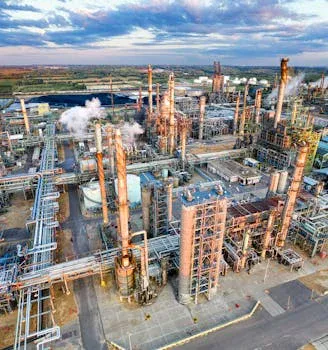
In 2023, a major petrochemical refinery in Shandong Province, China, faced critical failures in their wastewater pretreatment stage. The facility was processing 80 m³/h of oily wastewater with influent TSS levels of 1,200 mg/L and FOG concentrations averaging 350 mg/L. Their existing DAF system was plagued by weekly nozzle clogging, requiring 8 hours of downtime for manual cleaning and acid washing. Energy costs for the recirculation pumps and compressors were exceeding $0.50 per cubic meter of water treated.
The refinery replaced the aging DAF with a HydropureWater CAF system featuring a 90 m³/h capacity tank and dual 5.5 kW cavitation aerators. The system was integrated with the existing PLC for automated skimming. By utilizing the cavitation aerator's high-shear environment, the plant was able to reduce its polymer consumption by 15% while maintaining a more stable sludge blanket.
| Performance Metric | Baseline (Old DAF) | Post-Installation (CAF) | Improvement (%) |
|---|---|---|---|
| Effluent TSS (mg/L) | 180 – 250 | 45 – 60 | ~75% Improvement |
| Effluent FOG (mg/L) | 35 – 50 | < 10 | ~80% Improvement |
| Energy Cost ($/m³) | $0.52 | $0.21 | 60% Reduction |
| Monthly Downtime | 32 Hours | 0 Hours | 100% Reduction |
Lessons learned from this installation highlighted the importance of aerator speed optimization. Initially set at 2,800 RPM, the aerator created excessive turbulence that sheared the flocs. By adjusting the VFD to 2,200 RPM, the plant achieved the ideal bubble size distribution for their specific oil density, resulting in the 98% FOG removal rate noted in the final performance audit. The elimination of downtime alone resulted in a project payback period of less than 14 months.
Frequently Asked Questions
What is the typical lifespan of a cavitation aerator impeller?In standard industrial applications, a 316 stainless steel impeller has a service life of 15,000 to 20,000 operating hours. Lifespan depends heavily on the abrasiveness of the influent solids. Regular inspection of the impeller leading edges every 6 months is recommended to ensure bubble size distribution remains within the 10–80 μm specification.
Can CAF systems operate without chemical flocculants?Yes, CAF systems can remove free oils and large suspended solids mechanically. However, to achieve TSS removal rates above 90% or to break emulsified oils, coagulants (like PAC) and flocculants (like PAM) are typically required. The cavitation chamber provides excellent flash mixing, often reducing the required mixing energy compared to separate coagulation tanks.
How does CAF handle fluctuations in wastewater pH?CAF systems are mechanically robust across a pH range of 4 to 10. However, flotation efficiency is chemically dependent; pH affects the zeta potential of the particles and the effectiveness of the flocculants. For optimal performance, pH should be neutralized to 7.0–8.5 prior to entering the cavitation chamber to ensure stable floc formation.