In Turkmenistan, sludge dewatering equipment must balance high solids capture (90–98% for filter presses, 80–90% for belt presses) with operational costs and local compliance. For example, a 50 m³/h textile wastewater plant in Ashgabat using a plate-and-frame filter press can reduce sludge volume by 70–80%, cutting disposal costs by up to 60% annually. Key considerations include Turkmenistan’s State Standards for industrial discharge (e.g., TDS < 2,000 mg/L) and climate-adapted materials (e.g., corrosion-resistant coatings for high temperatures). This guide provides 2025 engineering specs, cost benchmarks, and supplier options tailored to Turkmenistan’s market.
Why Sludge Dewatering is Critical for Turkmenistan’s Industries
Industrial sludge management in Turkmenistan is increasingly defined by the intersection of rapid industrial expansion and stringent water conservation mandates. The oil and gas sector, centered around Turkmenbashi and the Balkan region, generates approximately 2,500 to 4,000 tons of oily sludge annually from refinery operations and drilling mud. Similarly, the textile industry—a cornerstone of the national economy with major hubs in Ashgabat and Mary—produces roughly 1,200 tons of dye-heavy sludge per year. Without effective dewatering, these high-volume waste streams present significant logistical and financial burdens.
Sludge disposal costs in Turkmenistan are rising due to increased transport distances and landfill management fees. Current landfill fees for industrial waste range from TMT 50 to TMT 150 per ton, but transport costs to remote disposal sites can reach TMT 200–400 per ton. Regulatory fines for non-compliance with State Standards, particularly regarding moisture content (which must be below 60% for landfilling), act as a further catalyst for investment in dewatering technology. Turkmenistan’s arid climate, characterized by summer temperatures exceeding 50°C, necessitates equipment that can withstand thermal expansion and maintain polymer efficacy under extreme heat.
Climate factors also dictate maintenance cycles. Dust storms in the Karakum region increase the risk of abrasive wear on moving parts, such as belt rollers and centrifuge bearings. High temperatures accelerate the degradation of standard seals and coatings, making corrosion-resistant materials and climate-adapted enclosures essential for outdoor installations. A food processing plant in Ashgabat recently demonstrated the value of these upgrades; by replacing an aging drying bed with a modern belt press, they reduced sludge disposal volume by 45%, achieving a payback period of just 22 months through saved transport fees and reduced labor.
Sludge Dewatering Methods: How They Work and Which Fits Your Project
Selecting the correct dewatering mechanism depends on the sludge’s chemical composition and the required final cake dryness. For Turkmenistan’s textile and municipal sectors, the belt filter press is a common choice. It operates through a three-stage process: gravity drainage, where free water is removed; a wedge zone that applies gradual pressure; and a high-pressure zone where the sludge is squeezed between two tensioned belts. While efficient for continuous operation, belt presses are sensitive to feed variability and typically require a higher dosage of flocculants through an automated polymer dosing system for optimal sludge conditioning.
For applications requiring the highest possible solids concentration, such as oil refinery sludge or hazardous chemical waste, the plate-and-frame filter press is the engineering standard. This batch-process equipment utilizes high-pressure pumps (typically 7 to 15 bar) to force sludge into chambers lined with filter cloths. The result is a cake with 30–50% solids content. A high-efficiency plate-and-frame filter press for Turkmenistan’s industrial sludge is particularly effective at meeting the <60% moisture requirement mandated by Turkmen State Standard 34.1-2020.
Decanter centrifuges are preferred in the oil and gas sector for their ability to handle oily sludge and high solids loading (up to 150 m³/h). They use centrifugal force to separate solids based on density, offering a compact footprint but requiring higher energy consumption (1.5–3.0 kWh/m³). Emerging technologies like screw presses are gaining traction in small-scale municipal plants in the Lebap region due to their low energy requirements and minimal noise, aligning with global trends noted in global sludge press equipment specifications for 2025.
| Method | Solids Capture Rate | Final Cake Dryness | Energy Consumption | Best For |
|---|---|---|---|---|
| Belt Filter Press | 80–90% | 18–25% | Low (0.5–1.5 kWh/m³) | Textiles, Municipal |
| Filter Press | 90–98% | 30–50% | Medium (0.8–2.0 kWh/m³) | Oil/Gas, Mining, Chemical |
| Centrifuge | 85–95% | 20–35% | High (1.5–3.0 kWh/m³) | Oily Sludge, Large Scale |
| Screw Press | 70–85% | 15–22% | Very Low (<0.5 kWh/m³) | Small Municipal, Food |
2025 Engineering Specifications for Sludge Dewatering Equipment in Turkmenistan
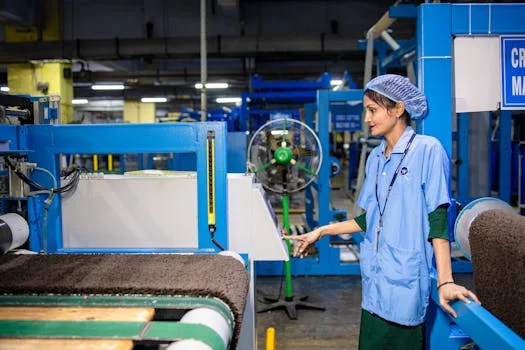
Engineering specifications for projects in Turkmenistan must account for both the hydraulic load and the specific gravity of the sludge. For example, a 20 m³/h belt press is ideal for a 50-bed hospital or a medium-sized dairy in Turkmenabat, whereas a 100 m³/h filter press may be required for a state-run refinery. Solids capture efficiency is a critical KPI; filter presses consistently achieve 95%+ capture for sludge with 5–10% influent solids, which is vital for preventing the recycling of solids back to the head of the wastewater treatment plant.
Footprint and layout are often constrained in retrofit projects in Ashgabat’s industrial zones. While belt presses are relatively compact (5–20 m²), filter presses require a larger footprint (10–50 m²) to accommodate plate shifting and cake discharge mechanisms. In Turkmenistan’s climate, indoor installation is recommended to protect PLC units and hydraulic systems from dust, though outdoor units can be specified with IP65-rated enclosures and specialized cooling systems. Material compatibility is another priority: SS304 or SS316 stainless steel is mandatory for corrosive textile dye sludge, while carbon steel with heavy-duty epoxy coating suffices for municipal organic sludge.
| Parameter | Belt Filter Press | Plate-and-Frame Filter Press | Decanter Centrifuge |
|---|---|---|---|
| Flow Rate Range | 0.5 – 50 m³/h | 1 – 100 m³/h | 5 – 150 m³/h |
| Influent Solids % | 1 – 5% | 2 – 30% | 1 – 15% |
| Filtration Area | Up to 3000 mm width | 10 – 500 m² | N/A (Bowl Diameter based) |
| Automation Level | Semi to Fully Auto | Manual to Fully Auto | Fully Automatic |
| Typical Footprint | 12 – 18 m² | 15 – 45 m² | 6 – 12 m² |
Automation levels significantly impact long-term OPEX. Fully automatic systems equipped with remote monitoring and data logging add approximately 20–30% to the initial CAPEX but reduce labor costs by 15% and polymer waste by 10%. For operators in remote regions like Mary, remote diagnostic capabilities are essential to minimize downtime given the limited availability of specialized technicians.
Cost Breakdown: CAPEX, OPEX, and ROI for Sludge Dewatering in Turkmenistan
Financial planning for sludge dewatering in Turkmenistan requires a clear understanding of both the initial investment and the localized operational costs. CAPEX for a standard belt press ranges from TMT 80,000 to TMT 300,000, while a high-efficiency plate-and-frame filter press for Turkmenistan’s industrial sludge can range from TMT 150,000 to TMT 600,000 depending on the filtration area and degree of automation. These prices include the base machine but often exclude auxiliary equipment like feed pumps and conveyors.
OPEX is dominated by polymer consumption and energy. In Turkmenistan, polymer costs approximately TMT 25–40 per kg, with consumption rates of 0.5–3 kg per ton of dry solids. Energy use is relatively low for filter presses (0.3–1 kWh/m³) compared to centrifuges. Maintenance must also be budgeted; filter cloths require replacement every 6 to 12 months, costing between TMT 5,000 and TMT 20,000 per set. The primary driver for ROI is the reduction in disposal volume. Dewatered sludge (25% solids) costs significantly less to transport and landfill than raw sludge (3% solids). A 10 m³/h filter press in an Ashgabat textile plant typically pays for itself in 2.5 years by reducing daily sludge volume from 100 m³ to approximately 12 m³.
| Cost Component | Estimated Cost (TMT) | Frequency / Basis |
|---|---|---|
| Filter Press CAPEX | 150,000 – 600,000 | One-time investment |
| Polymer (Flocculant) | 25 – 40 per kg | Ongoing (0.5-3kg/ton DS) |
| Energy (Electricity) | 0.15 – 0.30 per kWh | Industrial rate dependent |
| Maintenance (Cloths/Parts) | 10,000 – 30,000 | Annual estimate |
| Import Duties & Taxes | 15% – 20% of Value | Non-CIS equipment |
Hidden costs often include import duties (15–20% for equipment sourced outside the CIS) and installation civil works, which can range from TMT 20,000 to TMT 50,000. It is also worth comparing how Thailand’s sludge dewatering market compares to Turkmenistan’s in terms of logistics and import structures to identify potential cost-saving shipping routes through the Caspian Sea.
Turkmenistan’s Regulatory Landscape: Compliance and Permitting for Sludge Dewatering
Compliance with the Ministry of Environmental Protection is mandatory for any industrial project in Turkmenistan. The primary regulatory framework is the Turkmen State Standard (TDS) for industrial discharge and waste management. For sludge, the most critical limit is the moisture content, which must be verified at <60% before any municipal or industrial landfill will accept the material. the filtrate (the water removed during dewatering) must meet discharge standards, typically requiring a Total Dissolved Solids (TDS) count of less than 2,000 mg/L and specific limits on heavy metals (e.g., Chromium < 1.5 mg/L for textile plants).
The permitting process generally takes 3 to 6 months and requires a comprehensive Environmental Impact Assessment (EIA), detailed equipment specifications, and a sludge characterization report. Local Hyakimliks (municipalities) are responsible for overseeing the transport of dewatered sludge to designated sites. For hazardous sludge, such as that from oil refineries in Turkmenbashi, incineration is often the only legal disposal route, costing TMT 300–600 per ton, which further incentivizes maximum dewatering to reduce weight.
Beneficial reuse is an emerging trend. Non-hazardous organic sludge from food processing may be approved for agricultural use as a soil conditioner, provided it meets pathogen and heavy metal limits. A refinery in Turkmenbashi recently reduced its permitting timeline by 40% by engaging a local environmental consultant to pre-verify equipment specs against Ministry standards before the procurement phase began. This proactive approach ensures that the selected high-efficiency plate-and-frame filter press for Turkmenistan’s industrial sludge is fully compliant upon arrival.
Local vs. International Suppliers: How to Choose for Your Turkmenistan Project
Choosing between a local distributor and an international manufacturer involves balancing lead times against technical sophistication. Local suppliers, often based in Ashgabat or Turkmenbashi, offer the advantage of faster delivery and local currency transactions. However, they may have a limited range of high-pressure equipment. International suppliers like HydropureWater provide access to global engineering standards and specialized materials. HydropureWater, for instance, has experience supplying filter presses to textile facilities in Ashgabat, ensuring that the equipment is configured for local power grids (380V/50Hz) and environmental conditions.
Warranty and after-sales support are the most critical factors in the decision framework. While international suppliers offer longer warranties (2–5 years), the lack of on-site technicians can lead to extended downtime. It is advisable to select an international manufacturer that has a service partnership with a local Turkmen engineering firm. This hybrid model ensures you receive high-quality equipment with the security of 24-hour local support.
| Factor | Local Supplier | International (e.g., HydropureWater) |
|---|---|---|
| Lead Time | 4 – 8 Weeks | 10 – 16 Weeks |
| Import Duty | Included in price | 15 – 20% extra |
| Technical Range | Standard / Limited | Custom / Advanced |
| After-Sales Support | On-site (Fast) | Remote / Partner-based |
| Pricing | Higher (Margin-based) | Lower (Factory-direct) |
When evaluating suppliers, ask five key questions: 1) Do you have a local service partner in Turkmenistan? 2) Can your PLC handle voltage fluctuations common in the Balkan region? 3) What is the lead time for replacement filter cloths? 4) Do you provide on-site operator training in Turkmen or Russian? 5) Can you provide a sludge characterization report from a similar project in Central Asia?
Frequently Asked Questions
What is the maximum moisture content allowed for sludge disposal in Turkmenistan? Per Turkmen State Standard 34.1-2020, industrial sludge must typically have a moisture content of 60% or less to be accepted at state-managed landfills. Achieving this usually requires a high-pressure plate-and-frame filter press, as belt presses often result in 75–80% moisture.
How much does a sludge dewatering system cost in Turkmenistan? For a medium-scale industrial plant, CAPEX ranges from TMT 150,000 to TMT 450,000. This includes the dewatering unit and basic automation. OPEX, including polymer and electricity, typically averages TMT 35–60 per ton of dry solids processed, depending on local utility rates.
Which equipment is best for oily sludge in the Turkmenbashi refinery sector? Decanter centrifuges are the industry standard for oily sludge due to their high throughput and ability to separate oil, water, and solids effectively. However, for smaller batches or higher cake dryness, a specialized filter press with oil-resistant membranes is often more cost-effective.
Are there tax incentives for wastewater equipment in Turkmenistan? Under the current Law on Nature Protection, certain water-efficient technologies may qualify for reduced import duties or VAT exemptions. It is recommended to consult with the Ministry of Finance and Economy during the project planning phase to verify current incentives.