Batam’s Industrial Wastewater Challenge: Why Compliance is Non-Negotiable in 2025
In Batam, industrial wastewater treatment must comply with Indonesian Ministry of Environment Regulation No. 5/2014 (Group I) and Government Regulation No. 82/2001 (Class I raw water standards). For example, Batamindo Industrial Park’s pilot wetland system achieved 80% COD removal from 100 mg/L influent at flow rates of 10–40 m³/day. However, 2025 regulations now require stricter limits for heavy metals (e.g., Pb < 0.03 mg/L) and TSS (<30 mg/L), necessitating advanced systems like DAF or MBR. This guide provides engineering specs, cost data, and a compliance checklist for Batam’s industrial sectors.
Failure to comply with Indonesian environmental standards in Batam can result in administrative fines of up to IDR 5 billion and the immediate suspension of industrial operating permits. The Batam Environmental Agency (Dinas Lingkungan Hidup - DLH Batam) has intensified enforcement in 2023 and 2024, targeting facilities in the electronics, shipbuilding, and textile sectors. Recent reports indicate that several manufacturing plants in the Tanjung Uncang and Kabil industrial zones were issued "Red" ratings in the PROPER (Public Disclosure Program for Environmental Management) assessment, leading to mandatory production halts until treatment upgrades were verified. For a facility manager, the economic risk of a 14-day production halt often exceeds the total capital investment of a modern wastewater plant.
Batam’s unique industrial mix creates complex wastewater profiles. The electronics sector, a cornerstone of the Batamindo and Panbil estates, generates effluent laden with heavy metals and acidic stripping agents. Shipbuilding activities in Tanjung Uncang contribute high levels of suspended solids and emulsified oils. Meanwhile, the growing food processing and textile sectors discharge high organic loads (COD/BOD) and synthetic dyes. Under Permen LHK No. 5/2014, these industries must ensure their "Group I" sewage and process water meet stringent benchmarks before discharge into municipal drains or coastal waters. As Batam moves toward a "Green Industry" model in 2025, the margin for error in effluent quality has effectively vanished.
The cost of non-compliance extends beyond fines. Many Batam-based manufacturers are part of global supply chains that require ISO 14001 certification and adherence to Environmental, Social, and Governance (ESG) criteria. A single regulatory violation can disqualify a factory from international procurement contracts. Conversely, investing in robust treatment technology allows for water recycling, which is particularly valuable in Batam where water utility costs (SPAM Batam) continue to rise. Transitioning from basic primary treatment to advanced tertiary systems is no longer a luxury—it is a prerequisite for operational continuity.
Influent Characteristics: What Batam’s Factories Are Discharging (And Why It Matters)
Industrial influent in Batam varies significantly by sector, with electronics manufacturing producing high concentrations of heavy metals like Lead (Pb) and Copper (Cu), while food processing generates Chemical Oxygen Demand (COD) levels exceeding 3,000 mg/L. Understanding these parameters is the first step in engineering an effective solution. For instance, the how COD/BOD ratios affect treatment technology selection is critical; a ratio below 0.5 suggests that biological treatment alone will be insufficient, requiring chemical or physical pre-treatment.
Data from Batam Environmental Agency 2024 reports and HydropureWater field audits highlight the following typical influent profiles for the region’s key sectors:
| Sector | COD (mg/L) | TSS (mg/L) | Key Contaminants | pH Range |
|---|---|---|---|---|
| Electronics | 500–1,200 | 50–150 | Pb (0.5–2 mg/L), Cu (1–5 mg/L) | 3.0–6.0 |
| Shipbuilding | 300–800 | 200–600 | Oil & Grease (50–200 mg/L) | 7.0–9.0 |
| Textiles | 800–2,000 | 100–400 | Color (500–1,500 Pt-Co) | 9.0–12.0 |
| Food Processing | 1,000–3,000 | 200–800 | FOG (100–500 mg/L) | 5.0–8.0 |
The choice of technology is driven by these specific loads. High concentrations of Fats, Oils, and Grease (FOG) in food processing wastewater will quickly foul biological membranes, making Dissolved Air Flotation (DAF) an essential pre-treatment step. In contrast, the heavy metal removal required for electronics manufacturing necessitates specialized chemical dosing systems for Batam’s textile wastewater and electronics waste to ensure metals precipitate out of the solution before filtration.
Historical data from the Batamindo Industrial Park’s pilot wetland system (2017) showed that while natural systems can handle low-load organic matter, they fail to meet the 2025 heavy metal limits, such as Lead (Pb) levels below 0.03 mg/L. Modern factories in Batam are now shifting toward compact, high-efficiency mechanical systems to ensure consistent compliance regardless of influent fluctuations. This transition is essential for meeting the GR No. 82/2001 Class I standards, which are often required for facilities discharging near raw water catchment areas.
Treatment Technologies Compared: DAF vs. MBR vs. Chemical Dosing for Batam’s Industries
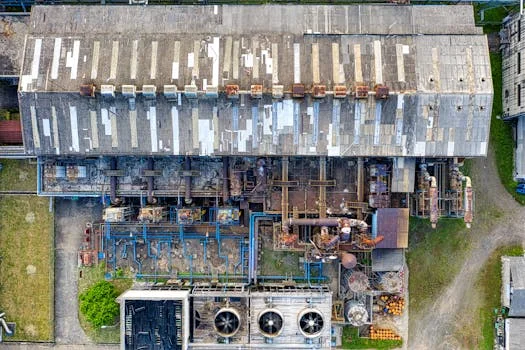
Dissolved Air Flotation (DAF) and Membrane Bioreactors (MBR) offer distinct advantages for Batam’s industrial landscape, with DAF achieving up to 99% Fat, Oil, and Grease (FOG) removal and MBR delivering 99.9% Total Suspended Solids (TSS) reduction. Selecting the correct technology requires a balance between effluent quality requirements, available footprint, and operational budget.
Dissolved Air Flotation (DAF): This process removes suspended matter such as oil or solids by dissolving air in the wastewater under pressure and then releasing the air at atmospheric pressure in a flotation tank. The resulting micro-bubbles attach to the suspended matter, causing it to float to the surface where it is skimmed off. DAF systems for Batam’s industrial wastewater are particularly effective for the shipbuilding and food processing sectors where oil and grease are the primary concerns.
Membrane Bioreactor (MBR): MBR combines conventional biological treatment (activated sludge) with membrane filtration (typically microfiltration or ultrafiltration). This eliminates the need for secondary clarifiers and produces an effluent of high enough quality for water reuse. MBR systems for high-COD wastewater in Batam are the gold standard for electronics and pharmaceutical factories where space is limited and discharge standards are exceptionally high.
Chemical Dosing: This involves the automated addition of coagulants (like Alum or PAC) and flocculants (Polymers) to neutralize particle charges and facilitate the settling of solids or heavy metals. This is often a critical component of a larger system, especially for the textile industry to remove color and for electronics to remove dissolved metals.
| Feature | DAF System | MBR System | Chemical Dosing |
|---|---|---|---|
| TSS Removal | 90–98% | >99.9% | 80–95% |
| COD Removal | 50–70% | 90–95% | 70–90% |
| Footprint | Medium (10–50 m²) | Small (5–30 m²) | Variable |
| Automation | Moderate | High | Moderate to High |
| Best For | FOG, Oil, & TSS | High COD, Reuse | Heavy Metals, Color |
For Batam’s food processing plants, DAF systems for food processing wastewater are often the most cost-effective primary treatment. However, if the facility aims to recycle water for cooling towers or irrigation, an MBR system is usually integrated as a secondary or tertiary stage. The high automation of MBR systems reduces the need for constant manual monitoring, which is a significant advantage for facilities with lean engineering teams.
Cost Breakdown: How Much Does Industrial Wastewater Treatment Cost in Batam?
The average Capital Expenditure (CAPEX) for a mid-scale industrial wastewater treatment system in Batam ranges from IDR 1.5 billion to IDR 6 billion, depending on the technology's complexity and flow rate requirements. Budgeting for 2025 requires a comprehensive view of both the initial investment and the long-term Operational Expenditure (OPEX), which includes energy, chemicals, and sludge disposal.
Based on current market data for Batam industrial zones, the following CAPEX and OPEX benchmarks apply:
| System Type | CAPEX Range (IDR) | Annual OPEX (IDR) | Typical Payback (Years) |
|---|---|---|---|
| DAF System (50 m³/h) | 1.5B – 4.0B | 200M – 500M | 2.5 – 4.0 |
| MBR System (500 m³/day) | 2.0B – 6.0B | 300M – 800M | 3.0 – 5.0 |
| Chemical Dosing Only | 500M – 1.5B | 150M – 400M | 1.5 – 3.0 |
To calculate the Return on Investment (ROI) for a treatment system in Batam, use the following engineering formula:
ROI Payback Period = CAPEX / (Annual Avoided Fines + Annual Water Reuse Savings - Annual OPEX)
For example, a textile factory in the Kabil Industrial Estate installing a DAF and chemical dosing system for IDR 2.5 billion can avoid potential fines of IDR 800 million annually and save IDR 300 million in water costs through recycling. With an OPEX of IDR 400 million, the payback period is approximately 3.5 years. This calculation does not even account for the intangible benefit of maintaining a "Green" PROPER rating, which is essential for permit renewals.
Hidden costs often overlooked by procurement teams in Batam include the Persetujuan Teknis (Pertek) permitting process, which can cost between IDR 200 million and IDR 500 million for consultancy and laboratory testing. Additionally, facilities should explore funding options; the Batam Environmental Agency occasionally offers grants for SMEs, and several Indonesian banks provide "Green Loans" with subsidized interest rates for environmental infrastructure projects in Special Economic Zones (SEZ).
Step-by-Step Compliance Checklist for Batam’s Industrial Facilities
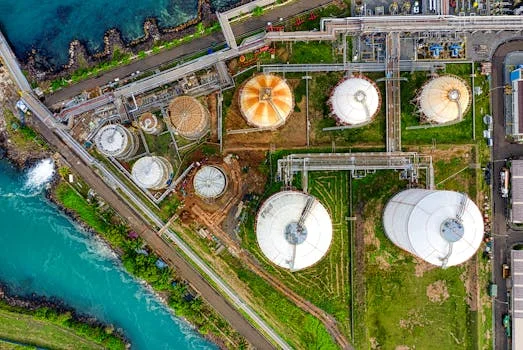
Achieving 2025 compliance in Batam requires a multi-stage permitting process through the Batam Environmental Agency (DLH), beginning with the technical approval of wastewater disposal systems (Persetujuan Teknis). This structured approach ensures that the engineering design aligns with both Indonesia-wide wastewater treatment standards and local Batam municipal requirements.
- Characterize Influent: Conduct 7-day composite sampling to establish baseline COD, BOD, TSS, and heavy metal concentrations. Ensure testing is done by a KAN-accredited laboratory in Batam.
- Pre-Treatment Setup: Install equalization tanks to buffer pH swings and flow surges. For Batam’s electronics sector, ensure pH adjustment (typically to 8.5–9.5) is integrated to facilitate metal precipitation.
- Technology Selection: Use the comparison data provided above to match technology to your sector. For example, choose DAF if your FOG levels exceed 100 mg/L, or MBR if you require effluent COD below 50 mg/L for reuse.
- Secure Pertek and SLO: Submit your technical plan to DLH Batam to obtain the Persetujuan Teknis. Once the system is built, apply for the Surat Layak Operasi (SLO) after a successful trial period.
- Implement Monitoring: Install continuous monitoring sensors for pH and flow. For 2025, many large-scale Batam factories are required to link their monitoring data to the Ministry of Environment’s SIMPEL (Electronic Environmental Reporting System).
- Sludge Management: Contract with a licensed B3 (hazardous waste) collector in Batam for the disposal of chemical and biological sludge, as required by Government Regulation No. 101/2014.
Water reuse is the final frontier of compliance in Batam. By integrating an Ultrafiltration (UF) or Reverse Osmosis (RO) stage after an MBR system, factories can reclaim up to 70% of their process water. This not only mitigates the risk of water shortages—a recurring issue in Batam—but also positions the facility as a leader in the circular economy, significantly enhancing its ESG profile for international auditors.
Frequently Asked Questions
What are the latest wastewater discharge limits for Batam’s industrial zones in 2025?
Under Permen LHK No. 5/2014 and GR No. 82/2001, most industrial zones require COD < 100 mg/L, BOD < 30 mg/L, TSS < 30 mg/L, and pH 6–9. Heavy metal limits have tightened, with Lead (Pb) required to be below 0.03 mg/L for Class I compliance.
How do I choose between DAF and MBR for my factory’s wastewater?
Choose DAF if your wastewater has high levels of floating contaminants like oil, grease, or light suspended solids (common in food processing and shipbuilding). Choose MBR if you have high organic loads (COD/BOD) and require a compact system that produces high-quality effluent suitable for reuse.
What is the typical payback period for a wastewater treatment system in Batam?
The typical payback period is 2 to 5 years. This is calculated by weighing the CAPEX against the savings from avoided regulatory fines, lower water procurement costs through reuse, and reduced sewage discharge fees.
Are there government incentives for installing wastewater treatment systems in Batam?
Yes. The Batam Environmental Agency and the Ministry of Industry offer various incentives, including tax allowances for environmental investments and potential grants for facilities that achieve "Green Industry" certification. Factories in Special Economic Zones (SEZ) like Kabil may also access specific fiscal benefits.
What maintenance is required for a DAF system?
DAF systems require weekly skimming mechanism inspections, monthly cleaning of the air dissolution (saturation) tank, and quarterly checks on the pressure pumps and chemical dosing pumps. Annual maintenance costs typically range from 5% to 10% of the initial CAPEX.