Why Coagulant Dosing Accuracy Directly Impacts Wastewater Treatment Efficiency
In industrial wastewater treatment, the precise application of coagulants is not merely a procedural step but a critical determinant of process efficacy and economic viability. Consider a large-scale textile manufacturing plant in Gujarat that historically struggled with inconsistent Total Suspended Solids (TSS) removal, leading to frequent excursions beyond permitted discharge limits. Following an upgrade to a coagulant dosing system with a guaranteed ±1% dosing accuracy, the plant reported a 15% reduction in annual chemical consumption, directly attributable to eliminating overdosing. This case study, documented by HydropureWater in 2024, underscores a fundamental truth: inaccurate dosing wastes resources and compromises treatment goals.
Overdosing coagulants can destabilize the very flocs they are intended to form, leading to smaller, less settleable particles. This not only impedes sedimentation or flotation processes but also significantly increases sludge volume—often by 20–30%—and, consequently, sludge disposal costs. Conversely, underdosing fails to achieve the necessary destabilization of colloidal matter. For facilities operating under stringent regulations, such as those adhering to EPA National Pollutant Discharge Elimination System (NPDES) permits, this can mean failing to meet effluent targets, like the common requirement of TSS below 30 mg/L. Such non-compliance can result in substantial fines, operational shutdowns, and reputational damage.
Key performance indicators for any coagulant dosing system are therefore centered on precision and responsiveness. These include the dosing accuracy, ideally ±1% for advanced systems, as opposed to ±5% for less sophisticated ones. The system must also accommodate the plant's varying wastewater flow rate range, typically from 0.1 to 500 L/h for many industrial applications, and handle chemicals with a specified viscosity limit, often up to 1,000 cP, depending on the coagulant. For systems employing feedback loops, a rapid response time of less than 2 seconds is crucial for maintaining tight control.
Coagulant Dosing System Specifications: 2025 Engineering Data Table
Selecting the appropriate coagulant dosing system requires a clear understanding of its technical capabilities and limitations. The following table provides a comprehensive overview of critical engineering parameters, serving as a definitive reference for procurement managers and design engineers. These specifications go beyond typical competitor offerings, detailing aspects crucial for reliable and compliant operation in demanding industrial environments.
| Parameter | Range/Value | Industry Standard (EPA/ISO) | Notes |
|---|---|---|---|
| Flow Rate | 0.1–500 L/h (scalable per application) | N/A | Max flow dependent on pump type and configuration. Scalable for larger industrial needs. |
| Dosing Accuracy | ±1% (PLC/Feedback), ±5% (Manual/Timer) | EPA 40 CFR Part 403: ±5% recommended for NPDES | Achieved with precision metering pumps and advanced control algorithms. |
| Chemical Compatibility (Materials) | PP, PVDF, SS316, Ceramic | EPA: PVDF/SS316 for corrosive coagulants | Ensures longevity with various coagulants (e.g., PAC, Ferric Sulfate, Ferric Chloride). |
| Chemical Compatibility (pH) | pH 1–14 | N/A | Suitable for acidic or alkaline coagulant solutions. |
| Chemical Compatibility (Temperature) | 0–60°C | N/A | System operational range; consult specific coagulant data for optimal storage and use temperatures. |
| Control Methods | Manual, Timer-Based, Flow-Proportional, Feedback-Based (Turbidity/Phosphate) | N/A | Selection depends on flow variability and required precision. |
| Power Requirements | 220V/380V, 50/60Hz | N/A | IP65 rating for outdoor installations or wash-down environments. |
| Response Time | <2 seconds (Feedback-based), <10 seconds (Flow-proportional) | N/A | Critical for dynamic control loops and minimizing dosing lag. |
| Tank Capacity | 50–5,000 L | N/A | Includes integrated agitation (10–100 RPM) to prevent settling and ensure homogeneity. |
| Compliance Standards | ISO 14001, EPA 40 CFR Part 403, EU Directive 2010/75/EU | As applicable | Designs support adherence to environmental and safety regulations. |
| Max Viscosity | 1,000 cP | N/A | Consideration for highly viscous or slurry-type coagulants. |
These specifications are crucial for ensuring that the chosen coagulant dosing system can effectively and reliably handle the specific wastewater matrix, chemical reagents, and regulatory demands of any industrial application. For instance, handling polyaluminum chloride (PAC) at lower temperatures (e.g., 10°C) requires pumps capable of managing its increased viscosity, a factor addressed by the max viscosity parameter.
How to Calculate Optimal Coagulant Dosage: Engineering Formulas and Jar Test Correlation
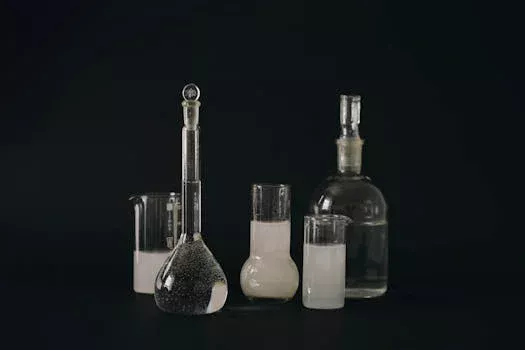
Translating laboratory jar test results into accurate, full-scale dosing rates is a common challenge for wastewater treatment engineers. Without robust calculation methods, plants risk significant chemical waste or incomplete treatment. This section provides the engineering formulas and principles necessary to bridge this gap, a critical piece of information often missing from competitive resources.
The fundamental principle involves correlating jar test findings to plant conditions. A practical formula for this is:
Dosing rate (mg/L) = (Jar test dosage × Safety factor) / (Plant flow rate × Efficiency factor)
Where:
- The Jar test dosage is the concentration determined effective in the lab (e.g., in mg/L or mL/L).
- The Safety factor (typically 1.1–1.3) accounts for variations in influent characteristics and ensures adequate treatment margin.
- The Plant flow rate is the actual flow of wastewater through the treatment system (e.g., in m³/h or L/s).
- The Efficiency factor (typically 0.85–0.95) adjusts for differences in mixing and reaction kinetics between jar test conditions and plant-scale equipment.
For systems with real-time influent monitoring, turbidity-based dosing offers dynamic control. The dosing rate can be approximated using the formula:
Dosing rate (mg/L) = k × (Influent turbidity – Target turbidity)
Here, k is an empirical constant (ranging from 0.5 to 2.0) specific to the coagulant type and wastewater characteristics, determined through pilot studies or advanced jar testing. This approach allows the system to automatically adjust coagulant addition based on fluctuating influent turbidity levels.
When phosphorus removal is a primary objective, dosing calculations must consider the influent phosphate load. A common approach for phosphate-based dosing is:
Dosing rate (mg/L) = (Phosphate load × 1.5) / (Coagulant purity × 0.85)
The factor 1.5 accounts for the stoichiometric requirement, and 0.85 is an efficiency factor. Coagulant purity (e.g., 98% for solid ferric sulfate) is critical here.
Example Calculation: Consider a textile plant with a flow rate of 200 m³/h, an influent turbidity of 500 NTU, and a target turbidity of 30 NTU. Using polyaluminum chloride with an empirical constant (k) of 1.2 for turbidity-based dosing:
- Turbidity-based dosing rate: 1.2 × (500 NTU – 30 NTU) = 564 mg/L.
- To convert this to a plant dosage rate (e.g., kg/h), assuming a safety factor of 1.2 and an efficiency factor of 0.9:
- Plant dosage rate (kg/h) = (564 mg/L × 1.2) / (200 m³/h × 0.9) = 3.76 kg/h.
Common pitfalls to avoid include neglecting the impact of temperature on coagulant viscosity—viscosity can double between 30°C and 10°C, affecting pump performance—and failing to ensure adequate mixing intensity, typically requiring a G-value between 500–1,000 s⁻¹ for effective floc formation.
For systems designed to implement such precise calculations, HydropureWater offers advanced solutions, such as our automatic chemical dosing systems, which can integrate with turbidity sensors and pre-programmed calculation algorithms.
Control Methods Compared: Manual vs. PLC vs. Flow-Proportional vs. Feedback-Based Dosing
The operational intelligence of a coagulant dosing system is dictated by its control method. Each approach offers a distinct balance of accuracy, cost, maintenance, and suitability for different industrial scenarios. Understanding these differences is paramount for selecting a system that aligns with process requirements and budgetary constraints.
The following table outlines the key characteristics of common control methods:
| Control Method | Typical Accuracy | Estimated Cost Range | Maintenance Level | Best For |
|---|---|---|---|---|
| Manual Dosing | ±10% | $1,000 – $5,000 | Low | Small, batch processes with highly stable influent and minimal regulatory pressure. |
| Timer-Based | ±5% | $3,000 – $10,000 | Medium | Batch or semi-batch processes where flow is consistent during dosing cycles (e.g., food processing, some chemical manufacturing). |
| Flow-Proportional | ±3% | $8,000 – $20,000 | Medium | Municipal wastewater treatment and industrial plants with predictable, albeit varying, flow rates. |
| Feedback-Based (Turbidity/Phosphate Sensors) | ±1% | $15,000 – $50,000+ | High | Industrial plants with highly variable influent (e.g., textile, pulp & paper), or where stringent effluent quality is non-negotiable. |
| PLC-Based (Programmable Logic Controller) | ±1% | $10,000 – $30,000+ | Medium | Integrated plant control systems, SCADA integration, complex batch recipes, and advanced process automation. |
Manual dosing relies on operator intervention and fixed pump settings, offering simplicity but sacrificing precision. Timer-based systems automate dosing at set intervals, suitable for consistent batch operations. Flow-proportional control adjusts dosing based on real-time flow meter readings, a significant improvement for variable flow conditions.
Feedback-based systems represent the pinnacle of precision. By incorporating sensors for parameters like turbidity, pH, or specific chemical concentrations (e.g., phosphate), these systems dynamically adjust coagulant dosage to achieve target effluent quality in real-time. A pulp and paper mill in Jiangsu, for instance, saw a 22% reduction in coagulant usage after upgrading from flow-proportional to a feedback-based control system, as documented in a 2024 HydropureWater case study.
PLC-based systems offer the flexibility to integrate multiple control strategies, manage complex sequences, and communicate with plant-wide SCADA systems, providing comprehensive process oversight and data logging. For advanced industrial applications requiring optimal chemical utilization and strict compliance, feedback-based or PLC-integrated systems are often the most effective choice. Our automatic chemical dosing systems are designed with these advanced control capabilities in mind.
Compliance Standards for Coagulant Dosing Systems: ISO, EPA, and EU Requirements
Adherence to international and regional standards is not optional for industrial wastewater treatment; it is a prerequisite for legal operation and environmental stewardship. Coagulant dosing systems must be designed and operated to meet specific regulatory mandates, ensuring public safety and environmental protection. This section provides a critical checklist for compliance, addressing common requirements that may be overlooked.
ISO 14001 (Environmental Management Systems): This standard emphasizes a systematic approach to environmental management. For coagulant dosing systems, it requires:
- Documented procedures for dosing operations, calibration, and maintenance.
- Regular calibration of dosing equipment to ensure accuracy and minimize chemical waste (target less than 5% overdosing).
- Procedures for the safe storage and handling of chemicals, and for the minimization of chemical waste.
EPA 40 CFR Part 403 (Combined Sewer Overflow Control Policy): While Part 403 primarily addresses pretreatment standards, related EPA guidelines for NPDES-permitted facilities often dictate dosing accuracy. Specifically, the EPA commonly recommends or requires dosing accuracy of ±5% or better for critical parameters. For facilities with highly variable influent, feedback-based systems are often favored to ensure consistent compliance.
EU Directive 2010/75/EU (Industrial Emissions Directive): This directive sets stringent requirements for industrial installations. For chemical dosing systems, it mandates:
- Automatic shutoff mechanisms in case of significant overdosing (e.g., exceeding 10% above the setpoint).
- Robust leak detection systems for chemical storage tanks and transfer lines.
- Best Available Techniques (BAT) for minimizing emissions and waste.
Material Compatibility: The EPA also provides guidance on material selection. For corrosive coagulants like ferric chloride, materials such as PVDF or SS316 are recommended to prevent premature equipment failure and contamination of the treated water.
Safety Standards: Depending on the scale of operation and the chemicals handled, other safety standards may apply:
- OSHA 1910.119 (Process Safety Management): Applies to systems handling highly hazardous chemicals above threshold quantities (e.g., >1,000 kg of a specific coagulant).
- ATEX Certification: Required for equipment used in potentially explosive atmospheres, such as in petrochemical or some food processing plants where flammable vapors might be present.
Documentation Requirements: Maintaining comprehensive records is essential for audits and demonstrating compliance. This includes:
- Calibration logs (typically documented quarterly).
- Preventative and corrective maintenance records (recorded monthly).
- Incident reports for any system failures or process deviations (to be filed within 24 hours).
Ensuring the chosen coagulant dosing system meets these diverse compliance requirements is a fundamental aspect of system design and operation.
Coagulant Dosing System Selection Framework: 6-Step Decision Guide
Selecting the optimal coagulant dosing system is a multi-faceted decision that balances technical performance, regulatory compliance, and economic considerations. This six-step framework provides a structured approach to guide engineers and procurement managers through the selection process, highlighting key trade-offs and facilitating informed choices.
Step 1: Define Flow Rate and Variability. Accurately assess the wastewater flow rate range (minimum to maximum) and its typical variability. Is the flow relatively constant, or does it fluctuate significantly throughout the day or week? For example, a system might need to handle 100 m³/h ±20%.
Step 2: Select Coagulant Type and Verify Compatibility. Identify the primary coagulant to be used (e.g., polyaluminum chloride, ferric sulfate, alum). Consult the engineering data table to confirm material compatibility (e.g., pump head, piping, seals) with the chosen coagulant's pH, temperature, and chemical properties.
Step 3: Determine Required Dosing Accuracy. Evaluate regulatory requirements and process needs. For strict compliance with permits like EPA NPDES or for sensitive industrial processes, ±1% accuracy is often necessary. For less critical applications or where some margin is acceptable, ±5% may suffice.
Step 4: Choose the Control Method. Based on flow variability and required accuracy, select the most appropriate control method. Refer to the comparison table of control methods. For highly variable flows and stringent accuracy needs, feedback-based or PLC-based systems are recommended. For stable flows and lower precision requirements, manual or timer-based systems might be adequate.
Step 5: Verify Compliance Requirements. Cross-reference the system's capabilities against the compliance checklist derived from ISO, EPA, and EU standards. Ensure the selected system offers necessary features like automatic shutoff, leak detection, and appropriate material certifications.
Step 6: Calculate Return on Investment (ROI). Quantify the economic benefits of the proposed system. A simple ROI calculation is:
ROI = (Annual Chemical Savings – System Cost) / System Cost
For instance, if a new system costing $50,000 is projected to save $20,000 per year in chemical costs, the ROI is 40%, implying a payback period of 2.5 years.
Decision Tree Example:
- If flow variability is greater than 30%, strongly consider a feedback-based system.
- If the initial budget is less than $10,000, explore manual or timer-based options, assessing their compliance suitability.
- If regulatory compliance mandates ±1% accuracy, prioritize PLC or feedback-based systems.
For a comprehensive solution that can accommodate various control strategies and integrate advanced features, explore HydropureWater's automatic chemical dosing systems.
Frequently Asked Questions

Q: What is the typical dosing accuracy for a coagulant dosing system?
A: Dosing accuracy ranges from ±10% for manual systems to ±1% for feedback-based systems. EPA recommends ±5% or better for NPDES-permitted facilities. (Source: EPA 40 CFR Part 403).
Q: How do I size a coagulant dosing pump?
A: Pump flow rate (L/h) = (Dosing rate (mg/L) × Plant flow rate (m³/h)) / (Coagulant concentration (mg/L) × 1,000). Example: For 100 mg/L dosing at 200 m³/h with 10% coagulant solution: (100 × 200) / (100,000 × 1,000) = 0.2 L/h. Select a pump with a 0.1–0.5 L/h range for flexibility.
Q: What are the most common coagulants used in dosing systems?
A: Polyaluminum chloride (PAC), ferric sulfate, ferric chloride, and alum. PAC is preferred for low-temperature applications (viscosity <500 cP at 10°C), while ferric sulfate is used for phosphorus removal (dosing rate = 1.5 × phosphate load).
Q: Can a coagulant dosing system be integrated with SCADA?
A: Yes, PLC-based systems can integrate with SCADA via Modbus or Profibus. Key parameters to monitor: dosing rate, tank level, pump status, and turbidity/phosphate feedback (if applicable). (Source: Top 1 Scribd document).
Q: What maintenance is required for a coagulant dosing system?
A: Monthly: Calibrate dosing pumps (±1% accuracy), check for leaks, and clean chemical tanks. Quarterly: Replace pump diaphragms (if applicable), test sensors, and verify control logic. Annually: Full system audit and compliance documentation review.