pH Adjustment System Specifications: 2026 Engineering Parameters and Selection Guide
A pH adjustment system for industrial wastewater must handle influent pH from 0–14, flow rates from 0.5 to 10,000 GPM, and temperatures up to 212°F. Many municipal permits still require effluent pH between 6.5 and 8.5. Federal pretreatment rules prohibit POTW discharges with pH lower than 5.0 unless the works is designed for it (40 CFR § 403.5(b)(2); EPA, Dec 2024).
Direct NPDES dischargers typically must hold pH between 6.0 and 9.0 under applicable effluent guidelines, with continuous-monitoring excursion limits in 40 CFR § 401.17 (EPA, Dec 2024). Proportional or PID control, automated data logging, and correctly sized reaction volume decide whether a system holds those targets under variable hydraulic and chemical load. This guide consolidates the 2026 specifications, control logic, and selection criteria procurement and process engineers need before issuing an inquiry.
Why pH Adjustment Systems Fail: A Case Study in Compliance and Costs
A metal finishing plant in Ohio recently faced a $50,000 fine from local municipal authorities after repeated pH violations in its effluent discharge. The facility ran a legacy on/off dosing system sized for a 40 GPM average flow. As production scaled, influent often surged to 80 GPM with pH swings from 2.0 to 12.0. Without enough residence time or precision control, effluent often left at pH 5.5, below the plant’s permit band of 6.5–8.5. That gap between theoretical design and real hydraulic and chemical variability is a common industrial failure mode.
pH adjustment failures usually trace to three oversights: inadequate flow equalization, poor control precision, and missing automated data logging for regulatory reporting. In the Ohio case, the plant could not prove compliance because manual records could not counter the city’s automated sampling data. On/off control also caused “hunting,” overshooting the setpoint with excess acid or caustic, wasting chemicals and driving erratic effluent quality.
The fix was a full rebuild of the pH neutralization system design. A multi-stage layout with proportional control and SCADA integration held ±0.1 pH units. The upgrade ended the fines, cut caustic (NaOH) use by 25%, and cut sulfuric acid (H2SO4) use by 18%. Specifying to current engineering standards protects both compliance and chemical ROI.
Engineering Parameters You Must Know
pH adjustment system specifications cover five core parameters: flow rate, influent pH range, temperature, control precision, and compliance logging. Flow rate sets tank size and residence time. Influent pH sets dosing equipment size and stage count. Standard systems are rated for 32–140°F (0–60°C). High-temperature builds in CPVC, PVDF, or lined stainless steel reach 212°F (100°C) for battery recycling or steam cleaning streams.
Compact skid systems typically handle 0 to 100 GPM (about 40 GPM average). Large industrial units can manage up to 10,000 GPM. Separate continuous rating from intermittent surges. Systems with influent equalization can take periodic flows 50–60% above rated continuous capacity. Most plants we size for industrial wastewater pH control run at the lower end of their published flow range once equalization sits upstream.
The following table summarizes standard engineering benchmarks for modern pH adjustment systems:
| Parameter | Standard Specification | High-Performance/Extreme Range |
|---|---|---|
| Flow Rate (Continuous) | 0.5 – 500 GPM | Up to 10,000 GPM |
| Influent pH Range | 2.0 – 12.0 | 0.0 – 14.0 (Full Scale) |
| Temperature Limit | 140°F (60°C) | 212°F (100°C) |
| Control Precision | ±0.5 pH Units | ±0.1 pH Units (PID Controlled) |
| Response Time | < 10 Minutes | < 5 Minutes |
| Compliance Logging | Circular Chart Recorder | SCADA / Cloud-Based Data Logging |
For facilities needing integrated dosing, HydropureWater automatic chemical dosing systems for precise pH control supply the chemical dosing system engineering that holds these parameters. If high suspended solids foul pH sensors, DAF systems for pre-treatment before pH adjustment extend sensor life and stabilize the dosing signal.
Top pH Adjustment Systems Compared: Flow, Control, and Compliance
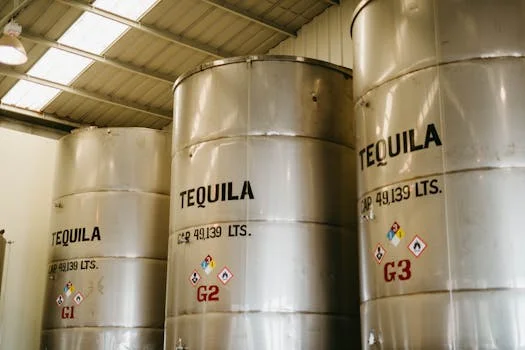
Architecture choice for a pH adjustment system depends on wastewater volume and chemical complexity. Compact packaged skids fit laboratories and small manufacturing cells. Modular two-stage or three-stage systems serve heavy industrial loads. Specifying the wrong tier is the most common cause of post-installation retrofit cost.
The matrix below compares the three configurations most plants evaluate:
| System Type | Flow Rate (GPM) | Control Method | Stages | Target Applications |
|---|---|---|---|---|
| Compact Packaged | 0.5 – 40 GPM | Proportional | Single Stage | Labs, Small Metal Finishing, Bottling Plants |
| Modular Industrial | 50 – 500 GPM | PID Proportional | Two Stage | Chemical Processing, Large Scale Manufacturing |
| High-Flow Custom | 500 – 10,000 GPM | Advanced SCADA/PID | Multi-Stage | Mining, Power Plants, Municipal Pre-treatment |
Two-stage systems work well when influent pH is highly volatile. Stage one performs bulk adjustment from an extreme toward neutral. Stage two delivers the polishing dose to meet final effluent pH compliance standards. Staging limits the logarithmic overshoot that hits single-stage systems spanning a wide pH gap.
Control Methods Explained: Proportional vs. On/Off Dosing for pH Precision
Control logic is the most critical part of pH neutralization system design. Simple on/off control fails at industrial scale. It ignores dead time between dose and sensor response, so effluent oscillates and chemical use climbs.
Proportional control varies dosing pump speed with the gap between measured pH and setpoint. Advanced systems add PID tuning for pH adjustment, combining three terms:
- Proportional (P): Doses based on the current error.
- Integral (I): Adjusts based on how long the error has persisted.
- Derivative (D): Predicts future error based on the rate of change.
A textile plant in the Southeast moved from on/off control to a PID-tuned proportional system. Before the change, caustic use was erratic. After the upgrade, the plant held ±0.1 pH stability, cut NaOH use by 28%, and cut effluent pH variability by 40%. Field experience shows PID tuning is the highest-leverage change before hardware replacement.
Chemical Consumption and Costs: How to Optimize Your pH Adjustment System
Chemical cost is the largest ongoing expense for pH adjustment. Neutralizing-agent prices stay volatile, so wastewater treatment system ROI depends as much on consumption control as on equipment price. Sodium hydroxide (NaOH, 50%) typically costs $0.20–$0.40 per pound. Sulfuric acid (H2SO4, 98%) typically ranges from $0.10–$0.25 per pound.
Consumption estimates must include wastewater buffering capacity. A baseline for a 50 GPM system lifting influent from pH 3.0 to a pH 7.0 target with 50% NaOH uses about 1.2 lbs of NaOH per hour.
| Chemical | Avg. Cost/lb | Pros | Cons |
|---|---|---|---|
| Sodium Hydroxide (50%) | $0.20 – $0.40 | Easy to dose, fast reaction | Freezes at 54°F, expensive |
| Sulfuric Acid (98%) | $0.10 – $0.25 | Very effective for high pH | Highly corrosive, dangerous to handle |
High-precision HydropureWater automatic chemical dosing systems cut waste when SCADA tracks real-time usage and operators retune PID parameters.
Maintenance and Troubleshooting: Keeping Your pH System Running Smoothly
Harsh chemistry demands a scheduled maintenance plan. The pH sensor is the most common failure point. pH sensor calibration best practices call for weekly cleaning and calibration with standard buffer solutions.
Operators should follow this maintenance checklist:
- Weekly: Calibrate pH sensors and inspect for fouling or physical damage.
- Monthly: Inspect dosing pump diaphragms and check valves for wear or crystallization.
- Quarterly: Clean the reaction tank.
- Daily: Review SCADA or data logs for pH excursions or unusual chemical consumption spikes.
How to Select the Right pH Adjustment System: A Decision Framework for Engineers
Selecting the right system means a systematic review of hydraulic and chemical requirements. Engineers should follow this six-step framework:
- Define Influent Characteristics: Determine the peak flow rate, pH range, and temperature.
- Determine Effluent Targets: Review local discharge permit for pH limits.
- Evaluate Control Methods: Choose proportional PID control for precision.
- Assess Compliance Features: Ensure the system includes automated data logging.
- Calculate ROI: Compare the upfront cost against long-term savings.
- Plan for Integration: Ensure the system can communicate with existing SCADA or PLC network.
Who This Guide Is For — and Next Step
This specification guide is for plant engineers, EPC contractors, and procurement managers evaluating pH adjustment systems for flows up to 10,000 GPM and influent pH from 0–14. It is less useful for sanitary-only applications below 5 GPM or for non-aqueous process streams, where other chemistries apply. Send your influent characterization, permit limits, and target flow to request a sized pH adjustment system quotation with PID control and SCADA logging included.
Frequently Asked Questions
What is the difference between proportional and PID control in pH adjustment?
Proportional control changes dosing pump speed with the current gap between measured pH and setpoint. PID control also weighs how long the error has lasted and how fast pH is changing, then damps overshoot. Most plants targeting ±0.1 pH stability in industrial wastewater use PID rather than simple proportional control.
How often should pH sensors be calibrated in an industrial system?
In most industrial wastewater environments, sensors should be calibrated weekly. Heavy fouling streams, such as metal finishing or food processing, often need twice-weekly calibration. Bracket the buffer set around the operating setpoint, typically pH 4 and pH 7.
Can a pH adjustment system remove heavy metals?
Yes. Raising pH to a defined range precipitates many soluble metal ions as metal hydroxides. Clarification or filtration then removes the solids. Optimal precipitation pH differs by metal, so the system must be tunable rather than fixed at one setpoint.
What is the best chemical for neutralizing acidic wastewater?
Sodium hydroxide (NaOH) is the most common choice because it reacts quickly and is easy to dose. Lime (Ca(OH)2) is cheaper per pound but makes more sludge. Sulfuric acid treats high-pH streams, not acidic ones. Base the choice on a buffering-capacity calculation, not a default list.
Why is flow equalization important for pH control?
Flow equalization tanks dampen hydraulic surges so the dosing system sees steadier flow and pH load. Without equalization, peak flows can exceed reactor rated capacity by 50–60%. That drives the control loop out of its tuned range and causes excursions outside the 6.5–8.5 effluent permit band.
What pH adjustment system specifications matter most for permit compliance?
Effluent pH precision (±0.1 to ±0.5 units), response time (under 10 minutes standard, under 5 minutes high-performance), and automated compliance logging are the three specs auditors check most. A system that meets flow and temperature ratings but lacks tamper-proof data logging can still fail a compliance review.