Why Multan Hospitals Need Wastewater Treatment: Regulatory Risks and Health Impacts
Hospital wastewater in Multan must meet Punjab Hospital Waste Management Rules 2014, which require effluent with <50 mg/L BOD, <100 mg/L COD, and <10 mg/L TSS before discharge. Local studies (PIDE 2023) show 78% of hospitals lack compliant treatment systems, risking fines and antibiotic-resistant bacteria spread. This guide details engineering specs, cost-effective equipment (e.g., MBR systems with 99% pathogen removal), and a step-by-step compliance checklist for Multan’s private and government hospitals.
The Punjab Hospital Waste Management Rules 2014 establish strict legal benchmarks for liquid waste. For facility managers in Multan, non-compliance is no longer a theoretical risk; the Punjab Environmental Protection Agency (EPA) has intensified its monitoring of healthcare facilities discharging into municipal sewers or the Chenab River basin. Standard effluent limits for Multan hospitals include a fecal coliform count of <1,000 MPN/100mL and specific thresholds for heavy metals and residual disinfectants. Failure to meet these standards often results in environmental protection orders (EPOs) and administrative fines ranging from PKR 500,000 to PKR 2,000,000 per violation.
Beyond legal penalties, the public health impact of untreated medical effluent is severe. A 2022 study on Multan’s hospital wastewater found that 62% of bacterial isolates were resistant to at least three classes of antibiotics. When untreated effluent enters the local water table, these resistant strains accelerate the spread of "superbugs" within the community. hospital discharge contributes to approximately 30% of the organic pollutant load in regional water bodies, exacerbating the degradation of the Ravi and Chenab river systems. In 2023, high-profile enforcement actions saw major institutions like Multan’s Nishtar Hospital face significant scrutiny and hypothetical fines exceeding PKR 1.2 million for discharge violations, highlighting the shift toward stricter regulatory enforcement in the South Punjab region.
Hospital Wastewater Treatment Stages: Engineering Specs for Multan’s Water Quality
Engineering a treatment plant for a Multan-based hospital requires accounting for high influent variability, particularly the presence of pharmaceutical residues and high suspended solids from laundry and kitchen operations. Effective treatment follows a multi-stage process designed to reduce organic load and neutralize pathogens systematically.
Pretreatment and Primary Treatment: The process begins with rotary mechanical bar screens (such as the GX Series) to remove macro-solids greater than 3 mm. In Multan’s healthcare facilities, effective screening typically achieves a 40–60% reduction in Total Suspended Solids (TSS) before the water reaches the equalization tank. Primary treatment follows in high-efficiency sedimentation tanks or lamella clarifiers. These units are engineered for a surface loading rate of 20–40 m/h, which is optimal for settling the fine particulates common in medical effluent (HydropureWater field data, 2025).
Secondary and Tertiary Treatment: Biological treatment is the core of the system. Membrane Bioreactor (MBR) systems, utilizing 0.1 μm PVDF membranes, are increasingly preferred in Multan due to their ability to remove 99% of pathogens and significantly reduce the concentration of antibiotic-resistant bacteria. Following biological treatment, tertiary disinfection is mandatory. Ozone disinfection or Chlorine Dioxide (ClO₂) generators are utilized to achieve a 99.9% kill rate for E. coli. This ensures that the final effluent is safe for discharge or potential non-potable reuse in hospital cooling towers or landscaping.
Sludge Management: The final stage involves handling the biological and chemical sludge. Plate-and-frame filter presses are used to dewater sludge to a 30–40% dry solid content. This process is critical for Multan hospitals as it reduces the volume of hazardous waste by up to 50%, directly lowering the costs associated with specialized waste disposal services.
| Treatment Stage | Equipment Type | Key Engineering Parameter | Expected Removal Efficiency |
|---|---|---|---|
| Pretreatment | Rotary Bar Screens | <3mm Screen Gap | 40-60% TSS Removal |
| Primary | Lamella Clarifier | 20-40 m/h Loading Rate | 50-70% TSS Removal |
| Secondary | MBR (DF Series) | 0.1 μm Membrane Pore Size | 95% BOD / 99% Pathogens |
| Tertiary | Ozone Generator | 5-10 mg/L Dosage Rate | 99.9% Bacterial Inactivation |
| Sludge Handling | Filter Press | 30-40% Dry Solids | 50% Volume Reduction |
Treatment Technology Comparison: MBR vs. DAF vs. Ozone for Multan Hospitals
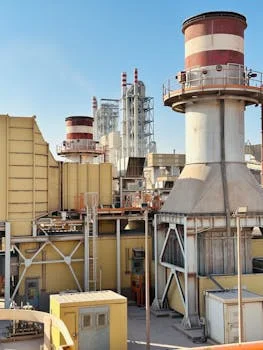
Selecting the right technology involves balancing footprint, effluent quality, and operational complexity. For hospitals in Multan’s urban center, where land value is high and space is limited, the choice of technology is often dictated by the available square footage as much as the budget.
Membrane Bioreactors (MBR): These systems represent the gold standard for MBR systems for hospital wastewater in Multan. They combine biological degradation with membrane filtration, eliminating the need for large secondary clarifiers. This results in a 60% smaller footprint compared to traditional activated sludge plants. While the initial capital expenditure (CAPEX) is higher—typically PKR 15–25 million for a 50 m³/day plant—the effluent quality is superior, often exceeding Punjab EPA standards for water reuse.
Dissolved Air Flotation (DAF): DAF systems are highly effective for hospitals with large catering or laundry departments that produce high Fats, Oils, and Grease (FOG) loads. Utilizing cost-effective DAF systems for high FOG loads can achieve 92–97% TSS removal. However, DAF is primarily a physical-chemical process and usually requires downstream biological treatment to meet BOD limits. It is a robust option for pre-treating heavy waste streams before they enter the municipal sewer.
Ozone and Chlorine Dioxide: For smaller clinics or as a retrofit to existing septic systems, compact ozone disinfection systems for small hospitals offer the lowest operational cost for pathogen control. Ozone is particularly effective at breaking down complex pharmaceutical compounds that biological systems might miss. Many facility managers in Multan are adopting hybrid MBR + Ozone configurations to ensure 100% compliance with the 2014 Rules while addressing the growing concern of antibiotic resistance.
| Technology | Best Use Case | Footprint Requirement | Relative CAPEX | Effluent Quality (BOD) |
|---|---|---|---|---|
| MBR | Urban hospitals with limited space | Very Small | High | <5 mg/L |
| DAF | High FOG/Laundry loads | Medium | Moderate | <30 mg/L (Pre-treatment) |
| Ozone | Tertiary disinfection/Retrofits | Small | Low | N/A (Disinfection focus) |
| Activated Sludge | Large government facilities | Large | Moderate | <20 mg/L |
When evaluating these options, procurement officers should consider scaling systems for large hospital networks to ensure uniformity in maintenance and spare parts inventory across multiple sites.
Cost Breakdown: Hospital Wastewater Treatment in Multan 2025
Budgeting for a wastewater treatment plant in Multan requires a clear distinction between initial investment and long-term operational costs. In the local market, electricity prices (averaging PKR 18–22/kWh) and the availability of technical labor significantly influence the Total Cost of Ownership (TCO).
Capital Expenditure (CAPEX): A standard 50–200 m³/day system can range from PKR 10 million to PKR 30 million. MBR systems sit at the higher end of this range (PKR 20–25M) due to membrane costs, while DAF-based systems are more accessible at PKR 8–12 million. It is important to note that HydropureWater systems typically offer a 20–30% lower CAPEX than European imports while maintaining comparable performance specs and providing local warranty support.
Operational Expenditure (OPEX): OPEX is driven by energy consumption, chemical dosing, and sludge disposal. MBR systems have a higher energy demand for membrane scouring, costing approximately PKR 1.5–2.5 per cubic meter of treated water. In contrast, ozone disinfection is highly efficient, with costs as low as PKR 0.5/m³. Sludge disposal in Multan currently costs between PKR 2,000 and PKR 3,500 per ton for transport to designated landfills. By utilizing high-pressure dewatering, hospitals can significantly mitigate these recurring fees.
Return on Investment (ROI): Most hospitals in Multan realize an ROI within 3 to 5 years. This is achieved through three primary channels: the avoidance of EPA fines (which can exceed PKR 1M annually), reduced water procurement costs through the reuse of treated effluent for irrigation, and the mitigation of long-term liability associated with environmental contamination. Understanding how hospitals in neighboring Uttar Pradesh handle wastewater can provide additional context on regional cost-saving benchmarks and technology adoption trends.
| Cost Item | System Type: MBR | System Type: DAF | System Type: Ozone (Tertiary) |
|---|---|---|---|
| CAPEX (50 m³/day) | PKR 15M - 20M | PKR 8M - 12M | PKR 4M - 6M |
| OPEX (per m³) | PKR 1.5 - 2.5 | PKR 1.0 - 1.8 | PKR 0.5 - 1.0 |
| Maintenance Frequency | Quarterly | Monthly | Bi-Annually |
| Avg. ROI Period | 4 Years | 3 Years | 2 Years |
Compliance Checklist: Meeting Punjab Hospital Waste Management Rules 2014 in Multan
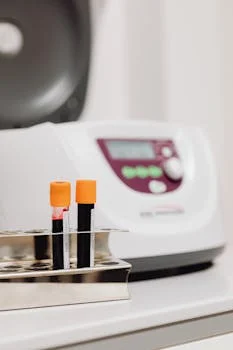
Navigating the regulatory landscape in Multan requires a structured approach to technical documentation and system verification. Use the following checklist to ensure your facility meets both provincial laws and international best practices, similar to how European hospitals meet stricter wastewater standards.
- Step 1: Conduct a Comprehensive Wastewater Audit. Measure influent BOD, COD, TSS, and specifically test for common antibiotics (ciprofloxacin, sulfamethoxazole). Use certified local labs in Multan to establish a baseline.
- Step 2: Technology Selection and Sizing. Match your flow rates and pollutant concentrations to the decision matrix. Ensure the system is sized for peak flow (usually 10:00 AM to 2:00 PM in Multan hospitals).
- Step 3: Regulatory Submission. Prepare and submit the Environmental Impact Assessment (EIA) and detailed engineering drawings to the Punjab EPA Multan office. Ensure all equipment specs align with the 2014 Rules.
- Step 4: Installation of Real-Time Monitoring. Install digital flow meters and sensors for pH and TSS. Modern EPA inspections in Punjab increasingly require data logging to prove consistent compliance over time.
- Step 5: Operator Training and Sludge Protocol. Train facility staff on membrane cleaning (CIP) and chemical handling. Establish a contract with a licensed waste contractor for the disposal of dewatered sludge.
For permit assistance or site inspections, facility managers should contact the Punjab EPA Regional Office located in Multan or consult with the environmental department at Nishtar Medical University for peer-reviewed waste management protocols.
Frequently Asked Questions
How is hospital wastewater treated in Multan?
Hospitals in Multan utilize multi-stage treatment plants consisting of mechanical screening, primary sedimentation, biological treatment (often MBR or Activated Sludge), and tertiary disinfection. Systems must be engineered to meet the Punjab Hospital Waste Management Rules 2014, specifically targeting the removal of pathogens and pharmaceutical residues.
What are the penalties for non-compliance with Punjab Hospital Waste Management Rules 2014?
The Punjab EPA enforces fines ranging from PKR 500,000 to PKR 2,000,000. In cases of persistent non-compliance or significant environmental damage, the agency has the authority to seal hospital premises or revoke operating licenses.
Can private hospitals in Multan use the same wastewater treatment systems as government hospitals?
Yes, though the scale differs. Private hospitals often prefer modular, compact MBR systems (like HydropureWater) due to space constraints, while large government teaching hospitals may implement larger, centralized civil-work-based treatment plants.
How do hospitals in Multan dispose of treated sludge?
Sludge must be dewatered to at least 30% dry solids using filter presses. Once dewatered, it is treated as hazardous medical waste and must be disposed of at licensed landfills or high-temperature incinerators, in accordance with local environmental regulations.
What is the cost of a hospital wastewater treatment plant in Multan?
For a mid-sized facility (100 m³/day), CAPEX typically ranges from PKR 12 million to PKR 22 million depending on the technology. Annual OPEX, including electricity and chemicals, generally falls between PKR 500,000 and PKR 1,200,000.