Why Seville Hospitals Face Unique Wastewater Treatment Challenges
Andalusian regional regulations (Decreto 109/2015) impose stricter limits than EU Directive 91/271/EEC for pharmaceuticals and antibiotic-resistant bacteria (ARBs). While the broader European framework focuses on bulk parameters like BOD5 and COD, the Junta de Andalucía requires medical facilities to address specific micro-pollutants, including carbamazepine at levels below 50 ng/L and ESBL-producing bacteria at concentrations under 10 CFU/100mL. These requirements create a significant operational hurdle for facility managers in Seville, where the existing municipal infrastructure is often unequipped to handle the concentrated pharmaceutical load originating from large medical campuses.
Data from 2024 Seville WWTP studies indicate that ESBL concentrations in raw hospital effluent range from 10^3 to 10^5 CFU/mL, compared to 10^2 to 10^4 CFU/mL in standard municipal sewage. This higher baseline concentration means that standard secondary treatment is insufficient to prevent the environmental spread of resistance genes. For a hypothetical 200-bed hospital in Seville, failing to meet these microbial limits can result in enforcement actions from the Junta de Andalucía, including fines reaching €120,000 and mandatory system overhauls within six months. Beyond the microbial risk, facility managers must contend with variable flow rates, often fluctuating between 5 and 50 m³/h depending on surgical schedules and laundry cycles.
Operational complexity is further increased by high concentrations of Fats, Oils, and Grease (FOG) from hospital kitchens and intermittent loads of cytotoxic drugs from oncology departments. These chemical spikes can inhibit the biological activity of conventional activated sludge systems, leading to non-compliance during peak discharge hours. Understanding how Portugal’s hospital wastewater standards compare to Seville’s provides a useful benchmark for regional compliance, as both jurisdictions are tightening controls on pharmaceutical residues in the 2025 regulatory cycle.
EU and Andalusian Standards for Hospital Wastewater: What Seville Facilities Must Meet
EU Directive 91/271/EEC requirements specify BOD5 limits of 125 mg/L and TSS limits of 35 mg/L, but Andalusian facilities must also meet a 1,000 CFU/100mL threshold for fecal coliforms. For hospitals in Seville, the local Decreto 109/2015 adds a secondary layer of scrutiny, targeting 12 priority pharmaceuticals that must be monitored and mitigated. These include common medications such as diclofenac, ibuprofen, and ciprofloxacin, which are frequently detected in the Guadalquivir river basin at levels that threaten aquatic biodiversity.
Compliance is not merely about end-of-pipe concentrations; it also involves strict disinfection residuals. Seville’s environmental health protocols require a minimum of 0.5 mg/L of free chlorine or an equivalent oxidation potential at the point of discharge to ensure no pathogen regrowth occurs in the municipal sewer lines. For facilities larger than 50 beds, the sampling protocol mandates 24-hour composite samples rather than grab samples to accurately capture the chemical variability of the effluent. This requires automated sampling equipment integrated into the treatment plant’s PLC system.
| Parameter | EU Directive 91/271/EEC | Andalusian Decreto 109/2015 | Monitoring Frequency |
|---|---|---|---|
| BOD5 | <125 mg/L | <25 mg/L (Urban) | Monthly |
| TSS | <35 mg/L | <35 mg/L | Monthly |
| Fecal Coliforms | <1,000 CFU/100mL | <100 CFU/100mL | Weekly |
| ESBL Producers | Not Specified | <10 CFU/100mL | Quarterly |
| Pharmaceuticals | Not Specified | <50 ng/L (Priority 12) | Bi-annually |
Penalties for non-compliance in Andalusia are tiered based on the severity of the environmental impact. Minor infractions start at €1,000, but systemic failure to treat ESBL-rich effluent can lead to "very serious" designations with fines up to €200,000. Additionally, the regional government can mandate the immediate installation of tertiary treatment stages, such as ozone or advanced membrane filtration, if the facility is found to be a primary source of local ARB outbreaks.
Contaminant Profile of Seville Hospital Wastewater: Data from 2024 WWTP Studies
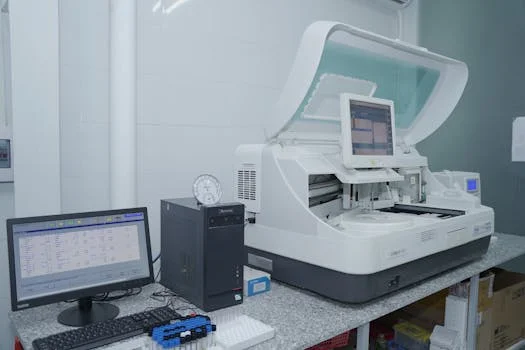
ESBL-producing bacteria concentrations in Seville hospital raw effluent reach levels between 10^3 and 10^5 CFU/mL, necessitating higher disinfection dosages than standard municipal waste. These 2024 studies highlight that while municipal treatment plants can reduce these levels to 10^1–10^3 CFU/mL, the residual concentration remains high enough to facilitate horizontal gene transfer in the environment. To reach the mandated <10 CFU/100mL, on-site treatment at the hospital source is the only viable engineering strategy.
Pharmaceutical residues in Seville’s medical effluent show significant concentrations of carbamazepine (200–800 ng/L) and sulfamethoxazole (up to 400 ng/L). These compounds are recalcitrant to standard biological treatment. the pH of hospital wastewater in Seville is notoriously unstable, typically ranging from 6.5 to 9.0, but frequently spiking to 11.0 during the sterilization of surgical equipment. These alkaline spikes can cause "washout" in biological reactors if equalization tanks are not properly sized for a hydraulic retention time (HRT) of at least 8 to 12 hours.
| Contaminant | Raw Effluent (Seville) | Post-Secondary Treatment | Target for Discharge |
|---|---|---|---|
| ESBL Producers | 10^3–10^5 CFU/mL | 10^1–10^3 CFU/mL | <10 CFU/100mL |
| Carbamazepine | 200–800 ng/L | 150–600 ng/L | <50 ng/L |
| Diclofenac | 150–600 ng/L | 100–400 ng/L | <50 ng/L |
| FOG (Kitchen) | 100–500 mg/L | 10–30 mg/L | <10 mg/L |
| Mercury (Imaging) | 0.5–2.0 µg/L | 0.1–0.5 µg/L | <0.05 µg/L |
Heavy metals also present a challenge, particularly silver and mercury from older imaging departments and dental clinics. While many Seville facilities have transitioned to digital imaging, legacy piping often leaches these metals at levels between 10 and 50 µg/L. Removing these requires specific ion-exchange or specialized precipitation steps within the pre-treatment phase to prevent the poisoning of downstream biological membranes.
Treatment Process Design for Seville Hospitals: Technology Comparison for ESBL and Pharmaceutical Removal
Membrane Bioreactors (MBR) provide a 99.9% pathogen kill rate for ESBL-producing bacteria, outperforming conventional activated sludge systems which typically achieve only 90-95% removal. For Seville hospitals, the MBR’s ability to operate at higher Mixed Liquor Suspended Solids (MLSS) concentrations allows for a smaller physical footprint, which is critical for urban facilities with limited expansion space. When scaling hospital wastewater systems for larger medical campuses, the modularity of MBR systems ensures that treatment capacity can grow alongside facility expansions.
Effective pre-treatment is mandatory to protect these membranes. A DAF system for Seville hospital FOG removal is highly effective at removing 92–97% of total suspended solids and greases that would otherwise cause membrane fouling. Following biological treatment, a final disinfection stage is required. While UV is common, an on-site ClO₂ generator for hospital effluent disinfection is often preferred in Andalusia because it provides a stable residual that prevents biofilm growth in the discharge pipes, whereas UV offers no residual protection.
| Technology | ESBL Removal | Pharma Removal | Footprint | Operating Cost |
|---|---|---|---|---|
| DAF + CAS + ClO₂ | 95.0% | Low | Large | Medium |
| MBR + ClO₂ | 99.9% | Medium | Compact | High |
| MBR + Ozone | 99.99% | High | Compact | Very High |
For a standard 50 m³/h system, a recommended process flow includes a rotary screen for large solids, followed by a DAF for grease removal, an equalization tank for pH stabilization, a DF series MBR for biological degradation and ultrafiltration, and a chlorine dioxide generator for final sterilization. Sludge handling is typically managed via a plate-and-frame filter press, which achieves 30–40% cake solids, significantly reducing the volume of biohazardous waste that must be transported to specialized disposal sites in Seville.
Equipment Selection Framework for Seville Hospital Wastewater Systems
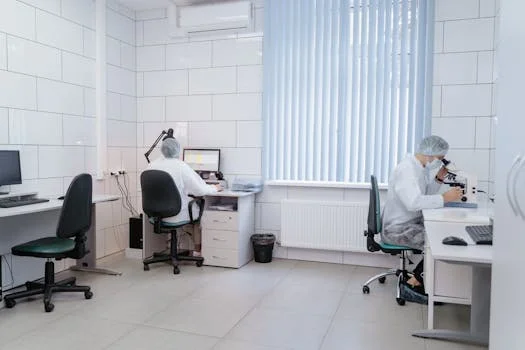
Engineering specifications for Seville medical facilities mandate a hydraulic capacity of 0.5 to 1.0 m³ per bed per day to manage variable flow rates from surgical and laundry departments. For a 100-bed facility, this equates to a system capable of handling 50–100 m³/day, with peak flow capacity designed for 1.5 times the average hourly rate. Selecting the right equipment requires a balance between initial capital expenditure and the long-term reliability of the automation systems.
A compact hospital wastewater system for Seville clinics should prioritize ease of maintenance and automated dosing. The decision matrix below helps facility managers choose between a standard Dissolved Air Flotation (DAF) + Conventional Activated Sludge (CAS) setup and an advanced MBR-based system. While CAS is cheaper to install, it often fails to meet the stringent ESBL removal targets required by the 2025 Andalusian standards without an oversized tertiary disinfection stage.
| Facility Size | Recommended Setup | Key Equipment | Automation Level |
|---|---|---|---|
| Small Clinic (<20 beds) | Physicochemical + ClO₂ | DAF + ClO₂ Generator | Basic PLC |
| Medium Hospital (20-100 beds) | MBR + ClO₂ | DF MBR + ClO₂ Generator | Full SCADA |
| Large Medical Center (>100 beds) | MBR + Ozone + DAF | Full Compact Medical System | Remote Monitoring |
Redundancy is a critical engineering requirement in Seville. Systems should include dual feed pumps, backup power for the disinfection unit, and bypass valves for the biological reactor to allow for maintenance without halting hospital operations. Automation should include real-time monitoring of pH, turbidity, and chlorine residuals, with alarm systems linked directly to the facility management office to prevent accidental discharge of untreated effluent.
Cost Breakdown and ROI for Hospital Wastewater Systems in Seville
The capital expenditure for turnkey hospital wastewater treatment in Andalusia ranges from €80,000 to €350,000 depending on the integration of tertiary filtration and advanced oxidation. For a 50 m³/h system, the equipment and installation costs typically break down into 60% for the core treatment units (MBR/DAF), 20% for automation and sensors, and 20% for site preparation and commissioning. While these figures represent a significant investment, the ROI is driven by the avoidance of heavy municipal surcharges and environmental fines.
Operating expenses (Opex) are dominated by energy consumption and chemical reagents. MBR systems, while more efficient at pathogen removal, consume approximately 0.8–1.2 kWh/m³ of treated water, compared to 0.4–0.6 kWh/m³ for conventional systems. However, the reduction in chemical sludge and the ability to reuse treated water for hospital landscape irrigation in Seville—where water costs can reach €2.00/m³—can offset these costs within 3 to 5 years.
| Cost Component | Small System (10-30 m³/h) | Large System (50-100 m³/h) | % of Total Opex |
|---|---|---|---|
| Capex (Turnkey) | €80,000 – €120,000 | €200,000 – €350,000 | N/A |
| Energy Cost | €5,000 – €8,000/yr | €15,000 – €25,000/yr | 35% |
| Chemicals | €3,000 – €5,000/yr | €8,000 – €12,000/yr | 25% |
| Maintenance | €2,000 – €4,000/yr | €6,000 – €10,000/yr | 20% |
Financing options in Seville include municipal partnerships and EU-funded grants for green infrastructure. The Junta de Andalucía frequently offers subsidies for hospitals that implement water reuse technologies, covering up to 30% of the capital cost for systems that achieve tertiary-grade effluent. When calculating the total cost of ownership (TCO), facility managers must factor in the potential for a 15-year equipment lifespan with proper membrane replacement schedules.
Compliance Checklist for Seville Hospital Wastewater Systems
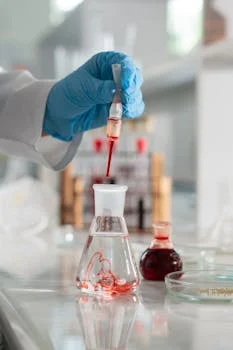
Validating compliance with the Junta de Andalucía requires 24-hour composite sampling protocols for hospitals exceeding 50 beds. Facility managers should maintain a rigorous audit trail to ensure that when environmental inspectors visit, the system performance is documented and verifiable. The following checklist provides a framework for maintaining a compliant medical wastewater operation in Seville.
- Regulatory Documentation: Maintain current copies of EU Directive 91/271/EEC and Andalusian Decreto 109/2015, along with local municipal discharge permits and annual environmental reports.
- Sampling Protocol: Ensure the installation of an automated 24-hour composite sampler. Testing must include BOD5, TSS, fecal coliforms, and the 12 priority pharmaceuticals listed by the regional government.
- Disinfection Verification: Daily logging of chlorine dioxide or ozone residuals at the discharge point. A minimum of 0.5 mg/L free chlorine equivalent must be maintained at all times.
- Maintenance Logs: Documented records of pump run-times, membrane cleaning (CIP) cycles, and chemical reagent replenishment. Retain logs for a minimum of five years for inspection purposes.
- Emergency Response: A clearly defined protocol for spill containment, including bypass procedures and a 24-hour notification timeline for reporting non-compliant discharge to the Seville environmental authorities.
Frequently Asked Questions
What are the 7 steps in wastewater treatment for Seville hospitals?
The process involves: 1) Fine screening to remove medical debris, 2) DAF for grease and solids removal, 3) Equalization for pH and flow balancing, 4) Biological treatment via MBR or CAS, 5) Advanced disinfection using ClO₂ or ozone, 6) Sludge dewatering using a filter press, and 7) Continuous effluent monitoring for compliance reporting.
What is the pH of hospital wastewater in Seville?
Typical pH levels range from 6.5 to 9.0. However, during cleaning cycles and equipment sterilization, pH can spike to 11.0. Systems must include automated pH adjustment units using acid/base dosing to protect biological reactors.
How effective is MBR for removing ESBL in hospital wastewater?
MBR systems are highly effective, providing a 99.9% (3-log) reduction in ESBL-producing bacteria. This is primarily due to the physical barrier of the ultrafiltration membranes, which retain bacteria and large resistance genes within the bioreactor for extended treatment.
What are the penalties for non-compliance with EU Directive 91/271/EEC in Andalusia?
Fines range from €1,000 for minor administrative errors to €200,000 for significant environmental contamination. In addition to fines, the Junta de Andalucía can issue mandatory upgrade orders and suspend the facility's discharge permit until compliance is proven.
Can hospital wastewater in Seville be reused for irrigation?
Yes, provided the wastewater undergoes tertiary treatment and disinfection that achieves <10 CFU/100mL for ESBL producers. This is an increasingly popular strategy in Seville to reduce water costs and meet regional sustainability goals.