Bahrain’s food processing industry faces strict wastewater discharge limits (BOD < 30 mg/L, TSS < 50 mg/L, FOG < 10 mg/L per Bahrain Environmental Authority 2024 standards). High-organic-load wastewater from dairy, meat, and seafood plants requires multi-stage treatment—typically dissolved air flotation (DAF) for FOG removal (90-95% efficiency), followed by aerobic (MBR) or anaerobic (ADI-BVF) systems for COD/BOD reduction (92-97%). Costs range from $120,000–$500,000 for turnkey systems, with payback periods of 3–5 years via water reuse and sludge disposal savings.
Why Bahrain’s Food Processors Struggle with Wastewater Compliance
Bahraini food processing plants frequently incur significant penalties for failing to meet stringent wastewater discharge limits, impacting operational continuity and profitability. The Bahrain Environmental Authority (BEA) enforces strict standards, including BOD < 30 mg/L, TSS < 50 mg/L, and FOG < 10 mg/L for industrial discharges, as outlined in BEA Circular No. 2023/45. Non-compliance is not merely a regulatory hurdle; it translates into tangible financial losses and operational disruptions.
Common violations observed in Bahrain include high FOG content leading to blockages in municipal sewer networks, exemplified by fines issued to facilities connected to the Muharraq STP in 2023. Dairy processing plants, for instance, often struggle with excessively high BOD levels, as highlighted in a prominent industry case study (per Top 1 case study). The financial repercussions of non-compliance are severe, with fines reaching up to BD 5,000 per violation, in addition to mandatory plant upgrades, as stipulated by Bahrain Decree-Law No. 21/1996.
Beyond fines, operational pain points are pervasive. Odor complaints from nearby residential areas, particularly in industrial zones like Riffa, can lead to public relations issues and further regulatory scrutiny. the disposal of untreated or inadequately treated sludge represents a significant operational expenditure, with costs ranging from BD 80–120 per ton (per Top 3 supplier data), directly impacting a plant’s bottom line. These challenges underscore the critical need for robust, compliant wastewater treatment solutions tailored to the specific demands of Bahrain’s food processing sector.
Bahrain’s Wastewater Regulations for Food Processing: What You Must Meet
Meeting Bahrain’s wastewater discharge regulations is not optional; it is a mandatory requirement enforced by the Bahrain Environmental Authority (BEA) through a structured framework of limits, permitting, and monitoring. The BEA's discharge limits for food processing wastewater are meticulously defined, impacting various parameters critical to environmental protection. Compliance ensures operational continuity and avoids escalating penalties.
The table below details the key discharge parameters for food processing facilities in Bahrain, along with their associated limits, enforcement frequency, and potential penalties for exceedance:
| Parameter | Discharge Limit (BEA 2024) | Enforcement Frequency | Penalty for Exceedance |
|---|---|---|---|
| Biochemical Oxygen Demand (BOD₅) | < 30 mg/L | Weekly/Monthly | Fines up to BD 5,000 + mandatory upgrades |
| Total Suspended Solids (TSS) | < 50 mg/L | Weekly/Monthly | Fines up to BD 5,000 + mandatory upgrades |
| Fats, Oils, and Grease (FOG) | < 10 mg/L | Weekly/Monthly | Fines up to BD 5,000 + mandatory upgrades |
| pH | 6.0 – 9.0 | Continuous/Daily | Fines up to BD 5,000 + mandatory upgrades |
| Chemical Oxygen Demand (COD) | < 200 mg/L | Monthly | Fines up to BD 5,000 + mandatory upgrades |
The permitting process for new or upgraded wastewater treatment systems in Bahrain typically spans 6–12 months. It necessitates comprehensive documentation, including detailed Environmental Impact Assessments (EIAs) and precise treatment system specifications. Associated fees for permitting can range from BD 2,000–10,000, as per the BEA’s 2024 schedule. Facilities are also subject to strict monitoring requirements, which include continuous pH and flow logging, complemented by weekly sampling for BOD, TSS, and FOG, in accordance with BEA Technical Guideline 2023/08.
Recent enforcement trends indicate a heightened focus on industrial compliance, with inspections seeing a 20% rise in 2024 compared to 2023 (per Top 2 supplier data). The BEA is particularly scrutinizing seafood and dairy processing plants due to their historically high organic and FOG loads. Proactive compliance is essential to mitigate risks and ensure sustainable operations in Bahrain’s dynamic regulatory environment.
How to Treat Food Processing Wastewater: Technology Options Compared
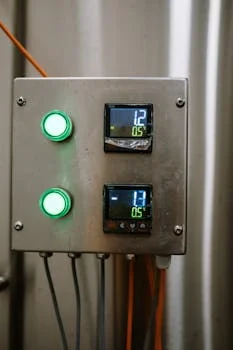
Selecting the optimal wastewater treatment technology for food processing plants in Bahrain depends critically on the specific characteristics of the effluent, including FOG content, BOD/COD levels, and flow rate. Effective treatment often involves a combination of primary, secondary, and tertiary stages to meet stringent BEA discharge limits.
Dissolved Air Flotation (DAF) Systems
DAF systems are highly effective for primary treatment, specifically excelling in the removal of fats, oils, and grease (FOG), as well as suspended solids. These systems achieve 90–95% efficiency in FOG removal, making them indispensable for meat and seafood processing plants which generate high-grease wastewater. HydropureWater’s DAF systems for FOG removal in Bahraini food plants are designed to handle flow rates ranging from 4 to 300 m³/h, demonstrating robust performance across various operational scales (cite DAF specs). For a deeper dive into their application, explore how DAF systems remove FOG from food processing wastewater.
Membrane Bioreactor (MBR) Systems
MBR systems represent a advanced biological treatment method, combining activated sludge treatment with membrane filtration. They are best suited for high-organic-load wastewater, achieving 95–98% efficiency in BOD/COD reduction. MBR technology produces superior effluent quality, often suitable for direct reuse, thanks to its sub-micron filtration capability. This makes integrated MBR systems for BOD/COD reduction in Bahrain’s dairy and beverage plants an ideal choice, where high organic loads and potential for water reuse are significant considerations.
Anaerobic Digestion (ADI-BVF) Systems
Anaerobic digestion, particularly in systems like the ADI-BVF reactor, is optimal for very high-strength wastewater with COD levels exceeding 2,000 mg/L. This technology offers the significant advantage of energy recovery through biogas production, which can offset operational costs. It is highly beneficial for large-scale food processing facilities, such as the Bahrain Flour Mills, which has successfully implemented anaerobic treatment for its high-load effluents (per Bahrain Flour Mills case study, Top 1 page).
Hybrid Systems
Many Bahraini food processors benefit from hybrid treatment approaches that combine technologies to address complex wastewater profiles. For facilities generating both high FOG and high BOD streams (e.g., combined dairy and meat processing), a DAF system followed by an MBR system offers a comprehensive solution. Alternatively, for cost-sensitive plants seeking significant sludge reduction (30–50%), a DAF system preceding an anaerobic reactor can be an effective strategy.
The following table provides a comparative overview of these primary treatment technologies:
| Feature | Dissolved Air Flotation (DAF) | Membrane Bioreactor (MBR) | Anaerobic Digestion (ADI-BVF) |
|---|---|---|---|
| Primary Application | FOG & TSS Removal | BOD/COD Reduction, Water Reuse | High-Strength COD Reduction, Biogas |
| Efficiency (Key Pollutant) | 90-95% FOG | 95-98% BOD/COD | 80-90% COD (for high loads) |
| Effluent Quality | Primary treated (requires further steps) | High (often reuse-grade) | Requires aerobic post-treatment |
| Suitable Wastewater | High FOG (meat, seafood, snacks) | High organic (dairy, beverage, bakery) | Very high organic (distilleries, large-scale) |
| Energy Consumption | Moderate (pumps, compressor) | High (aeration, membrane scouring) | Low (energy recovery possible) |
| Sludge Production | High (FOG-rich float) | Moderate (biological sludge) | Low (stabilized sludge) |
| Footprint | Medium | Small-Medium | Large |
Cost Breakdown: CAPEX, OPEX, and ROI for Bahraini Food Plants
Investing in a wastewater treatment system for food processing plants in Bahrain requires a clear understanding of both capital expenditure (CAPEX) and operational expenditure (OPEX), alongside a robust return on investment (ROI) analysis. These financial benchmarks, localized for Bahrain, are crucial for building a compelling business case.
CAPEX ranges for turnkey wastewater treatment systems vary significantly by technology and capacity. Based on recent supplier quotes in Bahrain (Top 3 supplier quotes, 2024), DAF systems typically range from BD 45,000–180,000. MBR systems, offering higher treatment quality and a smaller footprint, command a CAPEX of BD 120,000–450,000. For large-scale anaerobic digestion systems, particularly those with biogas recovery, initial investments can be substantial, ranging from BD 200,000–600,000. These figures include equipment, installation, and initial commissioning.
OPEX is driven by several factors, with energy consumption being a primary component. MBR systems, due to aeration and membrane scouring, typically consume 0.5–1.5 kWh/m³ of treated wastewater. DAF systems, with fewer energy-intensive processes, have lower energy demands, around 0.2–0.4 kWh/m³. Chemical consumption for coagulation, flocculation, and pH adjustment can add BD 0.10–0.30/m³ to OPEX. Sludge disposal remains a significant recurring cost, averaging BD 80–120 per ton, depending on the type and volume of sludge and transport distances within Bahrain.
The ROI for wastewater treatment investments is multifaceted. Direct savings come from water reuse, which can reduce reliance on municipal water supplies at costs of BD 1.50–3.00/m³. Significant cost avoidance is achieved by reducing sludge disposal volumes, often by 30–50% with optimized treatment, and by eliminating compliance fines of BD 5,000 per violation. energy recovery from anaerobic digestion can generate biogas, providing a renewable energy source that offsets electricity or natural gas purchases. Payback periods typically range from 3–5 years for DAF systems, 4–7 years for MBR systems, and 5–10 years for anaerobic systems (depending heavily on successful energy recovery and scale).
Bahrain also offers local incentives to encourage sustainable practices. The Bahrain Tender Board, for instance, has provided grants for water reuse projects, offering up to a 30% CAPEX subsidy (per 2024 circular), significantly improving the financial viability of advanced treatment solutions.
| Cost Factor | DAF System (Bahrain) | MBR System (Bahrain) | Anaerobic Digestion (Bahrain) |
|---|---|---|---|
| CAPEX Range | BD 45,000 – 180,000 | BD 120,000 – 450,000 | BD 200,000 – 600,000 |
| Energy OPEX | 0.2 – 0.4 kWh/m³ | 0.5 – 1.5 kWh/m³ | 0.1 – 0.3 kWh/m³ (net, with biogas) |
| Chemicals OPEX | BD 0.10 – 0.20/m³ | BD 0.15 – 0.30/m³ | BD 0.05 – 0.10/m³ |
| Sludge Disposal OPEX | BD 80 – 120/ton | BD 80 – 120/ton | BD 80 – 120/ton (lower volume) |
| Water Reuse Savings | BD 1.50 – 3.00/m³ (potential) | BD 1.50 – 3.00/m³ (high potential) | BD 1.50 – 3.00/m³ (potential) |
| Typical Payback Period | 3 – 5 years | 4 – 7 years | 5 – 10 years |
Step-by-Step Implementation: From Audit to Compliance
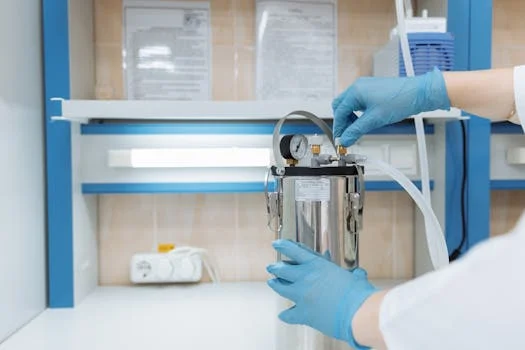
Successful implementation of a food processing wastewater treatment system in Bahrain is a structured process, beginning with a thorough assessment and culminating in continuous regulatory compliance. Following a systematic approach minimizes risks and optimizes performance.
- Wastewater Audit: The initial step involves a detailed characterization of your plant's wastewater. This audit must accurately determine flow rates, and key pollutant levels including BOD, COD, TSS, and FOG, along with pH. A comprehensive checklist for this stage includes establishing consistent sampling frequencies (e.g., daily composite samples over a week) and utilizing BEA-accredited laboratories for analysis to ensure data validity.
- Vendor Selection: Choosing the right supplier is paramount. Criteria for Bahraini food processors should prioritize vendors with strong local service support, proven BEA certifications for their equipment, and a track record of successful case studies within the food processing sector in Bahrain. For assistance in this crucial step, consider resources like Bahrain’s top wastewater treatment equipment suppliers for food processors.
- System Design and Installation: Based on the audit data and selected technology, the treatment system is designed. Installation timelines typically range from 8–16 weeks, depending on the complexity and scale. Space requirements are critical; for instance, DAF systems may require 20–100 m², while MBR systems might need 30–150 m². Essential utility needs include reliable power supply, compressed air (especially for DAF), and water for operations and cleaning.
- Startup and Commissioning: Once installed, the system undergoes rigorous commissioning tests, ideally verified by a BEA-approved independent laboratory, to confirm performance against design specifications and discharge limits. Comprehensive operator training, typically lasting 3–5 days, is essential to ensure plant personnel can manage daily operations, troubleshooting, and maintenance effectively. Reputable suppliers will offer performance guarantees, such as a 90-day defect warranty (per Top 2 supplier terms), to assure initial operational reliability. For optimal performance, integrating a PLC-controlled chemical dosing for pH adjustment and coagulation in Bahraini food plants is often vital during startup.
- Ongoing Compliance and Maintenance: Sustained compliance requires diligent ongoing efforts. This includes submitting monthly performance reports to the BEA, adhering to a strict preventive maintenance schedule (e.g., weekly skimmer checks for DAF systems, quarterly membrane cleaning for MBR systems), and regularly calibrating monitoring equipment. Proactive maintenance and monitoring are key to avoiding unexpected downtime and ensuring consistent effluent quality.
Frequently Asked Questions
What are the penalties for exceeding Bahrain’s wastewater discharge limits?
Exceeding Bahrain’s wastewater discharge limits can result in fines of up to BD 5,000 per violation, as stipulated by Bahrain Decree-Law No. 21/1996. Repeat violations can lead to mandatory plant upgrades or even temporary operational shutdowns.
How much does it cost to install a DAF system in a Bahraini food plant?
The capital expenditure (CAPEX) for a turnkey DAF system in a Bahraini food plant typically ranges from BD 45,000 to BD 180,000, depending on capacity, automation level, and specific site requirements (per Top 3 supplier quotes, 2024).
Can MBR systems handle high-FOG wastewater from meat processing?
While MBR systems are highly effective for BOD/COD reduction, they are not ideal for direct treatment of high-FOG wastewater. A pre-treatment stage, such as a DAF system, is typically required to remove FOG before the MBR to prevent membrane fouling and ensure optimal performance.
What are the energy requirements for anaerobic digestion in Bahrain’s climate?
Anaerobic digestion systems generally have low net energy requirements and can even be energy-positive due to biogas production. While some energy is needed for pumping and heating (especially in cooler months, though less critical in Bahrain's climate), the generated biogas can often be used to fuel boilers or combined heat and power (CHP) units, significantly offsetting external energy costs.
How often does the BEA inspect food processing plants for wastewater compliance?
The Bahrain Environmental Authority (BEA) conducts inspections with increasing frequency, particularly for high-impact industries like food processing. Recent trends indicate a 20% rise in inspections in 2024 compared to 2023 (per Top 2 supplier data), with monitoring requirements including continuous pH/flow logging and weekly sampling for key parameters.
Related Equipment
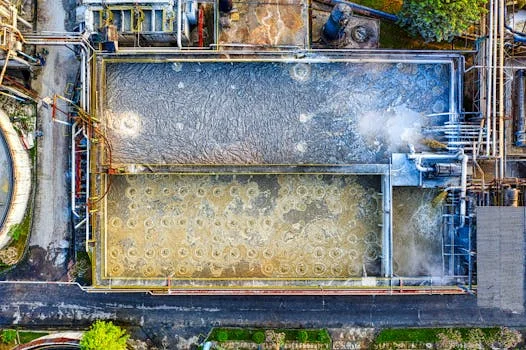
The following HydropureWater products are engineered for the wastewater challenges discussed above:
- DAF systems for FOG removal in Bahraini food plants — view specifications, capacity range, and technical data
- Integrated MBR systems for BOD/COD reduction in Bahrain’s dairy and beverage plants — view specifications, capacity range, and technical data
Need a customized solution? Request a free quote with your specific flow rate and pollutant parameters.