Industrial Wastewater Treatment in Liverpool: Engineering Decision Framework
Industrial wastewater treatment in Liverpool must meet UK Environment Agency (EA) limits such as 250 mg/L COD and 10 mg/L ammonia on many industrial consents. EU Urban Waste Water Directive 91/271/EEC still shapes municipal benchmarks. The £200M dock facility pairs DAF for FOG with MBR for reuse; compact DAF is near £500K and full-scale MBR can exceed £10M.
Liverpool Industrial Effluent Challenges and Sector Pollutant Profiles
Liverpool industrial sectors face rising pressure on discharge quality from EA enforcement and tighter Merseyside water balances. According to EA 2024 sector reports cited in Merseyside industrial effluent summaries, food processing accounts for about 35% of local industrial effluent, chemicals about 28%, and manufacturing about 22% (Industrial Effluent Discharge in Merseyside, 2024). Those shares matter because each stream needs a different pretreatment train before sewer or surface-water discharge. EU Urban Waste Water Directive 91/271/EEC still informs municipal benchmarks that sit beside industrial consents, so factories must read both frames when they plan upgrades.
Food processing effluent typically carries high FOG, chemical oxygen demand (COD), biochemical oxygen demand (BOD), and total suspended solids (TSS). Chemical plants more often discharge heavy metals, ammonia, specific organics, and wide pH swings. General manufacturing usually fights elevated TSS, oils, and process-dependent trace contaminants. Most plants we size for Merseyside food lines run FOG loads at the lower end of design only on quiet shifts; peak cleaning windows push the train hard.
Failure to treat these streams creates direct compliance risk. EA fines can reach £250K per year for repeated breaches, and a Liverpool chemical plant was fined £180K in 2023 for ammonia exceedance. EA enforcement priorities highlighted for 2025 include nutrient neutrality, microplastics, and persistent organic pollutants, so pretreatment must be designed for those loads rather than COD alone. Water scarcity adds a second driver: the dock plant has set a 30% recycled-water target by 2027, and industrial reuse can cut intake costs by 40–50% for local users that can accept non-potable quality.
| Industrial Sector (Liverpool) | Key Pollutants of Concern | Typical Influent Characteristics (Estimated) |
|---|---|---|
| Food Processing | FOG, COD, BOD, TSS | 5,000 mg/L COD, 1,200 mg/L TSS, 500 mg/L FOG |
| Chemical Manufacturing | Heavy Metals, Ammonia, pH, Specific Organics | 100 mg/L Ammonia, pH 2-10, 5 mg/L Lead |
| General Manufacturing | TSS, Oils, Heavy Metals, BOD | 800 mg/L TSS, 150 mg/L Oil, 200 mg/L BOD |
ROI pressure sits beside the pollutant table. Avoided fines up to £250K/year and 30–50% intake-cost cuts from reuse are the cash drivers that usually unlock capital for pretreatment upgrades on Merseyside sites. When a consent already bites ammonia or FOG, waiting for the next exceedance letter is rarely cheaper than fixing the train. Procurement teams should therefore bring both the pollutant profile and the fine exposure into the same capital memo.
UK and EU Discharge Rules Liverpool Factories Must Meet

UK Environment Agency discharge limits, read alongside EU Urban Waste Water Directive 91/271/EEC, define the compliance frame for Liverpool industrial operations in 2025 permit cycles. Facilities discharging to surface waters or public sewers must hold an EA consent to discharge that sets site-specific effluent limits. Typical 2025 EA industrial values used in planning include 250 mg/L COD, 20 mg/L BOD, 10 mg/L ammonia, 15 mg/L total nitrogen, and 2 mg/L total phosphorus (EA Guidance for Industrial Discharges, 2025). Those industrial targets are often tighter on selected parameters than the municipal UWWD numbers, because industrial pollutants are more variable.
EA consent applications usually need effluent characterization, process descriptions, and a monitoring plan. Permitting commonly takes 6–12 months, with application costs from £5K–£50K depending on complexity and discharge volume. Complex industrial plants often need a Class III wastewater treatment plant operator competency level, a staffing pattern also seen in comparative US frameworks such as Ohio’s NPDES system for municipal facilities. For reuse, UK Water Reuse Regulations 2023 set quality targets such as less than 10 CFU/100mL E. coli for non-potable cooling or irrigation. That standard aligns with the dock plant’s aim to recycle 30% of effluent for dockside duties.
Emerging pressure points flagged for planning include a proposed EA restriction path on certain microplastics by 2026 and a 100 ng/L PFAS discussion limit for drinking-water sources. Either path may tighten industrial pretreatment expectations in Liverpool. Buyers should therefore leave hydraulic and chemical headroom when they size DAF, dosing, or MBR stages against today’s consent alone.
| Parameter | UK EA Industrial Discharge Limits (2025, Typical) | EU Urban Waste Water Directive 91/271/EEC (Municipal) | Ohio NPDES Limits (Example, East Liverpool WWTP) |
|---|---|---|---|
| COD | 250 mg/L | 125 mg/L | N/A (often based on BOD) |
| BOD | 20 mg/L | 25 mg/L | 10-30 mg/L |
| Ammonia (NH₃-N) | 10 mg/L | N/A (total N often specified) | 1.5-5 mg/L (seasonal) |
| Total Nitrogen (TN) | 15 mg/L | 10-15 mg/L (for >10,000 p.e.) | N/A (often based on ammonia) |
| Total Phosphorus (TP) | 2 mg/L | 1-2 mg/L (for >10,000 p.e.) | 0.5-1 mg/L |
| TSS | 30 mg/L | 35 mg/L | 30 mg/L |
Use the comparison table as a planning aid, not a substitute for your consent. Site permits can be stricter than the typical EA industrial column, especially where the receiving water is sensitive or the sewerage undertaker sets tight trade-effluent conditions. Ohio NPDES figures for East Liverpool WWTP are included only as a comparative municipal reference, not as UK law. Always size against the written consent and trade-effluent agreement for the specific Liverpool site.
How to Choose Treatment Technologies for Liverpool Effluent
Technology selection for Liverpool effluent starts with measured influent peaks, the consent limit, and whether the site needs sewer discharge only or on-site reuse. If FOG stays above 500 mg/L on cleaning days, DAF is usually the first primary step. If the buyer needs reuse-quality water with tight bacterial limits, MBR becomes the shortlist leader. pH correction and heavy-metal precipitation still need a controlled chemical dosing skid before or after biological stages.
DAF systems: DAF systems for Liverpool’s food and chemical plants remove FOG, suspended solids, and many colloids across 4 to 300 m³/h. Typical FOG removal is 95–99% when air saturation and chemical conditioning are tuned. One Liverpool food processor cut FOG from 1,200 mg/L to below 50 mg/L with a compact DAF unit. That change stabilized the downstream biological stage and lowered sewer surcharge exposure. For process detail on FOG separation in food plants, see the DAF Oil Water Separator for Food Processing: 2025 Engineering Guide.
MBR systems: Integrated MBR systems for Liverpool’s water reuse targets combine biological treatment with membrane filtration. DF series membranes at 0.1 μm pore size deliver effluent free of suspended solids and most bacteria and viruses at capacities from 32 to 135 m³/day. The Liverpool dock plant MBR train has achieved over 90% water recovery for non-potable dockside reuse, which is the performance band buyers should demand when reuse is the business case. Compact sites that need a buried footprint can also evaluate an Underground Package Sewage Treatment Plant (WSZ Series) where sanitary or mixed low-strength flows fit package biology rather than a custom MBR hall.
Chemical dosing: PLC-controlled chemical dosing for Liverpool’s pH adjustment and coagulation needs keeps coagulant, flocculant, and acid/alkali feed stable on skid-mounted packages. A Liverpool chemical plant used automatic pH control plus coagulation to cut heavy metals by 98% before discharge. That step remains foundational for primary clarification and for polishing before membranes.
Sludge management: Sludge dewatering solutions for Liverpool’s industrial plants cut haulage volume. Plate and frame filter presses with 1 to 500 m² filtration area are common for industrial cakes. For a facility generating about 50 m³/h of sludge slurry, a filter press near £80K is a lower capital path than a centrifuge near £120K, with disposal savings driven by cake dryness. For a broader equipment comparison, see the UK sludge dewatering equipment comparison (filter press vs. centrifuge).
| Technology | Primary Application (Liverpool) | Efficiency / Key Feature | Capital Cost (Relative) | Operating Cost (Relative) | Suitability for Liverpool Sectors |
|---|---|---|---|---|---|
| Dissolved Air Flotation (DAF) | FOG, TSS, Oil removal | 95-99% FOG/TSS removal, 4-300 m³/h | Medium (£50K-£200K) | Low-Medium (£0.50/m³) | Excellent for Food Processing (FOG), Manufacturing (Oils, TSS) |
| Membrane Bioreactor (MBR) | Biological treatment, high-quality effluent, reuse | 0.1 μm filtration, >90% water recovery, 32-135 m³/day | High (£250K-£2M) | Medium-High (£1.20/m³) | Excellent for all sectors requiring reuse or stringent discharge limits |
| Chemical Dosing | pH adjustment, coagulation, flocculation, heavy metal removal | PLC-controlled, 98% heavy metal reduction (with coagulation) | Low (£10K-£50K) | Medium (£0.80/m³) | Essential for Chemical Manufacturing, beneficial for others |
| Sedimentation / Clarifiers | TSS removal, primary clarification | 70-90% TSS removal | Low-Medium | Low | Good for general manufacturing, initial treatment for high TSS |
| Plate & Frame Filter Press | Sludge dewatering | High cake dryness (25-45%), 1-500 m² filtration area | Medium (£80K) | Medium | All sectors generating sludge, reduces disposal costs |
Selection checklist for Liverpool sites:
- Confirm peak FOG, COD, ammonia, metals, and pH from composite samples, not grab averages alone.
- Map the EA consent parameters and any United Utilities sewer acceptance conditions before sizing biology.
- Decide discharge-only versus reuse; reuse pushes MBR or equivalent tertiary polishing.
- Budget sludge cake dryness early; haulage often dominates opex after year one.
- Reserve space and power for 20–30% flow growth if production lines expand.
- Require local spare-parts lead times and operator training in the supply contract.
- Ask for UK North West references with similar influent, not generic brochures.
Field note: most Merseyside food plants we size place DAF first, then biology, then solids handling. Chemical sites reverse the emphasis toward pH and metals control before any membrane step. If both FOG and ammonia are high, expect a longer flowsheet and a higher opex floor than a single-unit brochure suggests. Keep spare chemical day-tank volume for weekend cleaning spikes.
Liverpool Wastewater Treatment Plant Costs and ROI Math
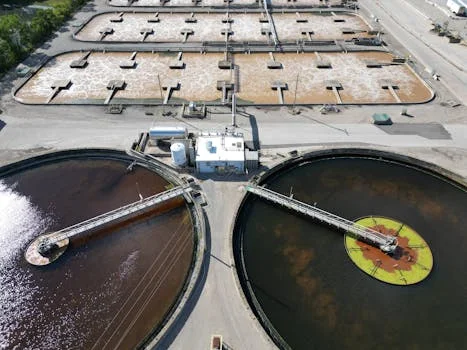
Industrial plant costs in Liverpool for 2025 planning range from about £50K for compact DAF units to more than £15M for full-scale integrated systems. The Liverpool dock plant illustrates a £200M capital outlay for a 10,000 m³/day facility. Capex scales with hydraulic size, pollutant complexity, and effluent quality. Opex follows energy, chemicals, labour, and sludge disposal.
| System Type / Size | Capital Expenditure (CAPEX, 2025 Estimate) | Operating Costs (OPEX, per m³, 2025 Estimate) | Energy Consumption (Example) |
|---|---|---|---|
| Compact DAF (4–50 m³/h) | £50K–£200K | £0.50/m³ | 0.2-0.5 kWh/m³ |
| MBR (10–200 m³/day) | £250K–£2M | £1.20/m³ | 0.8–1.2 kWh/m³ |
| Full-scale Integrated Plant (500–2,000 m³/day) | £5M–£15M | £0.80–£1.50/m³ (average) | 0.6–1.0 kWh/m³ |
| Liverpool Dock Plant (10,000 m³/day) | £200M | £0.70–£1.00/m³ | N/A (complex, varied) |
Return on investment for treatment upgrades on Merseyside sites usually rests on three cash lines.
- Avoided fines: Non-compliance with EA discharge limits can cost £50K to £250K per year (EA 2023 data). A stable treatment train removes that recurring exposure.
- Water reuse savings: Reuse can cut fresh-water intake cost by 30–50%. The Liverpool dock plant reports about £1.2M annual savings from recycling initiatives.
- Sludge disposal savings: Dewatering with a filter press can cut sludge volume by up to 70% versus liquid haulage, which matters when gate fees are volume-based.
An ROI calculator can follow this sequence:
- Calculate Total Annual Savings = (Avoided Fines) + (Water Reuse Savings) + (Sludge Disposal Savings)
- Calculate Total Annual Operating Costs (Opex)
- Calculate Net Annual Savings = Total Annual Savings - Total Annual Operating Costs
- Calculate Payback Period (Years) = Capital Expenditure (Capex) / Net Annual Savings
Example: An MBR system with a £1.5M capex and £120K/year opex generates £200K/year in avoided fines and water reuse savings. Net annual savings = £200K − £120K = £80K/year. Payback period = £1.5M / £80K = 18.75 years. That long payback is why buyers should model surcharge relief, sludge haulage, and any production uptime gains before they freeze the process train.
Energy numbers in the cost table also matter at UK industrial tariffs. A compact DAF at 0.2–0.5 kWh/m³ is a lighter load than MBR at 0.8–1.2 kWh/m³. Full-scale integrated plants often land near 0.6–1.0 kWh/m³ once pumping, aeration, and dewatering are averaged. Use those bands to stress-test opex, not as guarantees for a specific Merseyside site. Pair the energy check with chemical unit costs before you compare bids.
Supplier Decision Framework for Liverpool Industrial Plants
Supplier selection for Liverpool industrial plants should weight EA consent experience, sector references, and after-sales coverage more than brochure capacity alone. A structured scorecard keeps capital negotiations tied to operable outcomes on Merseyside sites that must keep consent limits every day, not only during commissioning week.
Supplier selection criteria:
- Local compliance expertise: Can the supplier explain EA consent to discharge, local sewer network rules, and UK water reuse standards with Liverpool-specific permitting steps? Experience navigating North West permits is worth more than a generic UK claim. Parallel UK site stories, such as how Newcastle hospitals manage wastewater compliance, show why local regulatory navigation belongs in the bid review.
- Sector-specific experience: Ask for completed trains for food processors, chemical manufacturers, or general manufacturing plants with similar FOG, ammonia, or metals profiles.
- Technology flexibility: Confirm the bidder can integrate DAF, MBR, chemical dosing, and sludge dewatering, and can scale if production rises or limits tighten.
- After-sales support: Require clarity on 24/7 call-out, preventative maintenance, local spare parts, and operator training hours.
- Track record: Request UK North West references you can call, not only international flagship photos.
Liverpool supplier market notes: The market mixes local, national, and international players. United Utilities may advise on municipal interfaces. Liverpool-area engineering firms such as Wardell Armstrong often support consulting and project controls. Larger firms such as Veolia, Suez, and Evoqua field broad DAF and MBR portfolios. Niche suppliers such as HydropureWater focus on industrial DAF, MBR, and automatic chemical dosing packages for complex effluent.
Red flags: Treat vague compliance promises without data, missing UK case studies, or unclear operator competency plans as bid risks. Opaque support pricing and undefined spare-parts lead times usually become opex problems after commissioning. Ask for named commissioning engineers and written response times before you sign.
When two bids look similar on capital, compare cake dryness guarantees, membrane warranty hours, and chemical dose rates at your peak COD. Those three lines usually separate a workable Merseyside plant from a paper design that fails on the first production surge. Require the bidder to show how industrial wastewater treatment in Liverpool would be staffed for night shifts and weekend CIP loads.
Who This Guide Is For and Next Step
Plant engineers, EPC contractors, and procurement managers use this guide when sizing pretreatment or reuse trains for Liverpool food, chemical, and manufacturing sites. Buyers who only need a municipal sewer connection with already-compliant low-strength flows may not need a full MBR package. Sites that already hold a stable EA consent and have no reuse target can often stay with lighter physical-chemical pretreatment. If you have flow, COD, FOG, ammonia, and consent data ready, request a free quote with those parameters so the train is sized to your EA limits.
Frequently Asked Questions
What are the three types of industrial wastewater treatment?
The three primary types are physical (screening, sedimentation, dissolved air flotation), chemical (coagulation, flocculation, pH adjustment, disinfection), and biological (membrane bioreactors, activated sludge, anaerobic digestion). Liverpool industrial plants often combine all three: DAF for FOG removal, chemical dosing for pH and metals, then MBR for biological polishing when food-processing effluent must meet tight discharge or reuse limits.
Is only 27% of industrial wastewater safely treated?
Globally, only an estimated 27% of industrial wastewater receives safe treatment before discharge, according to UN 2023 data. In the UK, compliance for EA-permitted discharges averages around 92%. Liverpool industrial sectors sat near 88% of permitted discharges meeting standards in 2023, which still leaves a measurable gap versus the national average.
What is the largest sewage treatment plant in the UK?
Beckton Sewage Treatment Works in East London is the largest UK sewage works, serving a population equivalent of about 3.5 million people. In Merseyside, Liverpool’s dock plant is the largest local reference cited here: a £200M investment treating about 10,000 m³/day of wastewater, including municipal flow and some pretreated industrial contributions.
How much does a Class III wastewater treatment plant operator earn in Liverpool?
A Class III wastewater treatment plant operator in Liverpool typically earns £35K–£50K per year based on 2025 EA-linked job market ranges reported on platforms such as Indeed. Comparative US permits, including the East Liverpool WWTP NPDES fact sheet, also list Class III operator requirements for complex works, which is why competency planning appears in many industrial bid packages.
Can I reuse treated industrial wastewater in Liverpool?
Yes, treated industrial wastewater can be reused in Liverpool for non-potable duties such as cooling, process make-up, or irrigation. UK Water Reuse Regulations 2023 set the quality standards for those uses. The Liverpool dock plant reuses about 30% of treated effluent for dockside operations, which is a practical local proof point for circular water projects.