How Cavitation Air Flotation Works: Process Mechanics and Microbubble Generation
A cavitation air flotation (CAF) system is a high-efficiency pretreatment technology for industrial wastewater, removing up to 95% of suspended solids (TSS) and 60–80% of fats, oils, and grease (FOG) without dissolved air. Standard systems handle flow rates from 3 to 250 m³/h, with power requirements as low as 2 hp for 20 m³/h and up to 31 hp for 150 m³/h. Unlike dissolved air flotation (DAF), CAF injects microbubbles directly via a cavitation aerator, eliminating the need for air compressors or pressure tanks—reducing CAPEX by 30–50% and footprint by 40% for equivalent capacity.
The core of the CAF system is its unique cavitation aerator mechanism. Ambient air is drawn down a shaft and injected into the wastewater stream. High shear forces generated at the nozzle atomize the air into extremely fine microbubbles, typically ranging from 20 to 100 μm in diameter. This microbubble generation process is distinct from DAF, which relies on dissolving air under pressure. The smaller bubble size produced by CAF enhances bubble-particle attachment, particularly for smaller or less dense contaminants.
For effective flotation, these microbubbles must attach to suspended particles. Hydrophobic particles, such as FOG and oils, readily attach to the air bubbles due to surface tension forces. Hydrophilic particles, like inorganic suspended solids, often require the addition of coagulants and flocculants (e.g., polyaluminum chloride (PAC) or ferric chloride) to neutralize their surface charge and promote aggregation into larger, more buoyant flocs that can then attach to the microbubbles. The CAF system is typically configured with four distinct sections: an aeration zone where microbubbles are generated and mixed with influent; a flotation or clarification zone where bubble-particle aggregates rise to the surface; a sludge discharge mechanism, often involving a scraper and a metal beach; and an effluent weir for controlled discharge of treated water.
The bubble size distribution in CAF (20–100 μm) is generally finer than that produced by DAF systems (30–120 μm). This finer bubble size is a key advantage for CAF, as it leads to a higher bubble surface area to volume ratio. This increased surface area facilitates more efficient attachment with smaller suspended particles, which are often difficult to remove with larger DAF bubbles, thereby improving overall TSS removal efficiency for fine particles less than 50 μm.
CAF System Specifications: 2025 Engineering Parameters and Performance Benchmarks
CAF systems are engineered for adaptability and efficiency, with standard models designed to accommodate a wide range of flow rates. These units are characterized by their compact footprint and relatively low power consumption, making them an attractive option for industrial pretreatment applications.
| Model | Flow Rate (m³/h) | Footprint (L×W×H) (m) | Power (hp) | Weight (kg) |
|---|---|---|---|---|
| DAF-3 | 3 | 2.5 × 1.2 × 1.8 | 2 | 800 |
| DAF-10 | 10 | 3.5 × 1.5 × 2.0 | 3 | 1200 |
| DAF-20 | 20 | 4.0 × 1.8 × 2.2 | 4 | 1600 |
| DAF-50 | 50 | 5.5 × 2.2 × 2.5 | 7.5 | 2500 |
| DAF-100 | 100 | 7.0 × 3.0 × 2.8 | 15 | 4000 |
| DAF-150 | 150 | 8.5 × 3.5 × 3.0 | 22 | 5500 |
| DAF-250 | 250 | 10.0 × 4.0 × 3.5 | 31 | 7500 |
Influent and effluent quality benchmarks vary significantly by industry, highlighting the need for tailored CAF system design. For food processing applications, influent TSS can range from 800 to 2,000 mg/L, with FOG levels reaching 500–1,000 mg/L. CAF systems can typically achieve effluent TSS of 40–80 mg/L and FOG removal of 70–85%. Pulp and paper wastewater, characterized by higher TSS (1,000–3,000 mg/L) and lower FOG, can see effluent TSS reduced to 50–100 mg/L. Textile industry wastewater, often high in color and surfactants, may require specific chemical pretreatment to optimize CAF performance, with typical removal rates for TSS around 90%. Municipal wastewater, while generally having lower TSS loads (100–500 mg/L), can benefit from CAF for primary clarification or sludge thickening.
The hydraulic retention time (HRT) in a CAF system is typically shorter than in DAF, ranging from 10 to 30 minutes. This is attributed to the higher bubble density and more efficient particle-bubble collision rate. Power consumption for CAF systems is generally in the range of 0.1–0.2 kWh/m³, which is significantly lower than DAF systems. Recirculation tubes within the aeration chamber continuously recycle treated water, which helps to prevent sludge deposition on the tank bottom and ensures consistent circulation, further enhancing efficiency.
A notable advantage of CAF is the higher sludge concentration it produces. Sludge collected from CAF systems typically ranges from 3% to 5% dry solids, compared to 1% to 3% for DAF. This higher solids concentration can lead to reduced dewatering costs downstream, potentially lowering overall operational expenses. For sludge dewatering, consider options such as sludge dewatering equipment.
CAF vs. DAF: When to Choose Cavitation Air Flotation for Wastewater Pretreatment
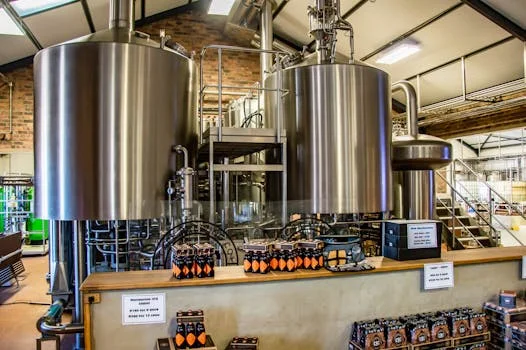
The selection between a Cavitation Air Flotation (CAF) system and a Dissolved Air Flotation (DAF) system hinges on several critical factors, including wastewater characteristics, capital and operational costs, space constraints, and specific performance requirements. Both technologies are effective for suspended solids removal, but their operational principles and optimal applications differ significantly.
| Criterion | Cavitation Air Flotation (CAF) | Dissolved Air Flotation (DAF) |
|---|---|---|
| CAPEX | 30–50% lower (no compressors/pressure tanks) | Higher (requires air compressors, saturators, pressure tanks) |
| OPEX | 40% lower (lower power consumption, less maintenance) | Higher (higher power demand, more complex maintenance) |
| Footprint | 40% smaller for equivalent capacity | Larger |
| Power Consumption | 0.1–0.2 kWh/m³ | 0.3–0.5 kWh/m³ |
| Chemical Use | Similar or slightly lower (finer bubbles can enhance flocculation) | Similar or slightly higher (larger bubbles may require more coagulant) |
| Maintenance | Simpler (fewer moving parts, no pressure vessels) | More complex (compressors, pumps, pressure tanks require regular service) |
| Sludge Concentration | 3–5% dry solids | 1–3% dry solids |
| Suitability for High FOG | Excellent (fine bubbles effectively lift FOG) | Good, but CAF often excels |
| Suitability for High TSS (>5,000 mg/L) | Moderate (may require larger units or pre-thickening) | Excellent (DAF is well-suited for high TSS loads) |
CAF systems are particularly well-suited for wastewaters with high concentrations of fats, oils, and grease (FOG), such as those from food processing plants, abattoirs, and dairies. The fine microbubbles generated by CAF efficiently attach to these hydrophobic substances, lifting them to the surface for easy removal. CAF also performs effectively with low-to-medium suspended solids loads, generally up to 3,000 mg/L. For applications with very high TSS loads, exceeding 5,000 mg/L, or where existing chemical dosing strategies are optimized for larger bubbles, dissolved air flotation (DAF) systems might be a more robust choice.
Maintenance considerations also favor CAF in many scenarios. With no need for air compressors, pressure tanks, or complex saturation systems, CAF systems have fewer components prone to failure. The primary mechanical components are the aerator and the sludge scraper, both of which are generally robust and require minimal intervention. DAF systems, conversely, involve more intricate machinery that demands regular servicing. Both technologies can meet stringent regulatory compliance, such as EPA 40 CFR Part 403 pretreatment standards, but CAF’s inherent simplicity and lower energy demand can simplify permitting processes in regions with strict environmental regulations.
Cost Analysis: CAPEX, OPEX, and ROI for CAF Systems in 2025
Evaluating the economic viability of a Cavitation Air Flotation (CAF) system involves a thorough analysis of both upfront capital expenditures (CAPEX) and ongoing operational expenditures (OPEX). CAF systems generally present a compelling economic case due to their simplified design and lower energy requirements compared to traditional DAF systems.
The CAPEX for CAF systems typically ranges from $20,000 for smaller units (e.g., 3 m³/h) to $150,000 for larger capacities (e.g., 250 m³/h). This equipment cost represents the primary investment. Installation costs usually fall between 10% and 20% of the equipment price, depending on site complexity and labor rates. Significantly, CAF systems require minimal civil works compared to DAF, as they do not necessitate extensive concrete foundations for pressure vessels or large compressor buildings. This reduction in civil engineering can lead to substantial savings.
Operational expenditures are dominated by power consumption, chemical costs, and labor. Power consumption for CAF systems is estimated at $0.05–$0.15 per cubic meter of treated wastewater, reflecting their energy efficiency. Chemical costs, primarily for coagulants and pH adjusters, typically range from $0.02 to $0.08 per cubic meter, though this can vary based on influent water quality and the specific chemicals used. For optimizing chemical dosing, consider implementing automatic chemical dosing systems. Labor requirements for operation and routine maintenance are generally low, often requiring less than 0.5 to 1 full-time equivalent (FTE) for system oversight and upkeep.
To illustrate the return on investment (ROI), consider a hypothetical 50 m³/h food processing plant. If the CAPEX for a CAF system is $80,000 and the estimated annual OPEX is $12,000, the payback period can be significantly shorter than for a comparable DAF system, which might have a CAPEX 30–50% higher and OPEX 40% higher. For instance, a DAF system with an $120,000 CAPEX and $21,000 annual OPEX would have a longer payback. The projected payback for the CAF system could be as short as 3 years, demonstrating its cost-effectiveness. Annual maintenance costs for a CAF system are typically modest, including aerator seal replacements ($500/year), scraper mechanism lubrication ($200/year), and sludge disposal costs, which can range from $0.01 to $0.03 per cubic meter depending on the disposal fees and sludge dryness.
Common CAF System Problems and Troubleshooting Guide
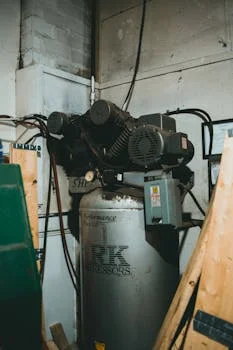
While CAF systems are known for their robustness and simplicity, operators may occasionally encounter issues that can affect performance. Proactive identification and resolution of these common problems are crucial for maintaining high effluent quality and operational efficiency.
- Problem: Aerator Clogging. Cause: Introduction of large debris or fibrous material into the wastewater can obstruct the aerator nozzles, hindering microbubble generation. Solution: Implement effective pre-screening measures. Installing 1–2 mm mesh screening, such as the GX Series rotary mechanical bar screen upstream of the CAF unit is highly recommended to remove solid contaminants before they reach the aerator.
- Problem: Sludge Carryover into Effluent. Cause: This can occur if the sludge scraper mechanism operates at an excessively high speed, disturbing the settled sludge blanket, or if the effluent weir is not properly aligned or set. Solution: Adjust the scraper speed to an optimal range, typically 0.5–1 meter per minute, to ensure gentle sludge removal without disturbing the clarified water. Calibrate the effluent weir level to maintain a consistent water surface and prevent sludge escaping.
- Problem: Low TSS Removal Efficiency (<85%). Cause: Insufficient or incorrect dosing of coagulants and flocculants is a primary culprit, especially for hydrophilic particles. Incorrect pH can also hinder flocculation and flotation. Solution: Conduct jar tests to optimize the type and dosage of coagulants (e.g., ferric chloride, PAC) and flocculants. Ensure the system's pH is maintained within the optimal range for chemical effectiveness, typically pH 6–7 for ferric chloride. Utilize automatic chemical dosing systems for precise and consistent application.
- Problem: Excessive Foam Formation. Cause: High concentrations of surfactants or certain organic compounds in the wastewater, commonly found in textile or food processing effluents, can lead to persistent foaming. Solution: Introduce an appropriate antifoam agent at a dosage of 0.5–2 mg/L into the system. Alternatively, reducing the aerator speed can sometimes help mitigate foam by decreasing the intensity of bubble generation.
How to Select the Right CAF System: A 5-Step Decision Framework
Choosing the optimal Cavitation Air Flotation (CAF) system requires a systematic approach to ensure it meets the specific demands of your industrial wastewater treatment process. This framework guides engineers and plant managers through the essential steps of system selection.
- Step 1: Characterize Wastewater and Flow Rate. Accurately measure key wastewater parameters, including Total Suspended Solids (TSS), Chemical Oxygen Demand (COD), Fats, Oils, and Grease (FOG), pH, and the diurnal and peak flow rates. A 24-hour composite sample is recommended for representative data. For example, food processing wastewater might exhibit TSS of 1,200 mg/L, FOG of 800 mg/L, and a peak flow rate of 40 m³/h.
- Step 2: Size the System Based on Flow and Retention Time. Once the maximum continuous flow rate is determined, select a CAF model with sufficient capacity. The required tank volume can be calculated using the desired hydraulic retention time (HRT), typically 10–30 minutes. For a 40 m³/h flow rate and an HRT of 20 minutes, the required tank volume is approximately 13.3 m³. This would suggest selecting a model like the DAF-50, which has a rated capacity of 50 m³/h, providing adequate buffer capacity.
- Step 3: Evaluate Pretreatment and Chemical Dosing Needs. Assess if additional pretreatment is necessary. High FOG concentrations might benefit from a dedicated grease trap. Significant amounts of debris or coarse solids necessitate upstream screening, such as with GX Series rotary mechanical bar screens, to protect the CAF unit. Determine the need for chemical coagulants and flocculants based on wastewater characteristics and desired effluent quality, which will inform the selection of an appropriate automatic chemical dosing system.
- Step 4: Compare Suppliers and Technical Offerings. Evaluate potential CAF system suppliers based on their experience, the availability of standard versus custom-designed models, warranty periods (typically 2–5 years), and the quality of their after-sales service and technical support. Inquire about the materials of construction and the reliability of the cavitation aerator design.
- Step 5: Conduct Pilot Testing. For critical applications or when treating novel wastewater streams, renting and operating a pilot CAF unit (e.g., 5–10 m³/h capacity) for 2–4 weeks is highly recommended. This allows for direct validation of performance metrics such as TSS and FOG removal efficiency, sludge concentration, and chemical consumption under actual site conditions, providing confidence before full-scale system procurement.
Frequently Asked Questions
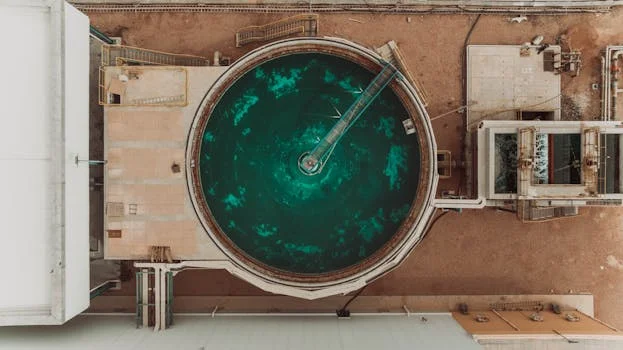
Q: What is the difference between cavitation air flotation (CAF) and dissolved air flotation (DAF)?
A: CAF injects microbubbles directly into wastewater via a cavitation aerator, eliminating the need for air compressors, pressure tanks, and dissolved air. DAF requires pressurized air dissolution, increasing CAPEX by 30–50% and OPEX by 40%. CAF is better for high-FOG wastewater (e.g., food processing), while DAF handles higher TSS loads (>5,000 mg/L).
Q: What are the power requirements for a CAF system?
A: Power scales with flow rate: 2 hp for 20 m³/h, 5 hp for 50 m³/h, and 31 hp for 150 m³/h. Total power consumption is 0.1–0.2 kWh/m³, approximately 50–70% lower than DAF systems.
Q: Can CAF systems handle high-temperature wastewater?
A: Yes, but performance may decline above 60°C due to reduced bubble stability. For temperatures >60°C, it is advisable to pre-cool wastewater to 40–50°C or consider a DAF system with heat-resistant components.
Q: What chemicals are used in CAF systems?
A: Coagulants (e.g., ferric chloride, PAC) and pH adjusters (e.g., sulfuric acid, sodium hydroxide) are typically required for hydrophilic particle flotation. Dosage depends on wastewater characteristics; for example, 50–200 mg/L of ferric chloride may be used for food processing wastewater.
Q: How often does a CAF system require maintenance?
A: Weekly checks should include aerator and scraper operation. Monthly inspections should cover weir alignment and sludge discharge. Annually, aerator seals may need replacement and the scraper gearbox lubrication is recommended. Sludge disposal frequency is dependent on the influent TSS load, potentially daily for high-load food processing wastewater and weekly for municipal applications.