In Romania, sludge dewatering equipment reduces disposal costs by 60–80% and meets ANPM’s 2025 sludge management regulations (Order 1146/2021). For a 1.3 million L/year beverage plant in Suceava, a multidisc screw press (e.g., MDQ-102C) achieved 22% dry solids content with 30% lower power consumption than centrifuges. Key factors for selection include influent sludge characteristics (e.g., 3–5% solids for DAF sludge), compliance with EU Directive 2018/850, and local supplier support for flocculant optimization.
Why Romanian Factories Are Switching to On-Site Sludge Dewatering in 2025
Sludge disposal costs in Romania have risen by approximately 40% since 2020, according to the 2023 ANPM report, with landfill fees now reaching €80–120 per ton in high-demand regions like Bucharest and Cluj-Napoca. This economic pressure is coupled with the impending deadline of EU Directive 2018/850, which effectively bans the landfilling of untreated sludge in Romania starting in January 2025. Under these regulations, sludge must be processed to achieve a minimum of 20% dry solids content before disposal is permitted. For many industrial operators, the transition from liquid sludge hauling to on-site mechanical dewatering is no longer a luxury but a regulatory and financial necessity.
The primary driver for this shift is the massive volume reduction achieved through mechanical separation. In a recent case study involving a beverage factory in Suceava, the facility was able to reduce its total sludge volume by 75%. By moving from external disposal of liquid sludge to on-site treatment using a multidisc screw press, the plant cut its annual disposal expenditures from €45,000 to just €9,000. This represents a significant improvement in operational efficiency, particularly for plants utilizing DAF system specifications for sludge pretreatment to concentrate solids before the final dewatering stage.
Industrial sludge sources in Romania vary widely by sector. Food processing plants typically deal with Dissolved Air Flotation (DAF) sludge containing high fats, oils, and grease (FOG), while municipal wastewater treatment plants (WWTPs) manage biological sludge. Chemical and textile factories in industrial parks near Pitești or Timișoara often generate complex effluents requiring specialized chemical conditioning. In all these scenarios, the objective remains the same: maximizing dry solids to minimize the weight and volume of waste transported over Romanian roads.
Sludge Dewatering Equipment Types: Technical Specs for Romanian Applications
Multidisc screw presses, such as the MDQ-102C, achieve 20–25% dry solids for DAF sludge while maintaining 30% lower power consumption than decanter centrifuges. These units have become the preferred choice for Romanian food and beverage plants due to their ability to handle oily sludge without clogging. Unlike traditional systems, the multidisc design utilizes self-cleaning rings, which significantly reduces the wash water requirement—a critical factor in regions where water utility costs are rising. For high-volume industrial applications, a high-efficiency plate and frame filter press for Romanian sludge dewatering projects may be utilized to achieve even higher cake dryness, often exceeding 35% solids.
Belt filter presses remain a common sight in Romanian municipal WWTPs, typically delivering 18–22% dry solids. However, they require a higher footprint and consume significantly more water (3–5 m³ per ton of sludge) for continuous belt washing compared to screw presses. In contrast, decanter centrifuges are the standard for petrochemical plants in Ploiești, where oily sludge requires high centrifugal force for effective separation. While centrifuges provide high throughput and 25–30% dry solids, their energy demand is substantial, often ranging from 15 to 25 kW per ton of processed sludge.
| Equipment Type | Dry Solids (%) | Power Consumption (kW/ton) | Flocculant Demand (kg/ton) | Footprint Requirement |
|---|---|---|---|---|
| Multidisc Screw Press | 20–25% | 0.5–1.5 | 2–5 | Small / Compact |
| Belt Filter Press | 18–22% | 1.5–3.0 | 3–6 | Large |
| Decanter Centrifuge | 25–30% | 15.0–25.0 | 4–8 | Medium |
| Plate & Frame Press | 30–45% | 2.0–4.0 | 1–3 | Large / Manual |
For temporary projects, such as construction site remediation or seasonal production peaks in the agricultural sector, mobile dewatering units are increasingly popular in Romania. These plug-and-play systems are often housed in 20-foot or 40-foot containers and can be rented for €1,200–2,500 per month. This flexibility allows plant managers to maintain compliance during equipment upgrades or unexpected surges in sludge production without committing to immediate CAPEX.
Cost Breakdown: CAPEX, OPEX, and ROI for Romanian Sludge Dewatering Projects

The initial CAPEX for a screw press in the Romanian market typically ranges from €30,000 to €80,000, which is often 40% lower than the investment required for a high-speed decanter centrifuge. Budgeting for these projects must account for Romanian import duties (if sourced outside the EU), local installation, and integration with existing SCADA systems. Belt presses fall into a mid-range category of €40,000–100,000, while centrifuges for large-scale industrial use can exceed €150,000. These figures are based on 2025 market benchmarks for equipment capable of processing 5 to 15 m³ of sludge per hour.
Operating expenses (OPEX) are heavily influenced by local utility and chemical prices. In Romania, industrial electricity rates hover around €0.12/kWh, making the low power draw of screw presses a major competitive advantage. Flocculant costs, sourced from local Romanian suppliers, range from €2 to €4 per kg. To minimize chemical waste, many facilities integrate an automated flocculant dosing system for optimal sludge conditioning, which ensures the precise polymer-to-solids ratio required for effective dewatering.
| Metric (50 m³/day Plant) | Screw Press | Belt Filter Press | Decanter Centrifuge |
|---|---|---|---|
| Estimated CAPEX | €45,000 | €65,000 | €110,000 |
| Annual OPEX (Power + Chem) | €4,200 | €7,800 | €18,500 |
| Annual Disposal Savings | €32,000 | €28,000 | €35,000 |
| ROI (Months) | 18–24 | 30–36 | 48+ |
The Return on Investment (ROI) is calculated using the formula: (Annual Disposal Savings – Annual OPEX) / CAPEX. For a typical 50 m³/day wastewater plant, the shorter payback period of the screw press makes it the most attractive option for private sector industrial engineers. Beyond the equipment itself, hidden costs in Romania include ANPM permitting (€500–1,500), operator training (€2,000–4,000), and the construction of sludge storage bunkers, which can cost between €10,000 and €20,000 depending on the 30-day storage capacity requirements mandated by local environmental authorities.
Romanian Compliance Checklist: Permits, Standards, and Sludge Disposal Rules
ANPM Order 1146/2021 mandates that all sludge destined for landfill disposal must achieve a minimum of 20% dry solids content, while sludge intended for agricultural reuse must reach 30%. This regulation is part of Romania's broader effort to align with EU Directive 2018/850, which seeks to phase out the landfilling of biodegradable waste. Failure to meet these dryness thresholds can result in heavy fines from the National Environmental Guard (Garda Națională de Mediu) and the rejection of sludge loads by licensed landfill operators.
To operate a dewatering system legally, Romanian facilities must secure several key permits. First is the Environmental Permit (Autorizația de Mediu) issued by the local ANPM branch, which specifies the allowed methods of sludge treatment and disposal. Second, a wastewater discharge permit from the local water authority (Apele Române) is required, as the filtrate or "pressate" from the dewatering process must be returned to the head of the WWTP for treatment. Finally, a formal contract with a licensed sludge disposal or recovery operator is mandatory for traceability.
Testing requirements are rigorous; industrial plants must conduct quarterly analysis of Total Suspended Solids (TSS), Chemical Oxygen Demand (COD), and heavy metal concentrations. In Romania, these laboratory tests typically cost between €200 and €400 per sample. For those pursuing agricultural reuse, the sludge must also meet EU Regulation 2019/1009, which sets strict limits on contaminants such as copper (≤1,000 mg/kg) and zinc. These standards are significantly more stringent than those found in global sludge dewatering equipment benchmarks, reflecting the EU's focus on soil protection.
How to Select a Sludge Dewatering Supplier in Romania: 5 Decision Criteria
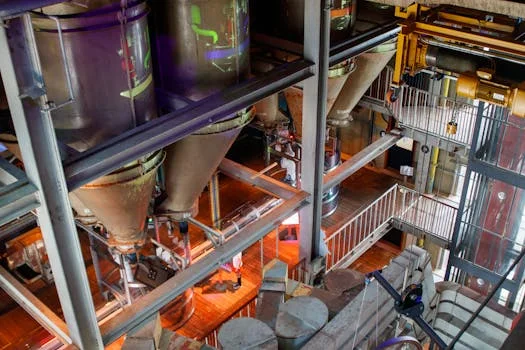
Local service availability is the most critical factor for Romanian factories, where a response time of under 24 hours is necessary to prevent production halts in 24/7 operations. When evaluating a supplier, verify their ability to provide on-site technical support and maintain a local inventory of critical wear parts, such as screw shafts, seals, or filter cloths. A supplier with a dedicated Romanian service team can prevent a minor mechanical failure from escalating into a multi-day environmental compliance crisis.
Flocculant optimization is the second pillar of a successful installation. A reputable supplier should perform laboratory jar tests on your specific sludge samples (€300–500 per test) to determine whether anionic or cationic polymers are required. Improper chemical selection can lead to "sludge blinding," where the equipment fails to separate water effectively, regardless of its mechanical quality. The supplier should offer comprehensive training for local operators, covering everything from torque adjustments on screw presses to the interpretation of IoT sensor data for remote monitoring.
Finally, demand transparency regarding compliance and references. A qualified supplier should provide ANPM permit templates and maintain a network of disposal partner referrals to help you navigate the local regulatory landscape. Always request case studies from existing Romanian installations, such as the Suceava beverage factory or municipal WWTPs in Cluj-Napoca. Red flags during the procurement process include lead times exceeding 8 weeks without a valid reason, a lack of local flocculant testing capabilities, and the absence of clear ANPM compliance documentation for their equipment designs.